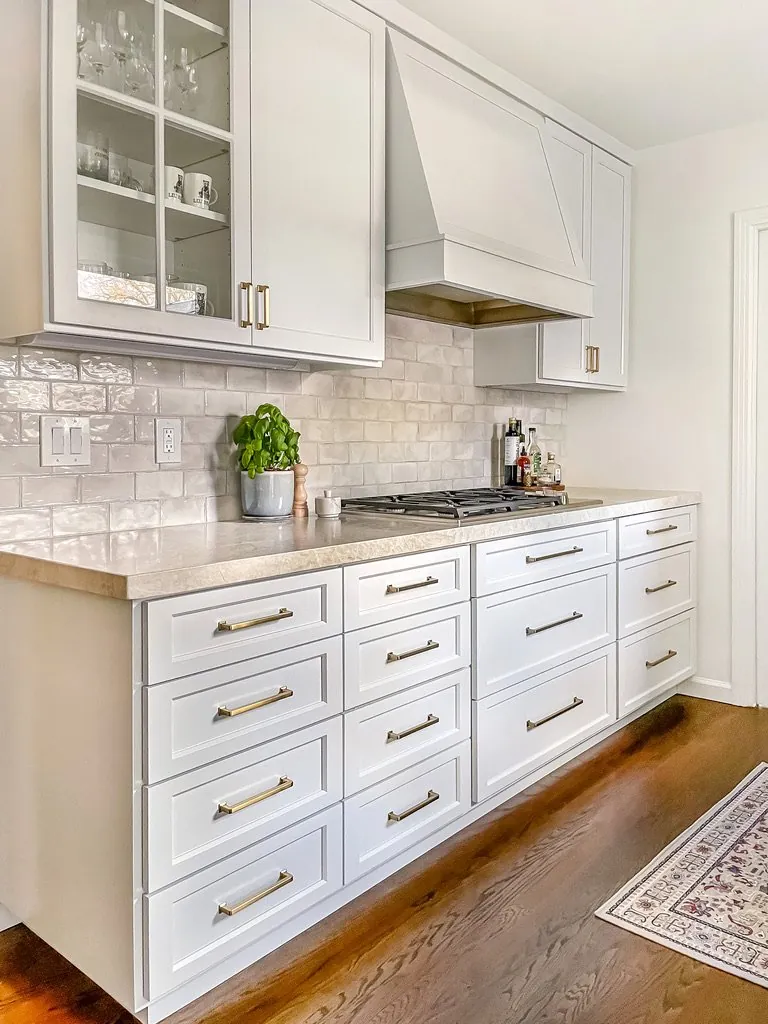
When I take on a mid-century remodel in San Jose, my first focus is honoring the architectural integrity of the home while updating it for modern living. Many of these homes, especially in neighborhoods like Willow Glen, Almaden, or the original mid-century pockets near the Winchester Mystery House, were built between the late '50s and '70s, with open floor plans, exposed wood beams, and those iconic large, sloped windows that frame the Santa Teresa Hills or the bay views. I start by studying the original layout, often preserving the core structure like the living room’s vaulted ceilings or the kitchen’s built-in cabinetry, but I’ll gently redefine spaces to fit today’s needs, like opening up a galley kitchen to a more functional U-shape while keeping the warm wood tones and the subtle brass hardware that mid-century homes love. The goal is to feel like you’re stepping into a piece of local history, not a museum. I also pay close attention to the home’s orientation; in San Jose, where we get intense afternoon sun, I’ll often suggest adding motorized shades or textured window treatments to protect vintage wood floors and furniture from fading, while still letting in that natural light that makes these homes feel so alive.
San Jose’s climate and the specific character of each neighborhood play a huge role in how I source materials and design. The Bay Area’s mild but variable weather, dry summers, cool winters, and occasional fog, means I lean into durable, low-maintenance finishes that still feel warm and inviting. For example, in a home in the more established mid-century areas near the Tech Museum, I might use reclaimed redwood or Douglas fir for built-ins or shelving, materials that age beautifully and complement the original woodwork, while in newer mid-century-inspired builds in Evergreen or Cambrian, I’ll opt for locally sourced teak or bamboo for a more contemporary twist. I also love working with regional artisans, like those in nearby Gilroy or Morgan Hill, for handcrafted tile or stone countertops that tie into the area’s agricultural roots while keeping the space feeling elevated. And because San Jose’s mid-century neighborhoods often have a mix of single-family homes and smaller bungalows, I tailor the design to the street’s vibe, maybe adding a bold pop of color in a more eclectic area like Japantown’s edges, or sticking to earthy neutrals in the quieter, tree-lined streets of Saratoga’s mid-century pockets.
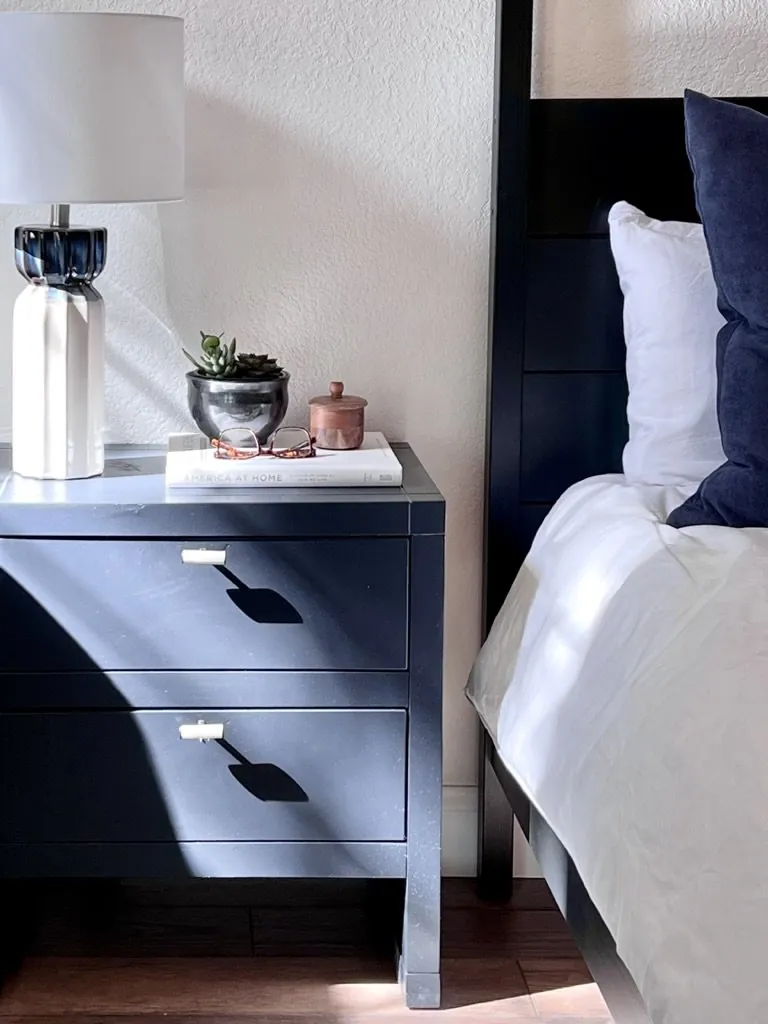
Ultimately, my approach is about collaboration, balancing your personal style with the soul of the home and the community around it. I’ll ask a lot of questions upfront: Do you want to keep the original terrazzo floors and restore them, or would you prefer to layer in a vintage-inspired rug for comfort? Should we highlight the home’s connection to nature with built-in planters for the native oaks and bay trees outside, or focus on creating a sleek, indoor-outdoor flow with sliding glass doors that open to a courtyard? In San Jose, where mid-century design often blends functionality with a touch of whimsy, think a sunburst clock, a sculptural floor lamp, or a bold geometric rug, I love curating pieces that reflect the homeowner’s personality while keeping the space timeless. For instance, a tech professional might want a home office nook with clean lines and smart storage, while a family with kids might prioritize durable, easy-to-clean surfaces in the kitchen and play areas. The key is making sure every decision, from the choice of a walnut cabinet finish to the placement of a statement light fixture, feels intentional and true to the home’s story.
Featured Neighborhoods