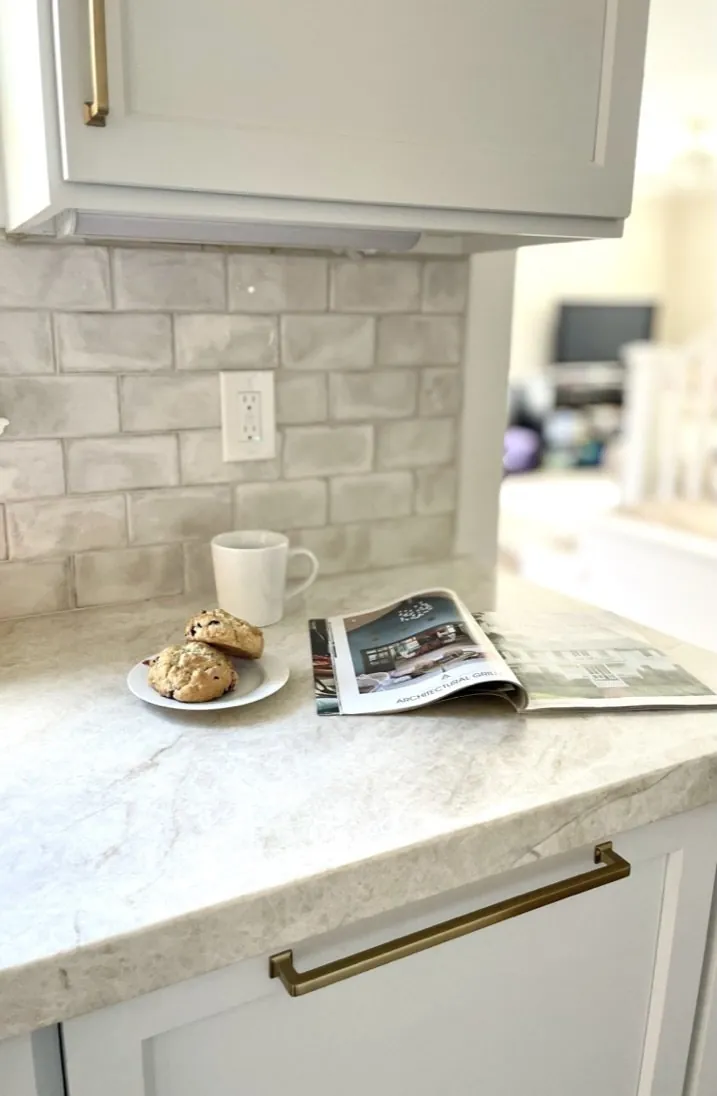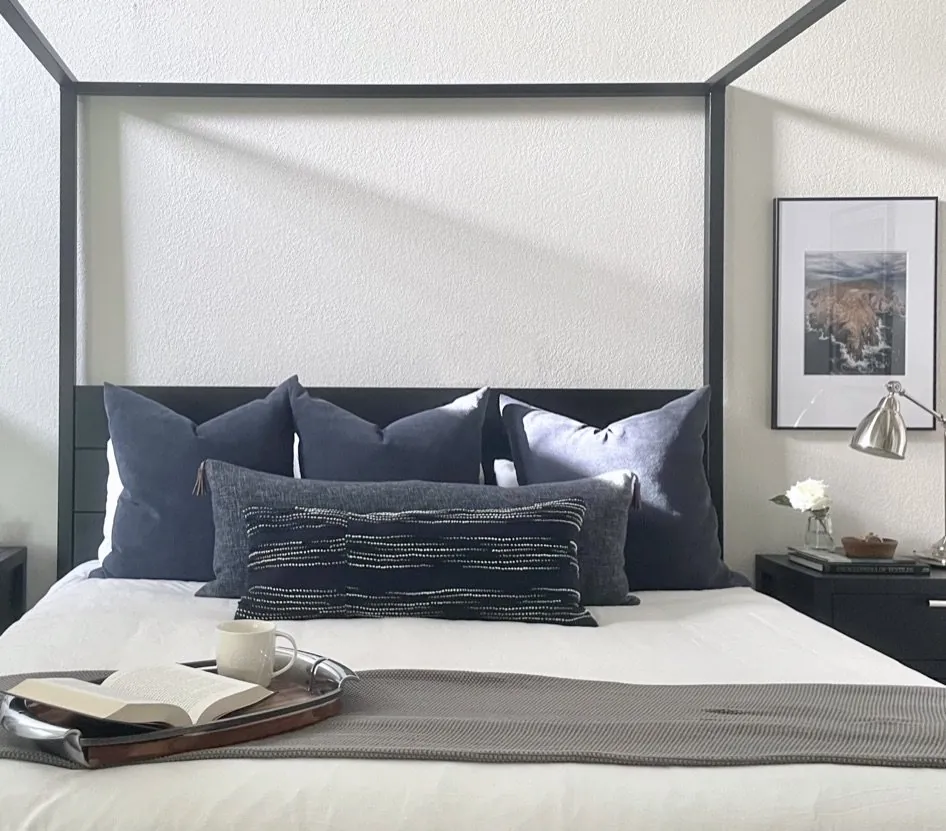
When Amy begins a remodel in San Lorenzo, she first immerses herself in the neighborhood’s deliberate, lived-in pace, where mid-century modern homes with deep porches and craftsman-era details coexist alongside newer, streamlined designs, all bathed in the soft, diffused light typical of the East Bay’s inland climate. She observes how the area’s industrial and agricultural roots still shape its architecture: the robust timber framing, the lofty ceilings originally meant for drying crops or storing tools, and the deep-set windows that frame views of the surrounding hills while moderating the heat of summer afternoons. Her process starts with honoring that functional heritage while adapting it to contemporary living. For instance, in a 1950s ranch house, she might retain the original oak or redwood beams but pair them with warm, understated finishes, think matte black hardware, textured linen upholstery, and walnut cabinetry, to blend vintage charm with a modern, uncluttered sensibility. Given the area’s urban density, particularly in neighborhoods like Lorenzo Station and San Lorenzo Village, she also focuses on optimizing interior flow, often removing nonstructural walls to create adaptable spaces, such as a breakfast area that serves dual purposes as a home office, all while maintaining a sense of openness and intentionality.
The materials Amy selects reflect the region’s climate and natural resources, where summers can be warm and dry while winters bring cooler, occasionally damp air. She favors durable, low-maintenance materials that complement the local environment: reclaimed redwood or cedar for built-ins and flooring (both native to California and well-suited to the area’s humidity levels), FSC-certified oak for cabinetry (a nod to the region’s woodworking traditions), and stone surfaces like quartzite or soapstone, which stay cool and develop a soft, weathered appearance over time. Ventilation is a priority, so she often incorporates cross-ventilation through operable windows or skylights to encourage airflow, and she specifies low-VOC paints and finishes to maintain healthy indoor air quality. Textures play a key role in balancing comfort: wool or wool-blend rugs to add warmth, breathable linen drapes to filter light softly, and metal accents in finishes like brushed brass or matte black that resist corrosion. She also collaborates with local artisans, whether woodworkers in Alameda County or tile makers in nearby Oakland, to source pieces that feel authentically tied to the region while enduring the demands of daily use.
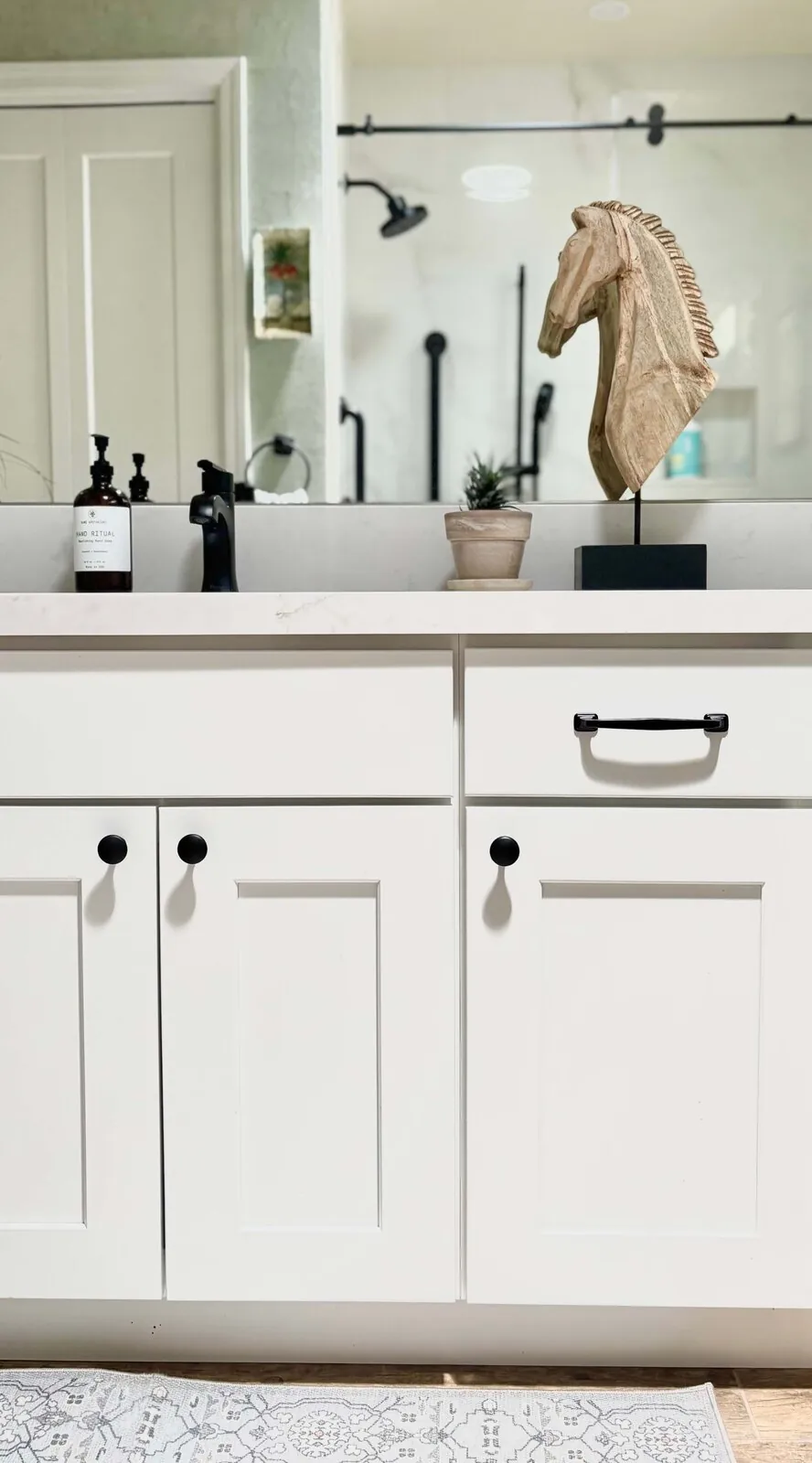
Amy’s approach ultimately revolves around harmonizing San Lorenzo’s understated, community-oriented identity with the personal narratives of the people who live there. She begins by asking questions: What elements of the home do they cherish? Which features feel outdated or impractical? Is there a connection to the neighborhood’s history they wish to preserve, or are they envisioning something entirely new? For a family in a craftsman-style home, that might mean restoring original hardwood floors and built-ins while introducing a warmer, earthy palette, deep greens, warm terracottas, and muted blues inspired by the surrounding hills. For a young professional in a mid-century modern home, the focus could be on refining the space with clean lines and open sightlines, punctuated by unexpected details like a vintage-inspired light fixture or a gallery wall featuring local artists. As both a steward of history and a translator of modern needs, she helps clients envision their home’s potential without erasing its character. Given San Lorenzo’s strong sense of place, where independent cafés, quiet parks, and a mix of residential and small-scale commercial spaces define the area, she often incorporates subtle references to the neighborhood’s essence, such as a custom bench made from reclaimed lumber near a kitchen window or a color scheme drawn from the muted tones of the nearby foothills. The result is a space that feels distinctly personal yet unmistakably rooted in this part of the East Bay.