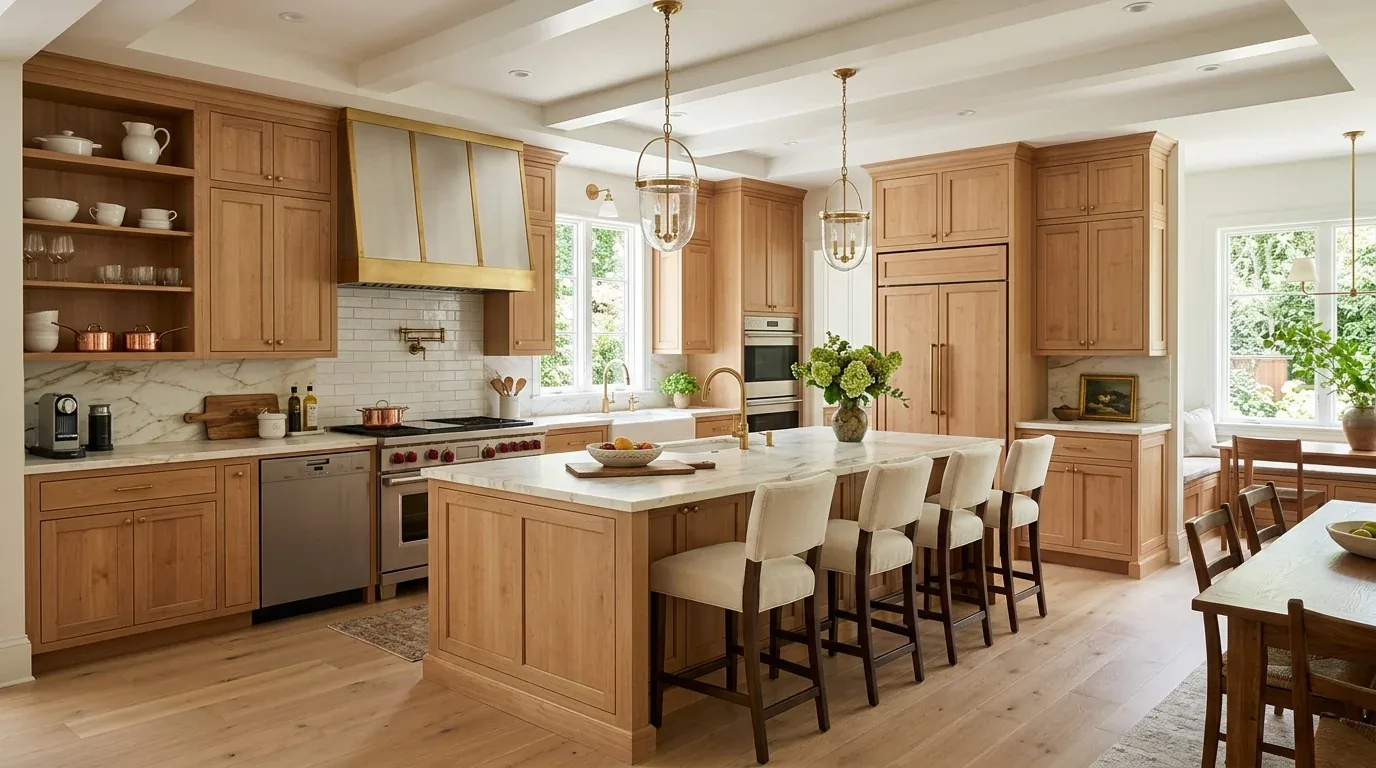
2026 in Sacramento is about sleek designs. Think functional with a local flair. Clean lines matter more now. People want smart tech. Sustainable materials are key. Practical beauty. Sacramento's weather and tastes shape design here. Kitchens need to work all year.
Pulling from our files, let's break down what's trending in designs, materials, and tech for Sacramento kitchens. We'll discuss regional factors and common mistakes. Stay informed on 2026 trends.
Direct Answers (The Future Of Kitchen Design In Sacramento Modern Home Trends)
| What are the key trends shaping the future of kitchen design in Sacramento in 2026? | More quartz counters, hidden storage in Sacramento kitchens soon. Natural light is huge. |
| How does regional climate influence kitchen design trends in Sacramento? | Mediterranean vibes in Sacramento call for big windows and bright surfaces. Summers are hot and dry. |
| What materials are expected to dominate Sacramento kitchen designs in the coming years? | Engineered quartz and reclaimed wood are popular. Local materials fit in well here. |
| Are there specific permits required for modern kitchen renovations in Sacramento? | Stamped plans and a permit are a must to take down load-bearing walls. Updating utilities in Sacramento County? Permits needed. |
The Shift Toward Seamless Integration and Sustainability
Across our active project specifications, a dominant trend in Sacramento’s modern kitchens is the move toward seamless cabinetry integration paired with sustainable, durable materials. Sleek cabinets without handles are in. Integrated appliances make the space feel open. SieMatic and custom shops push frameless cabinets. They balance good looks and durability.
Recent projects show a big move toward local, green materials. Engineered quartz from California is on the rise. Low VOC finishes, less upkeep than imported stones. These materials suit Sacramento, considering both climate and sustainability. Brushed brass and matte finishes are popular now. Warm neutrals like greige are in.
Integrated, eco-friendly design lines up with California's building standards. It handles Sacramento weather better too. Kitchens are smarter now. They focus on comfort and efficiency but keep their style.
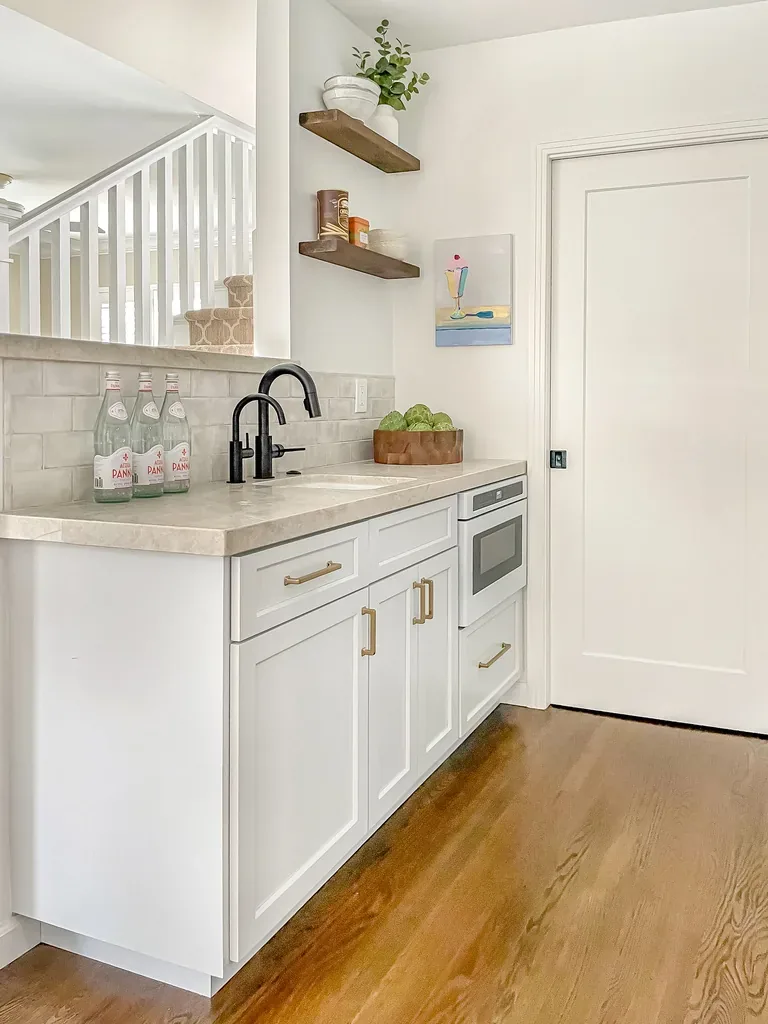
Material Specificity in Sacramento Kitchens
Authenticity-grade materials
- White oak (rift-sawn), for floors and slat detail; calmer grain than plain-sawn
- Calacatta Gold quartz, engineered for durability and consistent veining
- Matte PVD brushed brass hardware, corrosion-resistant and warm finish
- Low-VOC, California-sourced plywood, for cabinetry boxes
- Reclaimed walnut, for accent panels and open shelving
- Porcelain tile (large-format), for backsplashes and flooring, easy to maintain
- Natural rift-sawn cedar, for ceiling treatments and accents
- Sustainable cork, for flooring, offering comfort and eco-friendliness
Generic-grade tells we refuse to spec
- Laminate surfaces, low-cost but less durable and eco-friendly
- High-gloss finishes, prone to fingerprints and less forgiving in high-traffic kitchens
- Particleboard cabinetry, cheaper and less durable over time
- Non-certified stone slabs, with inconsistent sealing or origin
- Plastic hardware, less durable and less aesthetic
- Standard MDF, not suitable for moisture-prone areas without proper treatment
Sacramento-Specific Considerations for Modern Kitchen Design
Sacramento’s Mediterranean climate and landscape influence modern kitchen trends that emphasize natural light, airflow, and durable, eco-friendly materials. You see huge windows here. They blend inside and outside spaces effortlessly. From ranch to mid-century, local architecture nudges us. We keep its soul but add modern touches.
Using things like reclaimed wood or local quartz ties designs to their roots. It feels genuine. All that Sacramento sunlight? Ideal for warm colors and reflective surfaces. Brightens without extra cooling. Want to update an older home here? Know the codes. Pull walls down? Stamped plans are needed. The Sacramento Building Division provides detailed guidance on these regulations, ensuring your project remains compliant while achieving the desired aesthetic.
Design here mixes durability with local artistry. It's perfect for innovative kitchens.
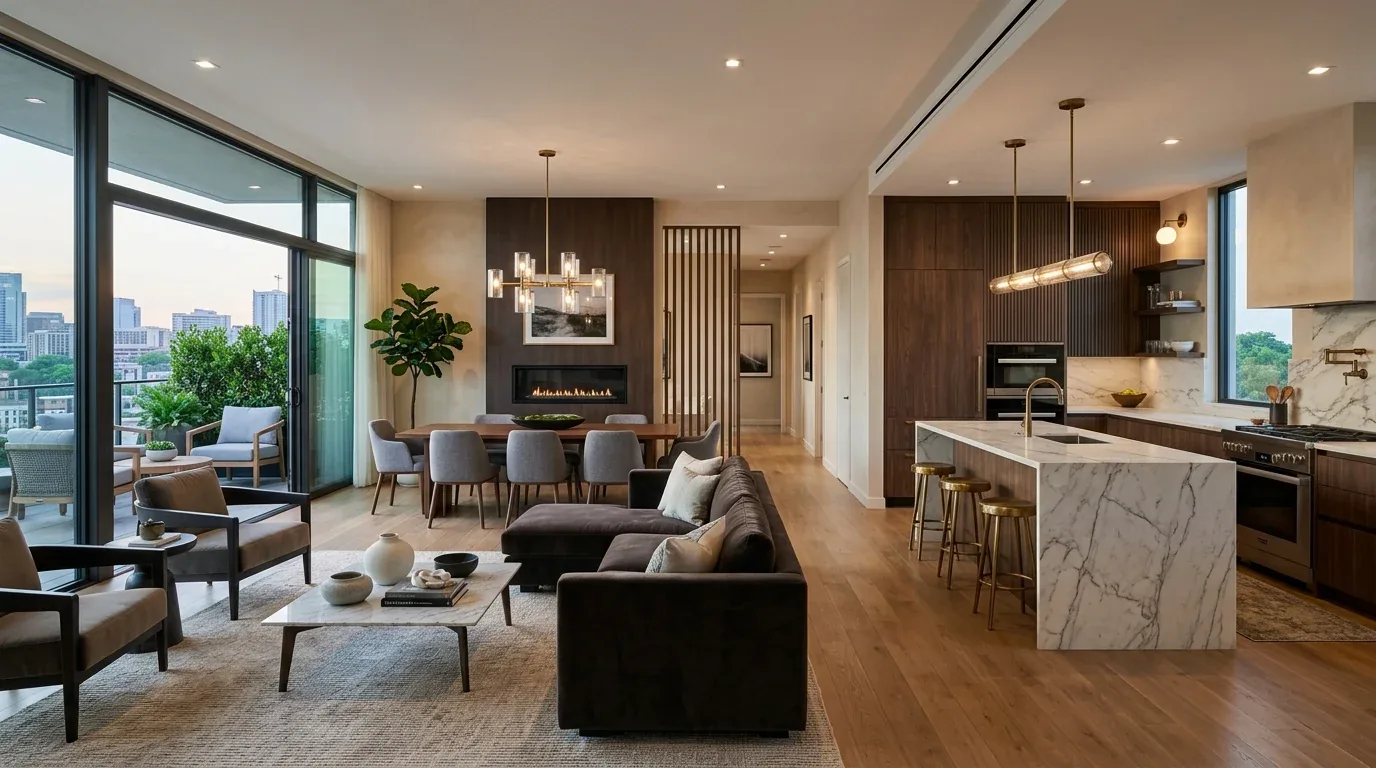
How to Choose the Right Fixtures and Appliances for a Modern Sacramento Kitchen
When selecting fixtures and appliances, homeowners often struggle with balancing style, efficiency, and regional climate considerations. First off, what do you use the kitchen for? Big family meals? Entertaining? Gourmet cooking? Is storage most important? High-end stovetops? Or maybe sleek ventilation?
Range hoods depend on your cooktop. Most homes do fine with 36-inch. Bigger? You'll need stronger venting. In dry Sacramento, pick energy-saving appliances with smart tech. They keep comfort in check without waste. The American Society of Interior Designers emphasizes that appliance placement should facilitate natural traffic flow and ease of use, especially in open layouts common here.
Cabinet-match appliances, panel-ready ones. This way gets you both good looks and functionality. Choose fixtures based on your kitchen use and climate. That's how you keep it modern and useful.
Sizing and Specification Guide for Sacramento Modern Kitchens
Proper sizing is critical for both comfort and code compliance. Lower countertops help with accessibility and aging in Sacramento. Usually, it's 36 inches. Adjustable can be better. A 10-foot ceiling? Go big on lights. Tall ceilings mean better air.
Range hoods should extend 3 inches past the cooktop. 400 CFM minimum for fans, Sacramento summers demand it. Islands usually span 48 to 60 inches. Depth runs about 24 inches. Keeps movement easy, no crowding. Use different lighting, task, ambient, accent, to set mood. It feels welcoming.
Knowing sizes and specs avoids costly errors. Keeps your kitchen practical and up to code, especially for permits.
Custom vs Stock Options for Sacramento Modern Kitchens
Homeowners often face the decision between custom cabinetry and stock solutions. Custom cabinets fit perfectly. Use details like inset panels or reclaimed wood for a regional touch. Custom takes longer and costs more but gives your home a unique look. Worth it for tailored character in Sacramento.
Stock cabinets mean less cash, faster installs. Perfect for mid-range makeovers focusing on function. Local fabricators here offer semi-custom cabinets, balancing cost and quality. Plan on 6 to 8 weeks for production. For custom, work together on materials. Matches local style and eco goals.
In Sacramento, the neighborhood and existing styles guide your choice. Custom options often add value and authenticity.
Modern Trends Versus Timeless Choices in Sacramento Kitchens
Deciding whether to pursue the latest trends or stick with timeless design elements is a key challenge. Think short-term trend or classic vibe? Bright colors date quickly. Balance them with classic elements.
Use local materials, like reclaimed wood, for a Sacramento link. Mix new tech with balance and natural light. That's what we suggest. This method makes a modern space that holds up as tastes change. Smart in a region with historic and new homes.
Ultimately, thoughtful integration of trends with regional character results in a kitchen that remains relevant and valuable over time.
Observed Failure Modes, How The Future Of Kitchen Design In Sacramento Modern Home Trends Goes Wrong
From our project debriefs and post-occupancy reviews, 2023-2026.
Over-Expanding the Kitchen Footprint
Many Sacramento homeowners assume that bigger is better when it comes to kitchen remodeling. They often propose opening walls or adding square footage to increase functionality, expecting immediate value. Can lead to big structural changes and permits when walls are involved. Used a laser to check dimensions. Plenty of room for everyday needs. Lighting was a mess. Layout, too. We adjusted the design to optimize existing space, saving over $80,000 and avoiding a six-month delay. The lesson: understanding regional housing stock and the true needs of the space prevents costly over-expansion and preserves the home’s character.
Ignoring Sacramento’s Climate in Material Selection
Choosing inappropriate finishes or materials without considering Sacramento’s hot, dry summers results in premature aging and maintenance issues. High-gloss cabinets? Style's there, but smudges show. Prepare for lots of wiping. Matte finishes win out. We like PVD brushed brass and engineered quartz. Handles heat. Handles moisture. The American Society of Interior Designers emphasizes selecting durable, climate-appropriate materials that sustain regional weather. Skip the right materials, pay double later. Don't. Select materials suited for Sacramento heat. Saves you money eventually.
Neglecting Local Permit and Code Requirements
Many homeowners overlook Sacramento’s specific permit triggers, risking project delays or violations. Taking down a load-bearing wall? You need an engineer and a permit. Adds time and money. Move any plumbing or outlets? Permits and inspections come with it. Kitchen rework hit a stop. Skipped permits for plumbing upgrades. Consulting Sacramento’s Building Division early ensures compliance and smooth project progression. Know local rules. Avoid surprising costs, especially with old Sacramento houses.
Choosing Non-Local, Non-Sustainable Materials
Using imported or non-certified materials that are not regionally sourced can undermine sustainability goals and increase costs over time. Quartz local to here, reclaimed wood too. Low-VOC paints are healthier. Sustainability matters. It's about the environment and making homes last. Non-local picks mean more emissions and tough replacements. Go for regional stuff. Keeps your kitchen green and tough.
What's Going Out for 2026
- Overly ornate or traditional hardware that clashes with regional modern aesthetics
- High-gloss surfaces that show fingerprints and scratches easily in Sacramento’s heat
- Imported natural stone slabs that require extensive sealing and maintenance
- Ignoring local permit requirements for structural or plumbing changes
- Choosing materials that are not sustainably sourced or regionally available
- Over-customizing with trendy finishes that may date quickly
- Large, bulky fixtures that hinder natural light flow and airflow
- Failing to incorporate smart technology that enhances daily life
- Disregarding the regional climate when selecting finishes and materials
- Designing layouts without considering Sacramento’s existing architectural context
What The Future Of Kitchen Design In Sacramento Modern Home Trends Costs in 2026
| Scope | Sacramento | Bay Area / Marin |
|---|---|---|
| Cosmetic refresh including cabinets refaced, counters, fixtures, paint | $35K-$55K | $40K-$60K |
| Mid-tier full remodel with new cabinetry, quartz, appliances, no layout change | $55K-$90K | $60K-$100K |
| High-end layout change or structural remodel | $90K-$150K+ | $100K-$200K+ |
Local permits & planning
Working Notes
What We Have Learned Doing This: The Future of Kitchen Design in Sacramento | Modern Home Trends
“If the cabinet drawings are not frozen before slab templating, expect rework.”
On a kitchen the cabinet drawings have to be frozen before the stone is templated. Reorder that sequence and you are paying for rework you could have drawn around.
After a while, delays and planning freak you out, not bad taste. Looks matter, sure. But if build doesn't match the plan, it's pointless.
Order things with long lead times first. Plan so work keeps moving. Appliances, stone, and millwork run the show. Ignore them, you'll lose a month.
Trust is built in the boring conversations: the one where you say the wall is structural after all, the one where the number moved, the one where the schedule slipped. Clients forgive reality. They do not forgive being surprised by it.
These notes come from our own the future of kitchen design in sacramento | modern home trends project debriefs. Most were learned the expensive way the first time.
Sources & Professional References
This guide's positions on materials are grounded in published building-code, standards, and recognized design-authority sources, alongside Designed | Curated Interiors' verified credentials and active project files:
- American Society of Interior Designers (ASID): interior-design practice standards
- International Code Council (ICC): Chapter 8 Interior Finish Decorative Materials And Furnishings
- Community Development (Building Division), Sacramento (Sacramento County) building permit portal
- NKBA, Amy Kunst Member Profile (verified credential, NKBA Committee Member)
- Featured in: Homes & Gardens (design expert quote, May 2026) · Sacramento Love (guest author, 2024)
Frequently Asked
What are the key trends shaping the future of kitchen design in Sacramento in 2026?
How does regional climate influence kitchen design trends in Sacramento?
What materials are expected to dominate Sacramento kitchen designs in the coming years?
Are there specific permits required for modern kitchen renovations in Sacramento?
What design elements are homeowners in Sacramento prioritizing for their kitchens?
What common mistakes should Sacramento homeowners avoid when planning a modern kitchen remodel?
From The Future Of Kitchen Design In Sacramento Modern Home Trends to a Real Room
A trend piece is the briefing document, not the deliverable. The pages below show how we translate these principles into finished rooms across Sacramento and the rest of Northern California.
- Sacramento & Bay Area Interior Design Services How we scope, source, and deliver work end to end.
- Interior Designer Hub, Sacramento Where most of our Sacramento work lives, the regional fit explained.
- Modern Kitchen Remodel Sacramento | Before After Design Insights Explore a sacramento kitchen remodel from vision to......
- Interior Designers East Sacramento CA, Where Heritage Meets Modern Living Discover timeless design in East Sacramento. Talk to Amy at......
- The Risk-Management Guide to Kitchen Remodeling Services in Sacramento: An Interior Designer’s Perspective kitchen remodeling services in sacramento refers to the contracted professional services that alter a residential kitchen within Sacramento-