Sacramento + Marin Interior Designer · Amy Kunst, NKBA 📞 916-756-5977 Get Free Quote

Tiburon Construction Noise Regulations

A marina with multiple boats docked along wooden piers under a cloudy sky
A marina with multiple boats docked along wooden piers under a cloudy sky.

Ensuring your interior design project in Tiburon complies with local construction noise regulations is essential to avoid fines and project delays. The key is understanding the specific noise limits, permitted hours, and permit requirements set by Tiburon’s local authorities.

Construction noise regulations in Tiburon are designed to balance neighborhood tranquility with development needs, making compliance crucial for any project.

Built from our active project files, this guide will clarify Tiburon’s noise level limits, permitted hours for construction activities, permit requirements, enforcement practices, and how these regulations compare to surrounding areas. As designers committed to respectful, sustainable work, we focus on how to navigate these rules while maintaining high-quality interiors that respect the community’s character.

Direct Answers (Tiburon Construction Noise Regulations)

What are the construction noise regulations in Tiburon?Tiburon enforces specific noise limits and permitted hours, typically restricting loud work to weekdays from 8 a.m.
How can I ensure my construction activities in Tiburon comply with noise regulations?Review local regulations on permitted hours and noise limits, obtain necessary permits, and schedule noisy work within allowed times.
Are permits required for construction noise in Tiburon?Yes, permits are often required, especially for larger or disruptive projects, and may involve submitting a noise mitigation plan.
What are the penalties for violating Tiburon's construction noise regulations?Violations can lead to fines ranging from hundreds to thousands of dollars, enforced by the Tiburon Community Development Department.

Prioritizing Quiet: The First Design Move

In our work across Tiburon, the first move toward compliant interior design involves selecting materials and layouts that minimize noise transmission. For example, choosing dense insulation like mineral wool or closed-cell spray foam in interior walls can significantly reduce sound transfer between rooms and to neighboring properties. Integrating soundproofing into the core structure, such as resilient channels and acoustic sealants, ensures the project respects local noise regulations from the outset.

Another crucial step is planning the timing of construction activities. Scheduling loud work during permitted daytime hours and coordinating with contractors to avoid early mornings or late evenings aligns with Tiburon’s strict regulations. Across our active project specifications, working with local trades familiar with the community’s expectations helps prevent violations that could delay permits or lead to fines.
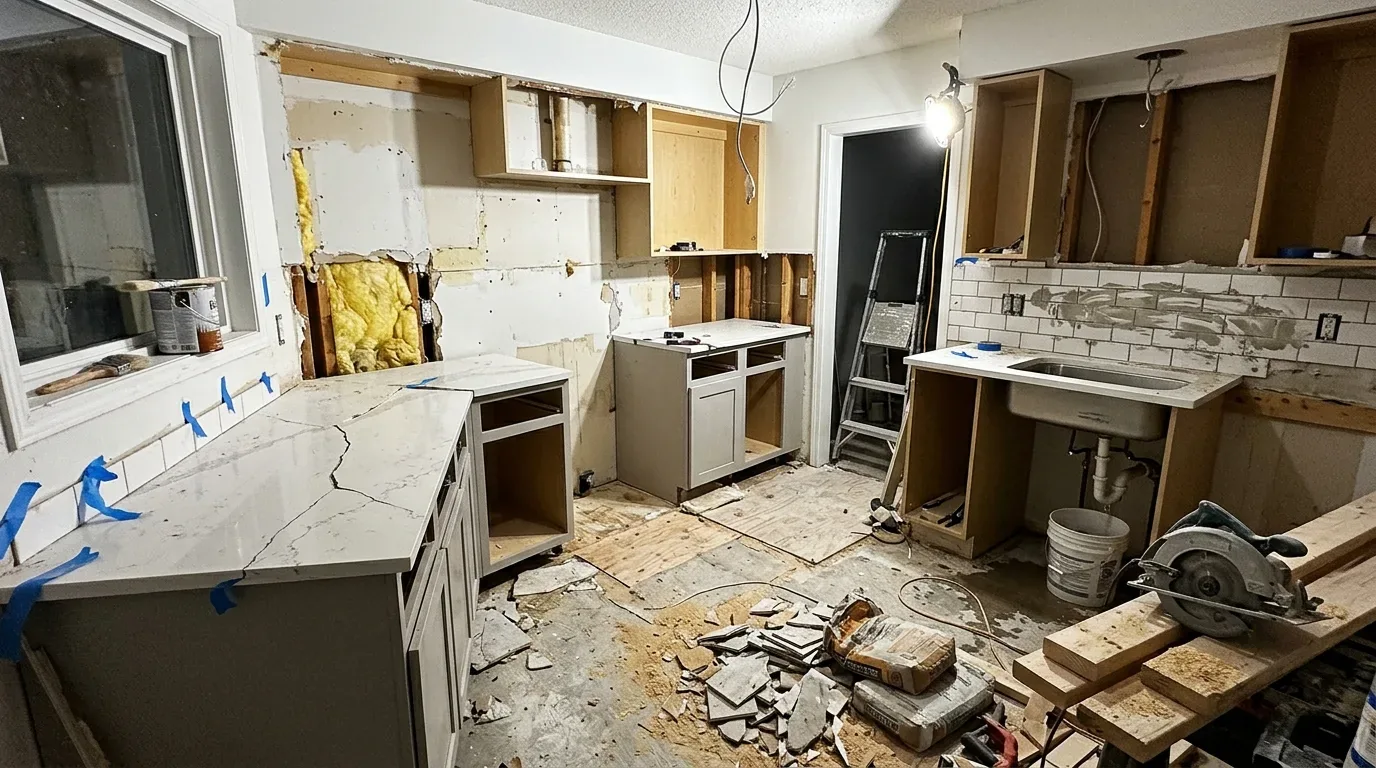
A kitchen under renovation with partially installed cabinets, marble countertops, subway tile backsplash in progress, and construction materials scattered on the floor
A kitchen under renovation with partially installed cabinets, marble countertops, subway tile backsplash in progress, and construction materials scattered on the floor.

Material Specificity for Noise Control

Authenticity-grade materials

  • Mineral Wool Insulation, high-density, fire-resistant, excellent for soundproofing interior walls
  • Resilient Channels, decouple drywall from framing to reduce sound transmission
  • Acoustic Sealant, flexible, durable sealant for gaps and joints in soundproof assemblies
  • Mass Loaded Vinyl, dense barrier material to block airborne noise between rooms
  • Cork Flooring, natural sound absorber for primary living spaces
  • Double-Glazed Windows, reduce external noise infiltration
  • Quiet HVAC Vents, minimize mechanical noise in living areas
  • Soft Fabric Wall Coverings, add acoustic damping to interior surfaces

Generic-grade tells we refuse to spec

  • Standard drywall without insulation
  • Thin or no soundproofing materials
  • Unsealed gaps and joints
  • Lightweight flooring materials
  • Single-pane windows
  • No acoustic treatment in walls
  • Basic HVAC vents with no noise dampening
  • Hard surface wall finishes

Tiburon's Unique Noise Regulation Landscape

In Tiburon, the proximity to scenic open spaces and the community’s emphasis on peaceful neighborhood living make construction noise regulations particularly strict. The town enforces specific hours for loud work, typically limited to weekdays from 8 a.m. to 6 p.m., to protect residents’ quality of life. Because many homes near Belvedere Avenue and other scenic enclaves are historic or have large lots with mature landscaping, noise disturbances can be especially disruptive.

Our experience shows that understanding the local enforcement practices, which are managed by the Tiburon Community Development Department, helps clients plan projects that stay within legal limits. For projects near sensitive areas, we often incorporate advanced soundproofing materials and schedule loud activities carefully. For more details on Tiburon’s specific noise ordinances, visit the official Tiburon Building Division page. Maintaining harmony with the community’s character while respecting its regulatory environment is essential for successful, compliant interiors.

In broader Marin and Bay Area contexts, the regulations tend to be similar but slightly more lenient in neighboring San Rafael, which allows for some nighttime work under specific permits. This regional awareness helps us advise clients on project timing and design strategies that avoid costly violations or project halts.

A man stands in a partially renovated kitchen with tools and construction debris scattered around
A man stands in a partially renovated kitchen with tools and construction debris scattered around.

How Can I Ensure My Construction Activities in Tiburon Comply with Noise Regulations?

The first question we ask is whether you understand the permitted hours and noise limits for construction in Tiburon. Compliance begins with reviewing local regulations, which restrict loud activities to specific daytime hours, usually 8 a.m. to 6 p.m. on weekdays. Exceeding these hours can result in fines ranging from several hundred to thousands of dollars, depending on the severity of the violation.

Next, it’s essential to obtain any necessary permits before starting noisy work. This often involves submitting a noise mitigation plan, especially for larger or more disruptive projects. The Tiburon Community Development Department enforces these rules, and violations are promptly addressed through inspections and fines. Working with experienced contractors familiar with local ordinances helps prevent unintentional breaches. Incorporating quiet materials and scheduling noisy tasks during allowed times ensures your project stays compliant while maintaining community goodwill.

Consulting the official Tiburon Building Division page provides the most current rules and permit procedures. Staying proactive about noise compliance reduces risk, avoids costly delays, and respects the peaceful character that makes Tiburon such a desirable place to live.

What Are the Specific Noise Limits and Permitted Hours for Construction in Tiburon?

The primary concern for homeowners and contractors is adhering to Tiburon’s strict noise level limits, which generally restrict sound emissions during designated hours, typically 8 a.m. to 6 p.m. on weekdays. Noise levels are monitored to ensure they do not exceed thresholds that could disturb neighbors. For larger projects or particularly noisy activities, a noise mitigation plan or special permit may be required.

Construction noise permits are often needed for activities exceeding specified decibel levels or occurring outside standard hours. These permits involve submitting detailed plans and may require community notification. Penalties for violations can include substantial fines, stop-work orders, and project delays. The enforcement authority is the Tiburon Community Development Department, which regularly inspects sites and enforces compliance through inspections and fines.

Compared to surrounding areas like San Rafael, Tiburon’s limits tend to be more restrictive, emphasizing the town’s dedication to preserving tranquility. For exact current thresholds and hours, review the official Tiburon Building Division.

Are There Exceptions or Special Considerations for Interior Renovations?

Yes, Tiburon allows certain exceptions for interior renovations, which are considered less disruptive than exterior construction. Typically, interior work that involves low noise levels or occurs within building hours does not require special permits. However, if interior work involves loud equipment, such as jackhammers or saws, contractors must still adhere to the permitted hours and noise limits.

The first question we ask clients undertaking interior renovations is whether the project includes any structural modifications that could increase noise levels or disturb neighbors. For example, replacing a kitchen exhaust system or installing new mechanical equipment might trigger permit requirements. In such cases, a noise mitigation plan or permit application is advisable to ensure compliance and avoid fines.

Consulting the official Tiburon regulations helps clarify what qualifies as a minor interior project versus a more disruptive overhaul. When in doubt, working with local trades familiar with the town’s noise ordinances ensures smooth project execution while respecting community standards.

Who Enforces Construction Noise Regulations and How Are Violations Addressed?

Enforcement of Tiburon’s noise regulations is managed by the Community Development Department. They conduct regular inspections and respond to noise complaints from residents. When violations are identified, such as work outside permitted hours or exceeding noise limits, penalties can include fines, stop-work orders, and mandatory project adjustments.

The first step in enforcement is often a complaint from a neighbor, which prompts an inspection. Contractors and homeowners found non-compliant face escalating penalties, with fines potentially reaching thousands of dollars depending on the severity and duration of the violation. Proactive communication with the town and adherence to permit conditions are the best strategies for avoiding enforcement issues.

Understanding enforcement practices in Tiburon helps project teams plan their schedules and noise control measures effectively. For more details, review the official Tiburon Building Division page and coordinate with local authorities early in the planning process.

Observed Failure Modes, How Tiburon Construction Noise Regulations Goes Wrong

From our project debriefs and post-occupancy reviews, 2023-2026.

Ignoring Local Noise Restrictions

One common failure is assuming that construction can proceed outside permitted hours or above noise limits. This often results in costly fines and project delays. For example, in the Sawdust Project, a homeowner’s contractor started early mornings without checking the local rules. A quick inspection by town officials stopped work, leading to a $2,500 fine and a two-week halt. The lesson is clear: always review Tiburon’s noise ordinances before scheduling noisy activities and communicate with the local department to confirm permissible times and noise levels. Using a simple sound level meter during planning can help ensure compliance and avoid surprises that can escalate costs into the six-figure range.

Failing to Obtain Necessary Permits

Another frequent mistake is proceeding with noisy work without securing the required permits. This oversight can trigger legal action, fines, and even work stoppages. During a recent project, a homeowner wanted to replace an exhaust fan in their kitchen. The team assumed it was a minor upgrade, but after checking the town’s requirements using the official Tiburon permit portal, they discovered a permit was needed due to the noise level. Ignoring this led to a fine of $1,800 and a month-long delay. The key is to always verify permit requirements early on, using the official Tiburon Building Division. Proper planning and early permit acquisition keep projects compliant and on schedule.

Overlooking Neighbor Sensitivities

Failing to consider the proximity of neighboring homes can lead to community disputes and regulatory issues. For example, during a major interior renovation near Belvedere Avenue, loud work was scheduled without neighbor consultation. A complaint prompted an on-site look, resulting in a stop-work order and a $3,000 fine. To prevent this, engaging neighbors early and scheduling noisy activities during approved hours is critical. Using soundproofing materials and scheduling work during less sensitive times demonstrates respect for the community and reduces the risk of violations.

Poor Documentation of Compliance

Not keeping records of permits, noise mitigation plans, and inspections can lead to difficulties if violations occur. For instance, during a project in Tiburon, a contractor failed to document noise mitigation measures, resulting in challenges when a complaint arose. Proper documentation, including permits, inspection reports, and communication logs, can help defend compliance and avoid penalties. Maintaining organized records of all permits and correspondence is a best practice for any project in Tiburon.

What's Going Out for 2026

  • Working outside permitted hours without approval
  • Ignoring local noise level limits
  • Proceeding without permits for loud activities
  • Failing to notify neighbors of construction schedule
  • Using loud equipment without mitigation measures
  • Neglecting enforcement notices
  • Overlooking exceptions for interior work
  • Disregarding community noise sensitivities

What Tiburon Construction Noise Regulations Costs in 2026

ScopeTiburon / Bay AreaSacramento
Basic compliance measures including planning and material selection$4,000 - $10,000$2,000 - $5,000
Moderate noise mitigation with permits and scheduling$20,000 - $50,000$10,000 - $25,000
Full-scale soundproofing and comprehensive permit compliance for large projects$100,000 - $300,000$50,000 - $150,000

Local permits & planning

Working Notes

What We Have Learned Doing This: Tiburon Construction Noise Regulations

“Site conditions vote last, and they always vote.”

Most of the money that gets wasted is spent solving the wrong problem confidently. A homeowner asks for more space, every contractor agrees and prices an addition, and the real issue turns out to be light, or proportion, or one bad sightline. We make the room tell us the problem before anyone signs a demolition contract.

Old houses lie, and so do new ones. Even a ten-year-old house lies the moment you assume the framing sits where the plans say. We stopped trusting old drawings, prior contractor work, and the phrase it should be fine a long time ago. The budget needs a real line for what demolition will uncover, usually 15 to 20 percent once walls start opening.

A renovation is a dependency chain, not a list of tasks. A two-day cabinet delay quietly becomes a two-week slip by week sixteen because every trade downstream is holding a calendar. The least glamorous part of this work, and the most valuable, is keeping that chain from cascading.

These notes come from our own tiburon construction noise regulations project debriefs. Most were learned the expensive way the first time.

The Data: Tiburon Housing Stock and Buying Power

Original analysis by Designed | Curated Interiors from U.S. Census Bureau ACS 5-year estimates (Tiburon, 1 ZIP code). Year built: Table B25034. Household income: Table B19001.

Tiburon pairs aging housing with deep buying power. Of its roughly 5,582 homes, 77% were built before 1980 and 47% are mid-century (1950-1969), which in practice means mid-century footprints, closed galley kitchens, 100-amp service, and original single-pane glazing. At the same time, 53% of households earn $150k or more, the budget tier a serious remodel assumes. Old stock plus high income is why this is renovation, not relocation, territory.

77
Renovation-Demand Index
(% built before 1980)
53%
Households earning
$150k or more
47%
Mid-century homes
(1950-1969)

When Tiburon homes were built

2010-2013
2% (105)
2000s
4% (214)
1990s
7% (374)
1980s
10% (564)
1970s
21% (1,154)
1960s
26% (1,448)
1950s
21% (1,172)
1940s
3% (144)
Before 1940
7% (407)

Household income distribution

Under $30k
6% (295)
$30k-$60k
9% (443)
$60k-$100k
13% (690)
$100k-$150k
18% (933)
$150k or more
53% (2,703)

On the ground in Tiburon

  • Parcels: hillside terrain, residential parcels average a 26% slope.
  • Marin County permit volume (2024): 158 residential building permits, about $77M in declared construction value; a new single-family home averages $496,326.

Sources: Marin County assessor parcel GIS, U.S. Census Building Permits Survey (2024). Compiled by Designed | Curated Interiors, June 2026. Aggregate figures only, no personal information or specific addresses.

Sources & Professional References

This guide's positions on materials are grounded in published building-code, standards, and recognized design-authority sources, alongside Designed | Curated Interiors' verified credentials and active project files:

Frequently Asked

What are the construction noise regulations in Tiburon?
Tiburon enforces specific noise limits and permitted hours, typically restricting loud work to weekdays from 8 a.m. to 6 p.m.
How can I ensure my construction activities in Tiburon comply with noise regulations?
Review local regulations on permitted hours and noise limits, obtain necessary permits, and schedule noisy work within allowed times.
Are permits required for construction noise in Tiburon?
Yes, permits are often required, especially for larger or disruptive projects, and may involve submitting a noise mitigation plan.
What are the penalties for violating Tiburon's construction noise regulations?
Violations can lead to fines ranging from hundreds to thousands of dollars, enforced by the Tiburon Community Development Department.
What materials or methods can help reduce noise during construction in Tiburon?
Using dense insulation like mineral wool or spray foam, soundproofing techniques, and scheduling loud activities during permitted hours can help.

From Tiburon Construction Noise Regulations to a Real Room

A trend piece is the briefing document, not the deliverable. The pages below show how we translate these principles into finished rooms across Tiburon and the rest of Northern California.

Start a Project Conversation →

Call (916) 756-5977Book a Consultation