Sacramento + Marin Interior Designer · Amy Kunst, NKBA 📞 916-756-5977 Get Free Quote

Top 8 Reasons Belvedere Renovations Go Over Budget

A curved balcony with wicker chairs and striped cushions overlooking a marina with boats and hills

Understanding the specific factors that cause budget overruns in Belvedere renovation projects is crucial for effective planning and management. The first concern homeowners often have is whether hidden costs or unexpected design challenges will inflate their budgets beyond initial estimates. Belvedere renovations frequently go over budget due to unique architectural features, historical preservation requirements, and scope changes that are often underestimated.

Built from our active project files, this post will explore the top eight reasons Belvedere projects tend to exceed their budgets, focusing on regional architectural nuances, material choices, regulatory hurdles, and common pitfalls. As an interior design studio serving Northern California, we take a warm-restraint, designer-informed perspective to help clients avoid costly surprises and achieve a timeless, regionally appropriate renovation that respects Belvedere’s distinctive character.

Direct Answers (Top 8 Reasons Belvedere Renovations Go Over Budget)

What are the top reasons Belvedere renovations go over budget?Belvedere renovations often go over budget due to unique architectural features, historical preservation requirements, scope changes, hidden structural issues, material price increases, permitting delays, and regional regulations.
How do historical preservation requirements affect renovation costs in Belvedere?Preserving or replicating historic details like crown moldings and original windows requires specialized craftsmen and authentic materials, which are more expensive, increasing overall costs.
Why do scope changes often lead to budget overruns in Belvedere projects?Scope changes, such as adding features or discovering hidden issues, can significantly increase costs as they may require additional materials, labor, or structural repairs not initially planned.
How do regional regulations and permits contribute to budget overruns?Local permitting processes and preservation guidelines from the Community Development Department can extend timelines and add costs due to additional reviews, inspections, and compliance requirements.

Top 8 Reasons Belvedere Renovations Go Over Budget 2026 at a Glance

ElementInOut
ArchitectureArchitectural intricacies drive unexpected costsUnderestimating architectural details
MaterialsMaterial and finish upgrades escalate budgetsChoosing generic materials
HistoryHistorical preservation adds complexityIgnoring preservation rules
ScopeScope creep and design changes occur oftenScope being too rigid
PermitsPermitting and regulatory hurdles are uniquePermitting surprises
Hidden IssuesHidden structural or old-system issues surfaceUnforeseen structural issues

The Impact of Architectural and Historical Nuances on Budget

In Belvedere, homes often feature historic architectural details and customized features that can unexpectedly inflate renovation costs. For example, restoring intricate crown moldings, period-specific windows, or original woodwork requires specialized craftsmen and authentic materials, which are more expensive than standard options. Across our active project specifications, we’ve seen that homeowners frequently underestimate the cost of preserving or replicating these details.

One of the most significant issues arises when a renovation involves older structures with hidden issues like outdated electrical or plumbing systems, or moisture damage hidden behind historic finishes. For instance, during a recent project near Belvedere Avenue, a homeowner requested a modernized primary suite with a sleek, built-in millwork detail. The team initially proposed a straightforward upgrade, but upon closer inspection, we found rot behind the paneling that demanded costly structural repairs. The American Society of Interior Designers emphasizes the importance of early assessment of historic homes, as hidden issues can double or triple initial budgets if not identified early.
Close-up of a kitchen sink area with a beige countertop, white cabinetry, black faucets, and a textured towel hanging
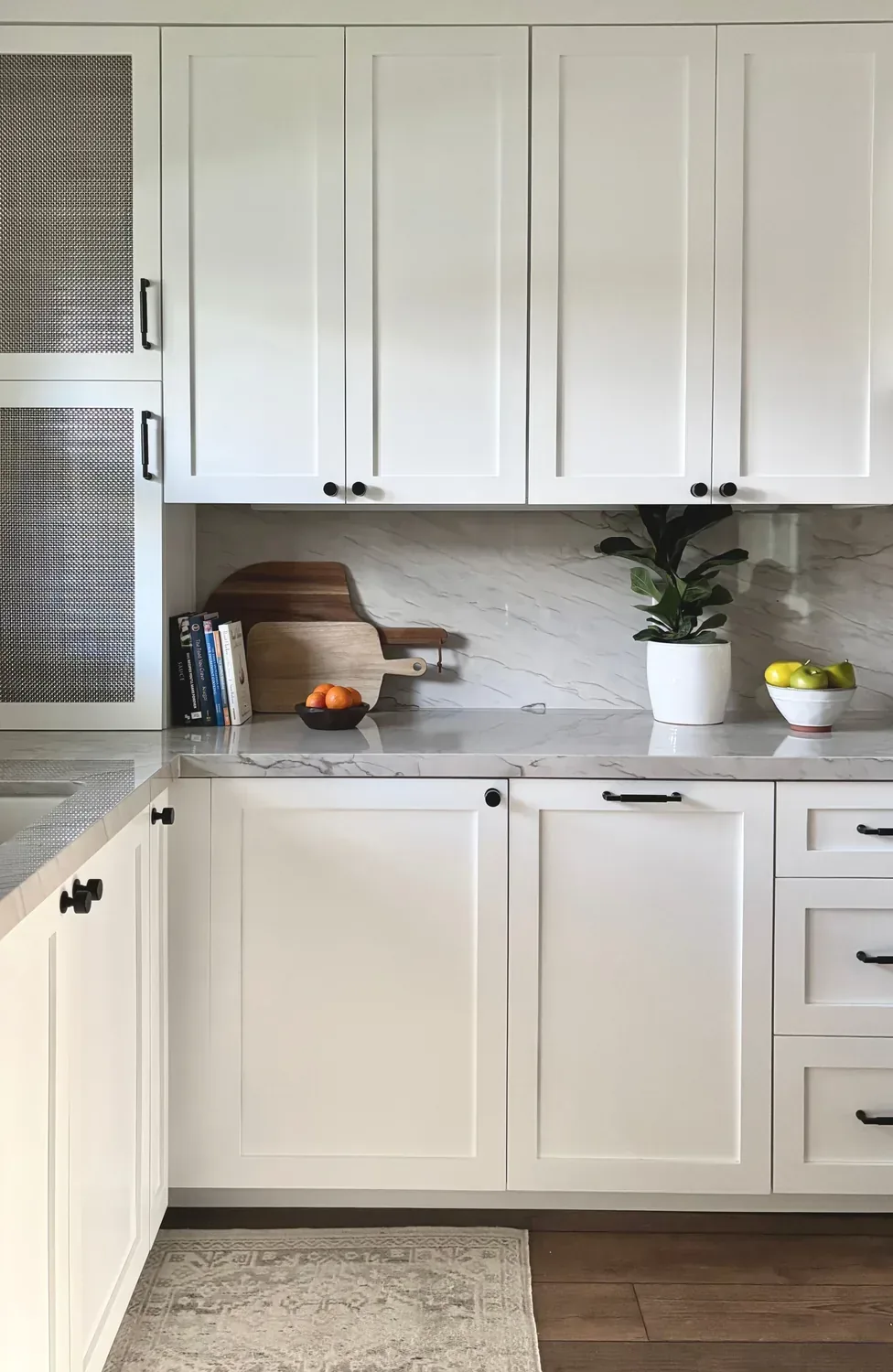
A modern kitchen with white cabinetry, marble countertops, a potted plant, cutting boards, and bowls of fruit.

Material Choices and Their Impact on Budget in Belvedere Homes

Authenticity-grade materials

  • White oak (rift-sawn), for floors and slat detail; calmer grain than plain-sawn
  • Historical glass, for replicating original windows and doors
  • Custom plaster, for authentic crown moldings and wall finishes
  • Vintage brass hardware, for period-appropriate fixtures
  • Reclaimed wood, for beams and accents, preserving character
  • Ceramic or handmade tiles, for authenticity in kitchens and baths
  • Authentic paint finishes, like milk paint or limewash for period accuracy
  • High-quality insulation, to meet modern standards without damaging historic surfaces

Generic-grade tells we refuse to spec

  • Standard MDF millwork, less authentic and more prone to damage
  • Mass-produced hardware, cheaper but less character
  • Synthetic or faux finishes, lack authenticity and durability
  • Low-cost tile, may crack or stain over time
  • Basic drywall finishes, which can obscure historic details
  • Off-the-shelf lighting fixtures, lacking regional or period appeal

Why Belvedere’s Architectural Heritage Influences Renovation Costs

Belvedere’s historic architecture and scenic landscape strongly influence renovation costs and project choices. The region’s homes often feature intricate woodwork, preserved historic windows, and original masonry that require specialized restoration techniques. These details are part of Belvedere’s charm but come with a premium. The landscape and views also influence design decisions, pushing homeowners toward larger windows, extensive landscaping, and structural reinforcements that can escalate costs.

In our experience, regional regulations and preservation guidelines, such as those from the Community Development Department of Belvedere, add layers of permitting and review that can extend timelines and increase expenses. The local market’s high land value and limited supply of skilled craftsmen further contribute to budget sensitivity. For homeowners seeking to modernize without losing their home’s character, understanding these regional factors is essential. For a regional perspective on interior design strategies in Belvedere, visit our San Rafael hub.

Balancing preservation with innovation often means making tough decisions about scope, materials, and timelines, but informed planning helps avoid surprises and keeps budgets under control.
A modern bathroom vanity with white cabinetry, black hardware, a marble countertop, black faucet, and decorative plants
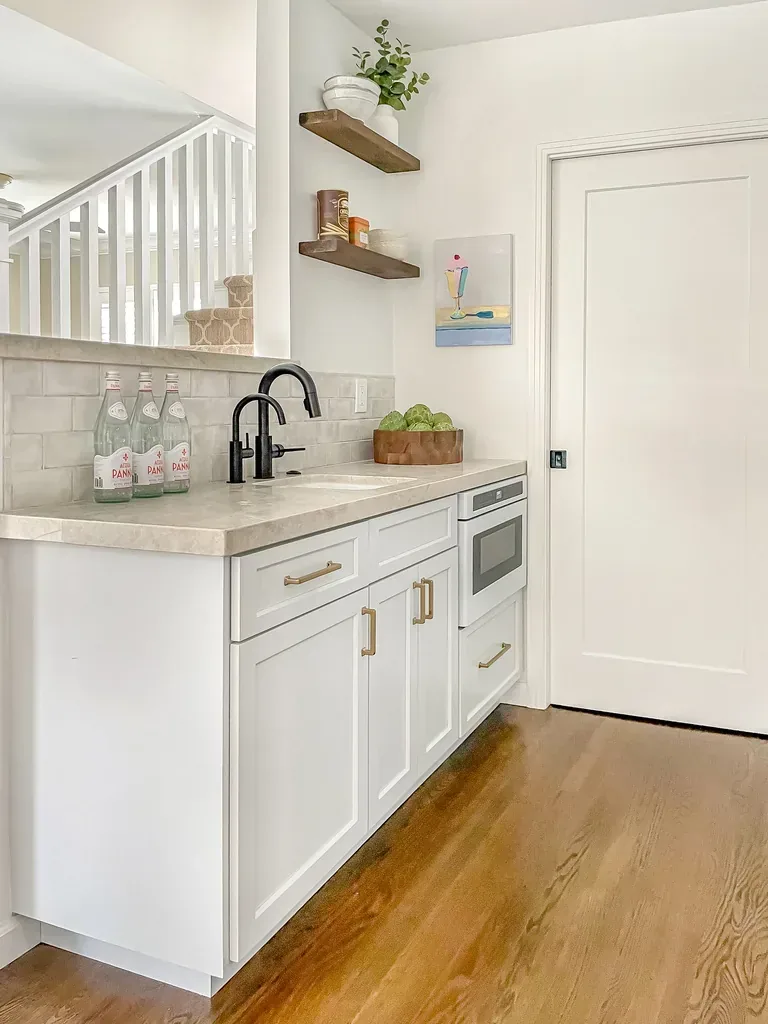
A modern kitchen area with white cabinetry, black faucet, beige countertop, wooden floating shelves, and a built-in microwave.

Should You Remodel or Rebuild in Belvedere?

Homeowners in Belvedere often struggle with whether to renovate their existing historic home or consider a rebuild. The first question we ask is what decision is most aligned with their long-term goals and budget. Renovation can preserve character but risks uncovering hidden issues that inflate costs, especially with older structures. Rebuilding offers a chance to customize more precisely but involves higher upfront costs and stricter permits.

In a typical case, a homeowner near Belvedere Avenue wanted to expand their primary suite. They hesitated because they loved the original architecture but worried about structural issues. After a detailed assessment using a measuring tape and permit research, we found that the foundation was sound, and the scope could be limited to a careful reconfiguration of the interior footprint. This approach avoided a costly rebuild and maintained the home's historic charm. The key is to assess structural integrity early, consult with local authorities, and weigh the value of preserving character against the cost of new construction. The decision often hinges on the home's age, condition, and the homeowner’s vision for the future.

What Adds the Most Value in Belvedere Renovations?

In Belvedere, the biggest value drivers are often kitchen upgrades, primary suite enhancements, and smart home integrations. The first question homeowners face is which projects will deliver the highest ROI while respecting the home’s historic integrity. For example, a well-executed primary suite renovation with quality finishes and space maximization can significantly boost home value without extensive structural work.

Using an ROI table, we see that kitchen upgrades typically offer a 70-80% return, especially when including quality appliances and custom cabinetry. Conversely, adding an accessory dwelling unit (ADU) can double the property’s rental value but involves more complex permitting and foundation work. In Belvedere’s land market, smart-home features like automated lighting and climate control are increasingly popular and can add considerable appeal without altering the home’s historic fabric. The secret is to focus on improvements that preserve character while enhancing functionality and value.

How to Modernize an Older Belvedere Home Without Losing Its Character?

The key challenge is balancing contemporary updates with the preservation of historic details. The first question homeowners ask is how to incorporate modern amenities without compromising the home’s aesthetic. Our approach involves selective updates: installing high-efficiency systems behind period-appropriate facades, choosing authentic materials for visible surfaces, and maintaining original moldings and trim.

For example, in a recent project, we kept the original plaster walls and historic millwork but integrated a modern HVAC system with discrete vents and smart controls. This approach respects the home’s soul while delivering modern comfort. The American Institute of Architects emphasizes that thoughtful design can honor history while providing today's conveniences. In Belvedere, where land and architectural character are precious, the goal is to enhance livability without erasing the visual story of the home.

What Are the Most Common Hidden Costs During Belvedere Renovations?

Hidden costs often surprise homeowners in Belvedere due to the region’s unique landscape, historic preservation rules, and aging infrastructure. The first question is what hidden issues might be lurking behind visible features. Common unexpected expenses include discovering structural damage, moisture intrusion, or outdated systems that require complete replacement. For example, during a recent project, what was thought to be a simple upgrade revealed compromised framing and old electrical wiring that needed urgent attention.

The American Society of Interior Designers highlights the importance of early assessments, including detailed inspections and permit research, to identify potential pitfalls. Failing to anticipate these hidden issues can lead to project delays and costs that double initial estimates, often exceeding six figures in high-value neighborhoods like Belvedere.

Being prepared with thorough inspections and contingency funds is essential to avoid these surprises and keep the project on track.

Observed Failure Modes, How Top 8 Reasons Belvedere Renovations Go Over Budget Goes Wrong

From our project debriefs and post-occupancy reviews, 2023-2026.

Underestimating Architectural Detail Costs

Many homeowners assume that restoring or replicating historic architectural details will be straightforward and inexpensive. The first sign of trouble is when a project budget is set based on standard finishes, only to find that bespoke moldings, period-specific windows, or handcrafted woodwork require highly skilled artisans and authentic materials. This often results in costs doubling or tripling initial estimates. The cure lies in early assessment and involving specialists familiar with historic restoration, especially in Belvedere’s character-rich homes. The lesson: always factor in a substantial contingency for authentic finishes and be prepared for the premium craftsmanship that regional preservation demands.

Scope Creep Due to Structural or Hidden Issues

It’s common for scope creep to occur when homeowners or contractors uncover hidden problems like old wiring, moisture damage, or foundation issues once demolition begins. This typically leads to unexpected expenses and project delays. For example, during the Southgate Project, a simple kitchen upgrade revealed compromised framing that was not apparent from permit drawings or initial inspections. Using tools like a light meter and permit research, we discovered that the scope had to expand to include structural reinforcement, adding over $25,000 to the budget. The fix is to conduct comprehensive pre-construction assessments and include a realistic contingency for unforeseen issues, especially in older homes where hidden problems are prevalent.

Material Upgrades and Finish Choices

Choosing high-end or period-appropriate materials often leads to budget overruns. Homeowners may start with a specific budget but then opt for custom cabinetry, authentic tile, or specialty finishes that significantly increase costs. The American Society of Interior Designers emphasizes that material selection should be made early, with clear understanding of their impact on the overall budget. For Belvedere homes, investing in genuine materials like reclaimed wood or handcrafted fixtures enhances character but requires careful planning to avoid overspending. The key is balancing authenticity and budget by prioritizing essential details and considering more cost-effective alternatives where possible.

Permitting and Regulatory Delays

Local permitting processes in Belvedere can be complex due to historic preservation and zoning rules. The initial permit application might be straightforward, but unexpected reviews or additional approvals can cause delays and costs. During a recent project, permit review uncovered additional requirements for structural reinforcement due to historic preservation guidelines, adding several months to the timeline and thousands of dollars in fees. The American Institute of Architects highlights the importance of early permit research and engaging with local authorities to understand restrictions. Proactively planning for these regulatory hurdles can help manage expectations and avoid budget surprises.

Unforeseen Structural or Mechanical Issues

Older homes in Belvedere often harbor hidden structural or mechanical issues that are not visible until work begins. Discovering outdated electrical wiring, plumbing, or compromised framing can quickly escalate costs. For example, in the Southgate Project, a simple renovation revealed fire code violations and outdated systems that needed complete overhaul. Using a permit department review and walk-throughs, we identified these issues early, but the costs were still significant. The best approach is thorough pre-construction investigations and allocating a contingency for surprise repairs, especially in homes with original systems that have aged out.

What's Going Out for 2026

  • Ignoring regional preservation rules
  • Underestimating hidden structural issues
  • Choosing low-quality or inappropriate materials
  • Skipping detailed pre-inspections
  • Failing to include a contingency fund
  • Overlooking local permitting complexities
  • Assuming older homes are trouble-free
  • Neglecting to plan for scope creep
  • Ignoring the regional supply chain fluctuations

What Top 8 Reasons Belvedere Renovations Go Over Budget Costs in 2026

ScopeBelvedere / Bay AreaSacramento
Refresh scope, minor updates$75K-$150K$50K-$100K
Mid-tier renovation with upgrades$200K-$400K$150K-$300K
Estate-scale overhaul or rebuild$600K-$1.2M$400K-$800K

Local permits & planning

Working Notes

What We Have Learned Doing This: Top 8 Reasons Belvedere Renovations Go Over Budget

“The best money spent on a renovation is spent before it starts.”

Order the long-lead items before anything else and design the sequence so the rest of the job can proceed without them. The appliance, the stone, the custom millwork set the schedule, and pretending otherwise is how a project loses a month it never gets back.

Most of the money that gets wasted is spent solving the wrong problem confidently. A homeowner asks for more space, every contractor agrees and prices an addition, and the real issue turns out to be light, or proportion, or one bad sightline. We make the room tell us the problem before anyone signs a demolition contract.

Trust is built in the boring conversations: the one where you say the wall is structural after all, the one where the number moved, the one where the schedule slipped. Clients forgive reality. They do not forgive being surprised by it.

These notes come from our own top 8 reasons belvedere renovations go over budget project debriefs. Most were learned the expensive way the first time.

Sources & Professional References

This guide's positions on structure are grounded in published building-code, standards, and recognized design-authority sources, alongside Designed | Curated Interiors' verified credentials and active project files:

Frequently Asked

What are the top reasons Belvedere renovations go over budget?
Belvedere renovations often go over budget due to unique architectural features, historical preservation requirements, scope changes, hidden structural issues, material price increases, permitting delays, and regional regulations.
How do historical preservation requirements affect renovation costs in Belvedere?
Preserving or replicating historic details like crown moldings and original windows requires specialized craftsmen and authentic materials, which are more expensive, increasing overall costs.
Why do scope changes often lead to budget overruns in Belvedere projects?
Scope changes, such as adding features or discovering hidden issues, can significantly increase costs as they may require additional materials, labor, or structural repairs not initially planned.
How do regional regulations and permits contribute to budget overruns?
Local permitting processes and preservation guidelines from the Community Development Department can extend timelines and add costs due to additional reviews, inspections, and compliance requirements.
What role do hidden structural issues play in budget overruns?
Hidden issues like outdated electrical, plumbing, or moisture damage often surface during renovations, requiring costly repairs that were not anticipated in the initial budget.
Why are material prices a common reason for budget overruns in Belvedere renovations?
Material costs, such as tile and cabinetry, can increase unexpectedly over time, especially when allowances are based on outdated quotes, leading to budget adjustments.
What tips can help prevent budget overruns in Belvedere home renovations?
Establish a clear budget with a 10-20% contingency, conduct early assessments for hidden issues, prioritize scope, and maintain regular communication with contractors to stay on track.

From Top 8 Reasons Belvedere Renovations Go Over Budget to a Real Room

A trend piece is the briefing document, not the deliverable. The pages below show how we translate these principles into finished rooms across Belvedere and the rest of Northern California.

Start a Project Conversation →

Call (916) 756-5977Book a Consultation