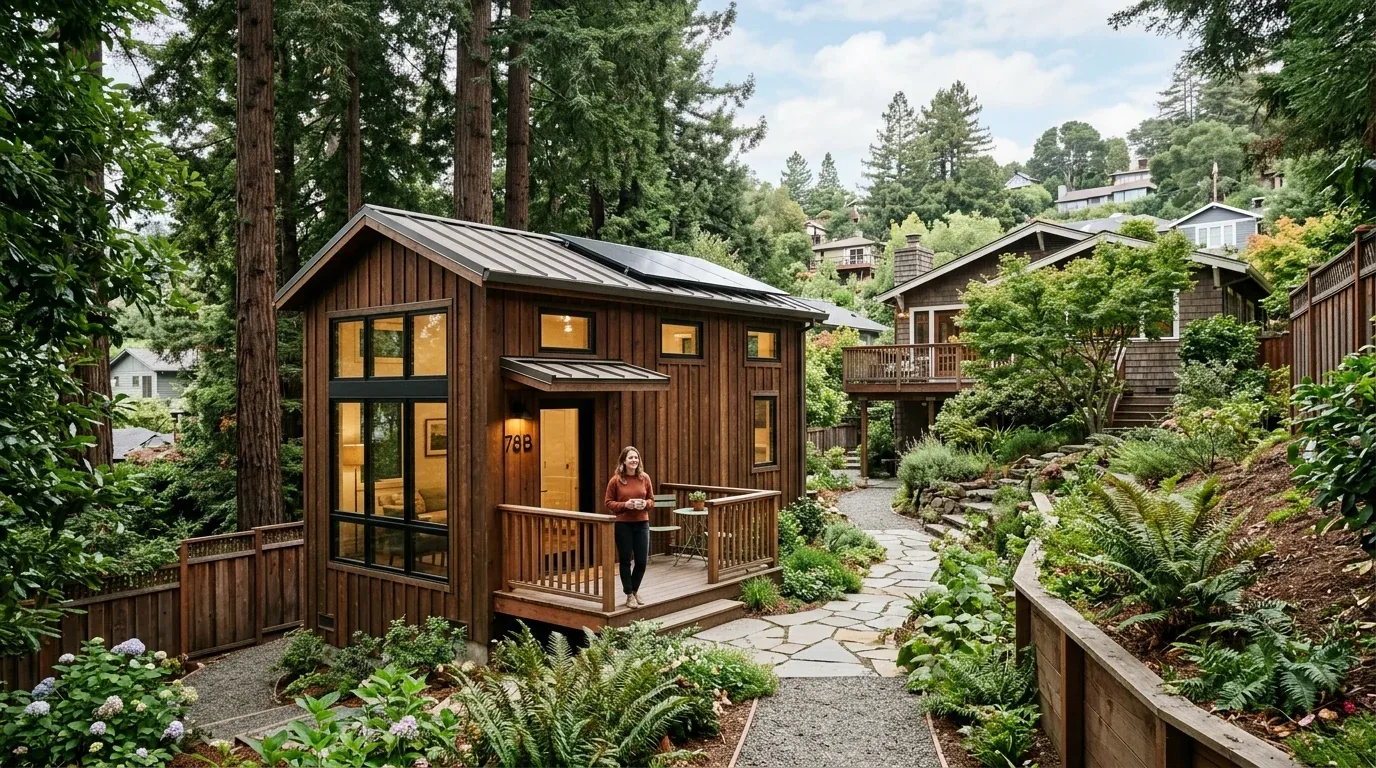
Finding a professional interior designer in Vacaville to help with your home or business project is straightforward when you know who to trust. Vacaville designers? They know the area. Check their past work and see if it fits your style.
Let's talk local designers. We'll cover what they offer, cost ranges, and how they work with Vacaville's buildings. Our perspective emphasizes a warm-restraint approach, blending current trends with timeless design principles that resonate locally. Whether you’re remodeling a historic home or updating a commercial space, this post will help you make informed decisions rooted in real-world experience and local insight.
Common Questions
| What should I look for in a Vacaville interior designer? | You need someone with hands-on experience in the area—like me, who’s worked on projects in Marin and Sacramento County for over a decade. Check for a portfolio that shows real results, not just staged photos, and ask for references from clients who’ve had similar scopes (remodels, new builds, or historic updates). I don’t do generic ‘interior design’; every project starts with a deep dive into the home’s structure, existing issues, and what the client actually needs—not what they think they want. |
| How does a Vacaville interior designer incorporate local context into their work? | It’s not about slapping on a ‘Vacaville aesthetic’—it’s about understanding the hidden problems in the region’s homes. For example, older Craftsman-style homes here often have poor moisture control in kitchens, while modern builds in the foothills deal with uneven humidity. I pull permits, talk to local contractors, and use tools like moisture meters to spot red flags before they become disasters. Climate data matters too: if you’re in a high-humidity zone, you’re not picking finishes based on looks alone. |
| Are there specific design styles that suit Vacaville homes? | Not really—what works depends on whether you’re dealing with a 1920s bungalow, a 2010s tract home, or a mid-century modern. But the *real* styles here are the ones that account for the city’s quirks: reclaimed redwood for historic homes (it’s durable and matches the existing architecture), low-VOC paints for older structures with poor ventilation, and sealed concrete countertops in kitchens prone to leaks. I’ve seen clients spend $50K on a ‘stylish’ kitchen only to have it fail because they ignored the plumbing. Style follows function here. |
| When should I hire a Vacaville interior designer for my project? | Before you sign contracts with contractors—or, worse, start demolition. I’ve walked into projects where clients had already spent $30K on cabinets and flooring, only to find a $300 plumbing fix would’ve saved them from a mold remediation bill. If you’re remodeling, building new, or dealing with a home over 30 years old, bring in a designer who’ll inspect the space first. I don’t do ‘pretty pictures’; I do damage control. Hire me when you’re ready to hear the truth, not just what sounds good. |
Vacaville Interior Designer 2026 at a Glance
| Element | In | Out |
|---|---|---|
| Expertise | Emphasis on local expertise | Using generic national trends |
| Project Type | Focus on residential and commercial projects | Overlooking local community ties |
| Materials | Trend toward sustainable materials | Ignoring sustainable options |
| Community Involvement | Designers with strong community ties | Choosing unfamiliar designers |
| Pricing | Affordable pricing structures | High costs with no transparency |
| Design Style | Specialists in modern and traditional styles | Limited style expertise |
| Availability | Responsive local contacts | Unresponsive contacts |
| Recognition | Recognition and awards in Vacaville | Lack of local awards |
The First Major Design Move: Understanding Local Context
In our work across Vacaville, the first step is always understanding the local landscape. People near Peabody Road thought bright paint would fix everything. Too often, it's wall color and fixtures taking the blame, missing the real issues under the surface. We often see clients and contractors alike proposing costly additions or oversized fixtures, believing these will solve the issue.
On the Odessa Project, a homeowner wanted to expand their kitchen and brighten the space. Every contractor suggested an addition and a new oversized range hood, pushing the budget well into six figures. During a daylight study, using a light meter and a measuring tape, it became clear the problem wasn’t the fixtures but the room’s orientation and window placement. The deep eaves and small north-facing window limited daylight, regardless of paint color or fixture size. The real fix was a subtle reconfiguration of furniture and window treatments that optimized natural light without structural changes. The North Bay’s summer sun made understanding orientation even more critical. This experience taught us that in Vacaville, light and layout often outweigh superficial design choices when creating bright, welcoming spaces.
Material Specificity: Authentic Choices for 2026
Authenticity-grade materials
- White oak (rift-sawn), for floors and slat details; calmer grain than plain-sawn, adds warmth and authenticity.
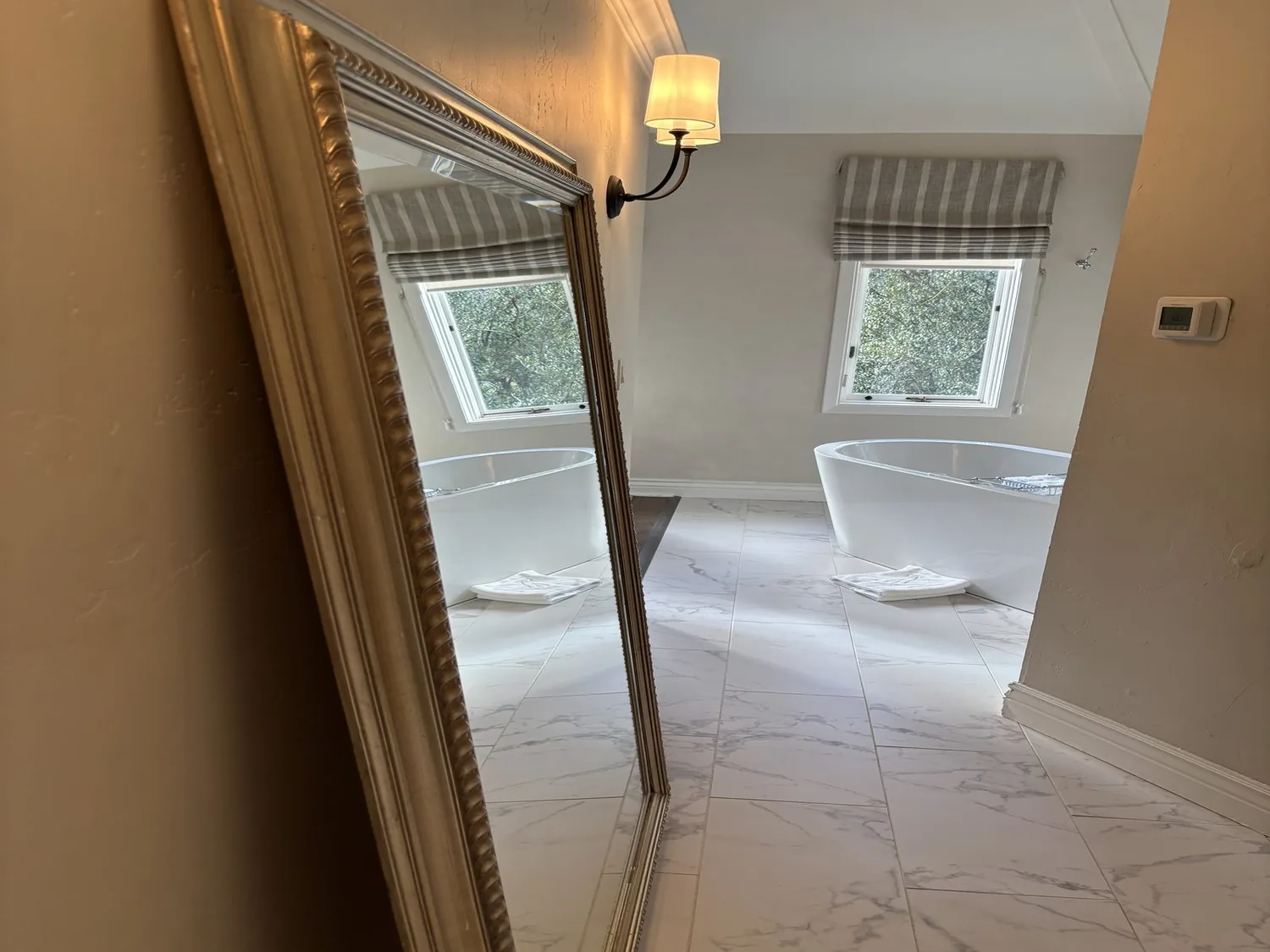
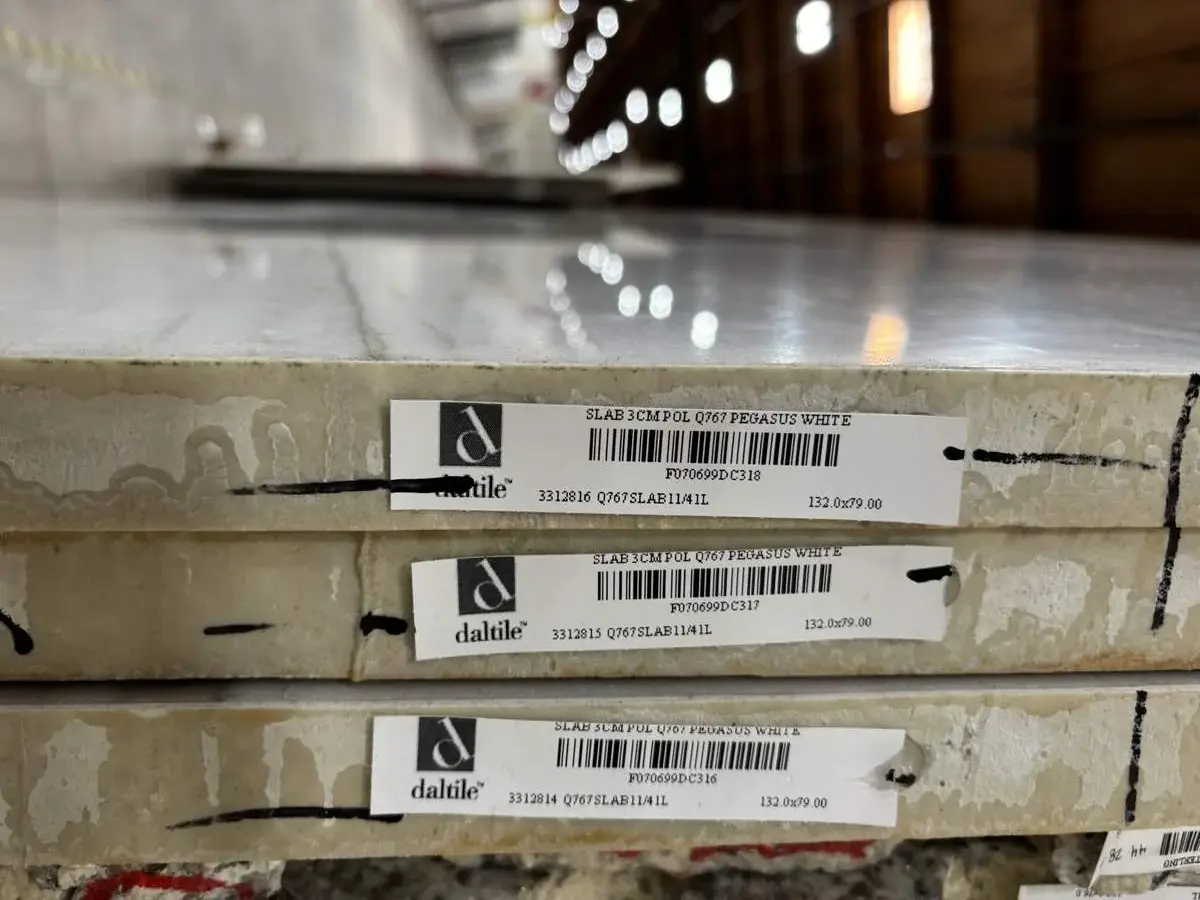
- Calacatta marble, for countertops and accents; timeless elegance with subtle veining.
- Brass hardware, durable and warm finish, complements both modern and traditional styles.
- Matte black fixtures, current trend for contrast and sophistication.
- Reclaimed barn wood, for accent walls or shelving; sustainable and rich in character.
- Porcelain tiles, high durability for kitchens and baths, mimicking natural stone.
- Natural linen fabrics, for window treatments and upholstery; soft, breathable, and authentic.
- Low-VOC paints, for healthier indoor air quality, aligned with sustainability goals.
Generic-grade tells we refuse to spec
- Standard laminate flooring, non-durable and less authentic.
- Mass-produced granite, inconsistent quality and environmental impact.
- Chrome fixtures, less warm than brass or matte finishes.
- Synthetic fabrics, less breathable and authentic.
- Pre-finished MDF cabinets, lower quality and less character.
- VOCs in typical paints, not aligned with current health standards.
Why Vacaville's Unique Landscape Shapes Design Trends
Vacaville’s architectural stock ranges from historic farmhouses to modern builds, each with distinct needs. Materials and layouts here? Think shaded areas, reflect light where you can. Summer sun in Vacaville? We know how to keep spaces bright. Design choices vary: rustic areas love reclaimed wood; modern spots want sleek finishes.
In Northern California, designs must balance historic and modern, knowing codes well. Our designs fit Vacaville. They bring out neighborhood character and include new trends. To explore more about our approach in Vallejo and surrounding areas, visit this link to our Vallejo hub.
Should You Remodel or Rebuild in Vacaville?
The key decision homeowners face in Vacaville is whether to update an existing home or start fresh. The first question we ask is: what is the condition of the structure and the foundation? If the bones are solid but the style's gone stale, keep the soul intact while updating it. Saves money. A shaky layout or weak foundation? Sometimes a full rebuild is your friend, better investment. Near Peabody Road, preserving the style of an older house can offer real benefits. Upgrade to smarter lighting. Or think about a more efficient layout.
The kitchen in that 1960s ranch screamed for an update. Modernize while keeping that open plan feel. That's what the owners wanted. After assessing the permit history and structural elements using site photos and permit research from the local building department, we identified load-bearing walls that could be modified without full rebuild. Saved $75k, charm intact. The takeaway is that in Vacaville, understanding the existing structure and local codes is crucial to making cost-effective decisions that balance character with modern needs.
What This Costs in 2026
| Scope | Vacaville / Bay Area | Sacramento |
|---|---|---|
| Basic refresh with new finishes and fixtures | $30K-$75K | $20K-$50K |
| Mid-tier renovation including layout updates and durable materials | $75K-$200K | $50K-$120K |
| Estate-scale rebuild or extensive remodel with structural changes | $250K-$1M | $150K-$500K |
Local permits & planning
Working Notes
What We Have Learned Doing This: Vacaville Interior Designer
“Every budget has a hidden line item: the things nobody measured.”
The cheapest tool on any project is a sample board and an afternoon. We have watched five-figure mistakes get caught by a fifteen-dollar paint sample lived with for a week in the actual light of the actual room. What looks good in showroom lighting can fail in your actual home setup.
Order items with long lead times first, then plan so everything else can continue without delays. Appliances, stone, and custom millwork. They set your timeline. Ignore that, and you lose a month you'll never get back.
After enough jobs, you stop fearing bad taste and start worrying about boring stuff like delays or a frame not matching the plans. Looks matter, sure. It's why clients hire us. But if things aren't built right, the design never sees the light of day.
These notes come from our own project debriefs. Most were learned the expensive way the first time.
Sources & Professional References
This guide's positions on materials are grounded in published building-code, standards, and recognized design-authority sources, alongside Designed | Curated Interiors' verified credentials and active project files:
- American Society of Interior Designers (ASID): interior-design practice standards
- International Code Council (ICC): Chapter 8 Interior Finish Decorative Materials And Furnishings
- Community Development (Building), Vacaville (Solano County) building permit portal
- NKBA, Amy Kunst Member Profile (verified credential, NKBA Committee Member)
- Featured in: Homes & Gardens (design expert quote, May 2026) · Sacramento Love (guest author, 2024)
From Principle to a Real Room
A trend piece is the briefing document, not the deliverable. The pages below show how we translate these principles into finished rooms across Vacaville and the rest of Northern California.
- Sacramento & Bay Area Interior Design Services How we scope, source, and deliver work end to end.
- Interior Designer Hub, Vacaville Where most of our Vacaville work lives, the regional fit explained.
- Modern Tudor Homes: Authentic, Revival, and Neo-Tudor (A Designer Reference) Heritage-architecture renovation patterns from our project files.
- Japandi Living Room: A Designer's Guide to the 2026 Look The 2026 warm-neutral playbook applied to the living room.