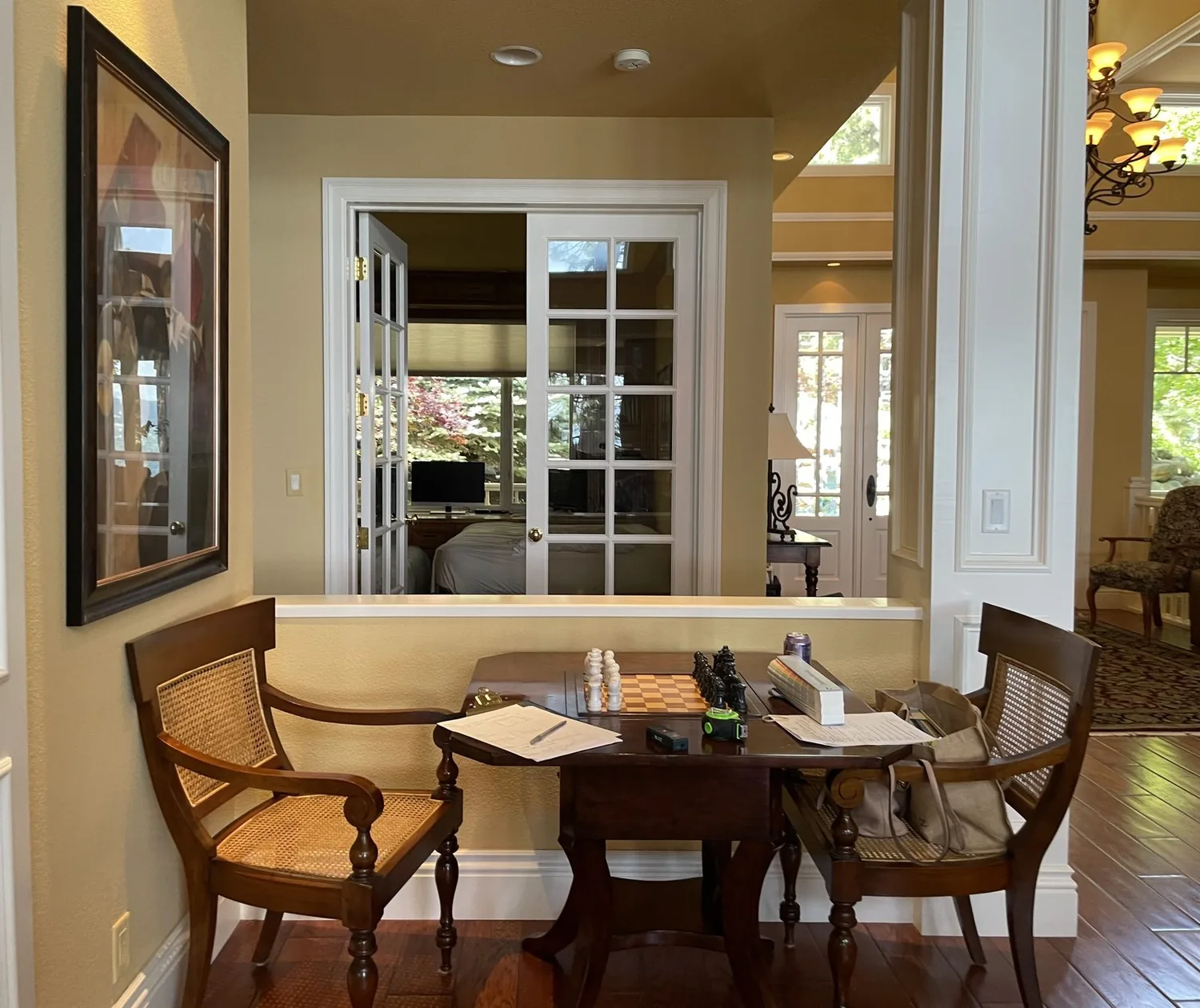
In 2026, harmony in interior design means creating spaces where elements flow seamlessly, balancing visual comfort with a sense of calm. It involves a nuanced integration of materials, colors, and spatial relationships that foster a cohesive environment. This evolving concept emphasizes subtlety, personalization, and technological integration, moving beyond mere aesthetics to a deeper sense of well-being within interiors.
Built from our active project files, this post explores how harmony is shifting in 2026, highlighting key principles, popular styles, technological influences, and regional nuances specific to Sacramento. We’ll cover the principles defining future harmonious spaces, examples of trending interiors, the impact of new materials and digital tools, and how sustainability and cultural influences are shaping the way we approach harmonious design today and tomorrow.
Direct Answers (What Does Harmony Mean In Interior Design 2026)
| What does harmony mean in interior design in 2026? | In 2026, harmony in interior design means creating spaces where elements flow seamlessly, balancing visual comfort with a sense of calm through subtle textures, warm palettes, and personalized integration of materials and technology. |
| How is harmony achieved in Sacramento's interior design? | Harmony in Sacramento is influenced by regional light, landscape, and architectural styles, emphasizing balanced, calm aesthetics with regional materials, textures, and color choices that reflect the local environment. |
| What role do materials play in creating harmony in 2026? | Materials like rift-sawn white oak, linen textiles, and matte finishes are favored for their understated elegance and tactile quality, helping to foster authentic, timeless harmony. |
| Why is subtlety important in achieving harmony in interior design? | Subtlety promotes calm and comfort by avoiding bold contrasts, instead focusing on layered textures and muted colors that evoke relaxation and mental clarity. |
The Rise of Subtlety and Personalization in Harmonious Design
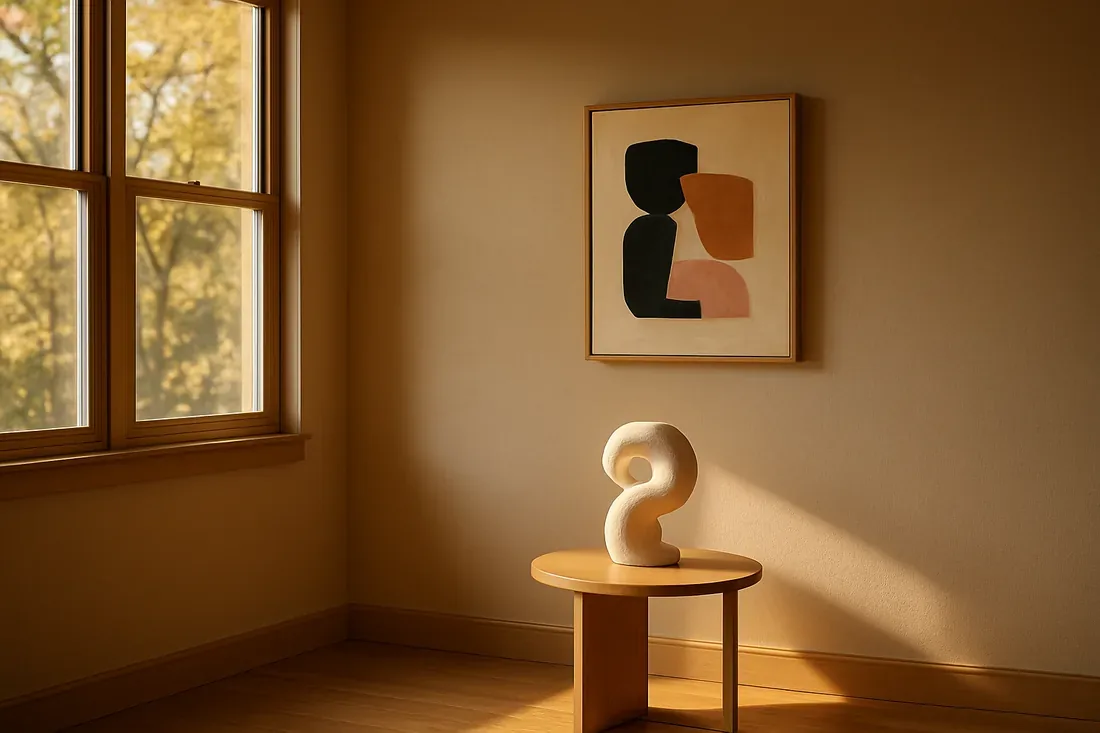
In 2026, harmony in interior design is increasingly defined by a move away from bold contrasts and ornate details toward subtlety and personal expression. Across our active project specifications, we see a growing preference for soft, layered textures and warm, muted color palettes that evoke calm and comfort. Materials like rift-sawn white oak for flooring, linen textiles, and matte finishes on cabinetry are favored for their understated elegance and tactile quality. The American Society of Interior Designers emphasizes that spaces should foster well-being, which is reflected in the focus on tactile comfort and visual softness.
This shift is driven by a desire for interiors that promote mental clarity and relaxation, especially as digital integration becomes more seamless. Designers are combining traditional craftsmanship with modern tech, such as automated lighting that adjusts to circadian rhythms, to create environments that are both functional and emotionally resonant. As a Sacramento-based designer, I notice that regional light levels and landscape views are influencing color choices and material textures, making harmony a uniquely personalized pursuit. The key is balancing technology and nature without sacrificing the human touch, which is increasingly central to our design approach in 2026.
Material Specificity Drives Authentic and Timeless Harmony
Authenticity-grade materials
- White oak (rift-sawn), for floors and slat detail; calmer grain than plain-sawn
- Linen textiles, for upholstery and curtains, offering tactile softness
- Matte ceramic tiles, for surfaces, minimizing glare and emphasizing texture
- Reclaimed wood, for accent features, emphasizing sustainability and warmth
- Bronze hardware, for a subtle, warm metallic accent
- Low-VOC paints, for healthier indoor environments
- Silk and wool rugs, for layered texture and acoustic softness
- Cork flooring, for comfort and eco-friendliness
Generic-grade tells we refuse to spec
- Pressurized laminate, often looks cheap and lacks natural texture
- High-gloss finishes, can feel cold and over-reflective
- Plastic or faux materials, for durability but lack authenticity
- Overly bright or neon paints, clash with subtle harmony
- Mass-produced textiles, lack unique character
- Cheap hardware, tends to tarnish quickly
- Synthetic rugs, lack durability and natural feel
How Do I Choose Fixtures and Materials That Promote Harmony?
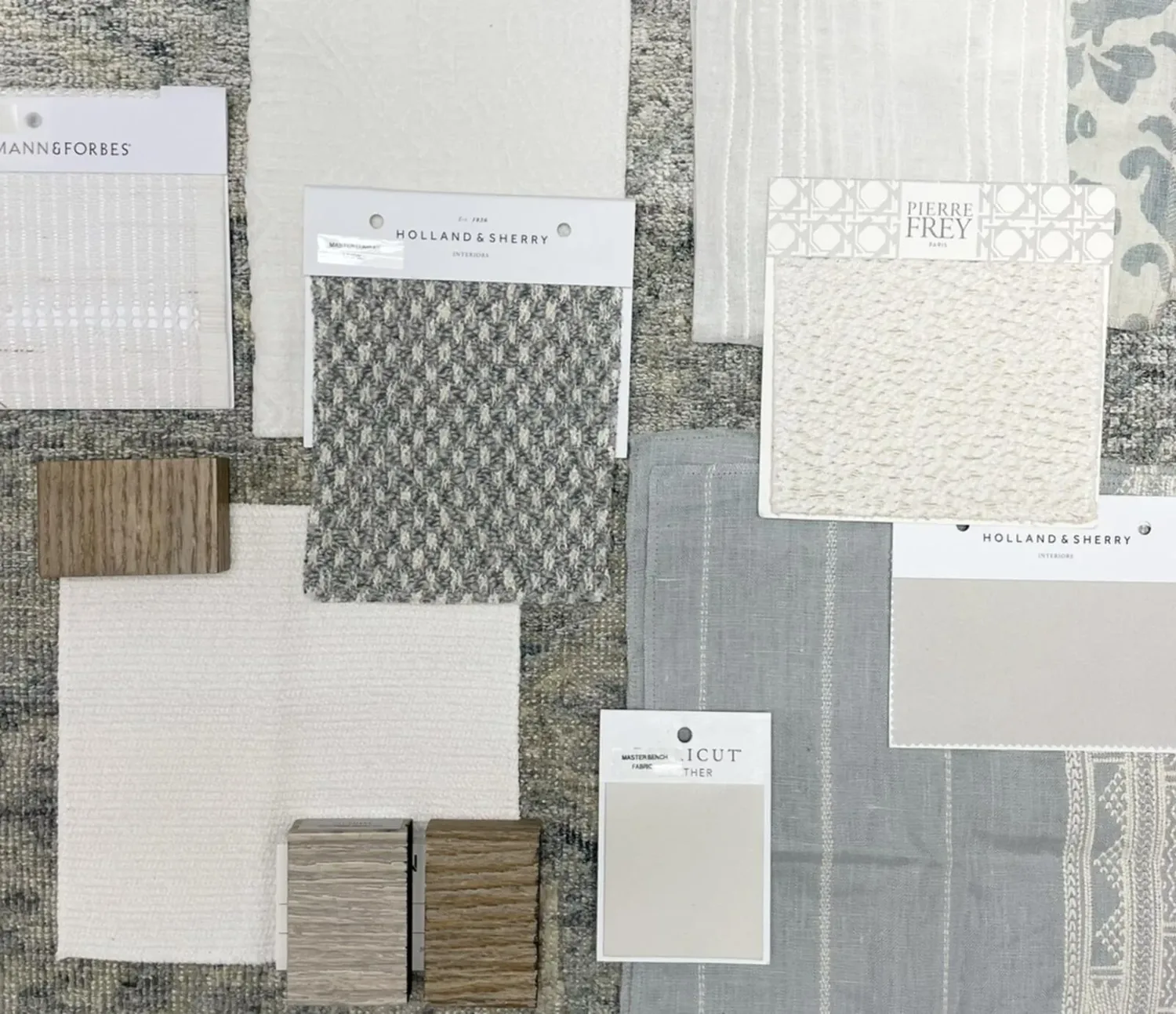
The homeowner’s real question is whether the fixtures and materials they select will create a cohesive look and feel. The first question we ask is: what is the primary mood or atmosphere you want to achieve? In 2026, harmony leans toward subtle, layered textures and warm, neutral palettes. For example, selecting a range hood like the Zephyr Slim with a matte finish and a Rejuvenation linen fabric for window treatments can help create a unified environment. When choosing fixtures, focus on finishes that complement each other, brushed brass, matte black, or bronze are versatile options that add warmth without overwhelming.
Material selection also plays a central role. Using reclaimed wood on cabinetry or accent walls, combined with low-VOC paints and natural stone countertops, supports a sustainable and harmonious aesthetic. The NKBA’s guidance on balanced material use emphasizes avoiding overly contrasting finishes that disrupt visual flow. It’s essential to consider how each element interacts within the space, ensuring they work together to establish a calm, cohesive environment.
What Are the Best Sizing and Specification Guidelines for 2026?
Deciding on the right size for fixtures like range hoods, islands, or lighting is crucial for harmony. Our first question is: what is the size of your space and how will it be used? For a typical Sacramento kitchen with a 36-inch range, a range hood with a depth of 12-15 inches and a capacity of 400-600 CFM is appropriate, ensuring both function and visual balance. For larger islands, a 48-inch width with a 24-inch depth often creates a proportional look in open layouts.
Ceiling height also influences fixture sizing. Modern standards favor 9-foot ceilings, which allow for statement lighting fixtures like layered pendants or chandeliers that add depth and harmony without crowding the space. The American Society of Interior Designers emphasizes that good proportions, neither too small nor overwhelming, are central to harmonious interiors. Carefully measuring and planning with tools like story poles and site photos helps ensure the fixtures fit perfectly and support the overall aesthetic.
Should I Opt for Custom or Stock Solutions for Fixtures and Finishes?
When selecting fixtures and finishes, the decision between custom and stock options is often driven by budget and timeline. Our first question is: what is your priority, cost, quality, or uniqueness? Custom millwork or fixtures from local fabricators tend to offer a tailored look and higher quality, but come with longer lead times and higher costs, often in the $20K to $50K range for a full kitchen upgrade in Sacramento. Stock options, such as those available from Wayfair or local suppliers, can be installed more quickly and at a lower price point, typically under $10K, but may lack the subtle detail that enhances harmony.
The NKBA emphasizes that selecting the right balance of quality and customization is key to achieving a space that feels both cohesive and personalized. For many clients, a combination of custom cabinetry with stock hardware and fixtures offers the best ROI, especially when space and budget are constrained. It’s essential to weigh the long-term value of durability and aesthetic consistency against initial costs and lead times.
What Are Common Mistakes That Make a Harmonious Interior Look Cheap or Dated?
One common mistake is overloading a space with trendy finishes that quickly go out of style, such as overly shiny metallics or neon accents. The second is ignoring scale, installing fixtures that are either too small or too large for the space, disrupting visual harmony. Finally, neglecting the importance of layering textures and materials can result in a flat, uninviting environment. In Sacramento, where homes often have historic or mid-century architecture, these missteps can be especially noticeable and costly to fix later. The key is to select timeless materials, maintain proper proportions, and incorporate subtle textural contrasts to create a balanced, enduring interior.
Observed Failure Modes, How What Does Harmony Mean In Interior Design 2026 Goes Wrong
From our project debriefs and post-occupancy reviews, 2023-2026.
Ignoring Light and Proportion
Designers often assume that adding more space or larger fixtures will automatically create harmony. The Mercy Project illustrates this mistake: homeowners believed that a bigger living area and oversized furniture would solve their flow issues. The contractor suggested expanding outward, which would have cost over $100,000 and taken months. During a walk-through, I used a story pole and cardboard mockups, and discovered that the real problem was inadequate natural light and poor spatial proportion. We reconfigured existing elements, added more glazing, and adjusted furniture placement, which restored harmony without costly expansion. The lesson: in Sacramento, understanding the root cause, light, scale, or layout, is essential to avoid unnecessary expense and preserve the home's character.
Choosing Contrasting Materials Without Balance
While contrast can add interest, excessive or poorly considered material juxtaposition can disrupt harmony. For example, pairing high-gloss lacquer cabinets with rough-textured stone countertops may look jarring if not carefully balanced. Across our active projects, we see that subtle layering and tonal coordination, using materials like matte ceramics and natural wood, create a more cohesive look. The mistake lies in overemphasizing trend-driven finishes without considering overall composition, which can make interiors feel chaotic or cheap. Achieving harmony requires a thoughtful approach to material pairing, favoring textures and tones that complement rather than compete.
Over-Decorating or Cluttering Spaces
Clutter and excessive ornamentation are frequent pitfalls that undermine harmony. In our Sacramento projects, clients often want to personalize spaces but risk overdoing it with too many accessories or bold patterns. The first question we ask is: what is the core aesthetic you want to communicate? Minimalism with layered textures often achieves a more calming, harmonious environment. The key is restraint, selecting a few meaningful decorative pieces and allowing negative space to breathe. Over-decorating makes spaces feel busy and detracts from the overall sense of balance and tranquility that defines 2026 harmony.
What's Going Out for 2026
- Overuse of bright, contrasting colors
- Heavy ornamentation or clutter
- Overly ornate or traditional furniture styles
- Dark, heavy materials that absorb light
- Excessive digital screens disrupting calm
- Ignoring regional light and landscape cues
- Rigid symmetry that feels forced
- Trendy finishes lacking longevity
What What Does Harmony Mean In Interior Design 2026 Costs in 2026
| Scope | Typical range |
|---|---|
| Basic refresh with updated finishes and textiles | $15K-$35K |
| Mid-tier renovation with custom cabinetry and smart features | $60K-$120K |
| Full estate-scale transformation with structural updates and high-end finishes | $250K-$600K |
Working Notes
What We Have Learned Doing This: What Does Harmony Mean In Interior Design: A Designer's Guide to the 2026 Look
“Sequence beats speed. Every time.”
After enough projects you stop fearing bad taste and start fearing the boring things: delays, sequencing mistakes, moisture behind a wall, an electrician improvising, framing that is not where the drawings swear it is. The aesthetic part still matters, it is why anyone hires anyone, but execution decides whether the room ever gets built the way it was drawn.
A renovation is a dependency chain, not a list of tasks. A two-day cabinet delay quietly becomes a two-week slip by week sixteen because every trade downstream is holding a calendar. The least glamorous part of this work, and the most valuable, is keeping that chain from cascading.
The cheapest tool on any project is a sample board and an afternoon. We have watched five-figure mistakes get caught by a fifteen-dollar paint sample lived with for a week in the actual light of the actual room. Decisions made under showroom lighting do not survive contact with a real house.
These notes come from our own what does harmony mean in interior design: a designer's guide to the 2026 look project debriefs. Most were learned the expensive way the first time.
Sources & Professional References
This guide's positions on materials are grounded in published building-code, standards, and recognized design-authority sources, alongside Designed | Curated Interiors' verified credentials and active project files:
- American Society of Interior Designers (ASID): interior-design practice standards
- International Code Council (ICC): Chapter 8 Interior Finish Decorative Materials And Furnishings
- NKBA, Amy Kunst Member Profile (verified credential, NKBA Committee Member)
- Featured in: Homes & Gardens (design expert quote, May 2026) · Sacramento Love (guest author, 2024)
Frequently Asked
What does harmony mean in interior design in 2026?
How is harmony achieved in Sacramento's interior design?
What role do materials play in creating harmony in 2026?
Why is subtlety important in achieving harmony in interior design?
Are digital and technological elements part of harmony in 2026 interiors?
From What Does Harmony Mean In Interior Design 2026 to a Real Room
A trend piece is the briefing document, not the deliverable. The pages below show how we translate these principles into finished rooms across Sacramento and the rest of Northern California.
- Sacramento & Bay Area Interior Design Services How we scope, source, and deliver work end to end.
- Interior Designer Hub, Sacramento Where most of our Sacramento work lives, the regional fit explained.
- What Does Dust Control During Home Renovations In Walnut | Interior Designer Related cluster piece referenced from the What Does Dust Control During Home Renovations In Walnut | Interior Designer build files.
- What Does Basement Finishing In Mabie | Interior Designer Related cluster piece referenced from the What Does Basement Finishing In Mabie | Interior Designer build files.
- Design-Build What An Interior Designer Does Gilroy Related cluster piece referenced from the Design-Build What An Interior Designer Does Gilroy build files.