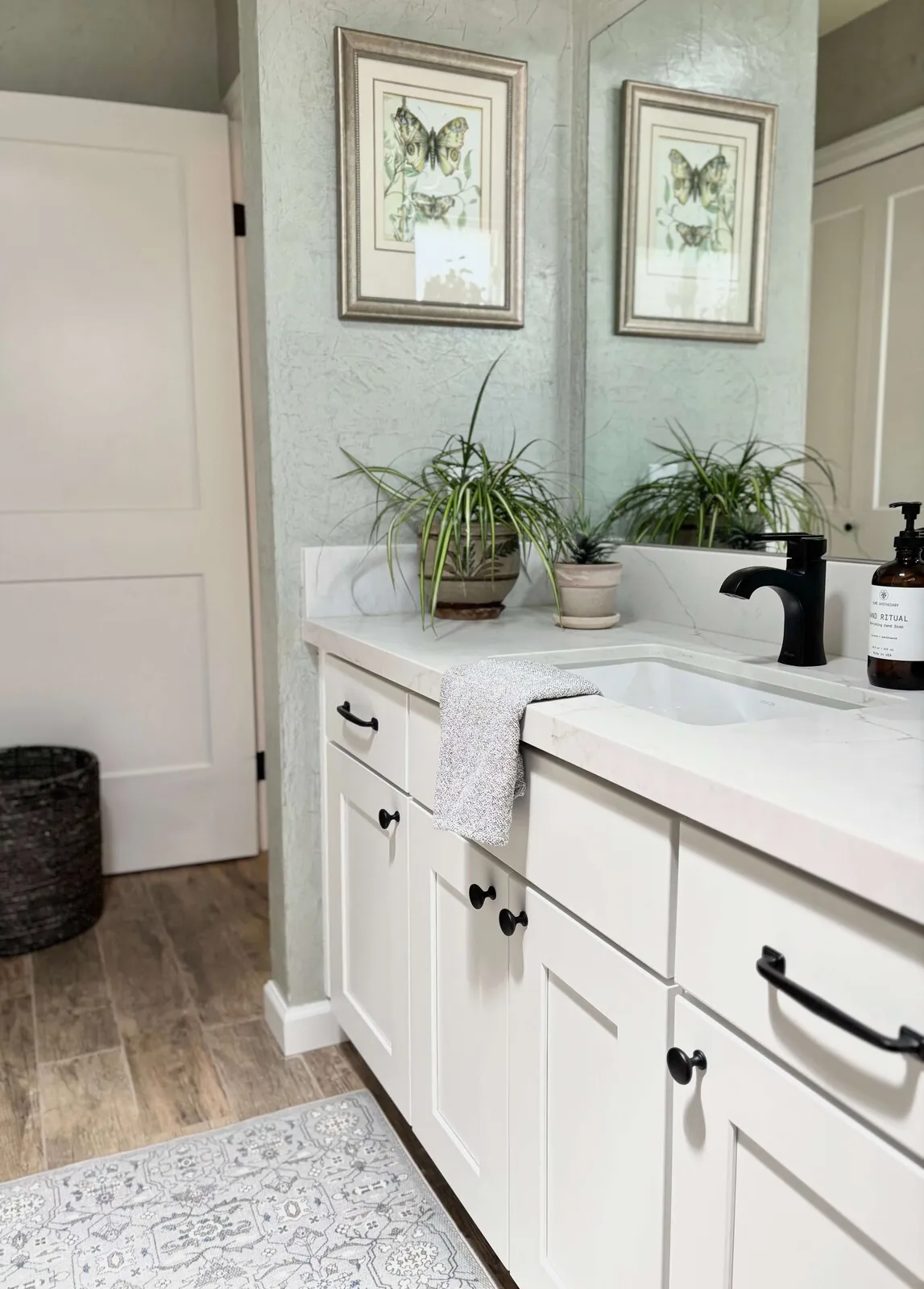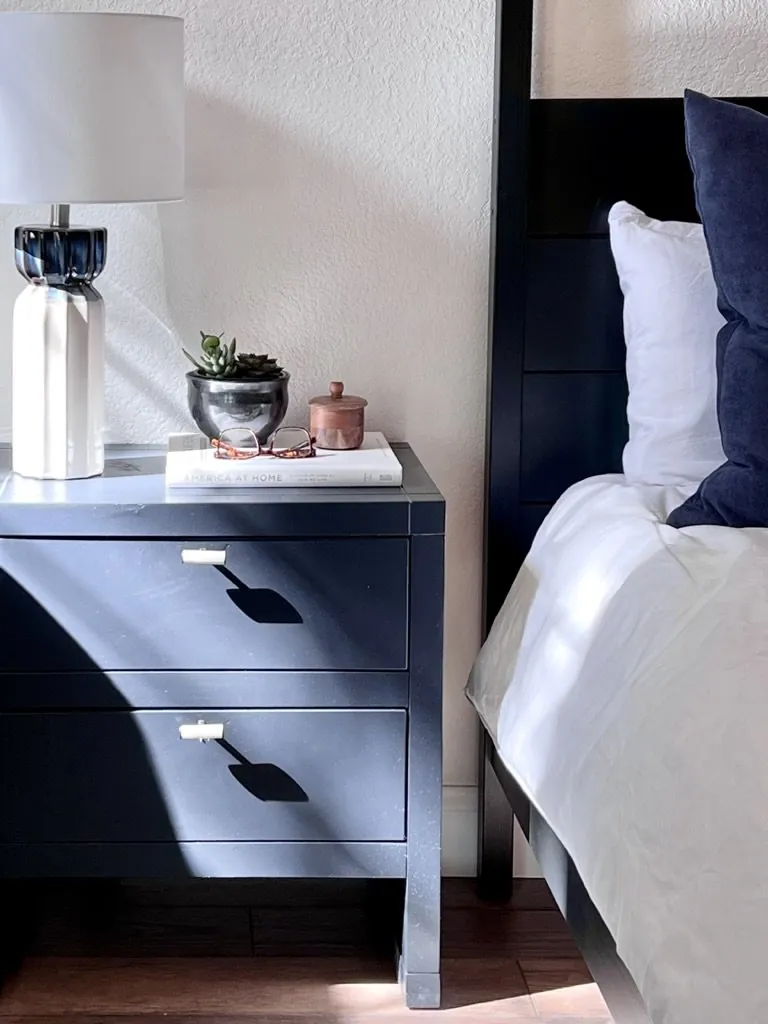
Vintage means objects are old, show real use, and belong to a past era. Usually not antique. Authentic vintage is from the past, not something new made to look old. In 2026, that distinction matters because warm restraint is replacing rooms assembled around obvious nostalgia. I'd pick one real walnut cabinet over five fake vintage pieces any day.
This guide covers what's vintage, how it differs from antique, materials that matter, wear signs, and provenance value. Recognize genuine vintage, mix with modern pieces, avoid overpaying for fakes.
Common Questions
| What defines something as vintage rather than antique? | Vintage items are old, show real use, and belong to a past era. They are usually not antique. |
| How do you recognize authentic vintage design? | Genuine vintage pieces carry real history, hand-cut joinery, original veneer patterns, and aged hardware. These physical traits distinguish period pieces from reproductions. |
| Why is material specificity important in identifying vintage items? | Materials matter for authenticity and period accuracy in vintage design. Specific physical properties confirm whether an element belongs to a given era. |
| What are some common mistakes when using vintage design in Sacramento homes? | Common mistakes include forcing an object's era onto the architecture instead of considering whether its scale, material, and silhouette belong in the room. Careful fit matters more than simply collecting old objects. |
Start With the Object, Not the Vintage Label
The first design move is to inspect the object before deciding where it belongs. Vintage is not a finish package. A walnut cabinet with hand-cut joints, original veneer, aged brass, and repairs tells a story. A new one sprayed brown does not. I check construction, fasteners, drawer boxes, veneer, finish, hardware, wear patterns. Wear should make physical sense. The front edge of a drawer gets handled. A chair seat wears where someone actually sits. Brass darkens in protected areas differently from places repeatedly touched.
Materials tell a lot. Walnut, teak, oak, rosewood, chrome, enameled steel, cane, wool, leather, marble, colored glass vary by period. The mix matters. A 1950s teak piece shouldn't look like an Arts and Crafts oak cabinet. A mid-century lamp with a heavy cast base and period socket tells a different story from a contemporary lamp with a retro shade. Brands such as Knoll, Herman Miller, Hans-Agne Jakobsson, Stilnovo, and Paul McCobb can provide useful reference points, but a brand name alone is not proof of age.
The National Kitchen and Bath Association's emphasis on function, ergonomics, and durable material selection is useful here because vintage pieces still have to work in a real room. Blocking traffic with a credenza is not smart design. In Sacramento homes, I use vintage pieces as focal points, not fillers.
Designer Decision Matrix: Which Approach Fits Your Home
How we actually decide: match your situation to what we would specify, and the reasoning behind it.
| Your Goal | Best Solution | Why We Recommend It |
|---|---|---|
| Lowest-cost vintage character | Use one authenticated small case piece or mirror rather than furnishing the whole room in vintage goods. | A single object with real patina creates a focal point without multiplying restoration, shipping, and sourcing costs. |
| Luxury finish | Pair a documented vintage piece with custom contemporary millwork and high-quality natural materials. | A vintage piece stands out without making everything look dated. |
| Small room | Choose a visually light vintage chair, lamp, or framed work instead of a large case piece. | Open leg profiles and reflective materials preserve sightlines, which matters in compact Northern California rooms where daylight often does much of the visual work. |
| 1990s Sacramento home | Use a mid-century wood piece, vintage textile, and period-inspired lighting while keeping the envelope contemporary. | The mix gives a builder-era house character without pretending the architecture came from another decade. |
| Contemporary look | Use one strongly aged object against quiet walls, simple upholstery, and restrained millwork. | Modern spaces let unique details pop instead of clashing. |
| Historic home | Prioritize original or period-compatible architectural elements before adding decorative vintage furniture. | Room elements like doors, trim, and floors set the tone; decor should complement them. |
| Resale-conscious homeowner | Keep permanent finishes relatively restrained and make the vintage layer movable. | A 1960s chair or light can add personality without committing a buyer to a theme. |
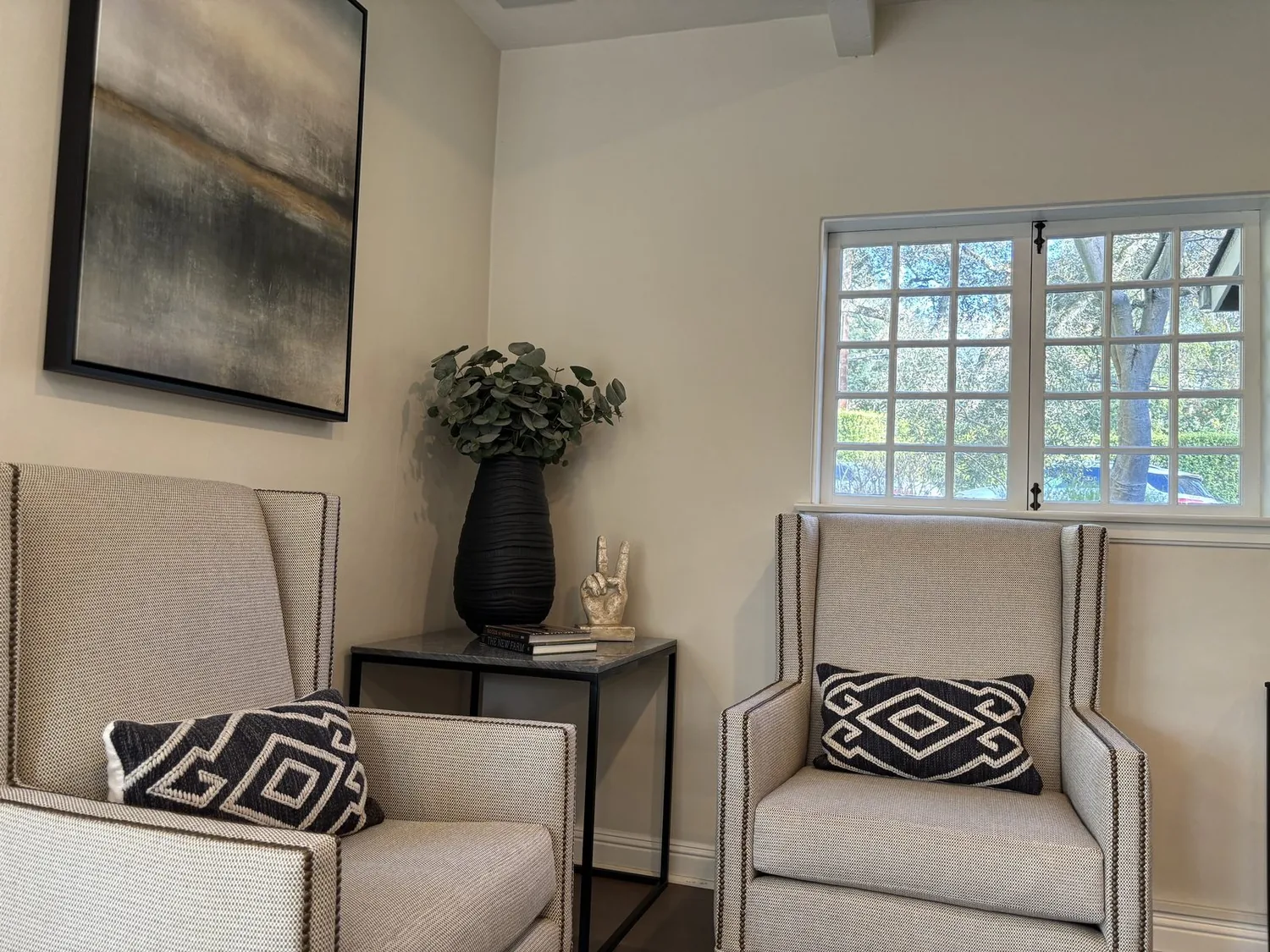
How Old Does Something Have to Be to Count as Vintage?
The real homeowner question is usually not “Is this old?” 'Am I paying vintage prices for something that just looks old?' First check the age, then how it was made and if materials match. Vintage objects are older with clear period character; no one size fits all. Antique usually means at least 100 years old.
That distinction matters because age alone does not create design value. A cheap '70s piece isn't better than a good new replica. An original light can add value with its unique details and patina.
The American Society of Interior Designers emphasizes the relationship between design, function, materials, and the people using a space. That is the right lens for vintage too. I care less about whether a seller has attached the word “vintage” to an item and more about whether the object has enough authentic physical evidence to justify its place in the room.
How Can You Tell Real Vintage From a Reproduction?
Focus on more than just the front. Turn the chair over. Open the drawer. Look behind the cabinet door. Check the fasteners, joinery, socket, underside, veneer edge, manufacturer mark, and finish transition. Real age tends to create several small clues that agree with each other. A reproduction often has one convincing feature and several modern ones.
- Check construction: screws, nails, drawer joints, hinges, and backing materials should make sense for the claimed period because manufacturing methods changed substantially over time.
- Check wear: authentic wear follows human contact and exposure, while artificial distressing is often too evenly distributed.
- Check the finish: oxidation, fading, repairs, and surface softening should have depth rather than appearing as a single color layer.
- Check markings: labels, stamps, maker marks, and hardware can help establish a date, but they should be evaluated with the rest of the object.
Across Sacramento remodels, I also look at the room around the piece. A genuine 1960s cabinet can look completely wrong if it is oversized for the circulation path. Authenticity does not excuse bad scale.
Does Provenance Make a Vintage Piece Worth More?
Yes, provenance helps when it's credible. Provenance is a record of who made it and its ownership history. It doesn't need to be fancy. A receipt or label can prove origin better than just a story.
Provenance matters most when the purchase price is substantial or the piece is attributed to a recognizable designer or manufacturer. It can also reduce risk. If two visually similar cabinets cost very different amounts, the better-documented one may justify the premium because the buyer is paying for certainty as well as appearance.
Harvard's Joint Center for Housing Studies focuses on the long-term economics of housing and remodeling. That broader perspective is useful here because a vintage purchase should still fit the financial logic of the project. I would rather spend more on one documented piece that will remain useful for years than scatter the same budget across decorative objects whose histories cannot be established.
How Do You Blend Vintage With a Contemporary Sacramento Home?
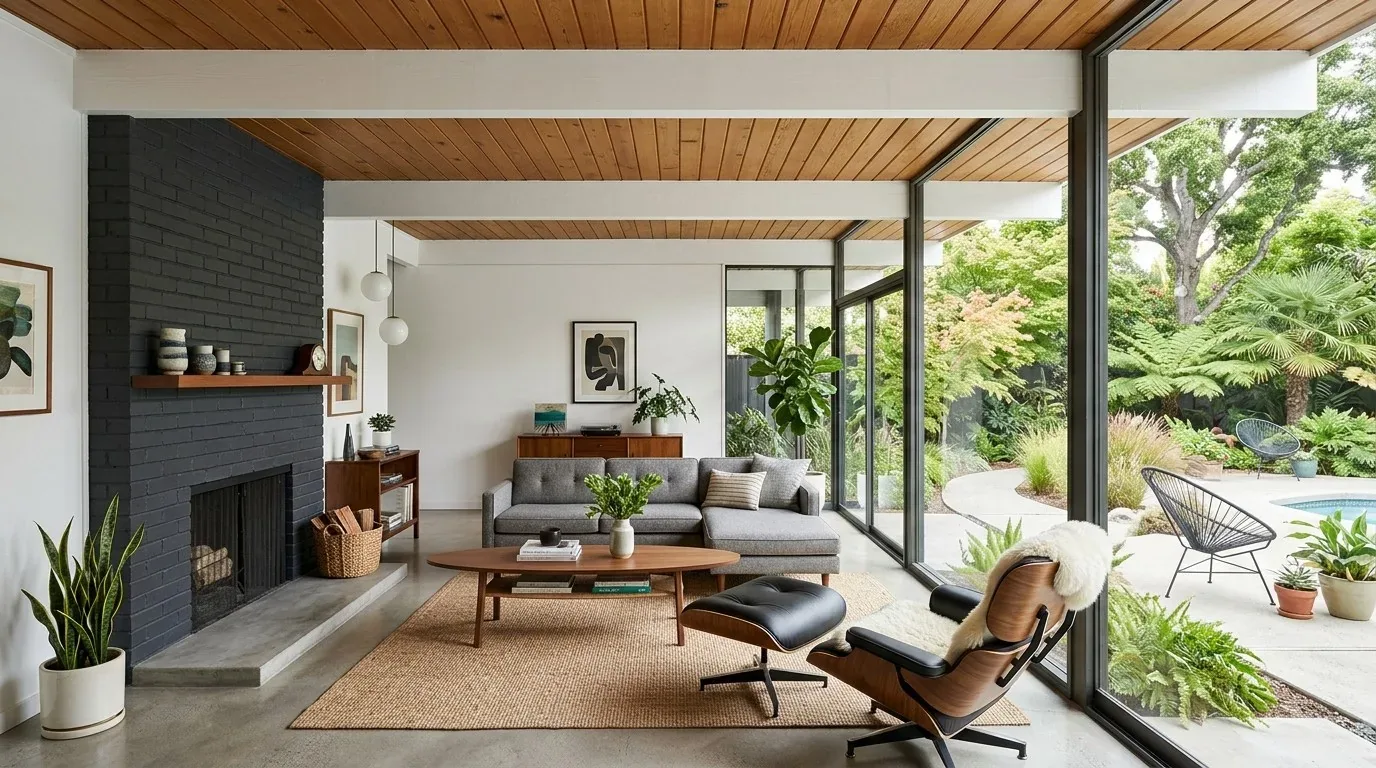
The trick is contrast without costume. Start with the architecture and keep the permanent decisions quieter. Then introduce vintage through furniture, lighting, textiles, art, or hardware that has a clear relationship to the room's scale. A 1960s teak credenza can sit comfortably in a contemporary Sacramento living room because its warm wood surface counters large expanses of glass and painted drywall without requiring the rest of the room to become mid-century.
I also watch repetition. One vintage brass fixture can feel collected. Brass on every cabinet, every sconce, every frame, and every table starts to feel like a theme. The same applies to reclaimed wood. One genuinely aged surface gives the eye something irregular to find. Five manufactured distressed surfaces make the age story feel staged.
Sacramento homes blend inside with outside easily. Wood, wool, leather, cane, stone, and metal work well together indoors or out. The American Society of Interior Designers' broader focus on functional, human-centered environments supports that approach: the vintage piece has to improve how the room feels and works, not merely supply a photographable detail.
Common pitfalls in authentic vintage selection
From our project debriefs and post-occupancy reviews, 2023-2026.
Manufactured aging cues: uniform darkening, even scratches, and staged distressing
The room has brass that is dark everywhere, wood that is scratched everywhere, and upholstery that looks deliberately softened everywhere. Nothing looks used. It looks processed. The cure is to buy fewer pieces with better evidence of actual age. Natural oxidation, uneven fading, compressed fibers, repaired veneer, and small surface changes have visual depth because they happened over time. When I specify vintage, I want the marks to tell me where hands, feet, sunlight, and furniture movement actually happened. If it looks aged but took less than a day to make, you shouldn't pay extra for it.
Over-repetition of a single vintage period: creating a staged, showroom-like aesthetic
A homeowner finds one great 1960s chair and then starts buying everything from the same period. Too many posed items and the room feels fake. The expensive part is that correcting the mistake can mean replacing perfectly usable pieces. I prefer one or two strong vintage anchors surrounded by quieter contemporary furniture. That keeps the historical object legible. It also protects the budget because the homeowner is investing in the pieces that actually matter rather than paying a vintage markup across the entire room.
Estimated costs for vintage-led interior refreshes by project scope
2026 planning ranges by scope. They bracket a budget; they are not a quote for a specific house.
| Scope | Typical range |
|---|---|
| Vintage-led refresh with sourcing, a few authenticated pieces, and styling | $12K-$30K |
| Mid-tier room with vintage sourcing, custom furnishings, lighting, textiles, and installation | $30K-$75K |
| Estate-scale interiors with extensive sourcing, restoration, custom millwork, and multiple rooms | $75K-$200K+ |
Sources & Professional References
This guide's positions on materials are grounded in published building-code, standards, and recognized design-authority sources, alongside Designed | Curated Interiors' verified credentials and active project files:
- American Society of Interior Designers (ASID): interior-design practice standards
- International Code Council (ICC): Chapter 8 Interior Finish Decorative Materials And Furnishings
- NKBA, Amy Kunst Member Profile (verified credential, NKBA Committee Member)
- Featured in: Good Housekeeping (storage and space-planning expert quotes, July 2026) · Homes & Gardens (design expert quote, May 2026) · Sacramento Love (guest author, 2024)
Related reading
- Sacramento & Bay Area Interior Design Services How we scope, source, and deliver work end to end.
- Interior Designer Hub, Sacramento Where most of our Sacramento work lives, the regional fit explained.
- What Is a Statement Piece in Interior Design: The Hierarchy That Makes One Work "Statement piece" gets used to justify almost any expensive purchase. The real designer-grade definition, what qualifies, where i