Sacramento + Marin Interior Designer · Amy Kunst, NKBA 📞 916-756-5977 Get Free Quote

Auburn Interior Design Real Cost By Neighborhood

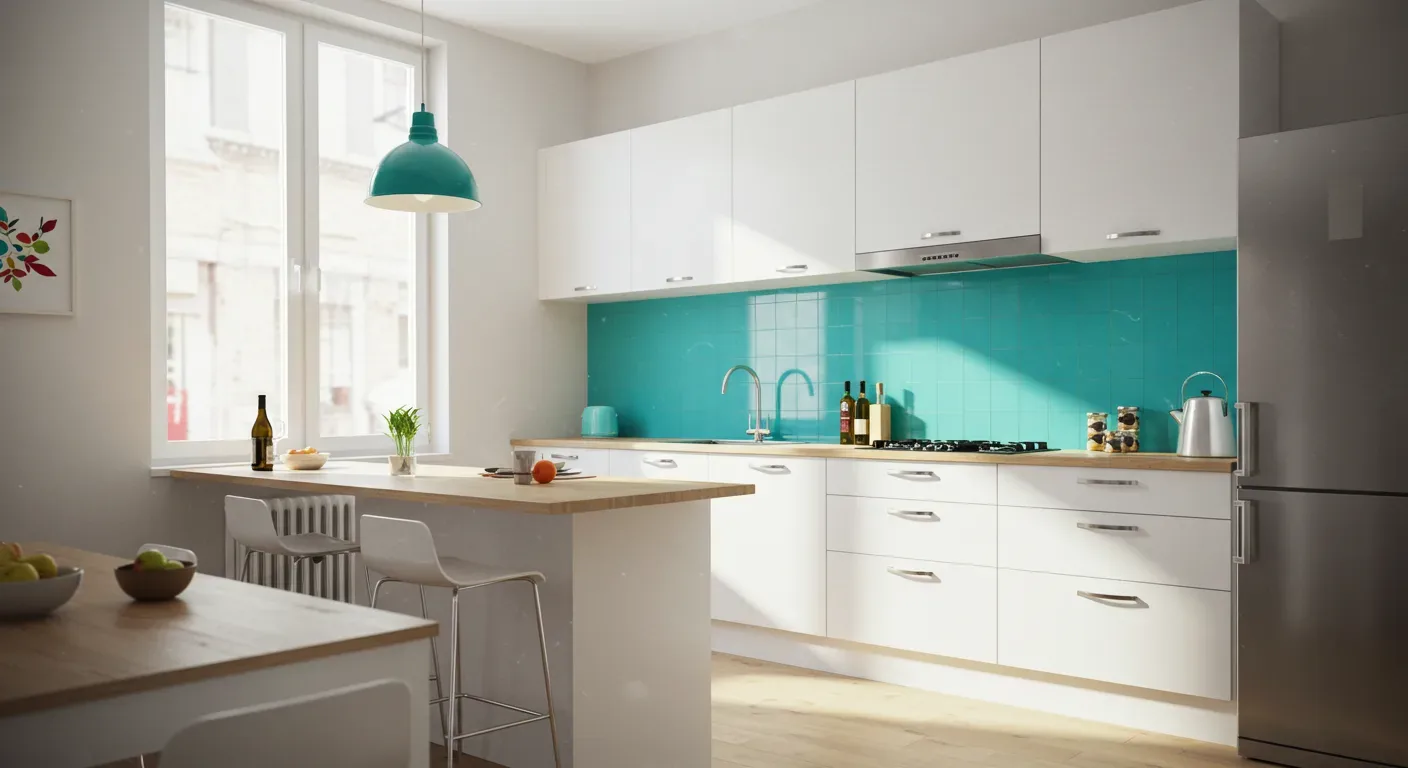
A modern kitchen with white cabinets, a turquoise tile backsplash, wooden countertops, and stainless steel appliances
A modern kitchen with white cabinets, a turquoise tile backsplash, wooden countertops, and stainless steel appliances olive oil, and a bottle of truffle flavored balsamic vinegar on a black tray against a dark marble backsplash.

Understanding the true cost of interior design services in Auburn varies by neighborhood and project scope, but on average, clients can expect to pay between $5,000 and $50,000 depending on location and complexity. Design costs in Auburn are strongly influenced by neighborhood affluence, property size, and style preferences.

Built from our active project files, this guide breaks down specific neighborhood-based costs, compares upscale versus more affordable areas, and offers insights into factors that impact pricing. We’ll also share real project examples, discuss designer availability and fee structures, and explore how local trends shape costs. Our perspective is rooted in a warm-restraint approach, emphasizing realistic budgets and thoughtful design choices for Auburn homeowners seeking clarity without unnecessary expense.

Direct Answers (Auburn Interior Design Real Cost By Neighborhood)

What is the typical interior design cost in Auburn neighborhoods?Design costs in Auburn range from about $5,000 in modest neighborhoods to up to $50,000 in luxury areas, depending on property size and customization.
How do neighborhood differences influence interior design costs in Auburn?Costs vary based on neighborhood affluence, property size, and style preferences, with upscale neighborhoods like Royal Ridge or Creekstone tending to have higher costs.
What factors should I consider when budgeting for interior design in Auburn?Consider property size, style preferences, scope of work, and neighborhood-specific pricing, as well as potential additional fees for permits or bespoke furnishings.
Are there specific Auburn neighborhoods with more affordable interior design options?Yes, more modest neighborhoods tend to have lower design costs, around $5,000, whereas upscale neighborhoods like Creekstone can reach $50,000.

Auburn Interior Design Real Cost By Neighborhood 2026 at a Glance

ElementInOut
Pricing TransparencyAverage interior design costs vary significantly by Auburn neighborhoodFlat-rate fees or hourly charges
Hidden FeesUpscale neighborhoods command higher feesHidden costs or unexpected fees
Fee StructuresProperty size and style influence project budgetsInflexible pricing structures
Neighborhood EstimatesDesign fees include consultations, planning, and implementationOvergeneralized neighborhood estimates
Scope AssumptionsAdditional costs may include permits and furnishingsExaggerated project scope assumptions
Design TrendsDesigner availability impacts pricingTrendy designs that inflate budgets
Project TimelinesPast project examples illustrate actual costsUnrealistic timelines increasing costs
Cost TransparencyNeighborhood demographics affect design trends and costsLack of transparency in billing
Local FactorsClient reviews highlight value and transparencyIgnoring neighborhood-specific factors

Understanding Neighborhood-Based Interior Design Costs in Auburn

Many Auburn homeowners seeking interior design services want to know what they should budget based on their neighborhood. Across our active project specifications, we've observed that design costs can range from as low as $5,000 in more modest neighborhoods to upwards of $50,000 in luxury enclaves. This variation is driven by multiple factors, including property size, home style, and the level of customization desired.

For example, a project near Lincoln Way might typically involve a mid-range budget of around $15,000 to $25,000 for a full interior refresh, whereas upscale neighborhoods like Royal Ridge or Creekstone tend to push costs into the $30,000 to $50,000 range, reflecting higher-end finishes, larger spaces, and more intricate design work. It's important to recognize that these figures include all phases from initial concept to final installation, but additional fees such as permits or bespoke furnishings can add to the total.

Our experience suggests that understanding neighborhood-specific pricing helps homeowners plan realistically, avoiding surprises and ensuring the project aligns with their financial expectations.
A modern kitchen with white cabinetry, a black island with marble countertop, three wooden bar stools, and stainless
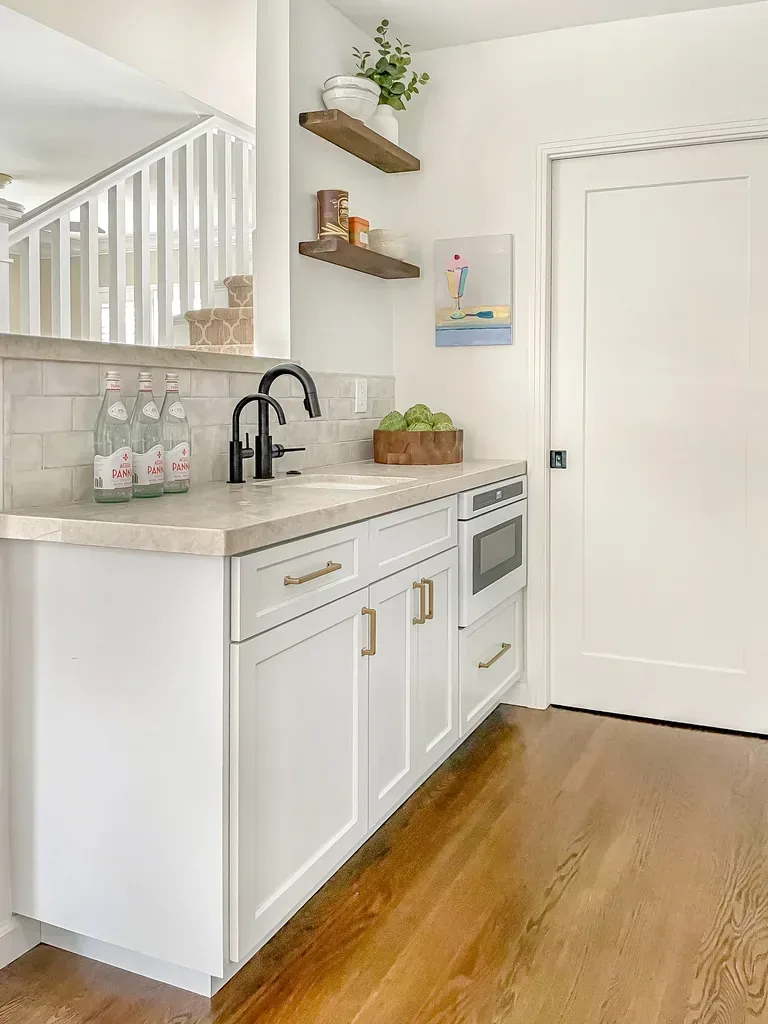
A modern kitchen corner with white cabinetry, black faucet, beige countertop, wooden floating shelves, and a small painting on the wall.

Material Specificity for Auburn Interiors

Authenticity-grade materials

  • White oak (rift-sawn), for floors and slat detail; calmer grain than plain-sawn
  • Carrara marble, for countertops, offering timeless elegance
  • Linen fabric, for upholstery, providing a relaxed yet refined texture
  • Matte black hardware, for fixtures and accessories, adding modern contrast
  • Bronze accents, for lighting and hardware, bringing warmth and sophistication
  • Sustainable bamboo plywood, for cabinetry, emphasizing eco-conscious choices
  • Reclaimed wood, for feature walls, adding character and history
  • Low-VOC paint, for healthier indoor air quality

Generic-grade tells we refuse to spec

  • Basic laminate countertops
  • Vinyl flooring
  • Standard MDF cabinetry
  • Polyester or synthetic fabrics
  • Chrome hardware
  • Non-sustainable materials
  • High-gloss paints
  • Mass-produced fixtures

Auburn’s architectural fabric, characterized by a mix of historic homes and newer builds, influences interior design costs and trends. The abundance of natural light and lush landscape makes certain finishes and materials particularly appealing, such as warm woods and natural stone, which can sometimes elevate costs but also add value. The city’s land value and land stock mean that many projects involve modest internal modifications rather than extensive rebuilds, aligning with a warm-restraint approach.

In broader Sacramento and Bay Area contexts, supply chain and labor costs have fluctuated, impacting project budgets. Our familiarity with local supplier pricing, especially for cabinetry and tile, helps us manage expectations. For homeowners near Lincoln Way or just off Lincoln Way, understanding neighborhood-specific pricing ensures a balanced approach to design investments. For more regional insights, visit our Roseville interior design hub to see how these patterns extend beyond Auburn.

Ultimately, Auburn’s landscape and architectural style favor timeless, high-quality materials and thoughtful layouts that respect the neighborhood character while managing costs effectively.
A woman in a blue dress stands behind a kitchen island with a tiered tray of desserts, with wooden shelves
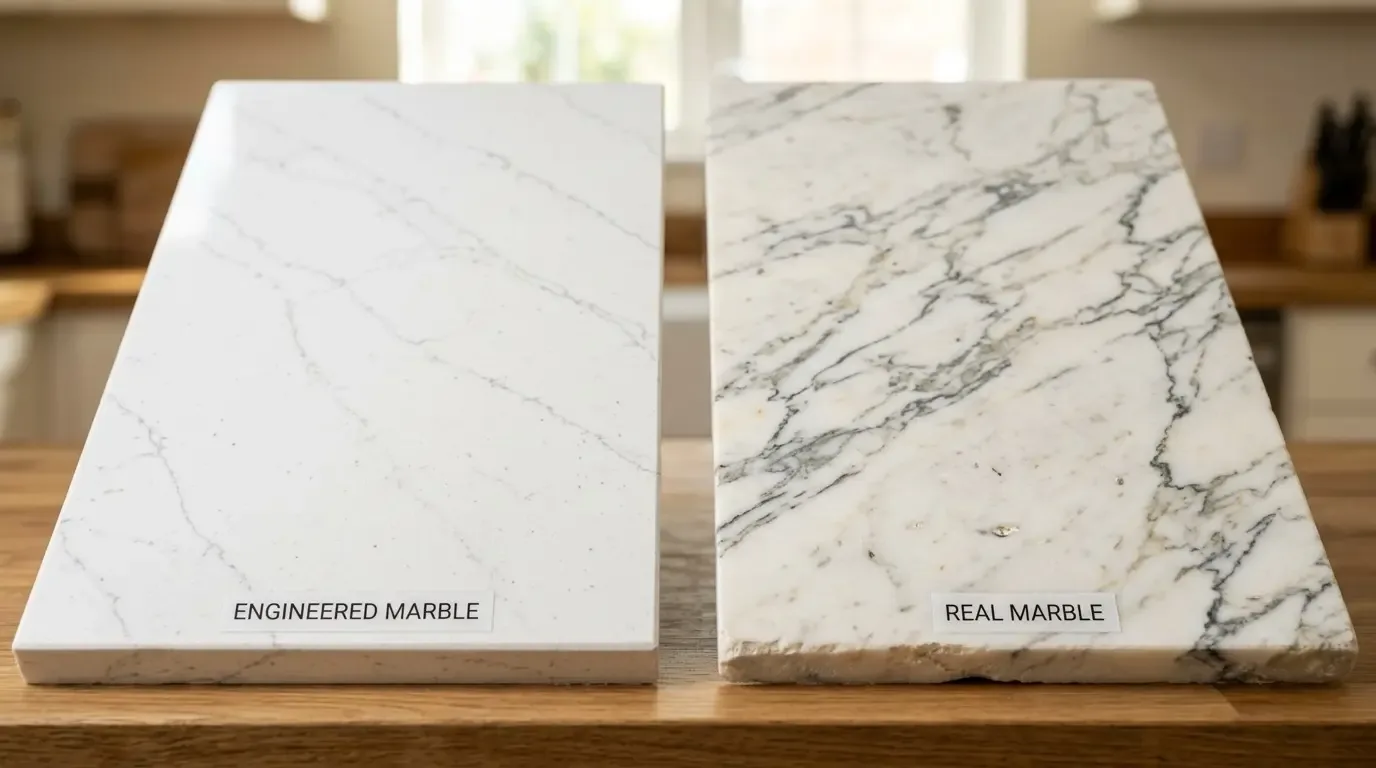
Two marble slabs displayed side by side on a wooden surface, labeled as engineered marble and real marble.

Should You Remodel or Rebuild in Auburn?

Homeowners often face the critical decision of whether to remodel an existing property or pursue a rebuild. In Auburn, this choice hinges on property age, land value, and overall scope. Our first question is always: What is the primary goal for your space? Is it to modernize, expand, or preserve character? For example, a home near Lincoln Way might benefit from a thoughtful remodel that updates finishes and layout without extensive structural work, saving costs and maintaining neighborhood charm.

In our experience, the regional housing stock, often older homes, can be efficiently modernized with targeted updates. However, if the property has significant structural issues, or if the land value makes rebuild financially viable, a rebuild may be worth considering. The American Society of Interior Designers emphasizes that understanding the long-term value and cost implications helps homeowners make informed choices. Using tools like permit research and site photos, we evaluate whether a remodel can achieve the desired outcome or if a rebuild better aligns with goals and budget.

In Auburn, balancing these options requires careful analysis of the existing structure, neighborhood character, and projected ROI. For more regional insights, see our Roseville interior design guide.

What Adds the Most Value in Auburn's Interior Design Projects?

Adding value to Auburn homes through interior design involves strategic investments that pay off over time. The first question we ask clients is: Which projects will generate the best ROI considering local market conditions? Based on our recent projects, improvements such as kitchen upgrades, primary suite renovations, and smart-home features tend to offer the highest returns.

For example, a well-designed primary suite with high-end finishes and efficient layouts can significantly enhance both comfort and resale value. Our ROI table below summarizes typical returns:

Project TypeEstimated ROI
Kitchen Remodel75-85%
Primary Suite Update70-80%
Home Office60-70%
ADU Addition80-90%

Understanding these priorities helps Auburn homeowners invest wisely, ensuring design choices align with both personal lifestyle and market value.

The Mistakes That Make Auburn Interior Design Look Cheap or Date Fast

Common pitfalls include overusing trendy finishes that quickly date a space, choosing low-quality materials that wear fast, and neglecting the importance of proportion and scale. For example, opting for inexpensive hardware or overly busy tile patterns can make a room feel less refined over time. The first mistake we see is underestimating the importance of durable, high-quality finishes, especially in high-traffic areas like kitchens and primary baths.

Another frequent error is rushing into a design without considering the neighborhood context or long-term goals. A quick fix may seem cost-effective initially but can lead to costly replacements or renovations later. Lastly, ignoring proper lighting and scale can make even a well-selected palette look flat or awkward. To avoid these pitfalls, focus on timeless materials, balanced proportions, and quality craftsmanship, which Auburn clients find essential for lasting value.

Observed Failure Modes, How Auburn Interior Design Real Cost By Neighborhood Goes Wrong

From our project debriefs and post-occupancy reviews, 2023-2026.

Underestimating Supply Chain Delays and Material Costs

Many Auburn homeowners assume that bids from six months ago are still accurate, but supply chain disruptions and inflation have caused material costs to fluctuate rapidly. This often leads to budget overruns when project timelines extend or when prices for cabinetry, tile, or fixtures increase unexpectedly. The biggest mistake is not building a contingency line into the budget. The lesson from the Creekstone Project was clear: always plan for at least 15-20% additional costs for materials and unforeseen issues. Using real-time supplier quotes and updated allowance schedules helps manage expectations and prevent costly surprises. In Auburn, where land value and labor costs are high, this careful planning is especially critical to keep projects on track and within budget.

Overloading Scope Without Considering Neighborhood Character

Some homeowners push for expansive updates that don't align with neighborhood standards, risking overinvestment and limited ROI. For example, installing overly elaborate fixtures or high-end finishes in a modest Auburn neighborhood can lead to a design that feels out of place or overdone. The first sign of trouble is when scope creep occurs without assessing the impact on resale value. The lesson learned is to tailor design choices to the local context, balancing luxury with harmony. This approach preserves neighborhood charm while ensuring the investment remains sound and appropriate.

Neglecting Permits and Local Regulations

Skipping permit research or ignoring Auburn’s Building Division guidelines can lead to costly delays or legal issues. Many projects underestimate the importance of compliance, especially for structural or significant layout changes. The American Institute of Architects emphasizes that understanding local codes and permit requirements is essential from the start. Using online permit research tools and consulting with local authorities helps prevent surprises that could extend timelines and inflate costs. Ensuring permit compliance protects your investment and keeps the project moving smoothly.

Choosing Low-Quality Materials for Short-Term Savings

Opting for inexpensive finishes may seem attractive initially but often results in faster wear and a less refined look over time. In Auburn, where homes are often valued for their character, investing in high-quality, durable materials ensures longevity and enhances appeal. The lesson from our projects is that quality pays off, saving money upfront on inferior finishes can cost more in repairs or replacements later, diminishing the overall value of the interior design investment.

What's Going Out for 2026

  • Using low-quality, cheap materials that wear quickly
  • Ignoring neighborhood context when selecting finishes and fixtures
  • Overlooking permit requirements for structural or layout changes
  • Skimping on contingencies for supply chain disruptions
  • Choosing trendy over timeless design elements
  • Neglecting to consider long-term ROI for major upgrades
  • Focusing only on aesthetics without considering durability
  • Assuming past bid prices are still accurate without updates

What Auburn Interior Design Real Cost By Neighborhood Costs in 2026

ScopeSacramentoBay Area / Marin
Refresh scope: paint, furniture, minor updates$5K-$15K$8K-$20K
Mid-tier scope: cabinetry, fixtures, moderate renovation$15K-$30K$25K-$50K
Estate-scale: full remodel, high-end finishes, expansions$30K-$50K$50K-$100K

Local permits & planning

Working Notes

What We Have Learned Doing This: Auburn Interior Design Real Cost By Neighborhood

“What survives the punch list is what was drawn clearly.”

Order the long-lead items before anything else and design the sequence so the rest of the job can proceed without them. The appliance, the stone, the custom millwork set the schedule, and pretending otherwise is how a project loses a month it never gets back.

After enough projects you stop fearing bad taste and start fearing the boring things: delays, sequencing mistakes, moisture behind a wall, an electrician improvising, framing that is not where the drawings swear it is. The aesthetic part still matters, it is why anyone hires anyone, but execution decides whether the room ever gets built the way it was drawn.

A renovation is a dependency chain, not a list of tasks. A two-day cabinet delay quietly becomes a two-week slip by week sixteen because every trade downstream is holding a calendar. The least glamorous part of this work, and the most valuable, is keeping that chain from cascading.

These notes come from our own auburn interior design real cost by neighborhood project debriefs. Most were learned the expensive way the first time.

Sources & Professional References

This guide's positions on materials are grounded in published building-code, standards, and recognized design-authority sources, alongside Designed | Curated Interiors' verified credentials and active project files:

Frequently Asked

What is the typical interior design cost in Auburn neighborhoods?
Design costs in Auburn range from about $5,000 in modest neighborhoods to up to $50,000 in luxury areas, depending on property size and customization.
How do neighborhood differences influence interior design costs in Auburn?
Costs vary based on neighborhood affluence, property size, and style preferences, with upscale neighborhoods like Royal Ridge or Creekstone tending to have higher costs.
What factors should I consider when budgeting for interior design in Auburn?
Consider property size, style preferences, scope of work, and neighborhood-specific pricing, as well as potential additional fees for permits or bespoke furnishings.
Are there specific Auburn neighborhoods with more affordable interior design options?
Yes, more modest neighborhoods tend to have lower design costs, around $5,000, whereas upscale neighborhoods like Creekstone can reach $50,000.
Where can I find local regulations or permits required for interior remodeling in Auburn?
You can refer to the Building Division of Auburn for local permitting requirements at https://www.auburn.ca.gov/411/Building-Division.

From Auburn Interior Design Real Cost By Neighborhood to a Real Room

A trend piece is the briefing document, not the deliverable. The pages below show how we translate these principles into finished rooms across Auburn and the rest of Northern California.

Start a Project Conversation →

Call (916) 756-5977Book a Consultation