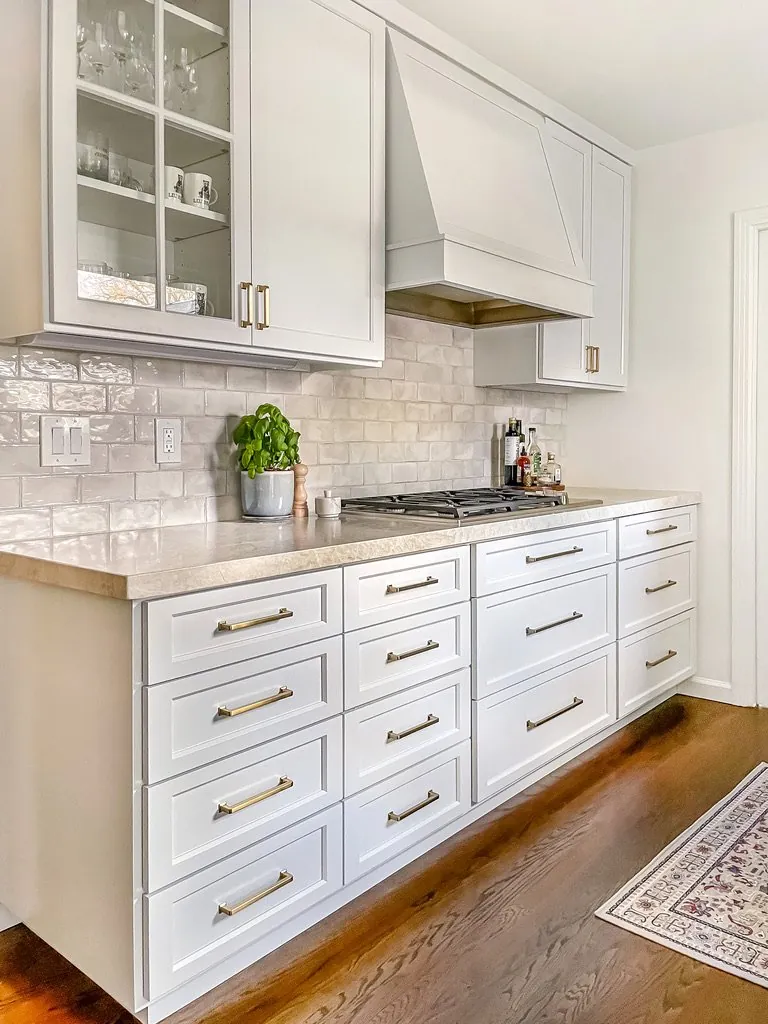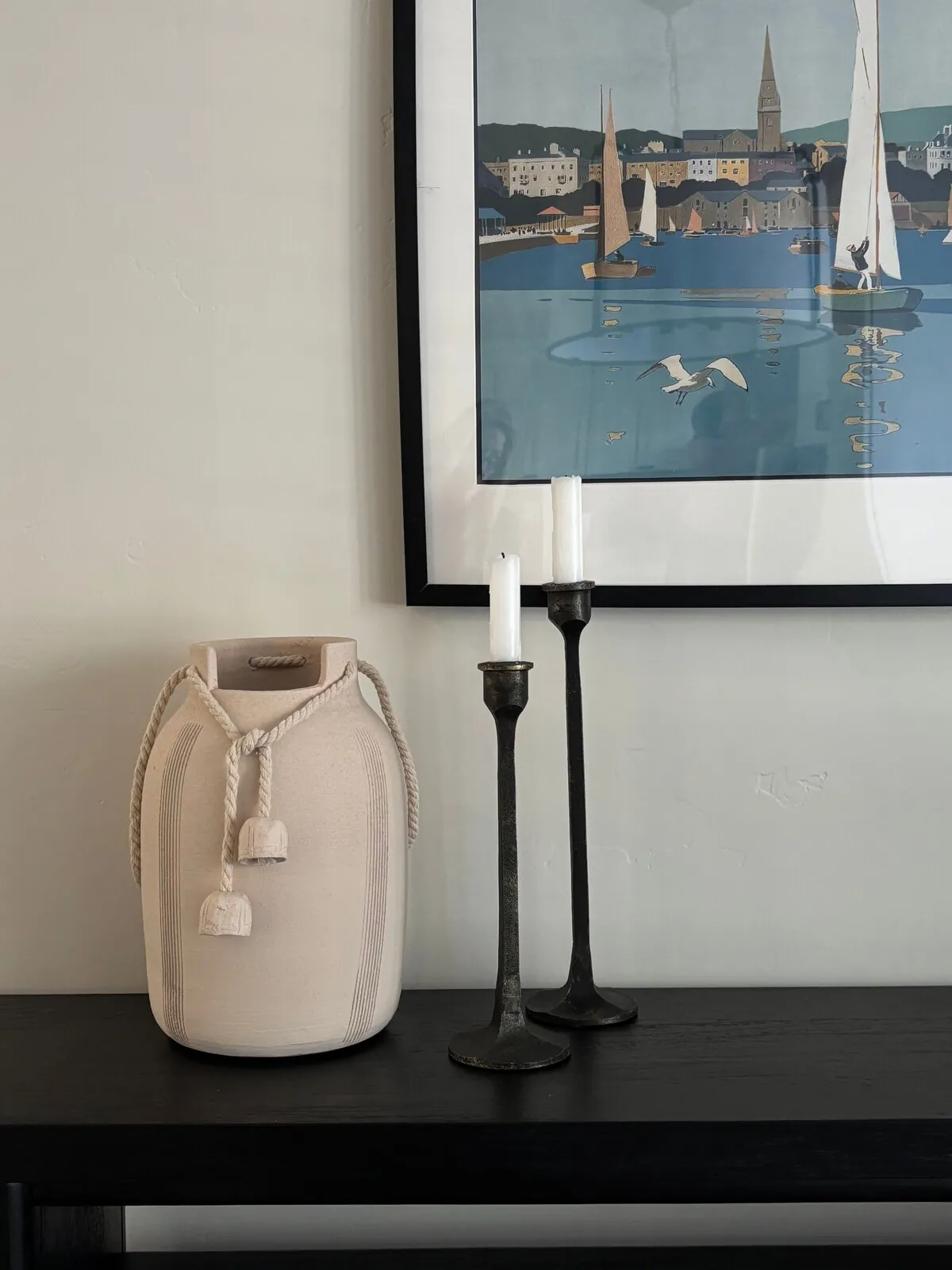
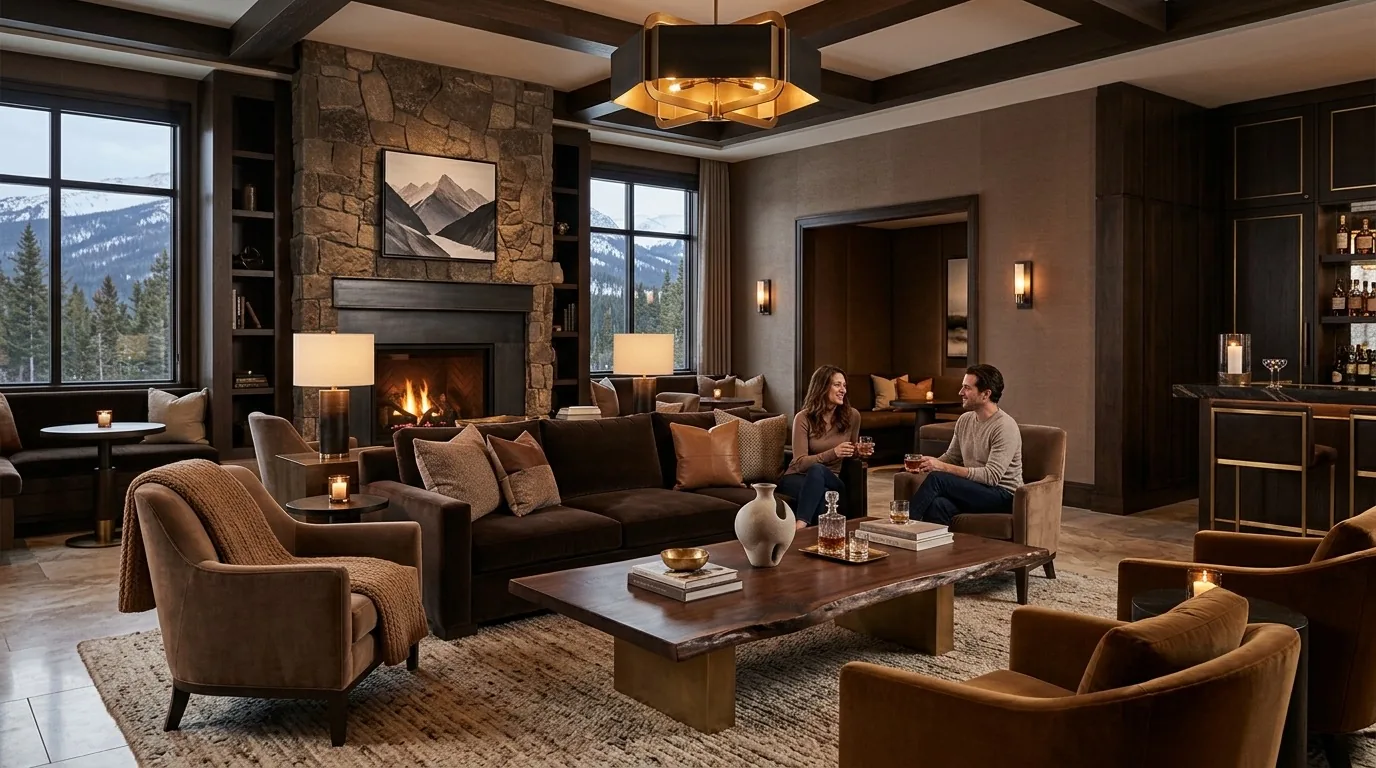
If you are searching for boutique retail store interior design El Dorado Hills, the best answer is to hire a designer who can turn your brand into a physical customer experience while controlling the commercial realities that can quietly destroy a retail budget, delay an opening, or make an expensive store feel generic. In 2026, look for interiors showing warm colors and using materials like reclaimed wood. Displays will focus more on products, not on fancy decor pieces.
Our guide digs into current projects. We think about layouts, finishes, and lighting. We also go over millwork, contractors, and permits. I will cover what boutique retail design is actually costing around El Dorado Hills, what materials are worth paying for, what is dating quickly, how local commercial requirements affect the plan, and why the regional mix of Sacramento-area light, affluent buyer expectations, and Northern California indoor-outdoor sensibility changes the design decisions.
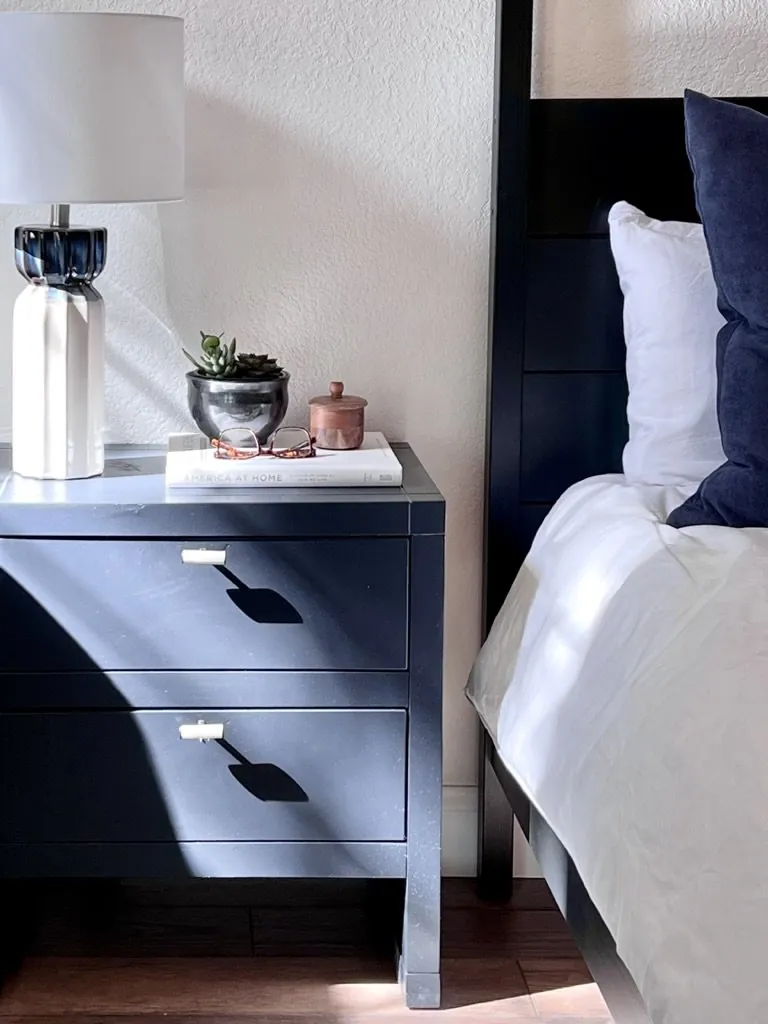
Direct Answers (Boutique Retail Store Interior Design El Dorado Hills)
| What are key elements of boutique retail store interior design in El Dorado Hills? | Focus on using warm but durable materials. Let the product stand out and avoid too much decoration. |
| Why is designing the customer path crucial for a boutique retail store in El Dorado Hills? | Customer paths shape the store's function. These paths guide where shoppers slow down, turn, or pause. |
| What materials are recommended for boutique retail interiors in El Dorado Hills to handle local conditions? | Recommended materials include matte or low-sheen surfaces that control glare, and durable natural materials like custom white-oak display tables and blackened steel hanging rails. |
| How does the regional context of El Dorado Hills influence boutique retail design decisions? | Here, designs lean towards a warm, modern style. Real wood, low-sheen stone, textured walls. Lighting should be careful, showing products without drama. |
Boutique Retail Store Interior Design El Dorado Hills 2026 at a Glance
| Element | In | Out |
|---|---|---|
| Color | Warm restrained palettes | Overly branded color explosions |
| Wood | Rift-sawn white oak | Busy faux-wood laminates |
| Lighting | Layered product lighting | Flat ceiling-grid lighting |
| Display | Flexible display systems | Permanent one-purpose fixtures |
| Walls | Textured commercial plaster | Fragile decorative wall finishes |
| Customer Experience | Purpose-built fitting rooms | Afterthought fitting rooms |
| Flooring | Low-glare flooring | Glossy slippery floors |
| Millwork | Custom focal millwork | Millwork on every wall |
Design the Customer Path Before Choosing the Pretty Stuff
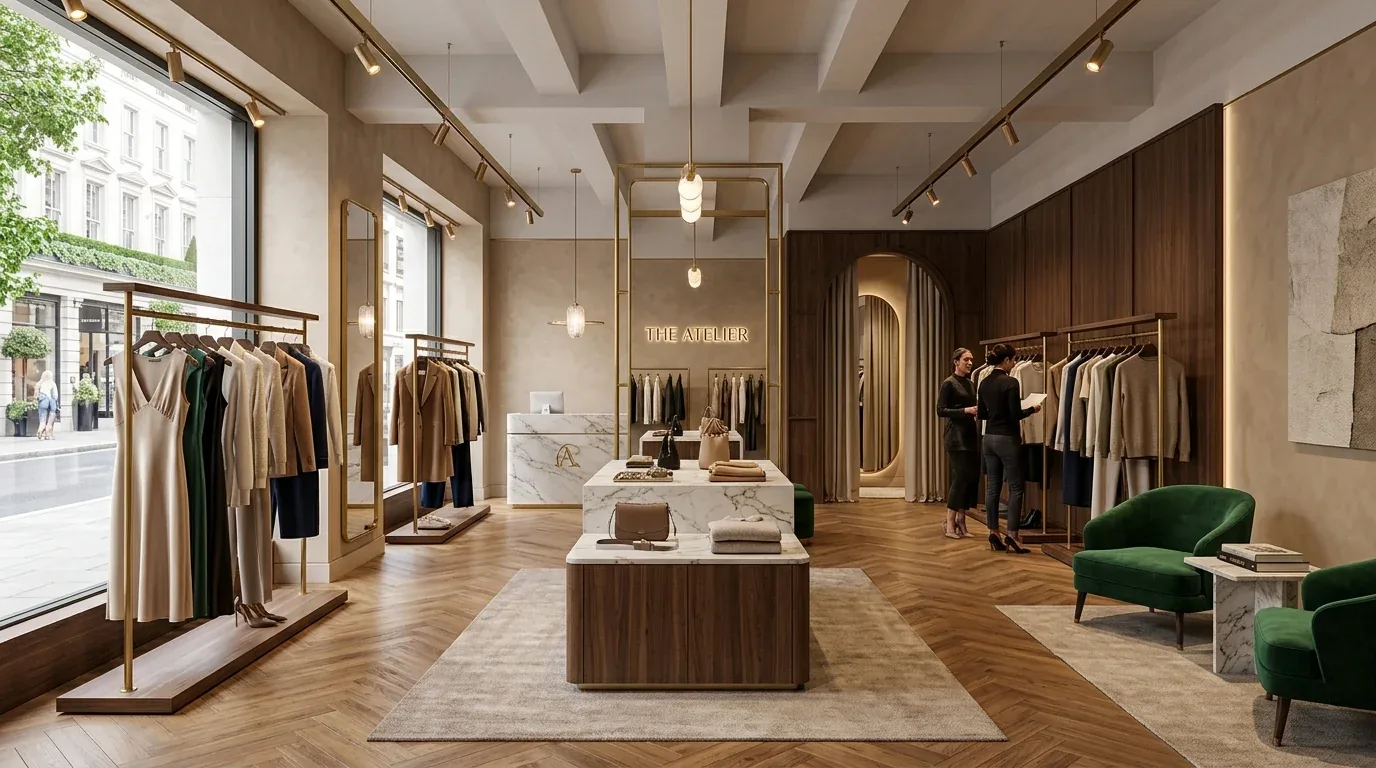
A boutique retail makeover starts with structural choices, not wallpaper patterns or curved checkout counters. It is drawing the customer path. Where people slow down, turn, pause, touch product, and make a decision determines whether the interior works as a store or merely photographs well. Across our active project specifications, I start with sightlines from the entry, the decompression zone just inside the door, the first major product moment, and the visual destination deeper in the shop because those moves control how the space reads in the first few seconds.
For 2026, I am specifying fewer fixture types but making each one work harder. Custom white-oak display tables, blackened steel hanging rails, adjustable shelving systems, and concealed storage can create a calm field around the merchandise because customers need visual hierarchy. Behind the scenes, brands like Häfele and Blum offer sturdy hardware solutions. Track lighting from trusted brands lets you adjust as stock changes. The material should not perform like scenery. It should tolerate fingerprints, bags, rolling stock, cleaning, and constant adjustment.
Northern California light matters here. El Dorado Hills' sunlight can be harsh. Glossy finishes and cheap displays often suffer under it. Matte or low-sheen surfaces control glare while highlighting products. The American Society of Interior Designers, ASID, frames interior design as a discipline that integrates function, health, safety, and aesthetics, which is exactly the point in a retail environment where the customer experience and commercial performance are inseparable.

Materials That Look Better After Thousands of Customer Touches
Authenticity-grade materials
- White oak, rift-sawn, for floors and slat detail because the calmer grain keeps display walls from competing with merchandise.
- Commercial-grade porcelain tile, for high-traffic entries because it handles grit and repeated cleaning better than decorative residential tile.
- Powder-coated steel, for hanging rails and fixture frames because the finish tolerates repeated product changes and customer contact.
- Solid-surface counter material, for checkout and service counters because seams and minor damage are easier to manage in a working retail environment.
- High-pressure laminate with real wood-edge detailing, for concealed storage because it controls cost while handling frequent cleaning and impact.
- Wool-blend commercial carpet tile, for quieter fitting rooms or soft zones because individual tiles can be replaced after staining or damage.
- Low-VOC commercial paint in matte or eggshell, for walls because it reduces glare and is easier to refresh than highly textured decorative finishes.
- Natural stone in limited applications, for a focal counter or display plinth because one durable authentic surface has more impact than stone everywhere.
- Tempered glass with minimal framing, for selective display cases because it protects product without visually closing the store.
- Acoustic felt panels rated for commercial use, for noisy hard-surface shops because customer conversations and staff communication suffer when sound bounces everywhere.
Generic-grade tells we refuse to spec
- Printed wood-look vinyl used as a luxury statement, the repeating pattern usually gives itself away under strong California daylight.
- Thin decorative brass film, edges peel and fingerprints become part of the design.
- Residential floating shelves, they are rarely built for commercial product loads or constant re-merchandising.
- Glossy white acrylic everywhere, scratches and glare accumulate quickly.
- Cheap peel-and-stick feature walls, seams and lifting corners can make a new store look tired fast.
- Unsealed porous plaster behind customer touch zones, cleaning becomes a maintenance problem instead of a simple wipe-down.
- Generic faux-marble laminate at the hero counter, it often looks acceptable in a sample but weak at full scale.
- Residential pendant lighting chosen only for appearance, replacement parts, output, glare, and maintenance are usually ignored.
Designer Decision Matrix: Which Boutique Retail Store Interior Design El Dorado Hills Approach Fits Your Home
How we actually decide: match your situation to what we would specify, and the reasoning behind it.
| Your Goal | Best Solution | Why We Recommend It |
|---|---|---|
| Lowest tenant-improvement budget | Commercial paint, modular display fixtures, and selective custom millwork | Put permanent money where customers touch the brand because flexible fixtures can change with inventory while custom construction is expensive to undo. |
| Luxury brand impression | One authentic hero material paired with restrained commercial finishes | A single real stone, oak, or metal focal point reads more credible than spreading imitation luxury finishes across every surface. |
| Small retail footprint | Freestanding low display tables with perimeter storage | Keeping the center visually open protects sightlines and makes the shop feel larger, which matters when every square foot must support selling. |
| Fast reopening after renovation | Modular fixtures and finish systems with readily available replacement parts | Shorter lead-time exposure matters because every delayed opening week can represent lost revenue. |
| Frequent inventory changes | Adjustable wall standards with movable shelves and rails | The system can evolve without reopening walls or paying repeatedly for custom fabrication. |
| Strong Northern California indoor-outdoor feel | Matte natural materials, controlled daylight, and durable transitional flooring | The regional climate and strong light reward materials that handle glare, dust, and frequent movement between exterior and interior zones. |
| High-touch beauty or gift retail | Washable matte wall finishes and solid-surface service counters | Fingerprints and cleaning routines are part of daily operations, so surfaces should age predictably rather than require constant cosmetic repair. |
Why Boutique Retail Design Looks Different in El Dorado Hills
El Dorado Hills is not a neutral backdrop for retail design. Local clients like polished looks. Yet, the best spaces don’t pretend to come from coastal boutiques.
The foothills' bright light, newer commercial spaces, and Sacramento’s design scene inspire warm contemporary retail designs.
That means honest wood, low-sheen stone, textured walls used carefully, and lighting with enough control to flatter product without turning the room theatrical.Northern California has its own design vibe. Sacramento areas face bright sun and dust. Meanwhile, Mill Valley has softer light and smaller spaces. The shared thread is restraint. El Dorado Hills prefers a cleaner, open retail design that matches the development and customer expectations. Our guide offers broader regional insights for larger projects in El Dorado Hills. The National Association of the Remodeling Industry, NARI, is also useful context for understanding why professional coordination matters when design decisions affect multiple trades, schedule sequencing, and construction accountability.
I would not copy a Mill Valley boutique into El Dorado Hills unchanged. Darker, denser interiors that work under softer coastal light can feel heavy here. Conversely, an all-white retail shell can become sterile under strong foothill daylight. Balance warmth with enough texture. Leave room for products to stand out.
How Much Does Boutique Retail Store Interior Design Cost in El Dorado Hills?
The real question is often more than the designer's fee. It is, "How much exposure am I taking on before I know what this shop will actually require?" The first question we ask is what must change permanently and what can stay flexible. That distinction controls tenant-improvement spending more than the decorative style does.
For a commercial boutique, costs are better discussed as scope and cost per square foot than as a single room-design fee. A light refresh: paint, adjust lights, change displays, tweak signage, maybe some simple millwork. Redoing a space means tackling electrics and plumbing. Flooring, HVAC, and fire systems too. Permits to navigate. In retail design, you have to budget carefully for both planning and execution. Design fees are just one part of the cost puzzle. Harvard tracks construction trends showing labor, materials, and delays affect budgets heavily. Business owners need to plan around these risks. Delays in opening are costly. Savings on cheaper options can vanish.
Do You Need a Permit for a Boutique Retail Remodel in El Dorado Hills?
Update a space by checking practical needs first. Aesthetics come later. It is whether the work triggers commercial review. A boutique owner should assume permit research is part of early planning because ADA accessibility, occupancy load, exits, fire and life-safety requirements, and building systems can shape the layout before finishes are selected.The authoritative local starting point is the County Building Division, El Dorado Hills. For broader code context, use the ICC primary code reference rather than relying on contractor folklore or a previous tenant's drawings.
The design consequence is important. A beautiful checkout counter is useless if its placement compromises required circulation. Decorative partitions can become expensive if they affect egress. New lighting is not simply a shopping decision when electrical loads and controls are involved. Early permit research is key. An easy-to-approve layout cuts costs compared to designs needing multiple tweaks.
How Do You Choose the Right Interior Designer for a Boutique Store?
The mistake is hiring based only on whether a portfolio has attractive rooms. A boutique space needs to reflect brand hierarchy. Displays should be durable. Lighting matters too. Customer flow and aligning design with construction is key. Ask designers to show how they handle circulation and merchandising. You want more than just photos.
For a business owner, I would ask five direct questions: Who coordinates the commercial drawings? How are fixtures specified for durability and replacement? How are contractor estimates compared against the design intent? What decisions are locked before ordering long-lead products?
How do you protect the opening schedule?
The National Kitchen and Bath Association, NKBA, provides professional guidance around coordinated design practice and planning, and while a boutique is not a kitchen project, the same discipline of clear specifications and coordinated systems matters.Examples should be evaluated carefully. Designers can’t always publish client projects. They should still discuss the design problem and why they chose specific materials or layouts. That explanation tells you more than a perfect photograph.
Common Mistakes We See
Biggest Waste: Spending heavily on permanent decorative millwork before the merchandising system is tested. Permanent walls can become cost problems with changing inventory, while modular displays are more flexible and less expensive to alter. Replacement parts, glare, output, dimming compatibility, and commercial use matter more because the store will operate longer and harder than a living room.
Hidden Cost: Treating the opening date as separate from the construction budget. Delayed lighting fixtures or permit issues can lose you way more sales than cheaper finishes save.
Will This Boutique Retail Look Date Fast?
The safest long-term strategy is not choosing a timeless style label. It is separating the expensive permanent layer from the changeable brand layer. Flooring, major lights, walls, and sturdy millwork need to withstand changes in merchandise without extensive redos. Color, graphics, seasonal displays, movable fixtures, and small decorative elements can carry more personality because they are cheaper to change.
I’d avoid basing a store in El Dorado Hills on just a social-media trend. Bright colors and flashy features might look good but can overwhelm. It’s about balance. A muted palette lasts longer because the products stand out more clearly. In practical retail terms, that means a customer should understand where to go and what matters before they notice the designer trying to impress them. That is the standard I would use for anything permanent.
Observed Failure Modes, How Boutique Retail Store Interior Design El Dorado Hills Goes Wrong
From our project debriefs and post-occupancy reviews, 2023-2026.
The Merchandise Disappears
The symptom is a boutique full of attractive finishes where customers cannot immediately understand what is being sold. Too many wall treatments, competing fixture shapes, and decorative objects flatten the hierarchy. The cure is subtraction. Create one primary product story at a time, use quieter secondary surfaces, and reserve visual contrast for merchandise and focal moments. In several recent specifications, the strongest improvement came from removing one decorative layer rather than adding another because the eye finally had somewhere useful to land.
Lighting Looks Good Only Online
A fixture can photograph beautifully and still fail the merchandise. The symptom is glare on glass, hard shadows on faces, inaccurate product color, or a checkout zone that feels brighter than the displays. Fix it with layered lighting. Use adjustable accents and soft general lighting. Test samples under real light. Northern California daylight shows issues dim showrooms hide.
Custom Fixtures Arrive Too Late
The failure pattern is designing the opening around a single custom hero piece with no realistic replacement strategy. The symptom appears when damage or shipping delay stops merchandising even though the construction is otherwise ready. The cure is to identify schedule-critical products early and ask what can substitute without breaking the store. A beautiful fixture is not worth much when the business cannot open.
Residential Materials Wear Out
The symptom is scratched shelving, peeling metal film, unstable tables, and finishes that cannot tolerate commercial cleaning. The cure is to specify based on touch frequency, cleaning chemistry, product weight, and replacement availability. Retail materials should be judged by how they behave after repeated use, not by how they look in a five-inch sample.
The Counter Blocks Circulation
This often happens when the checkout counter is treated as furniture instead of part of the commercial circulation plan. The symptom is a bottleneck near the entry, awkward queues, or compromised accessible movement. The cure is to establish circulation and code-sensitive clearances before finalizing the counter shape because moving a drawing is cheap and rebuilding a finished counter is not.
Every Surface Matches
The symptom is a boutique that feels like a showroom package, with the same wood tone, metal finish, and decorative texture repeated everywhere. The cure is controlled contrast. Use a dominant material, a supporting material, and one sharper accent because variation gives the merchandise a clearer background and helps the room feel collected rather than purchased in one afternoon.
What's Going Out for 2026
- Custom millwork used to hide unresolved construction disputes
- Glossy floors under strong direct daylight
- Residential pendant fixtures as the primary lighting plan
- One fixed display layout for constantly changing inventory
- Printed faux-marble as the main luxury signal
- Oversized logos on every wall
- Dark boutique interiors copied from coastal markets without adjusting for local light
- Fragile plaster finishes in high-touch customer zones
- Checkout counters designed before circulation
- Decorative clutter that competes with the merchandise
- Long-lead hero fixtures with no backup plan
What Boutique Retail Store Interior Design El Dorado Hills Costs in 2026
| Scope | Sacramento | Bay Area / Marin |
|---|---|---|
| Refresh: paint, lighting adjustments, modular fixtures, limited merchandising and finish upgrades | $25K-$75K | $50K-$125K |
| Mid-tier boutique build-out: flooring, lighting, custom focal millwork, display systems and coordinated trade work | $75K-$200K | $150K-$350K |
| Estate-scale or full commercial transformation: major layout changes, systems coordination, extensive millwork and permit-driven construction | $200K-$500K+ | $350K-$750K+ |
Local permits & planning
Working Notes
What We Have Learned Doing This: boutique retail store interior design el dorado hills
“A decision made late costs three times the same decision made early.”
A renovation is a dependency chain, not a list of tasks. A two-day cabinet delay quietly becomes a two-week slip by week sixteen because every trade downstream is holding a calendar. The tedious work of preventing chain issues is actually the most valuable.
Trust grows in the dull talks. The ones about structural walls, number changes, or schedule delays. Clients forgive reality. They do not forgive being surprised by it.
The cheapest tool on any project is a sample board and an afternoon. We have watched five-figure mistakes get caught by a fifteen-dollar paint sample lived with for a week in the actual light of the actual room. Decisions made under showroom lighting do not survive contact with a real house.
These notes come from our own boutique retail store interior design el dorado hills project debriefs. Most were learned the expensive way the first time.
For ZIP-level housing-stock and household-income data behind this analysis, see our Sacramento & Bay Area housing market data.
Sources & Professional References
This guide's positions on materials are grounded in published building-code, standards, and recognized design-authority sources, alongside Designed | Curated Interiors' verified credentials and active project files:
- American Society of Interior Designers (ASID): interior-design practice standards
- International Code Council (ICC): Chapter 8 Interior Finish Decorative Materials And Furnishings
- NKBA, Amy Kunst Member Profile (verified credential, NKBA Committee Member)
- Featured in: Good Housekeeping (storage and space-planning expert quotes, July 2026) · Homes & Gardens (design expert quote, May 2026) · Sacramento Love (guest author, 2024)
Frequently Asked
What are key elements of boutique retail store interior design in El Dorado Hills?
Why is designing the customer path crucial for a boutique retail store in El Dorado Hills?
What materials are recommended for boutique retail interiors in El Dorado Hills to handle local conditions?
How does the regional context of El Dorado Hills influence boutique retail design decisions?
What are common challenges when opening a boutique retail store in El Dorado Hills?
Why should custom millwork not be used to solve contractor disputes in boutique retail design?
From Boutique Retail Store Interior Design El Dorado Hills to a Real Room
A trend piece is the briefing document, not the deliverable. The pages below show how we translate these principles into finished rooms across El Dorado Hills and the rest of Northern California.
- Sacramento & Bay Area Interior Design Services How we scope, source, and deliver work end to end.
- Interior Designer Hub, El Dorado Hills Where most of our El Dorado Hills work lives, the regional fit explained.
- Boutique Retail Store Interior Design Granite Bay: What It Costs and How We Approach It Discover how to craft a boutique retail interior in Granite Bay that blends regional authenticity with modern luxury. Understanding what mak
- El Dorado Hills Seismic Foundations Foundation Interior Design Related cluster piece referenced from the El Dorado Hills Seismic Foundations Foundation Interior Design build files.
- El Dorado Hills Interior Design Permits Sequencing Living Through Remodel Related cluster piece referenced from the El Dorado Hills Interior Design Permits Sequencing Living Through Remodel build files.