Direct Answers (Ceiling Fan Blades)
| What are the popular materials for ceiling fan blades in Sacramento? | Real wood, bamboo, and composite are popular. Warping resistance matters here. |
| How do blade shapes influence interior design in Sacramento homes? | Slim, elongated profiles create openness and elegance, fitting well with modern and natural aesthetics, while wide, heavy blades are less favored. |
| What finishes are trending for ceiling fan blades in Sacramento? | Matte black, soft greige, brushed nickel. These tones work with most interiors. |
| How can I ensure my ceiling fan blades are suitable for Sacramento’s climate? | Go for aluminum with wood veneer or MDF. They hold up well here. |
First major design move: Embracing natural materials and sleek profiles
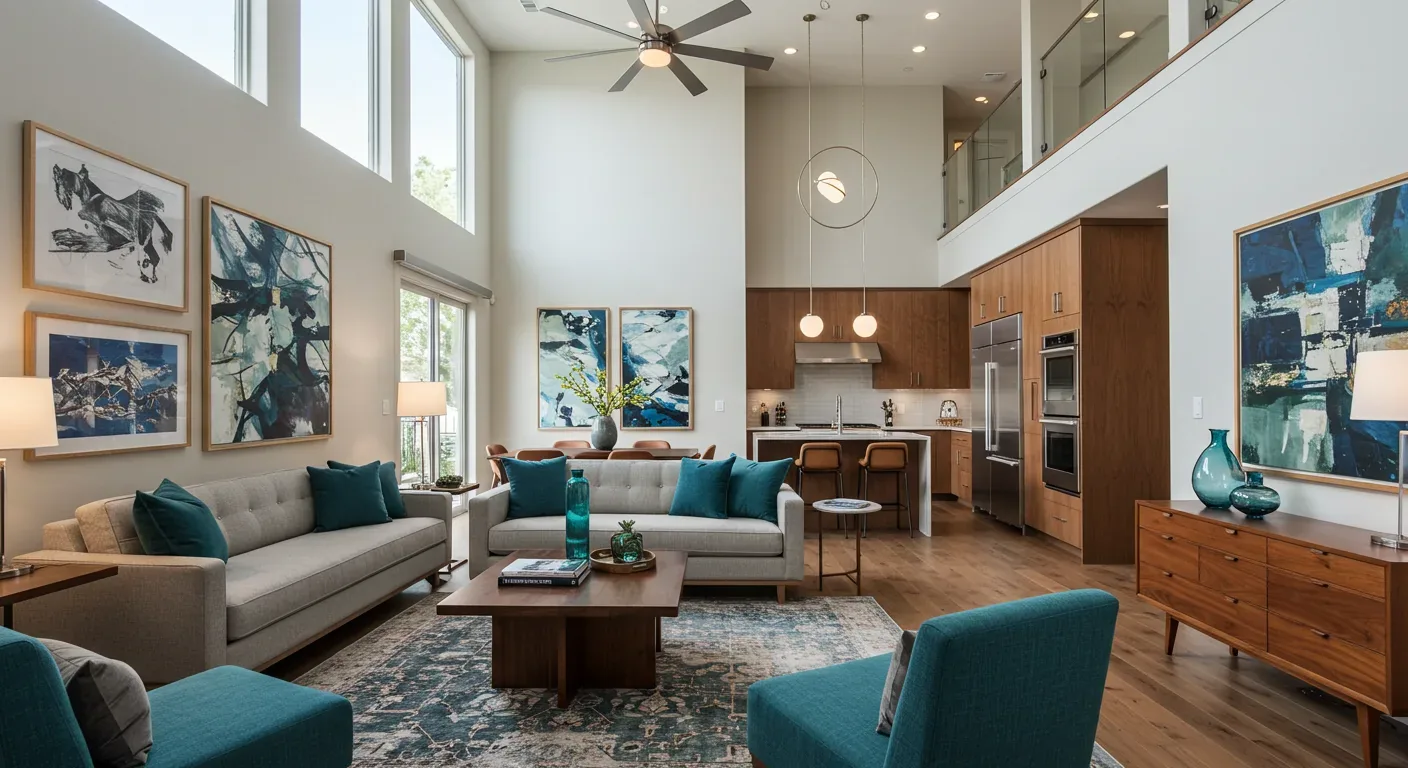
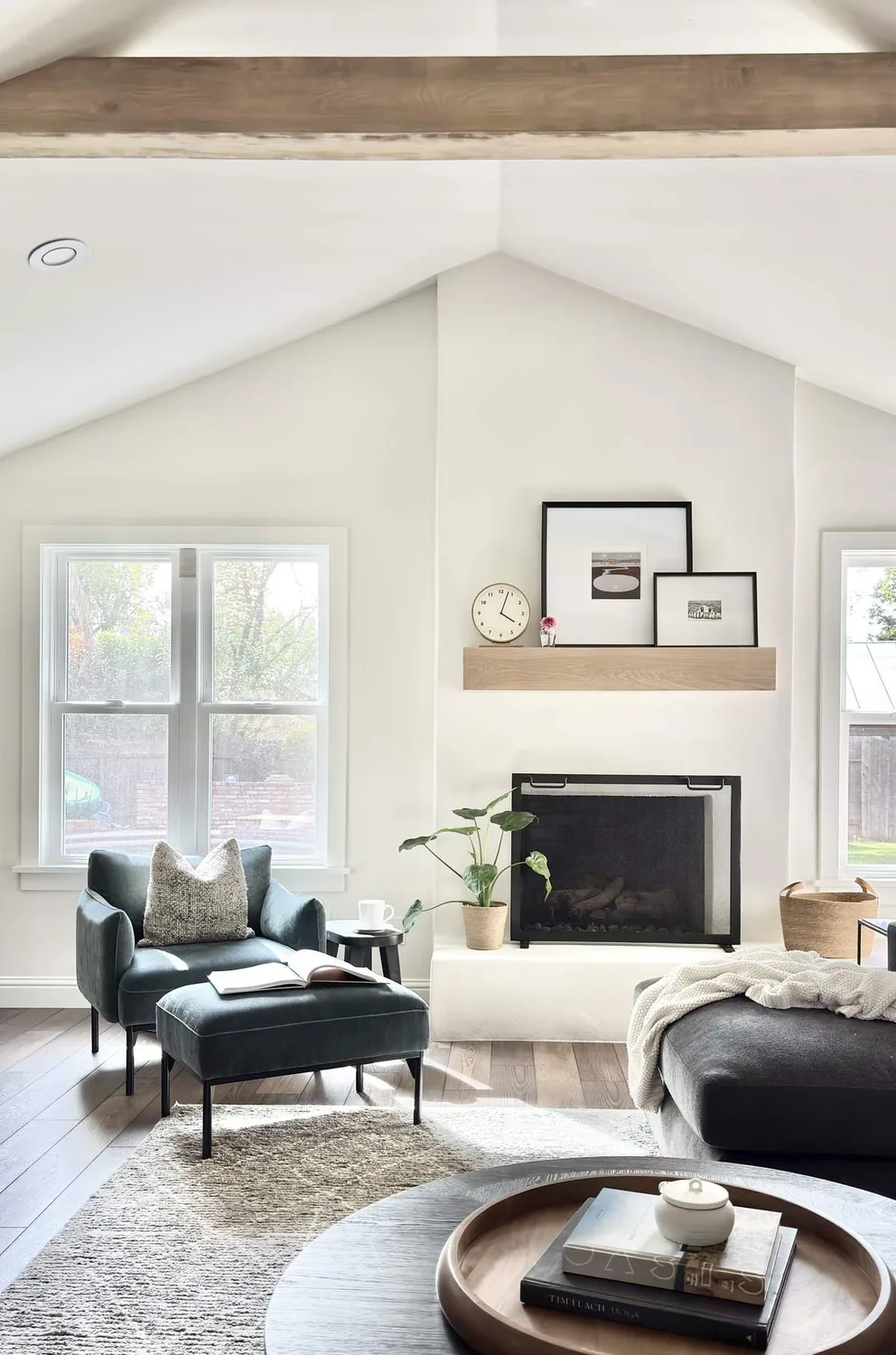
Across our active project specifications, we see a clear shift towards ceiling fan blades that emphasize natural textures and minimalist profiles. Sacramento homes are seeing wood or bamboo fan blades. Rift-sawn oak is in. Around here, folks want fans that feel welcoming. Sleek blades fit with the area's open-door lifestyle. Big, heavy blades are out. Refined options that don't block light are in. Matte black, soft greige, and brushed nickel finishes are versatile. Understated luxury's big now in Northern California. It's all about keeping function stylish.
Designer Decision Matrix: Which Ceiling Fan Blades Approach Fits Your Home
How we actually decide: match your situation to what we would specify, and the reasoning behind it.
| Your Goal | Best Solution | Why We Recommend It |
|---|---|---|
| Matching a traditional California craftsman style | Reclaimed wood blades with detailed carvings | The warm, handcrafted feel aligns with Sacramento’s historic neighborhoods and adds authenticity to the interior. |
| Creating a sleek, modern look in a new build | Slim aluminum blades with matte black finish | Clean lines and muted finishes support the minimalist aesthetic favored in contemporary Northern California homes. |
| Maximizing airflow in a large open space | Three-blade design with lightweight composite material | Fewer blades with high-performance materials reduce drag and optimize circulation without visual clutter. |
| Choosing sustainable options for eco-conscious clients | Bamboo blades with natural finish | Fast-growing, renewable, and fitting the region’s emphasis on green building practices. |
| Matching existing light fixtures and finishes | Reclaimed wood or stained oak blades | Blends seamlessly with warm wood tones and the region’s earthy interior palettes. |
How to choose the right material and style for your interior
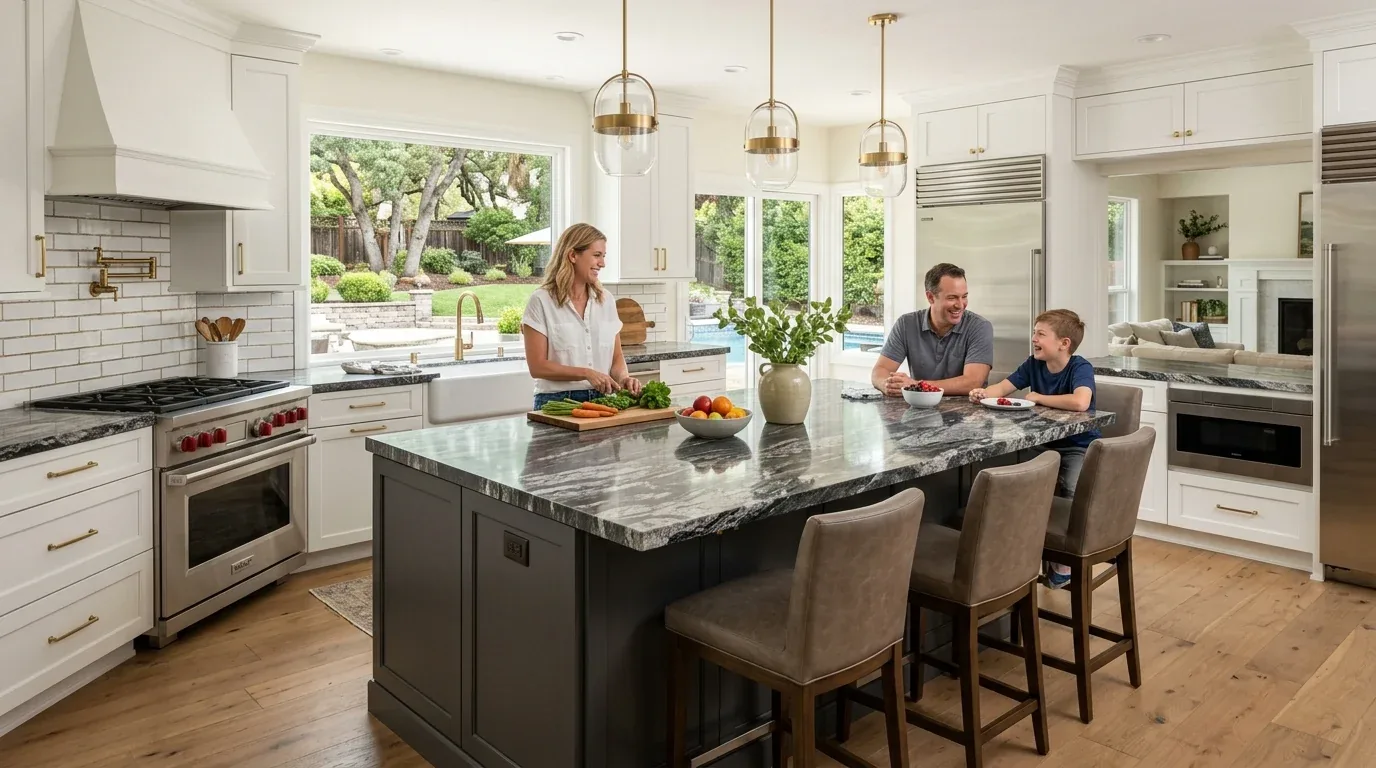
Fan blades should suit your home's style and withstand local weather. We always ask clients: Do you prefer a natural or modern fan? The answer helps pick the material. Oak and bamboo for warmth. Bronze metals feel industrial. Sacramento's craftsman and mid-century homes benefit from matching fan blades.Size and shape also matter. Got a big room with tall ceilings? Skinny blades push air around without taking over the room. Tiny rooms? Go small with fan designs. The American Society of Interior Designers advocates for choosing blades that support both functionality and style, especially considering Northern California’s indoor-outdoor lifestyle. Match or clash with the room’s colors. Depends on what you want the fan to do visually. Pick blade materials that handle dry heat. Stonegate in August gets brutal. Low-care styles help.
Sizing and specifications: Making it work in your space
Proper sizing is critical. Ceiling at 8 feet? Use 52 to 60 inches. That’s your blade span. For those sprawling homes in Arden-Arcade, consider fans that reach up to 72 inches. But make sure the blades don't drown the space. Keep blades a good 10 inches below the ceiling. Air needs room to move. Think about room size and ceiling height. Also, where’s the furniture? It all affects fan placement. A 36-inch range hood, for example, pairs best with a fan blade span of 52 inches, as per the NKBA guidance, to balance function and proportion.
Materials and blade count also influence performance. Three blades work best for air flow. Plus, they're easy to keep clean. Want style over function? Try four or five blades, but watch out for airflow loss. Find fan specs that meet your needs for both comfort and style.
Related readingFrequently Asked
What should I consider when selecting blade size for my ceiling fan?
Are there common installation issues with ceiling fan blades in Sacramento's older homes?