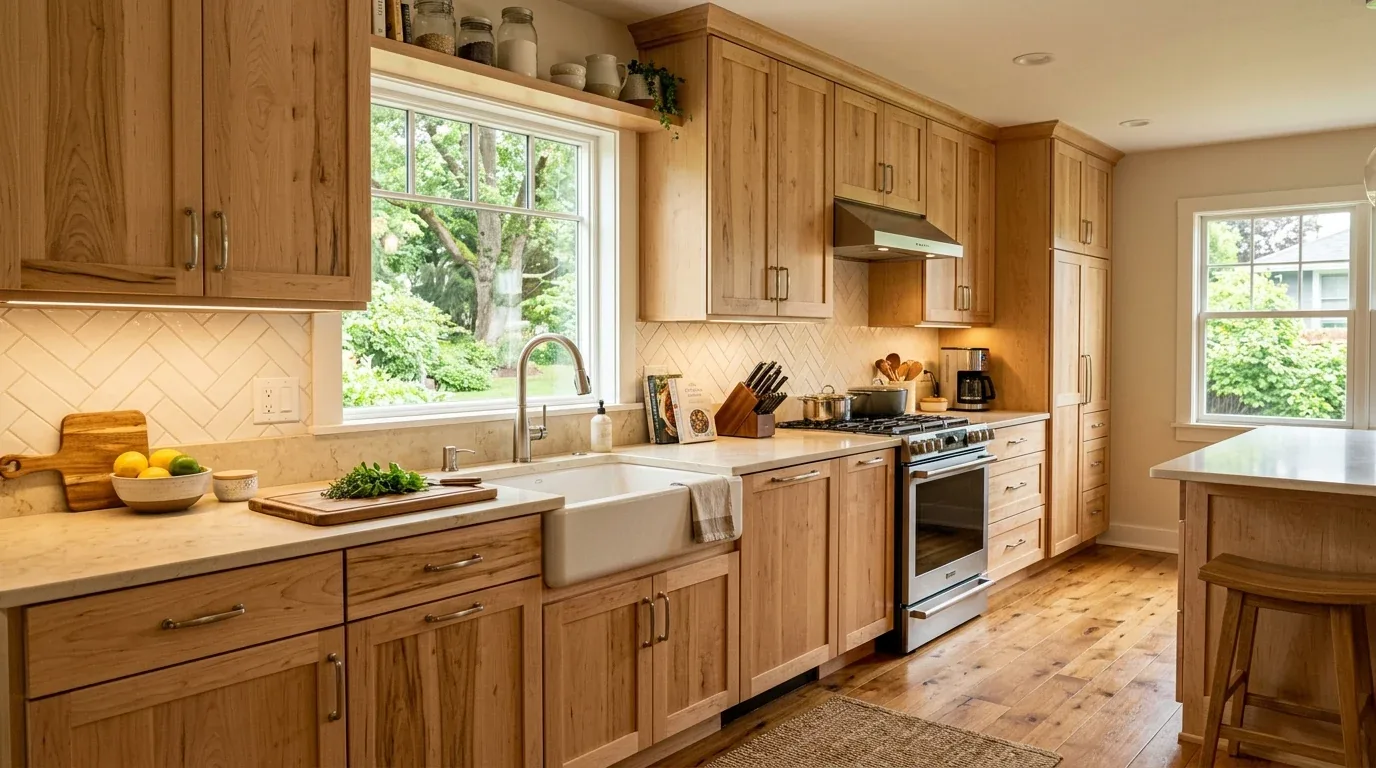
Natural tan is a versatile and warm neutral hue that can be used effectively in interior design to create inviting, timeless spaces. Understanding the shades, pairing options, and lighting effects of natural tan is key to leveraging its full potential in your home.
Built from our active project files, this guide explores how natural tan can serve as a foundational color in Sacramento interiors. We’ll cover the specific shades and tones included in the palette, how it compares to other neutrals, ideal spaces for its use, and the best complementary colors. Additionally, we’ll present visual examples, discuss lighting influences, and highlight popular paint brands that offer natural tan options, all from a designer’s perspective that values warmth and restraint in 2026.
Direct Answers (Color Natural Tan)
| What is natural tan in interior design? | Natural tan is a versatile, warm neutral hue used to create inviting, timeless spaces, ranging from soft beige with golden undertones to richer caramel shades. |
| How can natural tan be effectively used in Sacramento homes? | It works well in rooms with ample sunlight, especially in historic homes, and can highlight architectural details while providing a cozy, layered look. |
| What are some popular paint brands that offer natural tan options? | Sherwin-Williams offers 'Accessible Beige' and Benjamin Moore provides 'Manchester Tan' as reliable natural tan shades. |
| How does lighting affect the appearance of natural tan? | Lighting, especially natural sunlight, amplifies the warmth of natural tan, making it appear more vibrant or subdued depending on the time of day and light conditions. |
Embracing Natural Tan as a Foundation
In our Sacramento projects, natural tan has become a cornerstone for creating warm, welcoming interiors. The first move is understanding its specific shades, which range from soft beige with golden undertones to richer caramel hues. Brands like Sherwin-Williams and Benjamin Moore offer reliable options such as Sherwin-Williams' 'Accessible Beige' or Benjamin Moore's 'Manchester Tan' that capture this versatile spectrum. These shades work well across wall coverings, cabinetry, and trim, providing a neutral backdrop that invites layering of textures and materials.
From a designer perspective, natural tan's strength lies in its ability to balance warmth without overwhelming a space. Its undertones are generally neutral or slightly warm, making it a safe choice for various lighting conditions, especially in Sacramento’s bright, variable light. Pairing natural tan with materials like warm oak, matte brass fixtures, and textured textiles enhances its natural appeal. In our recent projects, we've seen how this palette can be both timeless and adaptable, especially when paired with crisp white accents or muted greens for a serene, earthy vibe.
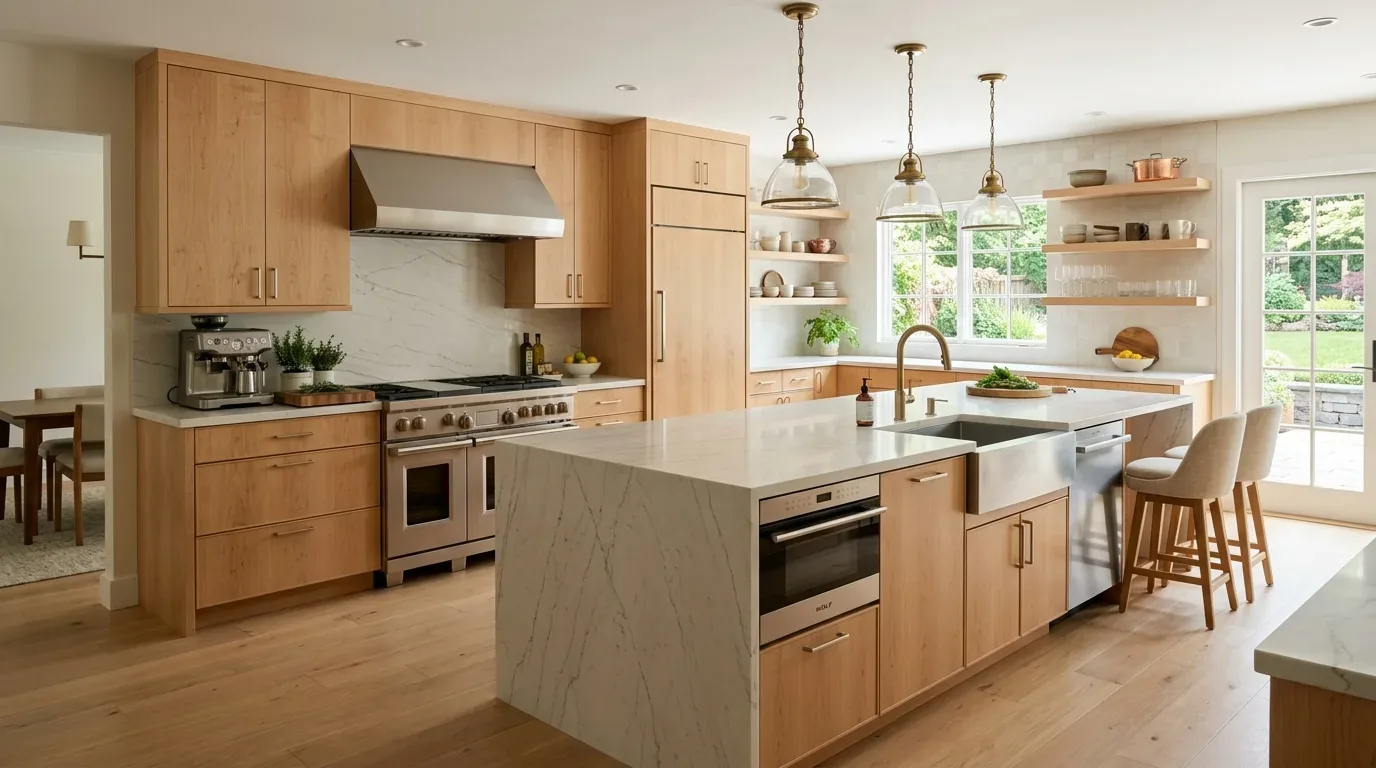
Material Specificity for Natural Tan
Authenticity-grade materials
- White oak (rift-sawn), for floors and slat detail; calmer grain than plain-sawn
- Linen textiles, for soft upholstery and window treatments, providing subtle texture
- Matte brass fixtures, warm metal accents that complement tan’s undertones
- Silk or linen wallcoverings, add tactile softness and depth
- Natural stone, like limestone or travertine for countertops or flooring
- Unfinished oak or walnut, furniture pieces that highlight natural grain
- Clay-based paints, environmentally friendly options that enhance warmth
- Woven jute or sisal rugs, grounding the space with natural textures
Generic-grade tells we refuse to spec
- Glossy finishes that reflect light and diminish warmth
- Bright white or cool-toned paints that clash with tan undertones
- Synthetic textiles with plastic content
- Heavy varnishes that obscure natural grain
- Overly processed or faux materials
- Non-breathable wallcoverings that trap moisture
- Cold metal fixtures that contrast with warmth
- High-gloss cabinetry that feels sterile
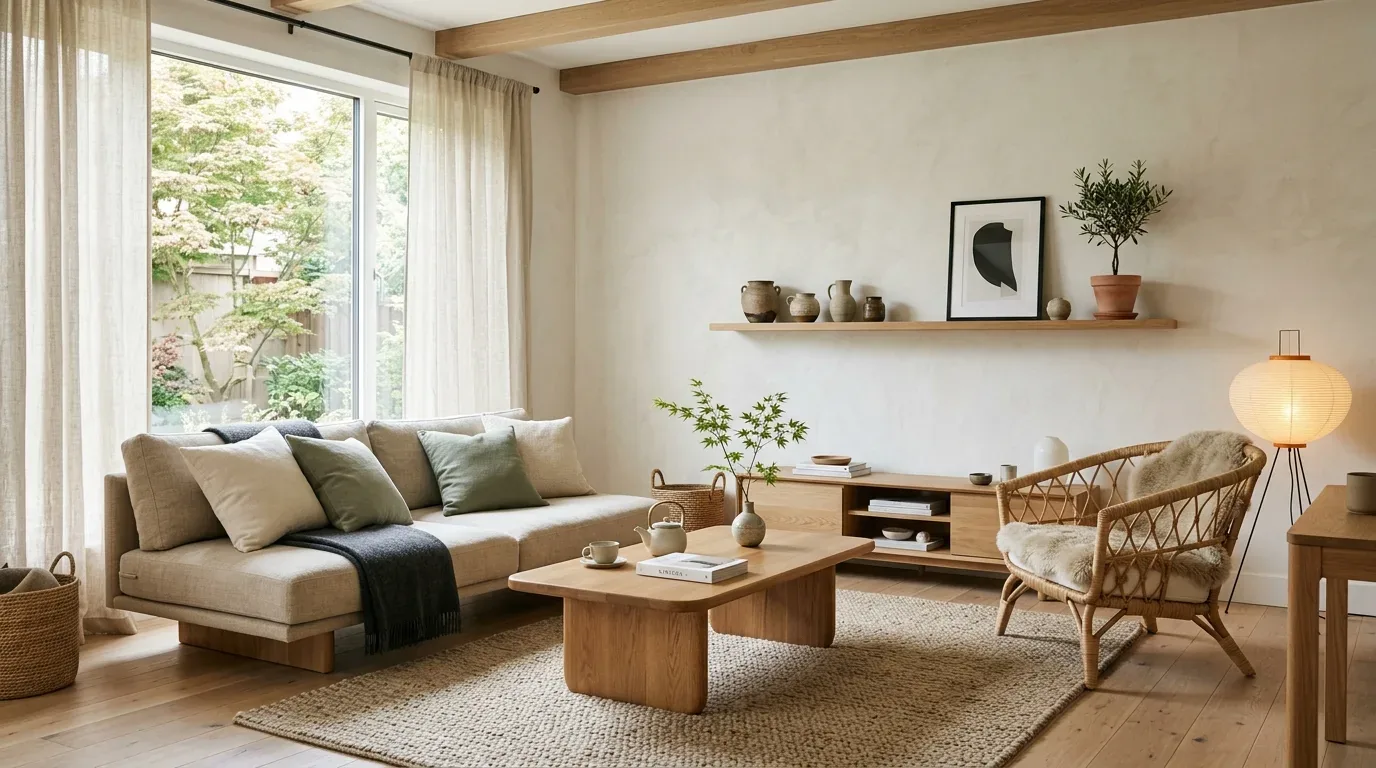
How to Use Natural Tan Effectively in Your Sacramento Home
The homeowner’s real question is often about how to leverage natural tan without making a space feel dull or dated. The first question we ask is whether the space has enough natural light and what mood the client wants to evoke. Natural tan works best in rooms with ample sunlight, where it can glow gently and avoid looking washed out. For example, in a primary living room, pairing natural tan with warm oak floors and brass fixtures creates a cozy, inviting environment. Conversely, in spaces with limited light, accenting tan with layered textures and strategic lighting can prevent the room from feeling flat.
Considering Sacramento’s historic homes, it’s important to acknowledge the architectural context. A natural tan can highlight vintage moldings and built-ins, creating a seamless flow across the space. To maximize its effect, use a matte or eggshell finish to avoid glare, and incorporate textiles like linen curtains or woven rugs to add depth. The key is balancing warmth with restraint, allowing the natural qualities of the materials and light to define the space rather than overwhelming it with color.
Choosing the Right Finish and Complementary Colors for Natural Tan
The second major decision is selecting finishes and complementary hues. A matte or eggshell finish enhances the softness of natural tan and minimizes reflection. For trim and cabinetry, a semi-gloss can add subtle contrast without disrupting the warmth. In our Sacramento projects, pairing natural tan walls with shades like moss green, muted terracotta, or soft greys extends the earthy palette and creates a layered, harmonious look. The National Kitchen and Bath Association emphasizes the importance of balancing neutrals with textured materials to prevent monotony. This approach ensures your interiors feel timeless and grounded, especially in a climate that favors warm, earthy tones.
Lighting plays a crucial role in how natural tan appears throughout the day. Warm, indirect lighting can enhance its golden undertones, while cooler light sources might make it appear more subdued. In Sacramento’s bright, variable light, layering different lighting sources ensures the color stays consistent and inviting. By thoughtfully selecting finishes and complementary colors, you can create a space that feels both elegant and comfortable, a hallmark of good Sacramento design.
Visual Inspiration and Practical Tips for Incorporating Natural Tan
Seeing natural tan in real settings is essential for understanding its impact. In our recent projects, we’ve incorporated large swaths of tan in open-concept living areas, pairing it with textured textiles and natural wood furniture for a relaxed yet refined look. For instance, a living room with tan walls, a linen sofa, and woven jute rugs demonstrates how the color creates a warm, layered environment. In kitchens, natural tan cabinetry paired with stone countertops and matte brass fixtures offers a timeless appeal. For visual inspiration, we recommend exploring design boards that feature earthy palettes and natural materials, emphasizing how light and texture influence the overall feel.
Practical tips include testing paint samples in different light conditions, considering the room’s orientation, and using layered lighting to enhance warmth. Incorporating natural tan as a primary wall color allows flexibility in accents and furniture, making it a go-to choice for creating spaces that feel both classic and current in Sacramento’s diverse architectural landscape.
Observed Failure Modes, How Color Natural Tan Goes Wrong
From our project debriefs and post-occupancy reviews, 2023-2026.
Overly Cool or Stark Use of Tan
One common mistake is choosing a tan shade that leans too cool or appears too flat in natural light, making the space feel sterile or uninviting. This often happens when selecting paint samples without considering the room’s lighting conditions. The cure is to test samples in different parts of the room during various times of day, ensuring the warmth and undertones complement the environment. In Sacramento, where sunlight varies significantly, understanding how natural light interacts with the color prevents a dull outcome and preserves the intended cozy vibe.
Ignoring Material and Finish Choices
Another mistake is pairing natural tan walls with glossy or overly processed finishes that reflect light and diminish the color’s warmth. Using matte or eggshell finishes on walls and warm, natural materials like linen or unvarnished wood enhances its earthy qualities. Failing to match finishes and textures can lead to an unbalanced or overly sterile look. The key is to embrace tactile, natural textures that support the warm, restrained aesthetic that natural tan offers, especially in Sacramento’s historic neighborhoods.
Misjudging the Room’s Lighting Conditions
Many homeowners underestimate how much natural and artificial light influence tan’s appearance. Rooms facing north or with limited windows can make tan look dull or grey, while south-facing rooms highlight its golden undertones. The solution is to tailor your lighting plan, adding warm LEDs, layered fixtures, and reflective surfaces, to enhance tan’s natural warmth. In Sacramento, where weather and daylight hours vary, adjusting lighting strategies ensures the color remains inviting and true to its essence.
Choosing the Wrong Complementary Colors
Pairing natural tan with colors that clash or overpower can undermine its subtlety. Avoid overly saturated or cool-toned accents that disrupt the harmony. Instead, opt for muted greens, warm terracotta, or soft greys to create a cohesive, layered palette. This approach respects natural tan’s versatility and ensures a timeless, balanced interior that endures changing trends.
Overlooking Architectural Context
Applying natural tan without considering architectural details can result in a flat or uninspired look. Highlighting moldings, built-ins, or ceiling details with contrasting or matching finishes adds depth. In Sacramento’s historic homes, respecting the original architecture with carefully chosen colors and textures preserves character while updating the space for modern living.
What's Going Out for 2026
- Using pure white or overly bright colors with natural tan
- Glossy finishes that reflect too much light
- Matching tan with cool-toned or saturated accents
- Ignoring light conditions when choosing tan shades
- Overloading spaces with multiple conflicting neutrals
- Skipping testing paint samples in different lighting
- Choosing synthetic or processed materials over natural textures
- Applying tan in poorly lit or north-facing rooms
- Neglecting architectural details that add depth
- Relying solely on stock shades without customization
What Color Natural Tan Costs in 2026
| Scope | Typical range |
|---|---|
| Refresh scope: walls and minor accessories | $4K-$9K |
| Mid-tier scope: full room renovation with custom finishes | $12K-$30K |
| Estate-scale: complete redesign, high-end materials | $40K-$120K |
Working Notes
What We Have Learned Doing This: Color Natural Tan
“If a color is named in three magazines this year, it will date faster than its lifespan. Choose colors that have looked tasteful for twenty years.”
Undertone is the whole game. A color that looks calm on a chip can turn a room orange or green once it sits against the floor and the afternoon light, which is why we live with full-size samples before committing.
Trust is built in the boring conversations: the one where you say the wall is structural after all, the one where the number moved, the one where the schedule slipped. Clients forgive reality. They do not forgive being surprised by it.
Most of the money that gets wasted is spent solving the wrong problem confidently. A homeowner asks for more space, every contractor agrees and prices an addition, and the real issue turns out to be light, or proportion, or one bad sightline. We make the room tell us the problem before anyone signs a demolition contract.
Specify for the next ten years, not the next photo shoot. The work that holds its value is quiet, well made, and a little bit boring on the day it is installed.
These notes come from our own color natural tan project debriefs. Most were learned the expensive way the first time.
Sources & Professional References
This guide's positions on materials are grounded in published building-code, standards, and recognized design-authority sources, alongside Designed | Curated Interiors' verified credentials and active project files:
- American Society of Interior Designers (ASID): interior-design practice standards
- International Code Council (ICC): Chapter 8 Interior Finish Decorative Materials And Furnishings
- NKBA, Amy Kunst Member Profile (verified credential, NKBA Committee Member)
- Featured in: Homes & Gardens (design expert quote, May 2026) · Sacramento Love (guest author, 2024)
Frequently Asked
What is natural tan in interior design?
How can natural tan be effectively used in Sacramento homes?
What are some popular paint brands that offer natural tan options?
How does lighting affect the appearance of natural tan?
What finishes are recommended for natural tan walls?
Are there common mistakes to avoid when using natural tan?
Why is natural tan considered a good foundation color in Sacramento interiors?
From Color Natural Tan to a Real Room
A trend piece is the briefing document, not the deliverable. The pages below show how we translate these principles into finished rooms across Sacramento and the rest of Northern California.
- Sacramento & Bay Area Interior Design Services How we scope, source, and deliver work end to end.
- Interior Designer Hub, Sacramento Where most of our Sacramento work lives, the regional fit explained.
- Modern Tudor Homes: Authentic, Revival, and Neo-Tudor (A Designer Reference) Heritage-architecture renovation patterns from our project files.
- Japandi Living Room: A Designer's Guide to the 2026 Look The 2026 warm-neutral playbook applied to the living room.