
Designing a concrete patio that complements your interior style and fits your functional needs is a key step in creating seamless outdoor living spaces. The main concern is how to choose a layout that balances aesthetics, usability, and budget while aligning with modern trends.
In 2026, the most effective concrete patio designs prioritize clean lines, versatile layouts, and integrated lighting that extend your interior aesthetic outdoors.
Built from our active project files, this post explores trending concrete patio layouts, finishes, and lighting ideas that harmonize with contemporary interiors. We’ll cover how different configurations can improve flow between indoors and outdoors, compare stamped versus stained concrete, and provide visual examples and detailed diagrams to guide your decision-making. Our focus remains on a warm, restrained designer perspective that ensures your patio enhances your home’s character without overwhelming it.
Direct Answers (Concrete Patio Designs Layouts)
| What are some popular concrete patio design layouts? | Popular layouts include large rectangular slabs and gently curving patios that create a cohesive transition between indoor and outdoor spaces. |
| How can I improve flow and functionality in my concrete patio layout? | Using simple, geometric configurations and defining zones for dining, lounging, and entertainment can enhance flow and usability. |
| What regional considerations should I keep in mind for Sacramento's concrete patio designs? | Light-colored, textured finishes that resist heat absorption and weathering are ideal for Sacramento’s warm climate, blending with local architectural styles. |
| How do I choose the right layout to save costs? | Opting for simple, well-planned rectangular slabs aligned with the house can reduce costs and construction time while maximizing space. |
Prioritizing Flow and Functionality in Concrete Patio Layouts
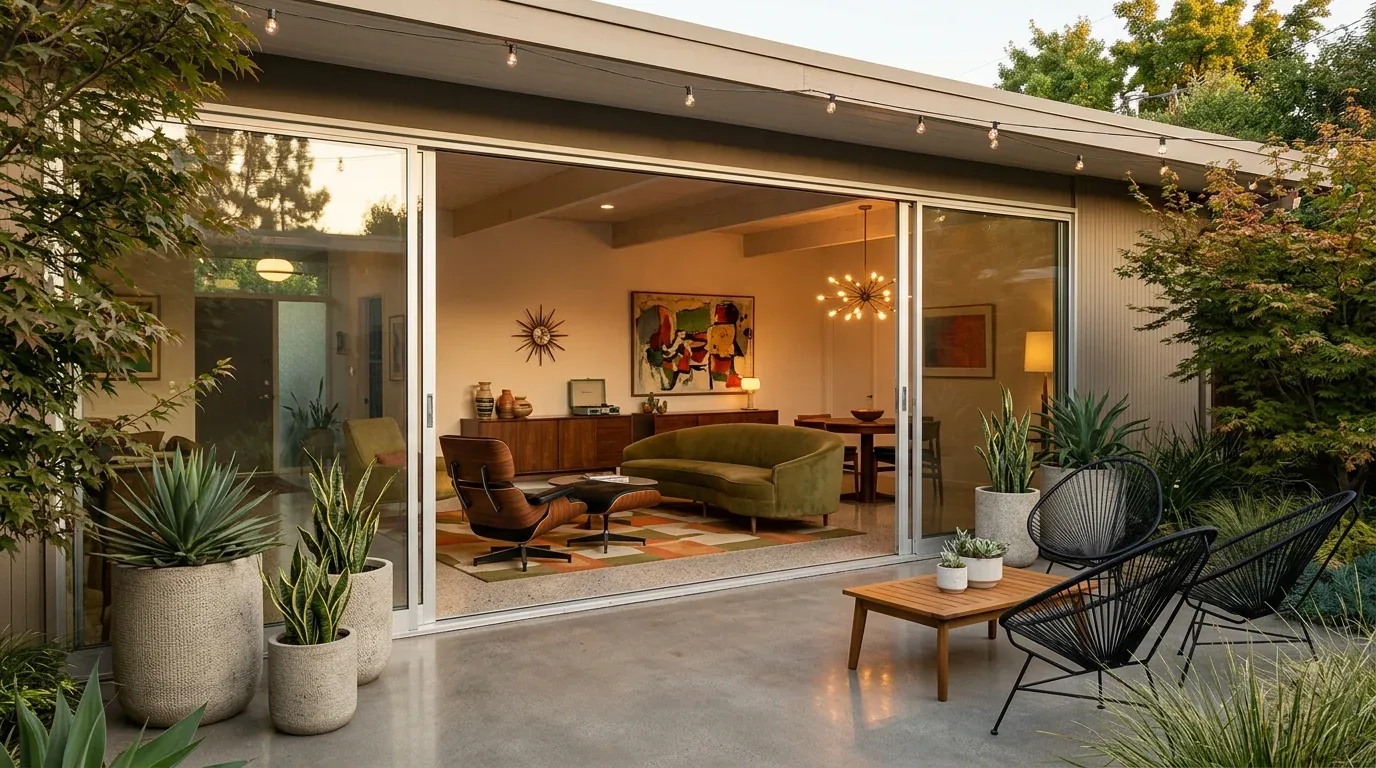
In designing a concrete patio, the first major move is to focus on how the layout enhances the flow between indoor living spaces and the outdoor environment. Across our active project specifications, we see that simple, geometric configurations such as large rectangular slabs or gently curving patios tend to create a calm, cohesive transition. These layouts not only complement modern interior aesthetics but also improve usability by providing clear zones for dining, lounging, and entertainment.
Choosing the right layout influences furniture placement and circulation. For example, a centrally located rectangular slab can serve as a versatile foundation for outdoor sofas and dining tables, while a more segmented layout with defined zones offers flexibility for different uses. Integrating lighting into these configurations, such as embedded LED strips or pathway lights, further extends usability into the evening hours, creating a welcoming ambiance. The key is balancing simplicity with visual interest, ensuring your patio feels intentional and harmonious with your home's interior style.
Material Specificity for Modern Concrete Patios
Authenticity-grade materials
- Broom-finished concrete, for slip resistance and understated texture, ideal for casual outdoor spaces
- Exposed aggregate, adds visual interest and durability, perfect for high-traffic areas
- Stamped concrete, mimics natural stone or brick, offering decorative options with cost efficiency
- Stained concrete, provides color variation that complements interior palettes, especially in warm tones
- Polished concrete, for a sleek, modern look, suitable in contemporary homes with minimalist interiors
- Integral color, uniform color throughout the slab, ensuring a cohesive appearance
- Textured finishes, like bush-hammered or troweled, for tactile surface variation
- Sealer types, matte or satin finishes to control sheen and protect the surface
Generic-grade tells we refuse to spec
- Plain gray concrete, standard, but often looks dated
- High-gloss finishes, prone to show fingerprints and wear
- Bright colors, often clash with subtle interior styles
- Overly smooth surfaces, lack slip resistance and character
- Heavy stamped patterns, can look busy and interfere with flow
- Low-quality stains, fade quickly in sunlight
- Unsealed porous surfaces, prone to staining and weather damage
How to Decide on the Best Layout for Your Concrete Patio
The core question often revolves around how to choose a layout that maximizes flow and usability without overcomplicating the design. The first question we ask homeowners is what activities they envision most, dining, lounging, entertaining, and how they want the space to relate to the interior. For example, a simple rectangular slab aligned with the back door can serve as a versatile foundation, while segmented zones with curved edges foster a more relaxed atmosphere.
Understanding your home's architecture and landscape is critical. Using tools like a tape measure and reviewing site photos helps clarify what layout works best. For instance, in several recent projects, homeowners assumed they needed a large, open slab, but after sketching options on site, they realized a smaller, well-defined area with integrated lighting created a more intimate, functional space. Cost-wise, simple layouts tend to be more affordable and easier to maintain. The key is balancing visual harmony with practical usability, especially in Sacramento’s climate where durability matters.
Choosing Between Stamped and Stained Concrete for Your Style
The decision between stamped and stained concrete often hinges on the desired aesthetic and budget. Stamped concrete offers a pattern or texture that mimics natural stone or brick, ideal for a traditional or rustic look. Stained concrete, on the other hand, provides a more subtle, color-rich surface that complements modern, minimalist interiors.
Across our active projects, we see that stamped concrete tends to cost more initially but offers a high-impact, decorative appearance. Stained concrete is generally more affordable, especially when applied over existing slabs, and provides a durable, weather-resistant surface suitable for Sacramento’s climate. The American Society of Interior Designers emphasizes that selecting finishes with matte or satin sheens reduces glare and enhances longevity, especially in outdoor settings. Your choice should align with your overall home style, maintenance preferences, and how much visual texture you want to introduce into your outdoor space.
Common Mistakes in Concrete Patio Design and How to Avoid Them
One of the most frequent mistakes is opting for overly complex layouts that hinder flow and increase costs. For example, segmented zones with intricate patterns can look busy and may disrupt the natural movement. Another common pitfall is neglecting proper finishes, using slick, glossy surfaces that become slippery when wet or fade quickly in sun exposure. Lastly, ignoring regional weather conditions can lead to durability issues, especially if the concrete isn’t textured or sealed properly.
To avoid these issues, focus on simple, clean lines that promote seamless indoor-outdoor flow, select finishes suited for weathering, and incorporate lighting that enhances usability during evening hours. In Sacramento, prioritizing durability and ease of maintenance ensures your investment remains beautiful and functional for years to come.
Observed Failure Modes, How Concrete Patio Designs Layouts Goes Wrong
From our project debriefs and post-occupancy reviews, 2023-2026.
Overly Complex Layouts Reduce Usability
Many homeowners believe that intricate, segmented patio layouts look more stylish. However, these complex configurations can create awkward traffic flow and make furniture placement difficult. The result is a space that feels disjointed and less functional. The cure is to embrace simple, geometric layouts that prioritize ease of movement and clear zones. For example, a large rectangular slab with subtle divisions for dining and lounging areas often offers the best ROI, especially in Sacramento’s climate where simplicity enhances durability and maintenance.
Ignoring Regional Climate Impacts
Some design choices overlook Sacramento’s hot, dry summers and mild winters. Using glossy or dark finishes can absorb heat and make outdoor spaces uncomfortable. Likewise, textured or sealed surfaces that resist weathering are crucial for longevity. The key lesson is to select finishes and textures that reflect sunlight and withstand weather, ensuring your patio remains attractive and practical year-round.
Choosing the Wrong Finish for Safety and Durability
Opting for overly smooth or high-gloss finishes can lead to slip hazards when wet and quick wear. Many underestimate the importance of slip-resistant textures and protective sealers. The American Society of Interior Designers highlights that matte or satin finishes with textured surfaces significantly improve safety and lifespan, especially in climates like Sacramento where rain is occasional but storms can be intense.
Underestimating Maintenance Needs
Some homeowners select finishes that require frequent sealing or cleaning, leading to higher long-term costs. For example, unsealed porous surfaces stain easily and degrade faster. The best approach is to choose low-maintenance finishes like stamped or stained concrete with appropriate sealers, which resist weathering and fading while requiring minimal upkeep. This is especially important in Sacramento, where outdoor durability directly influences value.
What's Going Out for 2026
- Overly ornate stamped patterns that clash with modern interiors
- Brightly colored concrete that fights natural landscape tones
- Glossy finishes that become slippery and show fingerprints
- Complex segmented layouts that hinder flow
- High-maintenance textures requiring frequent sealing
- Dark colors that absorb heat and cause discomfort
- Unsealed porous surfaces prone to staining
- Inconsistent finishes that age poorly
What Concrete Patio Designs Layouts Costs in 2026
| Scope | Typical range |
|---|---|
| Refresh scope with minimal changes | $12K - $20K |
| Mid-tier custom design with decorative finishes | $20K - $45K |
| Estate-scale, highly decorative or expansive | $50K - $150K |
Working Notes
What We Have Learned Doing This: Concrete Patio Designs Layouts
“A finish you cannot maintain is a finish you cannot afford.”
A renovation is a dependency chain, not a list of tasks. A two-day cabinet delay quietly becomes a two-week slip by week sixteen because every trade downstream is holding a calendar. The least glamorous part of this work, and the most valuable, is keeping that chain from cascading.
Order the long-lead items before anything else and design the sequence so the rest of the job can proceed without them. The appliance, the stone, the custom millwork set the schedule, and pretending otherwise is how a project loses a month it never gets back.
Specify for the next ten years, not the next photo shoot. The work that holds its value is quiet, well made, and a little bit boring on the day it is installed.
These notes come from our own concrete patio designs layouts project debriefs. Most were learned the expensive way the first time.
Sources & Professional References
This guide's positions on materials are grounded in published building-code, standards, and recognized design-authority sources, alongside Designed | Curated Interiors' verified credentials and active project files:
- American Society of Interior Designers (ASID): interior-design practice standards
- International Code Council (ICC): Chapter 8 Interior Finish Decorative Materials And Furnishings
- NKBA, Amy Kunst Member Profile (verified credential, NKBA Committee Member)
- Featured in: Homes & Gardens (design expert quote, May 2026) · Sacramento Love (guest author, 2024)
Frequently Asked
What are some popular concrete patio design layouts?
How can I improve flow and functionality in my concrete patio layout?
What regional considerations should I keep in mind for Sacramento's concrete patio designs?
How do I choose the right layout to save costs?
What tools or methods can help me plan my concrete patio layout?
From Concrete Patio Designs Layouts to a Real Room
A trend piece is the briefing document, not the deliverable. The pages below show how we translate these principles into finished rooms across Sacramento and the rest of Northern California.
- Sacramento & Bay Area Interior Design Services How we scope, source, and deliver work end to end.
- Interior Designer Hub, Sacramento Where most of our Sacramento work lives, the regional fit explained.
- Modern Tudor Homes: Authentic, Revival, and Neo-Tudor (A Designer Reference) Heritage-architecture renovation patterns from our project files.
- Japandi Living Room: A Designer's Guide to the 2026 Look The 2026 warm-neutral playbook applied to the living room.