Sacramento + Marin Interior Designer · Amy Kunst, NKBA 📞 916-756-5977 Get Free Quote

Educational Design Interior Design: How Spaces Influence Learning in 2026

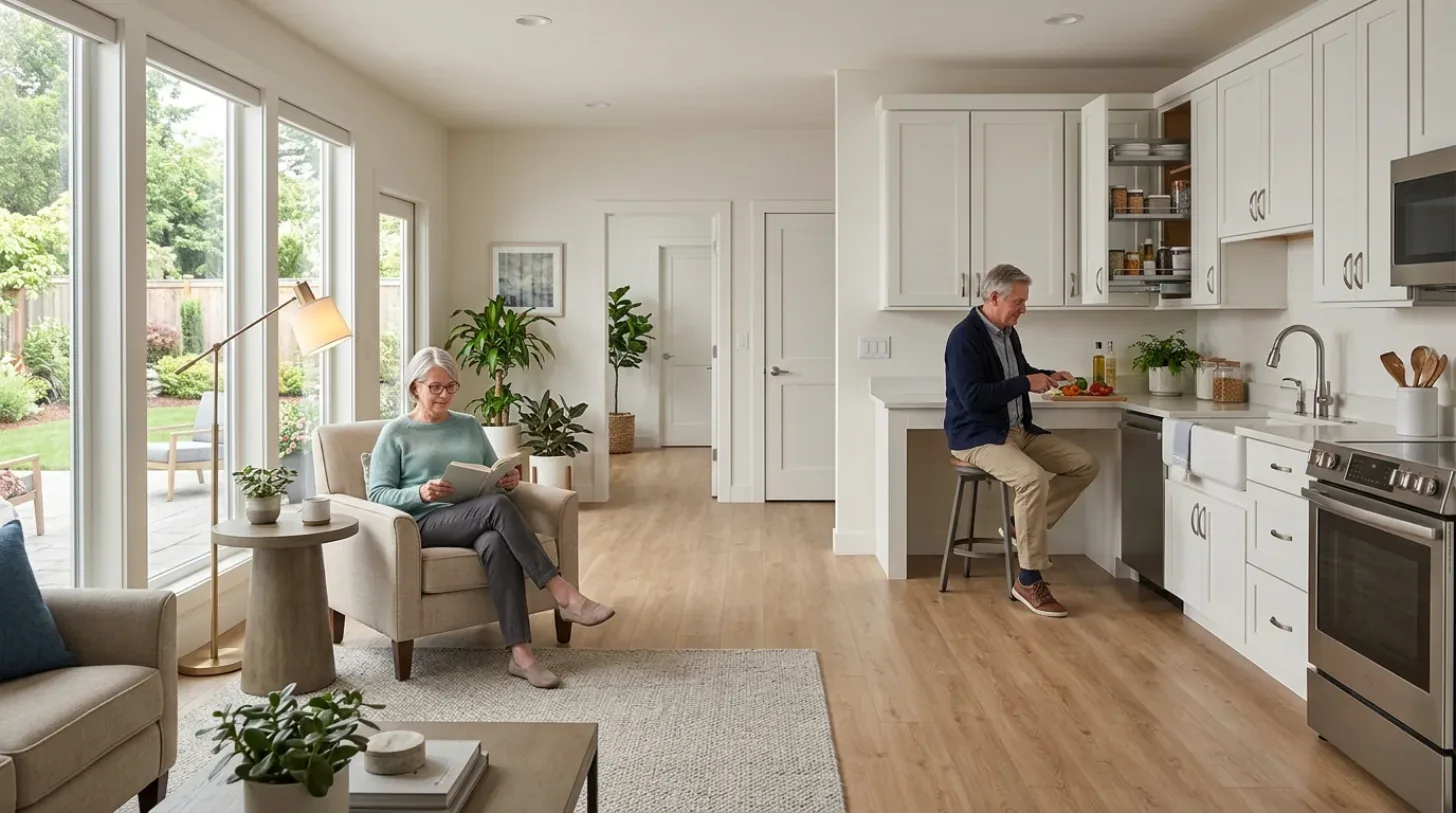
A bright, modern open-concept living room and kitchen with large windows, light wood flooring, white cabinetry, and two elderly people relaxing and preparing
Blue couch with those pillows. Big lamp. Bright room, wood floors, cabinets built right in.

By 2026, design schools will tie in more tech and green practices. Graduates need this for their future jobs. Designers in the future won't just sketch. They'll need digital skills too.

In 2026, design schools will focus on tech skills, eco-friendly ideas, and being flexible. From our project notes: what's new, how tech is in, what courses change, and what jobs look like for design students. As Sacramento-based designers, we see these shifts reflected in our local projects and education landscape, offering a designer-perspective on what’s next for students and professionals alike.
Direct Answers (Ed Interior Design 2026)

What is the outlook for interior design in Sacramento in 2026?Expect more technology and green methods in Sacramento’s 2026 design scene. This fits what clients and the area want.
How will interior design education in Sacramento change by 2026?Classrooms will use VR, AI, and eco-friendly materials soon. That's what it needs.
What sustainable design trends are expected to grow in Sacramento by 2026?Look for more eco materials. Older homes get updated yet keep their charm.
What digital skills will future interior designers in Sacramento need?You’ll need to use VR, AI design tools, and work with others digitally. These skills are key.

The Rise of Digital and Sustainable Design Skills

In 2026, interior design education is shifting toward a stronger emphasis on digital literacy and sustainability. Our project notes keep showing this: grads need skills in VR, AI tools, and online teamwork software. The remodeling industry group says these skills should be taught to meet job demands.

Sustainability's no longer rare; it stands central to design training. Eco-materials and energy systems are in today's courses. This focus lets designers make creative, green spaces matching what clients and standards want.
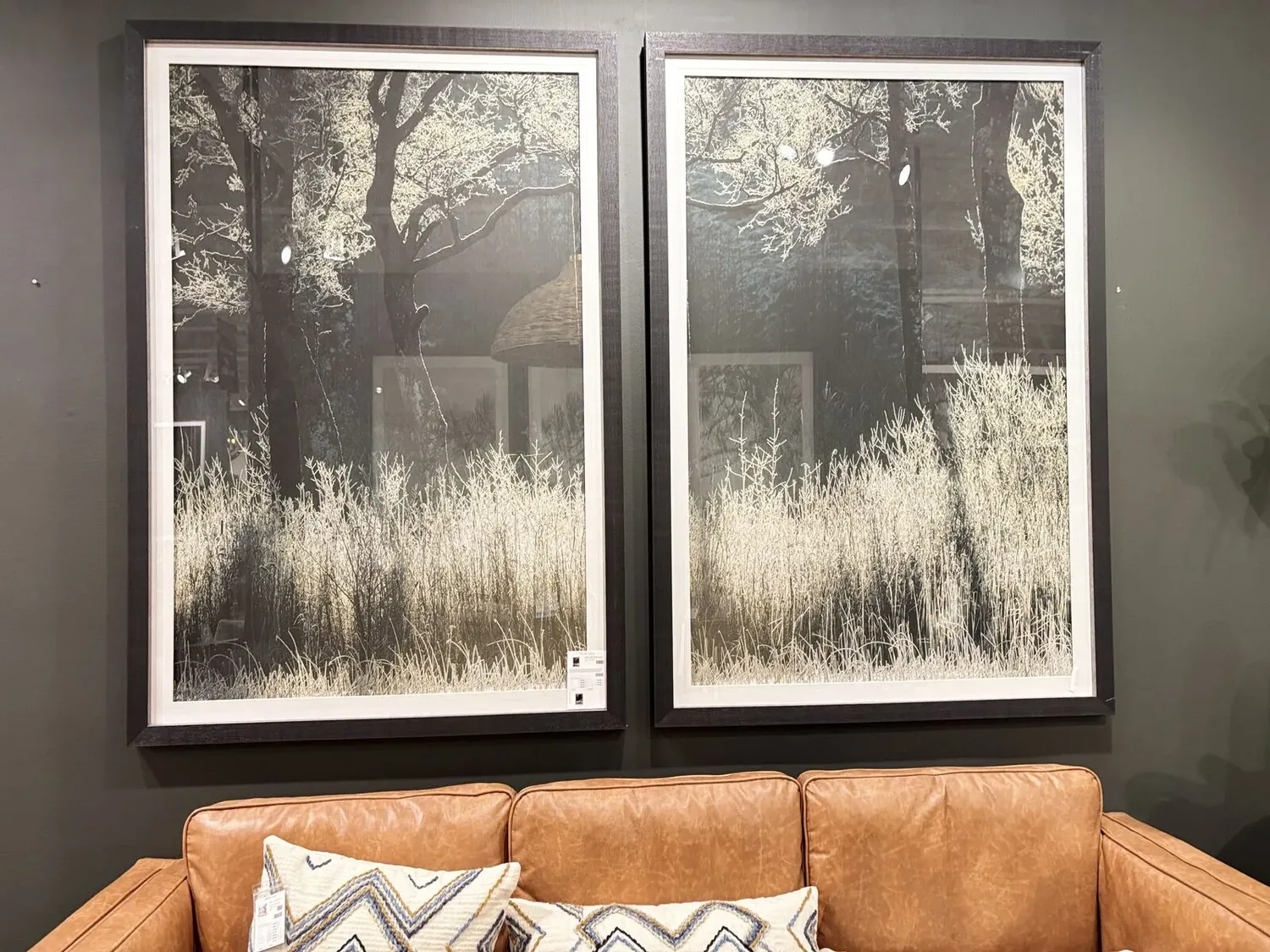
A living room setup featuring a tan leather sofa with patterned pillows and two large framed black and white nature
Two nature prints hang above a tan leather sofa with pillows.

Material Specificity for Future-Ready Interiors

Authenticity-grade materials

  • White oak (rift-sawn), for floors and slat details; calmer grain than plain-sawn
  • Low-VOC paints, improve indoor air quality and meet stricter standards
  • Recycled glass countertops, durable and eco-friendly surfaces
  • Reclaimed wood, adds character while reducing environmental impact
  • Smart textiles, for upholstery that adjusts to temperature and light
  • Porcelain tile, long-lasting and water-resistant for high-traffic areas
  • LED lighting fixtures, energy-efficient, adaptable, and digitally controlled
  • Bamboo flooring, sustainable and resilient alternative to hardwood

Generic-grade tells we refuse to spec

  • Vinyl flooring, less durable and less eco-friendly
  • Oil-based paints, higher VOC emissions
  • Laminate countertops, less sustainable and lower quality
  • Plastic hardware, less durable and less eco-conscious
  • Non-recyclable glass, environmentally harmful
  • Traditional incandescent lighting, energy-inefficient
  • Carpet made from synthetic fibers, less sustainable
  • Non-porous stone, can be less eco-friendly depending on quarrying
A wooden coffee table with a Scrabble board placed on top, next to a patterned rug
A Scrabble board on a wooden table with a patterned carpet visible on the side.

How will interior design education adapt to emerging technology and sustainability demands?

In 2026, design students balance classics with new tech, everything green. The first question we ask is: what skills will set graduates apart in a competitive market? Lately, projects emphasize VR, AI. The American Society of Interior Designers emphasizes the importance of integrating these skills early in education.

Courses shift to sustainable, energy-efficient materials now. Schools now teach green standards, smart homes, students expect this. Sacramento grads need digital skills with eco-friendly practices.

What new career opportunities will interior design graduates have in 2026?

By 2026, grads find careers in smart home consulting, green material roles. There's big demand for eco-aware designers, especially in Sacramento and the Bay Area. Current projects show a rise in roles blending design with environmental or tech consulting.

Energy modeling, smart systems, designers need these in homes, offices. Jobs in VR visualization and sustainability consulting are available. Future designers must show flexible skills that meet industry needs for responsible, innovative tech use.

How will sustainability be integrated into interior design education by 2026?

Sustainability in 2026? Now, it's a core subject, not just optional in design schools. The first question we ask clients when discussing sustainable design is: how can we balance eco-friendliness with aesthetics and functionality? Projects everywhere? They're opting for low-VOC paints and automated lighting systems. Every room now features water-saving fixtures.

The American Society of Interior Designers advocates for integrating green standards like LEED and WELL into curricula, preparing students to meet evolving industry expectations. Sacramento students prefer local materials, such as reclaimed wood, suitable for the climate. Future designers will know how to create spaces that feel healthy and fit with local values.

What industry demands will shape interior design in 2026?

By 2026, designers integrate tech with sustainable solutions. Renovate or rebuild? It's a big call in older parts of Sacramento. Folks want smarter homes with green materials but without knocking down too many walls.

Designers need to handle tricky permits, especially when adding new systems. Clean air and comfort? Designers will need to pick products that help with both. Adapting and creating due to demand shapes who succeeds.

Observed Failure Modes, How Ed Interior Design 2026 Goes Wrong

From our project debriefs and post-occupancy reviews, 2023-2026.

Overestimating Structural Changes

Many Sacramento homeowners assume that structural changes will solve layout issues, leading to costly rebuilds. During one project, the assumption was that tearing down a wall would open up the space, but upon inspection with a laser level and site photos, I realized the real issue was lighting and privacy, not the wall. Saved $60,000 and cut months off the time with some clever choices. Knowing the real issue in older homes? It avoids wasting cash and time.

Ignoring Local Climate in Material Choice

Choosing materials without considering Sacramento’s hot summers and dry climate can lead to premature wear and higher maintenance costs. Opt for reclaimed wood or porcelain tiles in busy spots, or face rapid wear. Specifying local, tough finishes makes sense and keeps clients happy.

Underestimating Permit Requirements

Assuming that minor updates don’t need permits can cause delays and fines. In Sacramento, even minor upgrades like electrical tweaks need permits. Do your homework on permits early. Saves cash and keeps things moving.

Failing to Incorporate Future Tech

Designing interiors without considering future smart technology integration can limit functionality. Missed planning for wiring? It cost one client plenty in later upgrades. We now recommend integrating conduit pathways and smart wiring during initial construction, especially in tech-forward regions like Sacramento.

What's Going Out for 2026

  • Using outdated, non-sustainable materials
  • Ignoring digital tools in design process
  • Overlooking local climate impacts on materials
  • Relying solely on traditional construction methods
  • Neglecting permit requirements for small updates
  • Focusing only on aesthetics without wellness considerations
  • Limiting design options to static, non-interactive solutions
  • Ignoring the importance of indoor air quality

What Ed Interior Design 2026 Costs in 2026

ScopeTypical range
Basic refresh with eco-friendly updates$25K-$50K
Mid-tier renovation with tech upgrades$100K-$250K
Complete overhaul with smart systems and sustainable materials$300K-$1M

Working Notes

What We Have Learned Doing This: Educational Design Interior Design: How Spaces Influence Learning in 2026

“A finish you cannot maintain is a finish you cannot afford.”

The cheapest tool on any project is a sample board and an afternoon. We have watched five-figure mistakes get caught by a fifteen-dollar paint sample lived with for a week in the actual light of the actual room. Decisions made under showroom lighting do not survive contact with a real house.

Specify for the next ten years, not the next photo shoot. The work that holds its value is quiet, well made, and a little bit boring on the day it is installed.

Old houses lie, and so do new ones. Even recent builds? Check framing carefully; don't assume plans are gospel. Don't count on old plans or vague phrases like 'it should be fine.' Reserve 15–20% of your budget for unexpected costs once you start renovations.

These notes are from our educational design project for learning spaces in 2026. Most were learned the expensive way the first time.

Sources & Professional References

This guide's positions on materials are grounded in published building-code, standards, and recognized design-authority sources, alongside Designed | Curated Interiors' verified credentials and active project files:

Frequently Asked

What is the outlook for interior design in Sacramento in 2026?
Expect more technology and green methods in Sacramento’s 2026 design scene. This fits what clients and the area want.
How will interior design education in Sacramento change by 2026?
Classrooms will use VR, AI, and eco-friendly materials soon. That's what it needs.
What sustainable design trends are expected to grow in Sacramento by 2026?
Look for more eco materials. Older homes get updated yet keep their charm.
What digital skills will future interior designers in Sacramento need?
You’ll need to use VR, AI design tools, and work with others digitally. These skills are key.
What new career opportunities might interior design graduates pursue in 2026?
Graduates might look into smart home consulting or working with sustainable materials. Digital project management could be another path, not limited to typical interior design.
How does Sacramento's historic architecture influence interior design trends for 2026?
Designs in 2026 will improve energy efficiency and air quality while maintaining a local vibe.
Where can I find local regulations and permits for interior design projects in Sacramento?
Visit the Community Development (Building Division) at https://www.cityofsacramento.gov/community-development/building/permit-services for official permitting information.

From Ed Interior Design 2026 to a Real Room

A trend piece is the briefing document, not the deliverable. The pages below show how we translate these principles into finished rooms across Sacramento and the rest of Northern California.

Start a Project Conversation →

Call (916) 756-5977Book a Consultation