Sacramento + Marin Interior Designer · Amy Kunst, NKBA 📞 916-756-5977 Get Free Quote

Elk Grove 1920s Craftsman Restoration Interior Designer

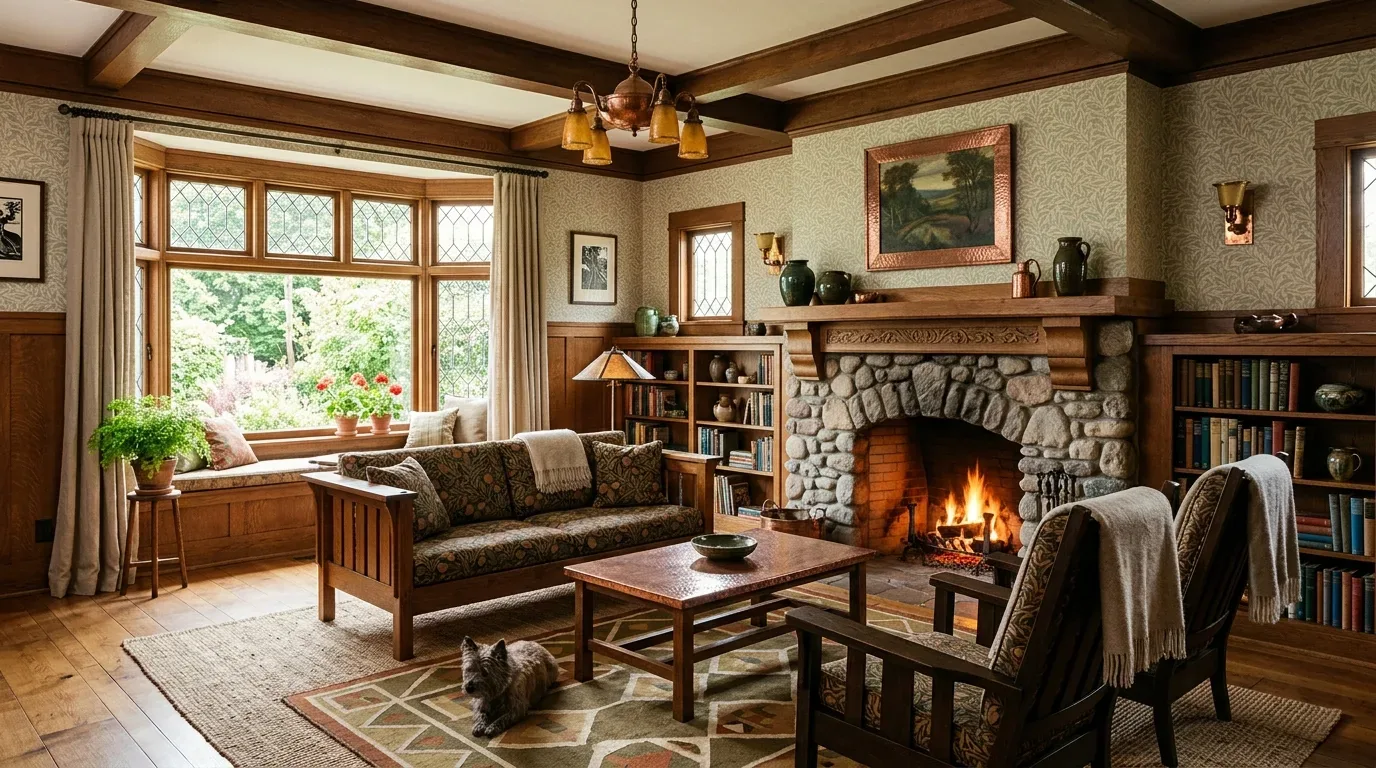
A cozy living room with a stone fireplace, wooden furniture, built-in bookshelves, and a large window with a window seat
A cozy living room with a stone fireplace, wooden furniture, built-in bookshelves, and a large window with a window seat.

Finding an interior designer in Elk Grove who specializes in restoring 1920s Craftsman-style homes can seem daunting, but the right expertise makes all the difference. Expertise in authentic Craftsman restorations is crucial for preserving the character and value of these historic homes in Elk Grove. This post will guide you through the key qualities to look for, including past project examples, sourcing period-appropriate materials, and navigating local regulations. We’ll also cover what to expect in terms of costs and timelines, grounded in real-world Elk Grove projects and insights from our active project files.

Built from our active project files, this guide offers a clear lens on how experienced interior designers approach Craftsman restorations in Elk Grove. You’ll learn how they incorporate authentic elements, source period fixtures, and manage project scopes effectively. Whether you’re considering a full rebuild or a careful renovation, understanding these specifics will help you make informed decisions aligned with your home’s historic value and your personal style.

Direct Answers (Elk Grove 1920s Craftsman Restoration Interior Designer)

What should I look for in an interior designer specializing in 1920s Craftsman restoration in Elk Grove?Look for experience in authentic Craftsman restorations, examples of past projects, and knowledge of sourcing period-appropriate materials.
How do interior designers in Elk Grove ensure the preservation of historic Craftsman features?They incorporate authentic elements like handcrafted woodwork, built-in cabinetry, and vintage hardware, sourcing period-appropriate materials and respecting original architecture.
What factors influence the cost of a Craftsman home restoration in Elk Grove?Costs depend on the scope of work, sourcing authentic materials, and project complexity, with examples like a project exceeding $70,000 for kitchen updates.
Are there local regulations in Elk Grove that affect Craftsman restorations?Yes, the Elk Grove Building Safety Division provides guidelines that encourage careful preservation and compatible upgrades for historic homes.

Elk Grove 1920s Craftsman Restoration Interior Designer 2026 at a Glance

ElementInOut
AuthenticityAuthentic Craftsman details emphasizedGeneric modern styles
MaterialsUse of period fixtures and materialsMass-produced fixtures
Design ApproachFocus on preserving original characterOverlooking original craftsmanship
CostCost range $80K-$250KLow-cost, high-volume materials
RegulationsLocal historic guidelines consideredIgnoring local restoration rules
Materials SourcingTimelines 4-8 monthsUnrealistic timelines
TimelineSourcing period-appropriate fixturesUsing modern fixtures only
Craftsmanship FocusDesigns incorporate handcrafted woodworkOver-customized interior elements
CustomizationCustom sourcing of fixtures and finishesIgnoring historic authenticity

Prioritizing Authentic Craftsman Elements in Restoration

Restoring a 1920s Craftsman home in Elk Grove begins with a deep understanding of its hallmark features. Across our active project specifications, we emphasize authentic craftsmanship such as handcrafted woodwork, built-in cabinetry, and tapered columns. These elements are fundamental for preserving the home’s historic integrity and value. Our approach involves meticulous sourcing of period-appropriate materials like oak, stained glass, and vintage hardware, ensuring each detail reflects the era’s craftsmanship.

In Elk Grove, many homeowners want to maintain the original charm while updating for modern living. Our design process carefully balances these goals by integrating authentic elements seamlessly. For example, we might incorporate period-accurate lighting fixtures from specialty suppliers or reclaimed wood for flooring, always respecting the home’s original architecture. This thoughtful approach ensures the home’s character remains intact, creating a timeless aesthetic that appeals to both the heart and the market.
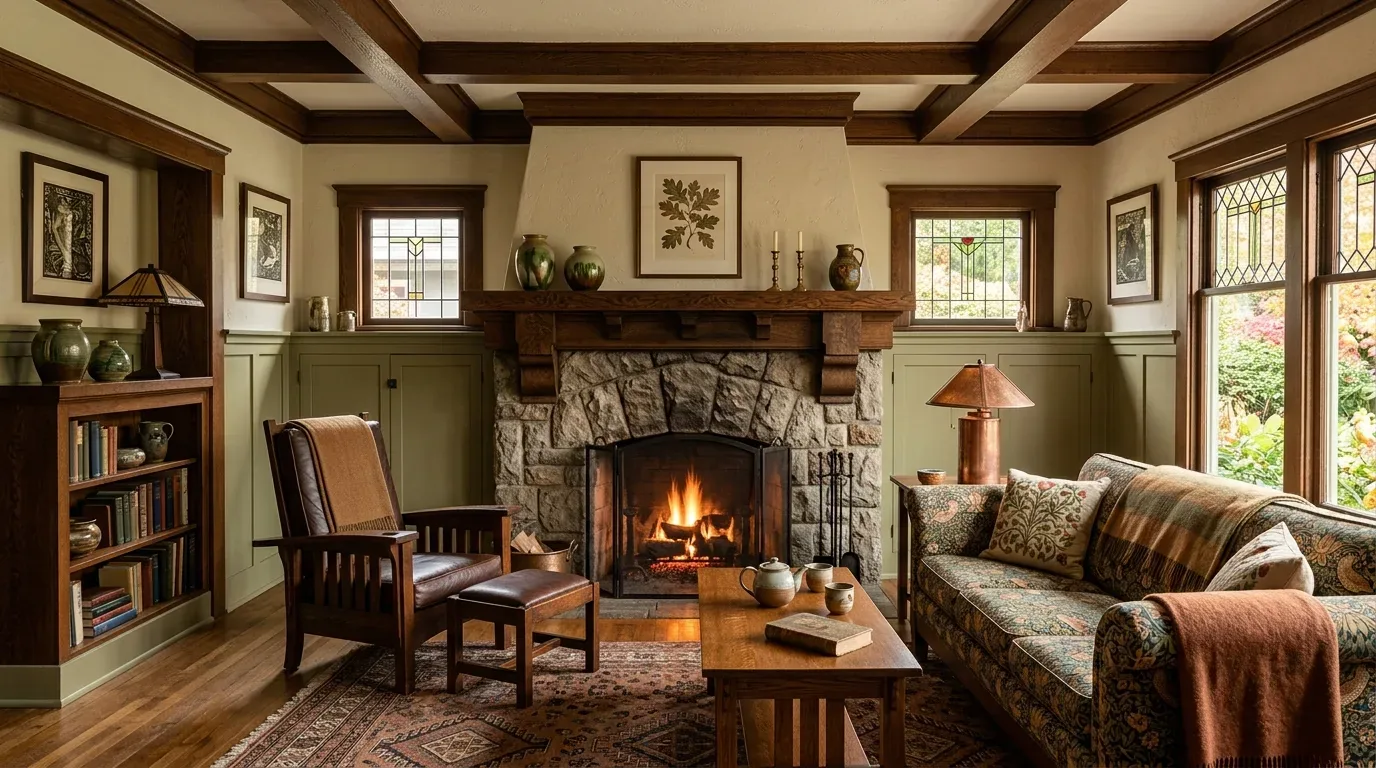
A cozy living room with a stone fireplace, wooden beams, stained glass windows, and traditional furniture
A cozy living room with a stone fireplace, wooden beams, stained glass windows, and traditional furniture.

Material Specificity for Authentic Craftsman Restorations

Authenticity-grade materials

  • White oak (rift-sawn), for floors and slat detail; calmer grain than plain-sawn
  • Stained glass, handcrafted panels for windows and doors
  • Vintage hardware, original or reproduction cast iron, bronze, or brass
  • Reclaimed wood, for beams, cabinetry, and millwork
  • Ceramic tiles, handcrafted, period-appropriate patterns for backsplashes
  • Paint finishes, matte or satin, historically accurate colors
  • Porcelain fixtures, vintage-inspired sinks and toilets
  • Textured plaster, for walls and ceilings to match 1920s finishes

Generic-grade tells we refuse to spec

  • Mass-produced laminate countertops
  • Modern vinyl flooring
  • Synthetic hardware finishes
  • Pre-finished drywall
  • Plastic light fixtures
  • Standard white paint
  • Contemporary glass hardware
  • Engineered wood flooring

Why Elk Grove Homeowners Are Embracing Craftsman Restorations

In Elk Grove, the historical character of Craftsman homes suits the region’s bungalow and ranch-style architecture, which often features generous footprints and simple, handcrafted details. These homes benefit from thoughtful restoration that respects their original design while accommodating modern needs. The region’s abundant natural light and mature landscape provide a perfect backdrop for authentic Craftsman interiors, emphasizing warm wood tones and artisanal finishes.

Our experience shows that Elk Grove homeowners value craftsmanship and authenticity, often seeking to preserve the original charm during renovations. The local building safety division’s guidelines, available at Elk Grove Building Safety Division, encourage careful preservation and compatible upgrades. Incorporating authentic materials and period-appropriate fixtures aligns well with Elk Grove’s historic homes, ensuring that restorations enhance both the aesthetic and resale value. For more on regional design trends, visit our Sacramento interior designer hub for insights tailored to the area.
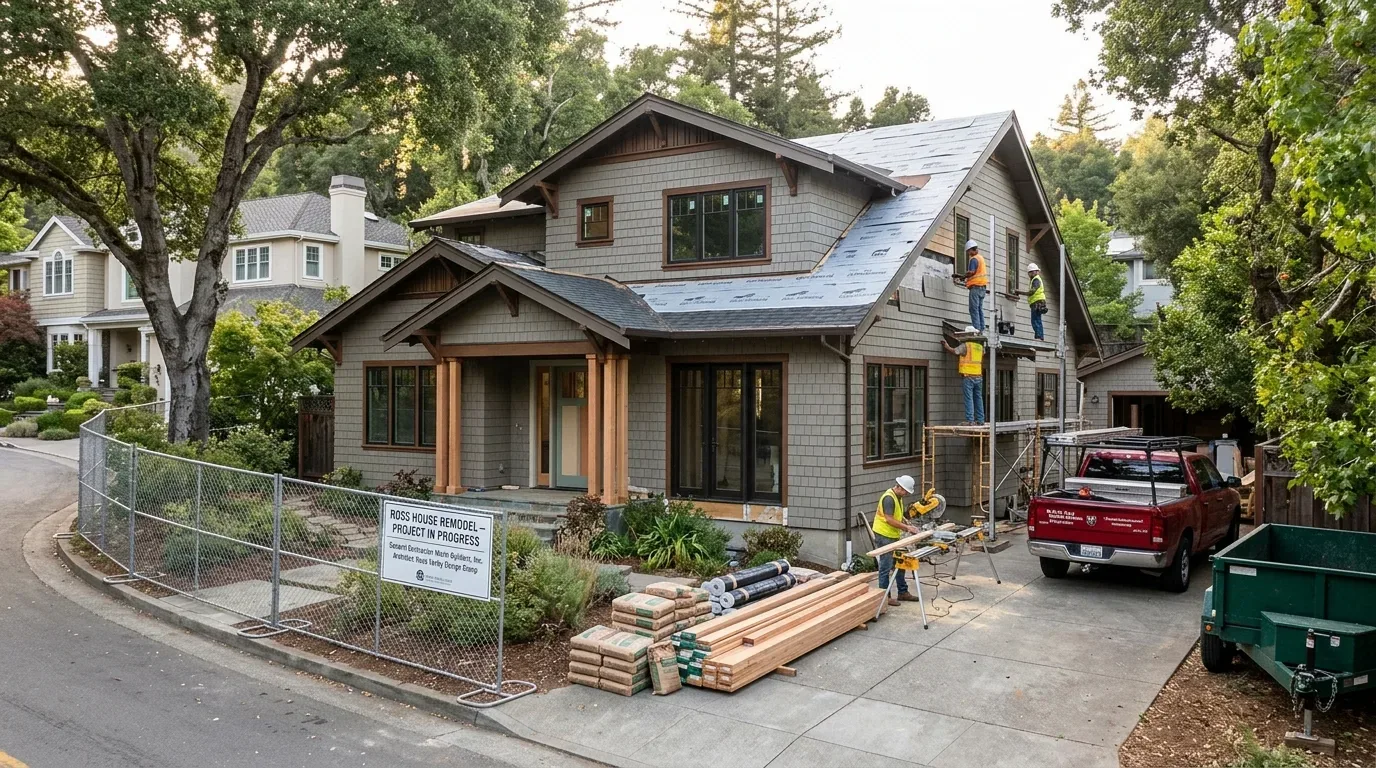
A craftsman-style house undergoing exterior remodeling with workers installing siding and construction materials on site
A craftsman-style house undergoing exterior remodeling with workers installing siding and construction materials on site.

How to Source Authentic Period-Appropriate Fixtures and Materials

One of the key decisions in a Craftsman restoration is sourcing period-appropriate fixtures and materials. The first question we ask homeowners is whether they want to replicate the original look exactly or incorporate subtle updates for modern comfort. In several recent projects, we’ve found that authentic hardware from specialty suppliers or reclaimed fixtures from vintage markets provide the best balance of authenticity and durability. The American Society of Interior Designers emphasizes the importance of sourcing from suppliers who understand period details to avoid the common pitfall of mixing incompatible styles.

For example, in the Two Mile Project, we carefully evaluated hardware options and discovered that some reproductions looked too polished compared to original cast iron pieces. Using vintage hardware restored by artisans, we achieved a genuine Craftsman feel. This process involves examining existing fixtures, consulting historic catalogs, and sometimes custom-fabricating replacement parts. The goal is to preserve the home’s story while ensuring the fixtures meet modern safety standards. Budgeting for authentic fixtures typically ranges from $2,000 to $8,000 depending on scope, but the authentic look and feel are well worth the investment in Elk Grove’s historic homes.

What Are the Typical Costs and Timelines for Craftsman Restorations in Elk Grove?

Restoring a Craftsman home in Elk Grove generally falls within a cost range of $80,000 to $250,000 for comprehensive interior work, depending on the scope and level of authenticity desired. Smaller updates such as restoring woodwork and fixtures might be closer to $80,000, while major structural or rebuild projects can approach $250,000. The timeline for a full restoration usually spans four to eight months, factoring in sourcing authentic materials, permit approvals, and craftsmanship-intensive work. The local building safety division’s permit process, detailed at Elk Grove permits page, can influence project schedules.

In our experience, projects that prioritize early planning around authentic sourcing and detailed scope definitions tend to stay within budget and schedule. Unexpected delays often occur when homeowners opt for custom fixtures last minute or when permit issues arise, especially in designated historic districts. Clear communication and early engagement with local authorities help ensure a smooth process, making the investment in time and money worthwhile for long-term home value and character preservation.

Are There Local Regulations or Guidelines for Restoring Craftsman Homes in Elk Grove?

Elk Grove’s local regulations emphasize the preservation of historic character, especially in designated districts or homes near historic landmarks. The city’s Building Safety Division encourages restorations that comply with guidelines outlined in the city’s historic preservation ordinances. These often require review and approval for significant structural or exterior changes. The American Institute of Architects’ guidance on historic preservation underscores the importance of working with local authorities early in the project to navigate these regulations effectively.

In practice, this means obtaining permits for any structural modifications, especially when replacing or restoring original woodwork, windows, or roofing. It’s advisable to consult with local permit officials and possibly engage a historic preservation specialist. Our team regularly coordinates with Elk Grove’s planning department to streamline approval processes, ensuring that restorations honor the home’s original design while meeting safety standards. For detailed guidance, visit the Elk Grove Building Safety Division.

Can the Designer Source Period-Appropriate Fixtures and Finishes?

Yes, sourcing period-appropriate fixtures and finishes is a core part of our restoration approach. The American Society of Interior Designers highlights the importance of authentic sourcing to maintain historical integrity. We work with specialty vendors, artisans, and reclaimed material suppliers to find fixtures like vintage-style lighting, hardware, and tiles that match the 1920s Craftsman era. Sometimes, we collaborate with local craftsmen to custom-fabricate or restore existing fixtures, ensuring each detail aligns with the home’s original character.

In Elk Grove, many homeowners appreciate the availability of vintage hardware and reclaimed wood, which can be integrated seamlessly into the design. Our goal is to preserve the craftsmanship and patina of original elements whenever possible, upgrading only where necessary for safety and durability. This careful sourcing not only enhances authenticity but also adds to the home's resale appeal, making these investments worthwhile for long-term value.

Observed Failure Modes, How Elk Grove 1920s Craftsman Restoration Interior Designer Goes Wrong

From our project debriefs and post-occupancy reviews, 2023-2026.

Over-Reliance on Modern Materials

A common mistake in Craftsman restorations is substituting modern materials that look similar but lack the authentic texture and patina of original finishes. This can result in a home that feels superficially restored but loses its genuine charm. For example, using synthetic wood veneers instead of reclaimed or hand-sawn wood can compromise the texture and warmth that define Craftsman interiors. To avoid this, always prioritize authentic, textured materials and work with vendors who specialize in period finishes. The impact of this mistake is a loss of character, which can significantly reduce the home's historic and market value.

Ignoring Local Preservation Guidelines

Failing to understand or adhere to Elk Grove’s historic preservation guidelines can lead to costly permit delays or legal issues. This often happens when homeowners or designers attempt structural changes without consulting local authorities early. The American Institute of Architects emphasizes early coordination with local agencies to ensure compliance. Ignoring these rules can result in project halts, fines, or the need for costly rework, which can double the project timeline and budget. Staying informed and working with local permit officials from the outset prevents these issues and preserves the home's integrity.

Choosing Inauthentic Fixtures for Cost Savings

Opting for cheap, mass-produced fixtures instead of authentic period pieces might seem cost-effective initially but can diminish the home's historic value and resale potential. Reproduction hardware and fixtures from reputable sources are more expensive but offer a genuine look and durability. The National Kitchen and Bath Association’s guidance on authentic restoration supports investing in quality period fixtures. This mistake often manifests in a home that appears modern or generic, which can negatively impact resale value and buyer appeal in Elk Grove’s competitive market.

Poor Planning of Circulation and Storage

One of the most overlooked aspects in Craftsman restorations is circulation and storage planning. The first question we ask homeowners is whether they have considered how the space will function daily. In the Spring Creek Project, a homeowner assumed they could add storage later, but during our look at the actual space, we discovered dead corners and door swings blocked circulation. Using tools like a light meter and site photos, we identified that the existing layout could be optimized without major structural changes. The lesson is to plan for storage and circulation early, not as an afterthought, especially in Elk Grove’s bungalow-style homes where space is often limited.

Over-Restoration Leading to a Faux Look

Attempting to recreate every original detail can lead to a home that feels overly staged or artificially restored. Authenticity comes from subtlety and understanding the home's history. For example, overly shiny finishes or reproductions that lack patina can detract from the genuine Craftsman aesthetic. Our approach emphasizes selective restoration, preserving original woodwork, hardware, and finishes whenever possible. This restraint ensures the home looks authentic and lived-in, not museum-like, which resonates well with Elk Grove buyers valuing historic integrity.

What's Going Out for 2026

  • Overusing synthetic or mass-produced fixtures
  • Ignoring local historic preservation rules
  • Replacing original woodwork with cheap alternatives
  • Over-customizing interior details
  • Neglecting proper sourcing of period fixtures
  • Failing to plan for circulation and storage
  • Attempting to modernize without respecting original character
  • Choosing trendy finishes that clash with Craftsman style

What Elk Grove 1920s Craftsman Restoration Interior Designer Costs in 2026

ScopeSacramentoBay Area / Marin
Refresh scope, restoring fixtures and finishes$80K-$120K$100K-$150K
Mid-tier scope, partial rebuilds and custom millwork$120K-$180K$150K-$220K
Estate-scale, full structural rebuild and high-end finishes$180K-$250K$220K-$350K

Local permits & planning

Working Notes

What We Have Learned Doing This: Elk Grove 1920s Craftsman Restoration Interior Designer

“Sequence beats speed. Every time.”

After enough projects you stop fearing bad taste and start fearing the boring things: delays, sequencing mistakes, moisture behind a wall, an electrician improvising, framing that is not where the drawings swear it is. The aesthetic part still matters, it is why anyone hires anyone, but execution decides whether the room ever gets built the way it was drawn.

Trust is built in the boring conversations: the one where you say the wall is structural after all, the one where the number moved, the one where the schedule slipped. Clients forgive reality. They do not forgive being surprised by it.

Specify for the next ten years, not the next photo shoot. The work that holds its value is quiet, well made, and a little bit boring on the day it is installed.

These notes come from our own elk grove 1920s craftsman restoration interior designer project debriefs. Most were learned the expensive way the first time.

The Data: Elk Grove Housing Stock and Buying Power

Original analysis by Designed | Curated Interiors from U.S. Census Bureau ACS 5-year estimates (Elk Grove, 1 ZIP code). Year built: Table B25034. Household income: Table B19001.

Across Elk Grove's roughly 20,836 homes, the dominant era is the 2000s (32%), and 46% of households earn over $100k. The renovation profile here reflects a mix of eras that rewards a careful, room-by-room scope rather than a gut.

20
Renovation-Demand Index
(% built before 1980)
19%
Households earning
$150k or more
7%
Mid-century homes
(1950-1969)

When Elk Grove homes were built

2014 or later
0% (79)
2010-2013
4% (910)
2000s
32% (6,680)
1990s
27% (5,552)
1980s
16% (3,373)
1970s
13% (2,606)
1960s
5% (961)
1950s
2% (399)
1940s
0% (94)
Before 1940
1% (182)

Household income distribution

Under $30k
8% (1,722)
$30k-$60k
20% (4,106)
$60k-$100k
22% (4,587)
$100k-$150k
26% (5,357)
$150k or more
19% (3,957)

On the ground in Elk Grove

  • Parcels: typical residential lot 19,400 sq ft, 10% exceed half an acre.
  • Sacramento County permit volume (2024): 6,747 residential building permits, about $1,960M in declared construction value; a new single-family home averages $327,481.

Sources: Sacramento County assessor parcel GIS, U.S. Census Building Permits Survey (2024). Compiled by Designed | Curated Interiors, June 2026. Aggregate figures only, no personal information or specific addresses.

Sources & Professional References

This guide's positions on materials are grounded in published building-code, standards, and recognized design-authority sources, alongside Designed | Curated Interiors' verified credentials and active project files:

Frequently Asked

What should I look for in an interior designer specializing in 1920s Craftsman restoration in Elk Grove?
Look for experience in authentic Craftsman restorations, examples of past projects, and knowledge of sourcing period-appropriate materials.
How do interior designers in Elk Grove ensure the preservation of historic Craftsman features?
They incorporate authentic elements like handcrafted woodwork, built-in cabinetry, and vintage hardware, sourcing period-appropriate materials and respecting original architecture.
What factors influence the cost of a Craftsman home restoration in Elk Grove?
Costs depend on the scope of work, sourcing authentic materials, and project complexity, with examples like a project exceeding $70,000 for kitchen updates.
Are there local regulations in Elk Grove that affect Craftsman restorations?
Yes, the Elk Grove Building Safety Division provides guidelines that encourage careful preservation and compatible upgrades for historic homes.
How can I source authentic fixtures and materials for my Craftsman restoration?
Consult historic catalogs, use specialty suppliers for hardware, and consider reclaimed or custom-fabricated pieces to ensure authenticity and safety.

From Elk Grove 1920s Craftsman Restoration Interior Designer to a Real Room

A trend piece is the briefing document, not the deliverable. The pages below show how we translate these principles into finished rooms across Elk Grove and the rest of Northern California.

Start a Project Conversation →

Call (916) 756-5977Book a Consultation