Sacramento + Marin Interior Designer · Amy Kunst, NKBA 📞 916-756-5977 Get Free Quote

Mill Valley 1920s Craftsman Restoration Interior Designer

A craftsman-style house exterior with a front porch, stone pillars, wooden railings, and a landscaped garden with a person tending plants

Finding an interior designer in Mill Valley who specializes in restoring 1920s Craftsman homes can be a challenge, but it is essential for achieving an authentic and high-quality result. Designers with deep expertise in Craftsman restoration understand how to balance historical accuracy with modern comfort. This ensures your home retains its timeless charm while meeting today’s functional needs.

Built from our active project files, this post will explore the top local designers known for their Craftsman expertise, showcase recent completed projects, and provide insights into authentic restoration techniques. We’ll cover typical costs, unique challenges in Mill Valley, and how to evaluate a designer’s portfolio to ensure your project aligns with your vision. Our goal is to offer a calm, informed perspective that respects the warm restraint of classic Craftsman style while embracing contemporary expectations.

Direct Answers (Mill Valley 1920s Craftsman Restoration Interior Designer)

What should I look for in an interior designer specializing in Mill Valley 1920s Craftsman restoration?Look for designers with expertise in Craftsman style, experience with authentic restoration techniques, and a portfolio of similar projects in Mill Valley.
How does a Craftsman interior designer ensure authenticity in Mill Valley homes?They incorporate authentic elements like exposed rafter tails, handcrafted woodwork, and period-appropriate hardware, sourcing materials from trusted vendors.
When is it better to restore versus rebuild a 1920s Craftsman home in Mill Valley?Restoring is often preferable if original features like woodwork and windows are salvageable; rebuilds may be necessary for structural issues or non-compliance.
What are the typical costs associated with Craftsman restoration projects in Mill Valley?While costs vary, a project like the Crystal Cove Project can reach into the six figures, but careful assessment can help save costs by preserving existing character.

Mill Valley 1920s Craftsman Restoration Interior Designer 2026 at a Glance

ElementInOut
AuthenticityAuthentic Craftsman elements prioritizedGeneric modern styles
ExpertiseLocal expert designers identifiedMass-produced materials
BalanceHistorical accuracy balanced with modern updatesOverly contemporary updates
TimelineClear project timelines establishedUnclear project timelines
MaterialsAuthentic materials and finishes usedInauthentic materials
CostCost ranges clearly outlinedUncertain costs
ChallengesCommon restoration challenges addressedIgnoring Craftsman details
ReferencesReferences and testimonials availableLack of references
ProjectsPortfolio showcase of local projectsNo local project examples

Prioritizing Authentic Craftsman Elements in Restoration

In Mill Valley, restoring a 1920s Craftsman home requires more than just surface-level updates. Across our active project specifications, we focus on integrating authentic elements such as exposed rafter tails, handcrafted woodwork, and built-in cabinetry that reflect the original craftsmanship. We often specify rift-sawn white oak for flooring and millwork because of its calmer grain and historical accuracy, and use period-appropriate hardware from trusted artisans. These details are not only about aesthetics but also about preserving the home's story and character.

Designers who excel in Craftsman restoration approach each project with a nuanced understanding of the style’s core principles. They incorporate authentic materials and finishes, often sourcing from local or specialized vendors, ensuring the result feels genuine yet functional. Achieving this balance involves careful selection of finishes, proportion, and scale, which our team emphasizes in every project. Authenticity elevates the home's value and ensures it resonates with its original intent while satisfying modern living standards.

Exterior view of a white two-story building named Mill Creek Plaza housing Balboa Cafe, surrounded by trees and parked
A sophisticated bedroom with a large upholstered bed, two navy armchairs, a bench, and elegant decor including a chandelier and framed artwork.

Material Specificity for Authentic Craftsman Restorations

Authenticity-grade materials

  • White oak (rift-sawn), for floors and slat detail; calmer grain than plain-sawn
  • Hand-hewn beams, for exposed rafters and ceiling treatments
  • Custom bronze hardware, to match period craftsmanship
  • Reclaimed terracotta tiles, for hearths and entryways
  • Stained glass window inserts, for authentic light filtering
  • Matte-finished oil-based paints, to replicate historic finishes
  • Handcrafted door and cabinet pulls, from local artisans
  • Natural fiber rugs, wool or jute, for warmth and texture

Generic-grade tells we refuse to spec

  • Mass-produced hardware, often too modern or cheap-looking
  • Synthetic paints, lack depth and authenticity
  • Vinyl or laminate flooring, fails to mimic real wood
  • Standard glass, not period-appropriate stained or textured glass
  • Pre-finished cabinetry, lacks craftsmanship detail
  • Mass-market tile, generic and out of scale
  • Plastic or chrome fixtures, too contemporary for Craftsman style

Why Mill Valley is Perfect for 1920s Craftsman Restorations

Mill Valley’s rich architectural heritage and lush landscape make it an ideal setting for authentic 1920s Craftsman restorations. The region’s homes often feature original timber framing, built-in cabinetry, and handcrafted details that embody the style’s warmth and craftsmanship. The area’s abundant natural light and mature landscape allow designers to emphasize the home’s connection to nature, which is a hallmark of the Craftsman ethos.

In the broader Marin and Bay Area context, the preservation of Craftsman homes aligns with local values around sustainability and craftsmanship. The region’s homeowners appreciate the authenticity and historical integrity, making it worthwhile to invest in a skilled design team. For those considering a project, exploring San Rafael’s interior design expertise can offer additional local insights. Mill Valley’s unique housing stock and landscape make it a particularly compelling place to restore and celebrate the Craftsman legacy.

Understanding the local context helps ensure the restoration respects the neighborhood’s character, blending historic detail with modern comfort. The careful selection of authentic materials, attention to craftsmanship, and sensitivity to the landscape create homes that are both timeless and suited to Mill Valley’s scenic environment.

A modern kitchen with a large island and bar stools opens to an outdoor deck with seating and a grill, surrounded
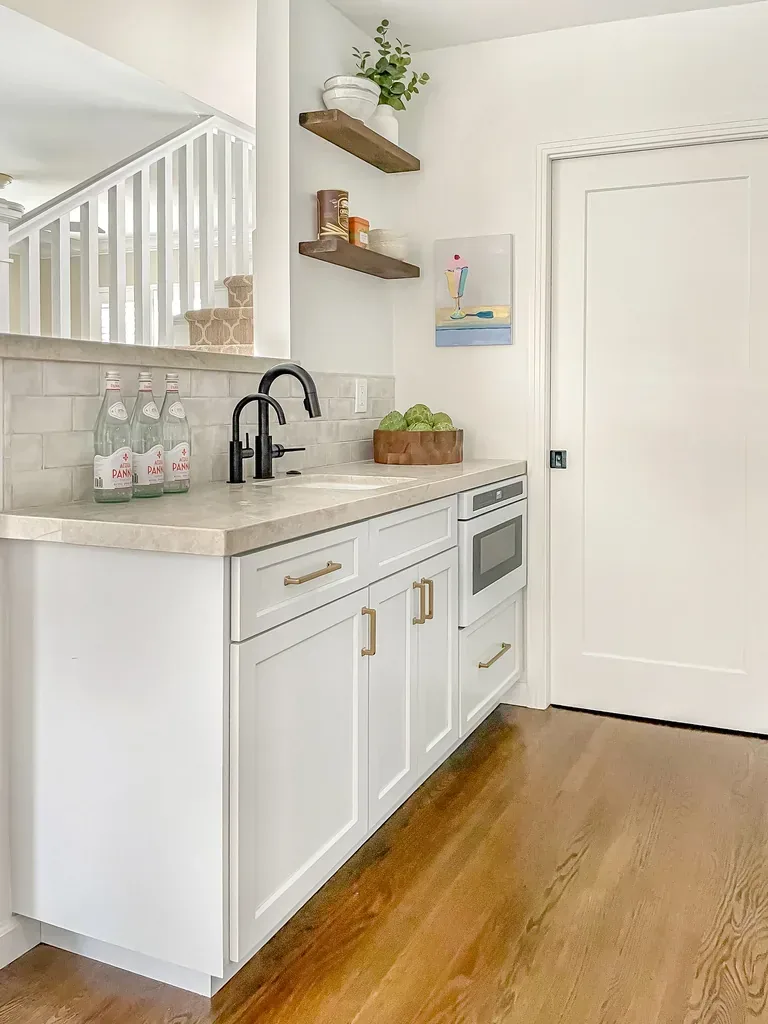
A modern kitchen corner with white cabinetry, black faucet, beige countertop, wooden floating shelves, and a small painting on the wall.

Should You Remodel or Rebuild Your Craftsman Home in Mill Valley?

Homeowners often face the critical decision of whether to undertake a full rebuild or a careful remodel of their Craftsman residence. The first question we ask is what elements truly define the home’s character and what can be preserved. In Mill Valley, many homes have historic features that are worth saving, such as original woodwork, built-ins, and period-appropriate windows. Restoring these elements can often be more cost-effective and respectful of the home’s integrity than a rebuild.

However, structural issues, foundation concerns, or non-compliant electrical and plumbing systems may necessitate a rebuild. A detailed assessment involving site photos, a laser level, and permit research ensures that decisions are well-informed. For example, on the Lake Estates Project, we initially considered replacing the entire façade, but a careful look at the space revealed that the original timber framing was sound and only needed minor repair. Preserving these details not only maintains authenticity but also adds value in Mill Valley’s high-land-value market. The key is balancing preservation with necessary updates, ensuring the home’s historic charm endures for generations.

What Adds the Most Value in a Mill Valley Craftsman Restoration?

In Mill Valley, the highest ROI often comes from restoring key character-defining features rather than overhauling the entire interior. Our experience across active projects shows that emphasizing original built-ins, period-appropriate hardware, and authentic finishes provides the greatest value. For kitchens and primary suites, integrating Craftsman-inspired details like handcrafted cabinetry and vintage lighting fixtures enhances resale appeal. A detailed ROI table can guide homeowners on where to invest for maximum return.

In terms of materials, choosing reclaimed wood, natural stone, and period-accurate hardware ensures the home maintains its charm while meeting modern standards. For example, a carefully restored built-in bookcase or a new Craftsman-style door can significantly elevate the home’s character and market value. Mill Valley’s buyers appreciate homes that honor their history, and thoughtful restoration can make a substantial difference in resale value, especially when aligned with local market preferences.

How to Modernize a 1920s Craftsman Home Without Losing Its Character

Modern updates should enhance, not erase, the home’s original charm. The first question we ask is how to incorporate contemporary comforts while respecting the craftsmanship and proportions of the original design. In Mill Valley, this often means selectively updating finishes, lighting, and hardware with period-inspired or handcrafted alternatives, rather than adopting starkly modern elements that clash with the historic aesthetic.

For example, replacing standard switch plates with period-appropriate bronze or brass fixtures maintains authenticity. Using matte-finish paints and natural materials helps blend the old with the new. The goal is to create a seamless flow that feels both fresh and true to the style. A well-executed balance ensures the home remains inviting and relevant without sacrificing its historic soul, which is highly valued in Mill Valley’s discerning market.

What's Going Out for 2026

  • Using mass-produced hardware that lacks craftsmanship
  • Opting for synthetic finishes over authentic materials
  • Ignoring original architectural details in favor of modern trends
  • Overlooking permit or structural considerations early in planning
  • Replacing original windows with non-period-appropriate styles
  • Choosing low-quality or mass-market fixtures
  • Over-renovating and losing character in pursuit of modernity
  • Failing to source period-accurate materials
  • Disregarding landscape and exterior details in restoration plans
  • Neglecting local building codes and permit requirements

What Mill Valley 1920s Craftsman Restoration Interior Designer Costs in 2026

ScopeMill Valley / Bay AreaSacramento
Refresh scope for Craftsman interior updates$40K-$80K$25K-$60K
Mid-tier restoration including structural and detail work$80K-$250K$60K-$150K
Estate-scale complete restoration with foundation and extensive detail$250K-$750K$150K-$500K

Local permits & planning

Working Notes

What We Have Learned Doing This: Mill Valley 1920s Craftsman Restoration Interior Designer

“Trades do not read minds. They read drawings.”

After enough projects you stop fearing bad taste and start fearing the boring things: delays, sequencing mistakes, moisture behind a wall, an electrician improvising, framing that is not where the drawings swear it is. The aesthetic part still matters, it is why anyone hires anyone, but execution decides whether the room ever gets built the way it was drawn.

Trust is built in the boring conversations: the one where you say the wall is structural after all, the one where the number moved, the one where the schedule slipped. Clients forgive reality. They do not forgive being surprised by it.

Old houses lie, and so do new ones. Even a ten-year-old house lies the moment you assume the framing sits where the plans say. We stopped trusting old drawings, prior contractor work, and the phrase it should be fine a long time ago. The budget needs a real line for what demolition will uncover, usually 15 to 20 percent once walls start opening.

These notes come from our own mill valley 1920s craftsman restoration interior designer project debriefs. Most were learned the expensive way the first time.

Sources & Professional References

This guide's positions on materials are grounded in published building-code, standards, and recognized design-authority sources, alongside Designed | Curated Interiors' verified credentials and active project files:

Frequently Asked

What should I look for in an interior designer specializing in Mill Valley 1920s Craftsman restoration?
Look for designers with expertise in Craftsman style, experience with authentic restoration techniques, and a portfolio of similar projects in Mill Valley.
How does a Craftsman interior designer ensure authenticity in Mill Valley homes?
They incorporate authentic elements like exposed rafter tails, handcrafted woodwork, and period-appropriate hardware, sourcing materials from trusted vendors.
When is it better to restore versus rebuild a 1920s Craftsman home in Mill Valley?
Restoring is often preferable if original features like woodwork and windows are salvageable; rebuilds may be necessary for structural issues or non-compliance.
What are the typical costs associated with Craftsman restoration projects in Mill Valley?
While costs vary, a project like the Crystal Cove Project can reach into the six figures, but careful assessment can help save costs by preserving existing character.
Are there local permits or codes I should be aware of for Craftsman restorations in Mill Valley?
Yes, you should consult the Planning & Building department at https://www.cityofmillvalley.gov/231/Building for relevant permits and regulations.
What authentic materials are preferred for Mill Valley Craftsman restorations?
Materials like rift-sawn white oak for flooring and millwork, along with period-appropriate hardware, are preferred to maintain historical accuracy.
How can I evaluate a designer’s portfolio to ensure they are suitable for my Mill Valley Craftsman project?
Review their past projects for authenticity, attention to detail, and experience with Craftsman homes in Mill Valley or similar settings.

From Mill Valley 1920s Craftsman Restoration Interior Designer to a Real Room

A trend piece is the briefing document, not the deliverable. The pages below show how we translate these principles into finished rooms across Mill Valley and the rest of Northern California.

Start a Project Conversation →

Call (916) 756-5977Book a Consultation