
You need to know your interior design styles to really make your home's space your own. We call these four main styles Modern, Traditional, Rustic, and Contemporary as of 2026. Each style changes up look, materials, and function to fit you best. Here's what makes each style tick, from materials to colors, for homes or offices.
Built from our active project files, this post provides a clear comparison of the four forms of interior design, highlighting their defining traits and current trends. We’ll explore practical examples, regional considerations in Sacramento and Mill Valley, and how to choose the right style for your space, ensuring you make informed decisions that stand the test of time and trends.
Common Questions
| What are the four main forms of interior design? | Modern. Traditional. Rustic. Contemporary. These are the big styles you27ll see in 2026. |
| How do regional factors influence interior design styles in Sacramento? | Sacramento loves Rustic and Contemporary. Climate and materials drive this. |
| What should I consider when choosing an interior design style for my Sacramento home? | Check what your home actually needs. The structure will guide your style. |
| Can blending different interior design styles work in Sacramento homes? | Mixing styles like woodwork with modern pieces can work. Just tie it together. |
The First Major Design Move: Defining Your Style
Choosing the right interior design style begins with understanding what aesthetic and functional qualities resonate with your lifestyle. Clear style choices keep projects smooth, cutting down on time and mistakes. Sacramento folks often like warm traditional or sleek modern styles based on their home and taste.
Without a plan, mixing styles turns into a mess. Work modern fixtures into rustic beams. It’s all in the balance. Pick a main style, then add pieces that boost it without losing focus. Stay cohesive and functional by using current trends like sustainable materials and simple lines.
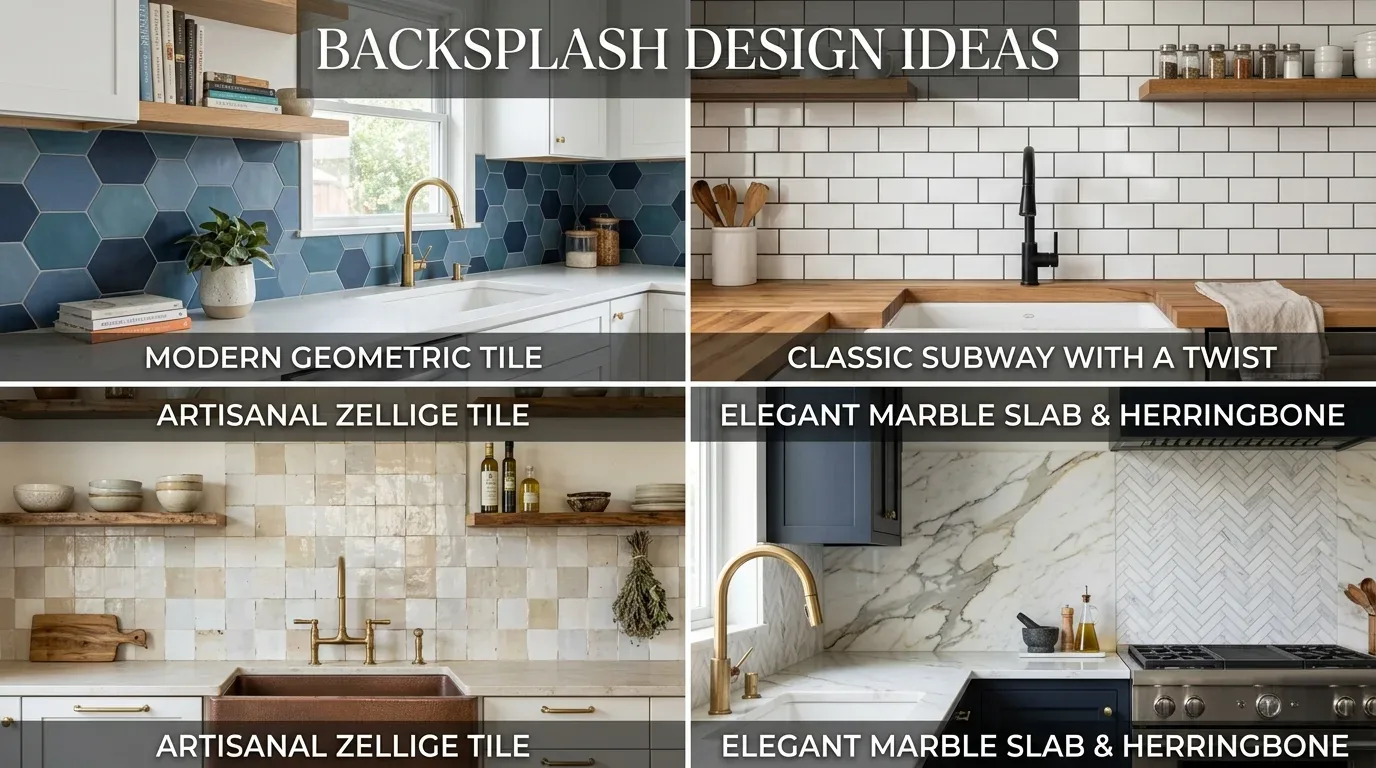
Material Specificity in Interior Design Styles
Authenticity-grade materials
- White oak (rift-sawn), for floors and slat detail; calmer grain than plain-sawn
- Limestone, for countertops and accents; natural, durable, and timeless
- Brass (matte finish), for fixtures and hardware; warm tone that ages gracefully
- Linen fabric, for upholstery and curtains; soft, breathable, and eco-friendly
- Reclaimed wood, for furniture and accents; sustainable with rich character
- Porcelain tile, for flooring and backsplashes; versatile and low maintenance
- Matte black metal, for lighting and fixtures; modern and understated
- Cement plaster, for wall finishes; smooth, durable, and matte
- Glass (tempered), for partitions and decorative elements; sleek and light-friendly
Generic-grade tells we refuse to spec
- Vastly uniform laminate, lacks texture and authenticity
- Cheap vinyl flooring, not durable or eco-conscious
- Overly glossy finishes, can feel cold and dated
- Bright primary colors, too bold for timeless design
- Mass-produced furniture, often lacks unique character
- Synthetic fabrics, less breathable and sustainable
- Bright chromed fixtures, can be overly shiny and trendy
- Low-grade MDF, prone to warping and damage
How to Decide Between Different Interior Styles for Your Sacramento Home
The first question homeowners ask is often about which style best suits their property and lifestyle. A classic look complements a historic Sacramento craftsman. A new townhouse? That’s for sleek, modern designs. It’s all about getting your home’s style, what you like, and how you live in it.
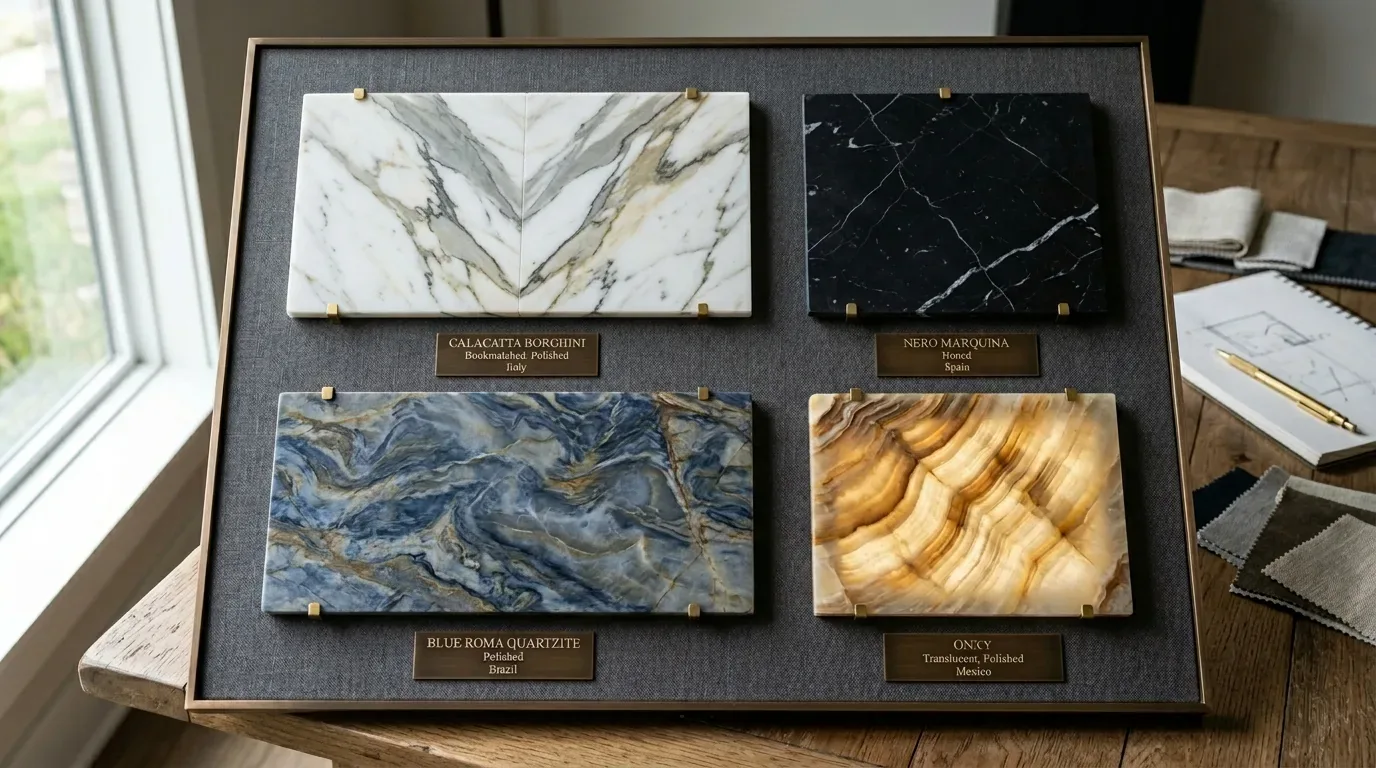
The climate really directs your materials and colors. Sacramento's outdoors match with earthy tones and natural materials. Sleek urban looks go elsewhere. The next step involves evaluating your priorities, are you seeking a timeless look that preserves character or a trendy space that feels current? We talk through what you want, showing site photos and bringing material samples. Nail the right style to make life easier and boost value.
Sizing and Material Specifications for Different Interior Styles
Understanding the appropriate dimensions and materials is vital when designing for specific styles. Put in a modern kitchen with a 36-inch stove? Hood needs to be 24 inches deep or more, aligning with the room. Traditional kitchens often use 48-inch stoves with detailed finishes. The right size and finishes keep things working and looking right, crucial for Sacramento’s changing homes.
Durability and what's available nearby matter when choosing materials. For instance, reclaimed wood and limestone are popular in rustic and traditional styles, aligning with regional supply chains and climate needs. Custom pieces from local craftspeople? They add character, but expect higher prices and longer waits than suppliers like Wayfair. We break down these choices with clients to get the best return and long-lasting results.
Remodel or Rebuild: Making the Right Choice in Sacramento’s Market
One of the most high-stakes decisions homeowners face is whether to remodel or rebuild entirely. Old Sacramento homes keep their charm with some smart updates. Our first question is always: what is the scope of your project and what are your long-term goals? We measure everything and check building codes to guide our decisions.
Recently, we've told some clients to update systems or finishes, avoiding major demolitions. For example, in the Nido Project, initial plans to enlarge a kitchen were abandoned after a walk-through revealed that light and privacy issues could be fixed with smart layout adjustments. The lesson is that understanding regional housing stock and current market conditions helps avoid costly mistakes, especially since Sacramento’s land value and permit costs are constantly shifting. Working with a regional expert ensures your decision aligns with both your budget and your home's character.
Observed Failure Modes We See in the Field
From our project debriefs and post-occupancy reviews, 2023-2026.
Overlooking Light and Layout
One common failure is assuming that adding space is the only solution to functional problems. People assume they need expensive add-ons. Not true. A spacious area can still feel tight with poor light. Classic problem. Check how light moves and how folks move through rooms. Use photos, measure before ripping things up. Shift the couch, bring in a skylight. Saves money.
Ignoring Material Compatibility
Another mistake is selecting materials that clash with the style or regional environment, leading to a disjointed look or early wear. Glossy finishes just don27t work with rustic. We suggest using matte brass or reclaimed wood; they age nicely and fit the style. Keeping materials consistent? That makes a design last.
Misjudging Scale and Dimensions
Designing fixtures and furniture without considering actual dimensions often results in spaces that feel awkward or uncomfortable. Got a 48-inch range? It needs the right hood and clearance or it's useless. Check sizing guides. Local suppliers help with fitting. Do it right first, save cash, and make it work.
Underestimating Regional Supply Chain Impact
In Sacramento, material and labor costs fluctuate rapidly, making it risky to base decisions on outdated quotes. What was cheap six months ago could now break the bank. Check prices with local vendors and plan for lead times early. Plan ahead to avoid surprises and maintain balance.
Over-Decorating or Over-Complicating
Adding too many decorative elements or mixing multiple styles without a clear hierarchy can make a space feel cluttered and dated quickly. Go for simple. Choose a few pieces that fit your style. It keeps your look classic and practical. This matters in Sacramento where homes have a lot of old-school charm.
What's Going Out for 2026
- Overly ornate or elaborate decorations
- Dark, monochromatic color schemes
- Heavy traditional furnishings in small spaces
- Cluttered or overly busy layouts
- Excessive ornamentation or frou-frou details
- Cheap or synthetic materials that don't age well
- Overly shiny or chromed fixtures
- Ignoring regional climate when selecting materials
What This Costs in 2026
| Scope | Typical range |
|---|---|
| Refresh scope (new fixtures, paint, minor updates) | $15K-$40K |
| Mid-tier scope (partial renovations, cabinetry, flooring) | $75K-$200K |
| Estate-scale (full rebuilds, high-end finishes) | $300K-$1M |
Working Notes
What We Have Learned Doing This: Four Forms of Interior Design: Residential, Commercial, Hospitality, and Institutional
“Trades do not read minds. They read drawings.”
The cheapest tool on any project is a sample board and an afternoon. We have watched five-figure mistakes get caught by a fifteen-dollar paint sample lived with for a week in the actual light of the actual room. Decisions made under showroom lighting do not survive contact with a real house.
A renovation is a dependency chain, not a list of tasks. A two-day cabinet delay quietly becomes a two-week slip by week sixteen because every trade downstream is holding a calendar. The least glamorous part of this work, and the most valuable, is keeping that chain from cascading.
Get long-lead items on order ASAP, then set up the work to keep moving even before they show. The appliance, the stone, the custom millwork set the schedule, and pretending otherwise is how a project loses a month it never gets back.
These notes come from our own project debriefs. Most were learned the expensive way the first time.
Sources & Professional References
This guide's positions on materials are grounded in published building-code, standards, and recognized design-authority sources, alongside Designed | Curated Interiors' verified credentials and active project files:
- American Society of Interior Designers (ASID): interior-design practice standards
- International Code Council (ICC): Chapter 8 Interior Finish Decorative Materials And Furnishings
- NKBA, Amy Kunst Member Profile (verified credential, NKBA Committee Member)
- Featured in: Homes & Gardens (design expert quote, May 2026) · Sacramento Love (guest author, 2024)
From Principle to a Real Room
A trend piece is the briefing document, not the deliverable. The pages below show how we translate these principles into finished rooms across Sacramento and the rest of Northern California.
- Sacramento & Bay Area Interior Design Services How we scope, source, and deliver work end to end.
- Interior Designer Hub, Sacramento Where most of our Sacramento work lives, the regional fit explained.
- Modern Tudor Homes: Authentic, Revival, and Neo-Tudor (A Designer Reference) Heritage-architecture renovation patterns from our project files.
- Japandi Living Room: A Designer's Guide to the 2026 Look The 2026 warm-neutral playbook applied to the living room.