
Understanding how free form design elements can be incorporated into interior spaces is key to creating a truly personalized aesthetic. Free form design in interiors involves organic, flowing shapes and unconventional layouts that break away from traditional symmetry and structure. Homeowners can show off their style with a touch of artful function.
Our files dive into free form design's essence, contrasting it with traditional styles and suggesting practical ways to blend it in. As Sacramento’s design scene embraces a relaxed, nature-inspired vibe, free form elements serve as a warm-restraint counterpoint that elevates spaces with curated originality. We’ll also look at materials, textures, and cultural influences shaping this trend, aiming to inspire while maintaining clarity in application.
Direct Answers (Free Form In Interior Design)
| What is free form in interior design? | Free form design skips symmetry. It leans into flowing shapes and unexpected layouts. |
| How can I incorporate free form elements into my Sacramento home? | Add free form flair with sculptural shapes or curved cabinets. Irregular lights work too. |
| Are there any regional considerations for free form design in Sacramento? | Sacramento's natural light plays well with organic shapes. Reclaimed wood highlights local vibes. |
| What are the benefits of using free form design in interior spaces? | Free form design makes spaces comfy and unique, a real reflection of personal style. |
Section 1 H2, Embracing Organic and Fluid Forms in Interior Design
Incorporating free form design into interiors begins with understanding its foundational principles. Our projects highlight flowing shapes that mirror nature's curves, not straight lines. Think about curved cabinets or irregular lights for visual spice without straight lines.
In Sacramento, we've crafted custom kitchen islands with rounded edges using warm woods, paired with sculptural lighting by Foscarini. Balance bold shapes with simple colors and textures. Matte walls or stone surfaces keep it calm. The American Society of Interior Designers emphasizes that this approach fosters a sense of comfort and uniqueness, making each space feel both curated and inviting.
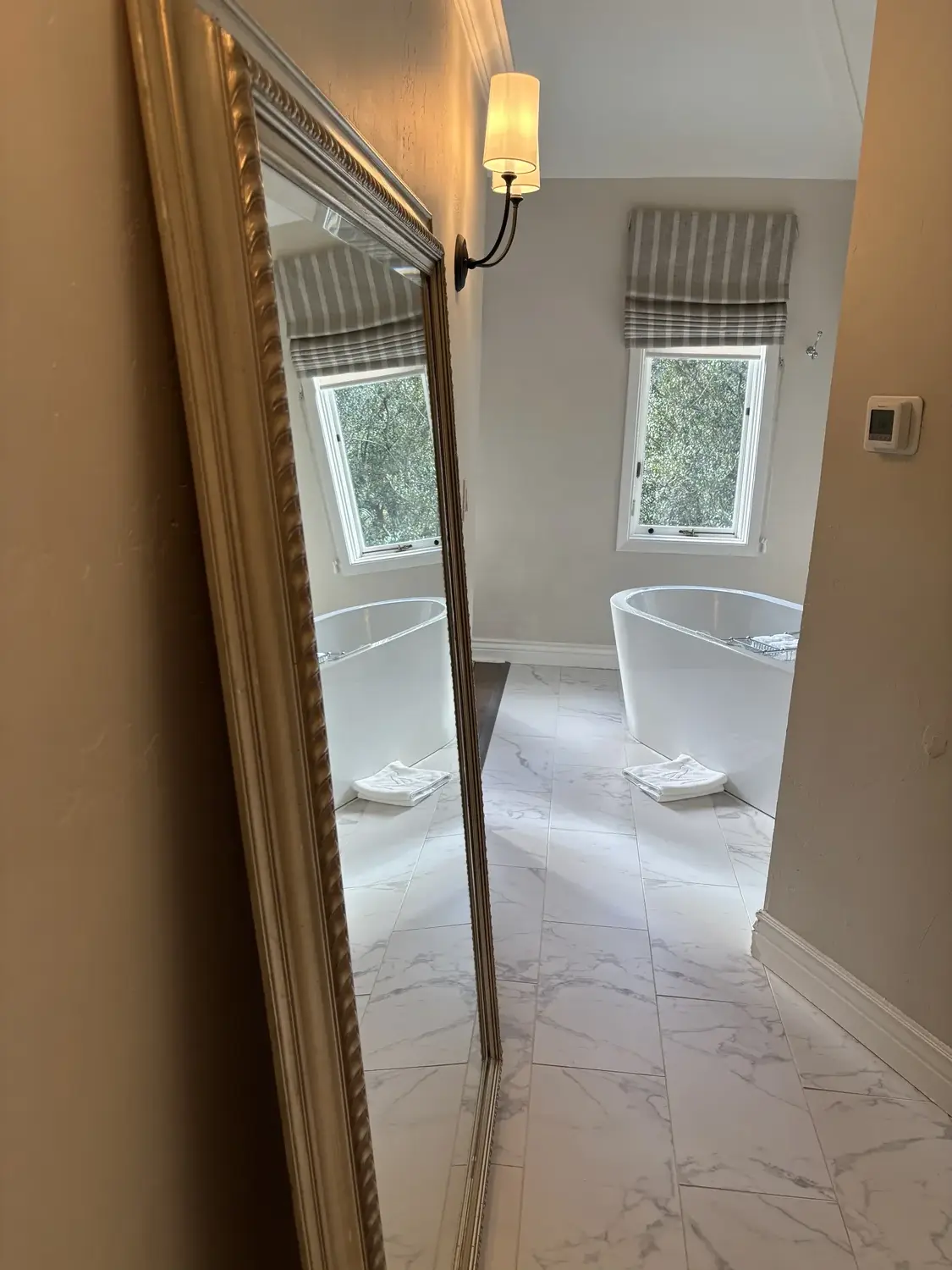
Should You Incorporate Free Form Elements or Opt for More Traditional Features?
Do those flowing shapes fit your home's vibe? First off, what does this space need to do? Free form island as sculpture? Could clash with traditional kitchen style. In a modern house, free form might up the style.
Consider upkeep and cleaning. Custom curves cost and take time. Love the look? Weigh that against upkeep hassle. Check your budget early to keep designs realistic. Using tools like site photos and permit research from the Sacramento Building Division can clarify what’s feasible within local regulations. Blending free form thoughtfully makes spaces feel unique.
Choosing the Right Materials and Finishes for Free Form Design
Materials are the backbone of successful free form interiors. Start by choosing between real textures or finished surfaces. Across our active projects, we prefer materials like rift-sawn white oak for its consistent grain and calming appearance, especially in furniture and built-ins. Polished concrete works well for custom surfaces because it’s tough and can take any shape. Matte cabinetry tones down the space, so it's not too busy.
Sacramento: great for using local stone, reclaimed wood. The American Society of Interior Designers emphasizes that tactile textures and sustainable finishes enhance the authentic feel of free form spaces while supporting environmental goals. Textures and finishes set the tone, ground the space warmly.
What Are the Pitfalls to Avoid When Using Free Form Design?
Free form thrives on creativity. Watch for pitfalls. Too many details make a place feel overdone. Mismatch in scale wrecks balance. Skipping local codes and permits? Big mistake. It costs time and can become a safety risk. For example, in the Topaz Project, we nearly went over budget by proposing a large custom curved wall without verifying permit pathways. After measuring and checking permits, we found a simpler approach worked. Saved money and avoided weeks of delay. Design needs to fit the building's structure and rules. In Sacramento, rules differ a lot.
How to Balance Free Form Elements with Practical Living Needs
Achieving a harmonious balance between artistic shapes and everyday functionality is essential. How much can this area take visually before it stops working well? Think of a sculptural dining table. It looks great but doesn’t work if you can’t sit or move around it. Curved niches or shelves offer storage with style, keeping it useful too. Materials like durable solid surfaces and textured finishes support longevity and ease of maintenance. Pick finishes that handle wear and age well. Sacramento's climate demands it. Interior features should make life easier, not harder, while keeping artistic flair.
Cost ranges by scope: refresh, mid-tier, and estate-scale free-form installations
2026 planning ranges by scope. They bracket a budget; they are not a quote for a specific house.
| Scope | Typical range |
|---|---|
| Refresh scope: adding free form accents or small features | $15K-$35K |
| Mid-tier scope: custom sculptural elements and integrated textures | $40K-$85K |
| Estate-scale: full custom free form architecture or large installations | $100K-$250K |
Sources & Professional References
This guide's positions on materials are grounded in published building-code, standards, and recognized design-authority sources, alongside Designed | Curated Interiors' verified credentials and active project files:
- American Society of Interior Designers (ASID): interior-design practice standards
- International Code Council (ICC): Chapter 8 Interior Finishes
- NKBA, Amy Kunst Member Profile (verified credential, NKBA Committee Member)
- Featured in: Homes & Gardens (design expert quote, May 2026) · Sacramento Love (guest author, 2024)
Frequently Asked
What practical tips should I consider when choosing free form design elements?
How does free form design differ from traditional styles?
Related reading
- Sacramento & Bay Area Interior Design Services How we scope, source, and deliver work end to end.
- Interior Designer Hub, Sacramento Where most of our Sacramento work lives, the regional fit explained.
- Modern Tudor Homes: Authentic, Revival, and Neo-Tudor (A Designer Reference) Heritage-architecture renovation patterns from our project files.
- Japandi Living Room: A Designer's Guide to the 2026 Look The 2026 warm-neutral playbook applied to the living room.