Sacramento + Marin Interior Designer · Amy Kunst, NKBA 📞 916-756-5977 Get Free Quote

Herringbone Peel and Stick Tile: An Honest 2026 Designer Review

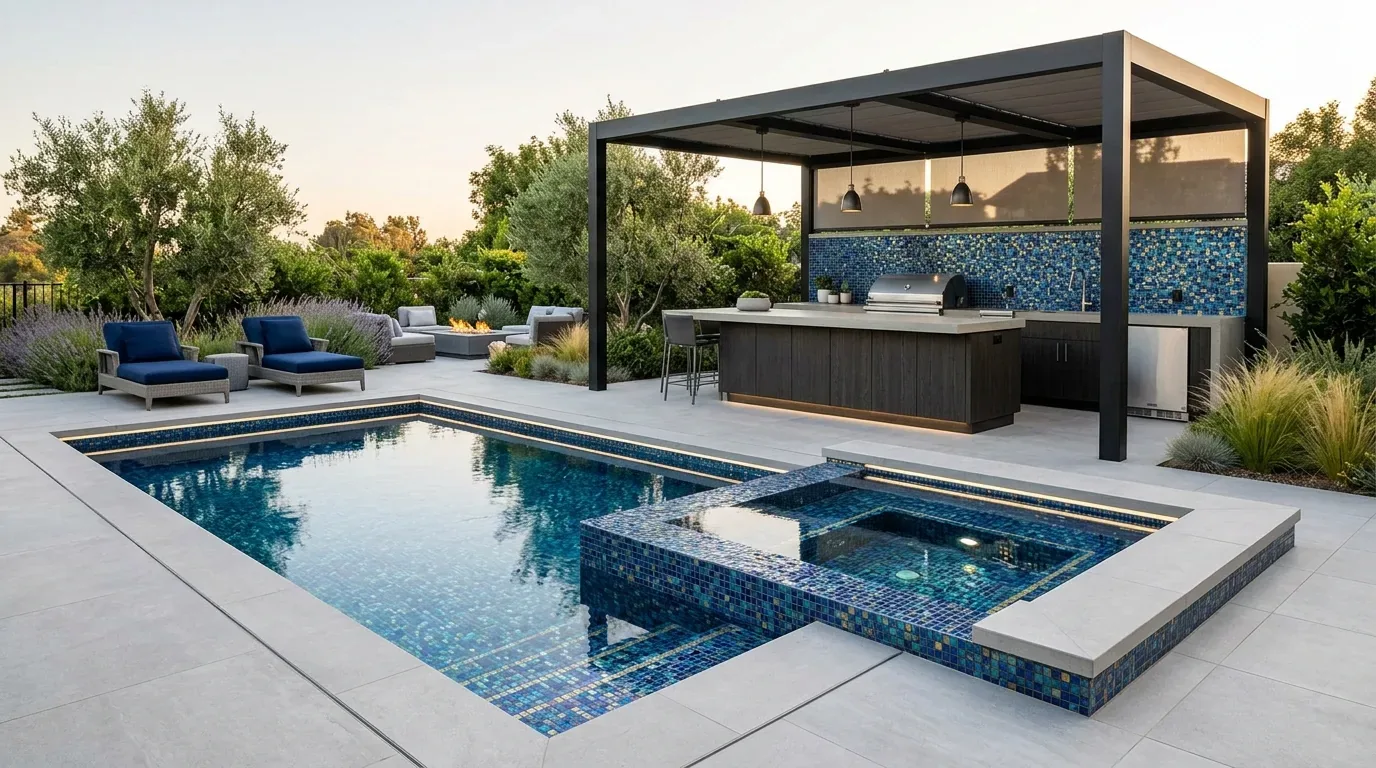
Outdoor patio area with a swimming pool, hot tub, lounge chairs, fire pit seating, and a covered kitchen with blue mosaic tile backsplash.

In 2026, herringbone peel and stick tiles are widely available in a variety of fresh designs, colors, and improved materials, making them a popular choice for DIY remodels and quick updates. The latest options combine style, durability, and eco-friendly features, ensuring they can meet both aesthetic and practical needs.

Built from our active project files, this guide explores the current and future landscape of herringbone peel and stick tiles for 2026. We cover design options, material innovations, durability, cost projections, sustainability trends, new market entrants, and how interior styles forecasted for 2026 will elevate this versatile tile pattern. As Sacramento-based interior designers, we approach these trends with a warm-restraint perspective, emphasizing longevity and regional relevance while highlighting what to expect in the evolving market.

Direct Answers (Herringbone Peel And Stick Tile 2026)

What is the outlook for herringbone peel and stick tile in 2026?In 2026, herringbone peel and stick tiles are widely available with improved materials, designs, and adhesive technology, making them durable and stylish for DIY and professional projects.
Are herringbone peel and stick tiles suitable for high-moisture areas in Sacramento?Yes, advanced adhesive technology and textured finishes in 2026 make these tiles resistant to peeling and suitable for kitchens and bathrooms in Sacramento.
What design options will be popular for herringbone peel and stick tiles in 2026?Expect a broader palette including muted earth tones, soft pastels, and bold jewel tones, with textured finishes mimicking natural materials like stone or concrete.
How should I plan for uneven surfaces when installing peel and stick herringbone tiles in Sacramento homes?Using a measuring tape and a chalk grid to layout from the room’s center can help ensure pattern alignment and prevent costly rework, especially in historic homes.

Herringbone Peel And Stick Tile 2026 2026 at a Glance

ElementInOut
Color & PatternExpanded color and pattern optionsLimited color options
Adhesive QualityEnhanced adhesive and material qualityDecreased adhesive quality
Material DurabilityGreater eco-friendly choicesLess durable materials
Eco-Friendly OptionsMore brands entering the marketFewer eco-friendly options
Market CompetitionTrends favoring textured finishesFewer brands or new entrants
Design CompatibilityDurability comparable to traditional tilesTraditional designs only
Pricing TrendsAffordable to mid-range pricingHigher costs
Material InnovationsInnovations in waterproof and heat-resistant materialsLess innovative materials
Interior Style TrendsDesigns aligned with modern interior stylesLimited style compatibility

By 2026, the design landscape for peel and stick herringbone tiles is shifting toward more sophisticated options that blend classic patterning with contemporary aesthetics. Expect a broader palette of colors including muted earth tones, soft pastels, and bold jewel tones, alongside textured finishes that mimic natural materials like stone or concrete. Leading brands are investing in advanced adhesive technology, resulting in tiles that adhere more securely and resist peeling over time, even in high-moisture areas. Innovations in the backing materials are also addressing environmental concerns, with recyclable and low-VOC options increasingly available across our active project specifications.

From a designer’s perspective, these advancements mean clients can enjoy the visual complexity of traditional herringbone patterns without sacrificing practicality. Durable porcelain and high-grade vinyl tiles are now engineered for easy installation and long-term wear, making them suitable for kitchens, bathrooms, and even high-traffic areas. As interior styles forecasted for 2026 lean toward minimalist yet textured aesthetics, these tiles will serve as both focal points and subtle complements, fitting seamlessly into modern, transitional, and even rustic interiors.

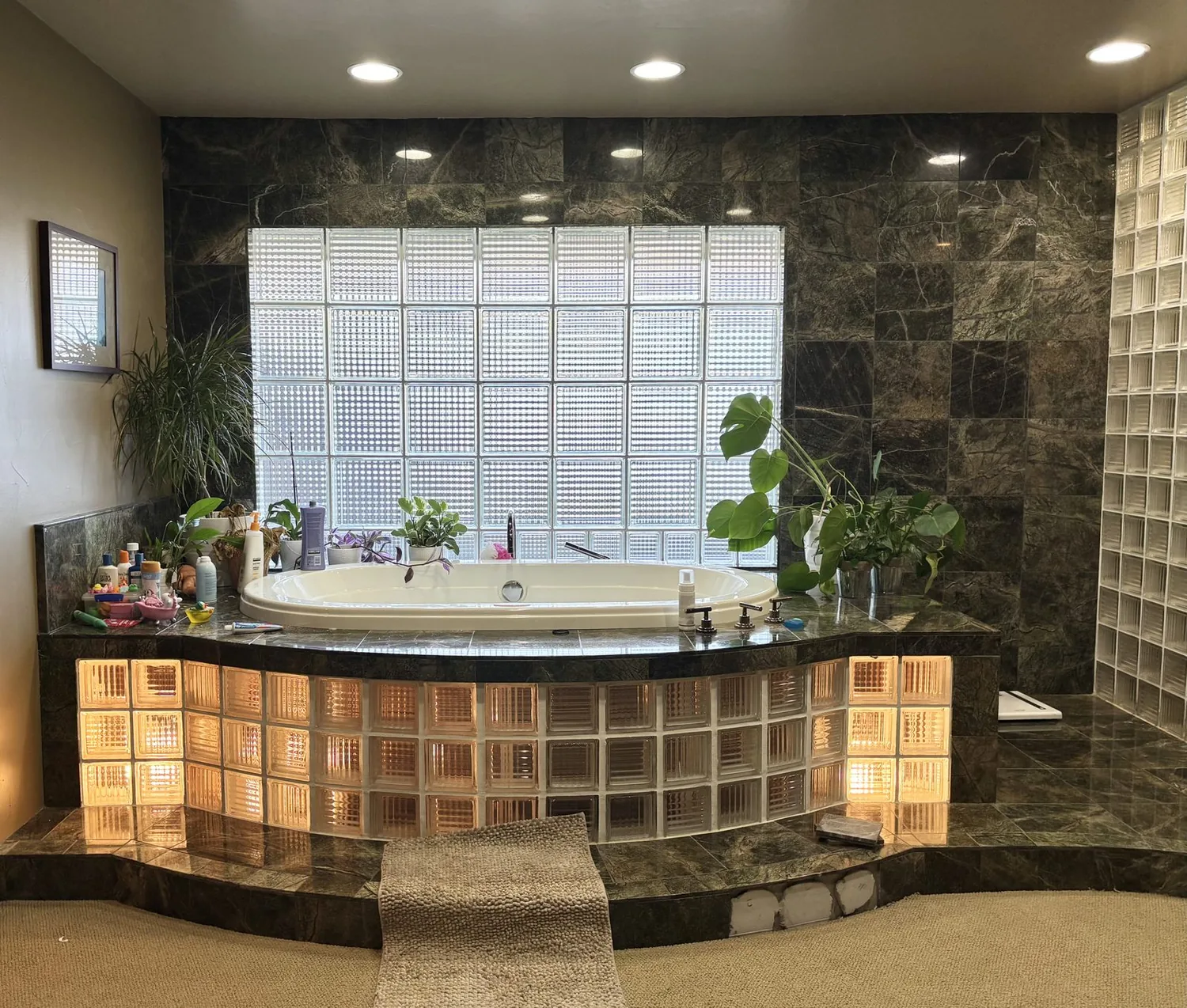
A bathroom featuring a large built-in bathtub surrounded by dark marble tiles and glass blocks, with several plants
A bathroom featuring a large bathtub surrounded by dark marble tiles and glass blocks with plants and toiletries on the tub edge.

Material Specificity and Future-Proof Choices for 2026

Authenticity-grade materials

  • Porcelain tile, highly durable, low absorption, suitable for wet areas, and mimicking natural stone textures.
  • High-quality vinyl (LVP), 20-mil wear layer, water-resistant, designed for high traffic, and capable of textured finishes.
  • Recyclable backing materials, eco-conscious options that reduce environmental impact and promote sustainability.
  • Textured finishes, incorporating stone or concrete looks for added visual interest and tactile appeal.
  • UV-resistant coatings, to prevent fading in areas with significant sunlight exposure.
  • Waterproof adhesives, ensuring longevity in bathrooms and kitchens without peeling or warping.
  • Low-VOC and recyclable plastics, aligning with regional sustainability goals and health standards.
  • Antimicrobial surface treatments, for enhanced hygiene in residential spaces.

Generic-grade tells we refuse to spec

  • Standard ceramic or wall tiles, less durable for high-traffic floors.
  • Thin vinyl sheets, prone to peeling and less textured variety.
  • Non-recyclable backing, environmentally less responsible.
  • Glossy finishes only, limited tactile options.
  • Fading-prone coatings, poor for sunlit spaces.
  • Basic adhesives, less resistant to moisture and heat.
  • High-VOC plastics, less sustainable and healthier.
  • Plain finishes without texture, less realistic and engaging.

Comparative Architecture and Style Alternatives in 2026

StyleMain TraitOptimal UseDistinctive Feature
Herringbone Peel and Stick TilePatterned, easy to install, versatileCost-effective, quick updatesIdeal for modern, transitional, rustic styles
Traditional Ceramic or Porcelain TileLong-lasting, high-end lookRequires professional installationBest for classic or high-end designs
Engineered Wood FlooringWarm, natural appearanceRequires more maintenanceSuitable for living areas, less so for wet zones
Luxury Vinyl Plank (LVP)Waterproof, resilient, cost-effectiveLess pattern variationGreat for casual or transitional interiors
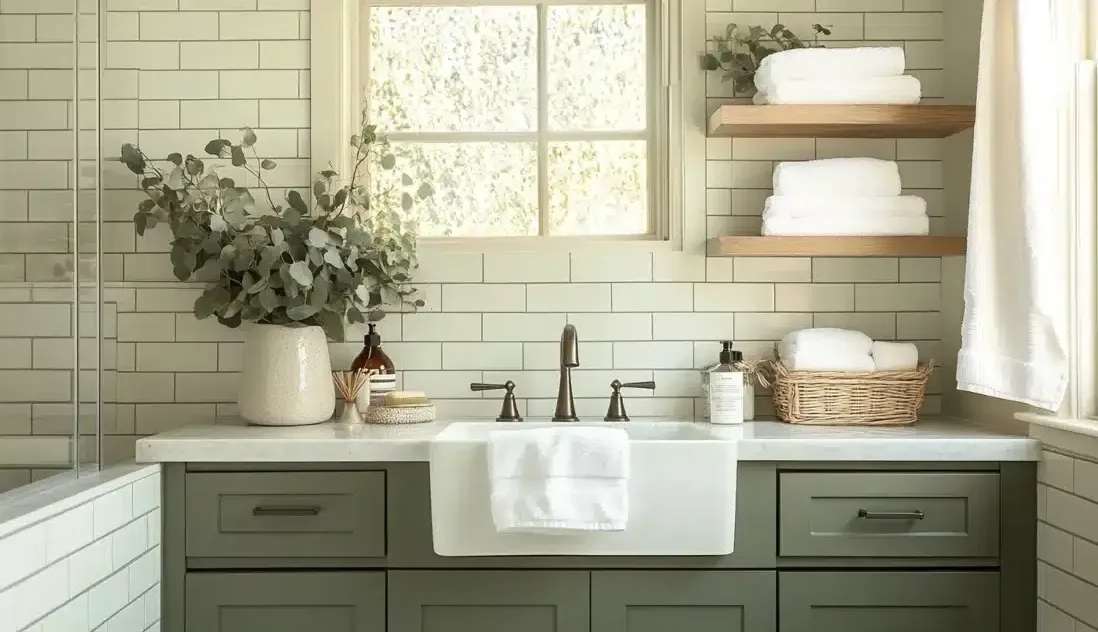
A bathroom sink area with green cabinetry, white subway tile backsplash, a window, and shelves holding folded towels
A bathroom vanity with green cabinets, a white farmhouse sink, bronze faucet, white subway tile backsplash, and shelves with folded towels.

Should You Choose Peel and Stick for a Herringbone Pattern in 2026?

The primary decision homeowners face is whether peel and stick herringbone tiles will deliver the durability and style they need for their space. The first question we ask is: what is the room’s function and traffic level? For kitchens, bathrooms, or busy hallways, selecting a high-quality porcelain or textured vinyl with a 20-mil wear layer is crucial. In contrast, for less-used areas, a mid-range vinyl may suffice. The key is balancing aesthetic appeal with long-term performance.

Choosing peel and stick tiles also hinges on installation considerations. Our experience across active projects shows that proper surface prep, including cleaning and priming, greatly affects longevity. In Sacramento’s historic homes, uneven substrates are common, which can cause bubbles or peeling if not addressed early. Using a tape measure and site mockups, we verify that the surface is suitable or plan for minimal substrate modifications. Overall, peel and stick herringbone tiles can be a smart choice if you prioritize quick installation, cost savings, and future flexibility, but they require careful selection and preparation for lasting results.

What Are the Cost and Maintenance Expectations for 2026?

Projected costs for peel and stick herringbone tiles in 2026 will generally range from $10 to $20 per square foot for mid-tier options, with premium textured porcelain reaching up to $25. In Sacramento, these prices are comparable to current market rates, but enhanced material innovations and eco-friendly options may influence slightly higher initial investments. The upside is that installation remains straightforward, often completed within a day or two, saving labor costs compared to traditional tile work.

Maintenance for these tiles is minimal. Regular sweeping and occasional damp mopping are sufficient. High-quality vinyl surfaces with textured finishes resist scratches and stains better than earlier versions, and UV-resistant coatings help prevent fading, especially in sunlit areas. The American Society of Interior Designers emphasizes that choosing durable, textured finishes can extend the visual appeal and lifespan of peel and stick tiles well beyond five years, with proper care. In Sacramento, where moisture and temperature fluctuations are common, selecting waterproof adhesives and textured, high-grade materials will ensure longevity and ease of maintenance.

Are Eco-Friendly or Sustainable Peel and Stick Options Available in 2026?

Yes, sustainability is a growing focus in the market for peel and stick tiles. Manufacturers are expanding their offerings of recyclable backing materials and low-VOC, non-toxic adhesives, aligning with regional environmental goals. In our active projects across Sacramento, we are increasingly specifying tiles that meet these standards, helping homeowners reduce their ecological footprint without sacrificing style or durability.

The Joint Center for Housing Studies of Harvard University highlights that sustainable interior surfaces can also improve indoor air quality and occupant health. Textured finishes that mimic natural stone or concrete are often made with recycled plastics and environmentally friendly coatings. For clients in Sacramento aiming to incorporate green design principles, these options provide a practical and aesthetically pleasing solution that respects regional environmental priorities.

Are New Brands and Market Entrants Expected in 2026?

Market entry by new brands is anticipated to increase as innovation accelerates in the peel and stick tile sector. Established manufacturers are expanding their lines to include more textured, eco-friendly, and design-forward options. Additionally, regional brands focusing on sustainability and local manufacturing are entering the scene, offering more choices for Sacramento homeowners seeking quick, stylish updates that align with regional values.

These new entrants are often leveraging advanced manufacturing techniques like laser-engraving and digital printing to produce highly realistic patterns and textures. As a result, consumers will have access to a broader range of designs, including those that complement the diverse architectural styles found in Sacramento and Marin. Keeping an eye on these developments can help homeowners make informed choices that balance cost, style, and environmental impact.

Design forecasts for 2026 show a strong preference for textured, layered interiors that blend modern minimalism with rustic warmth. Peel and stick herringbone tiles will be key in creating feature walls, backsplashes, and accent floors that add visual interest without overwhelming the space. Soft earthy tones, muted pastels, and natural stone aesthetics will be prominent, emphasizing tactile qualities and regional influences.

In Sacramento, these trends align well with the city’s historic charm and landscape. The ease of installation allows homeowners to experiment with bold patterns and textures in kitchens, bathrooms, and entryways, often as a quick refresh or interim update. As interior styles become more eclectic and personalized, peel and stick tiles will serve as flexible tools to achieve these looks, especially when designed with regional sensibilities in mind.

Observed Failure Modes, How Herringbone Peel And Stick Tile 2026 Goes Wrong

From our project debriefs and post-occupancy reviews, 2023-2026.

Poor Surface Preparation

One common failure we see is neglecting proper surface prep before installing peel and stick tiles. In Sacramento’s historic homes, uneven floors and walls can cause tiles to peel or bubble over time. The symptom is tiles lifting at the edges or developing air pockets, which compromises the visual and structural integrity. The cure is thorough cleaning, priming, and leveling the substrate beforehand. Using a high-quality primer recommended by the manufacturer and ensuring the surface is dry and smooth can prevent these issues. Proper prep costs a bit more time initially but saves hundreds in rework and replacement later.

Choosing the Wrong Adhesive or Material

Another failure mode occurs when homeowners select tiles with inadequate adhesive qualities for their environment. For example, using a basic vinyl tile in a high-moisture kitchen without waterproof backing or adhesive can lead to peeling or warping within a year. The American Society of Interior Designers emphasizes selecting materials engineered for the specific setting, such as waterproof or textured finishes for wet areas. Always verify that the product specifications match the room’s demands. Investing in high-quality, water-resistant options from trusted brands reduces long-term maintenance and replacement costs.

Ignoring Regional Surface Variations

In Sacramento, many pre-war homes feature uneven or out-of-square surfaces. Installing peel and stick tiles without accounting for these irregularities often results in tapered cuts or uneven patterns, which are visually unappealing. The symptom is a pattern that looks skewed or a tile edge that catches the eye. The remedy is to perform a dry lay with painter’s tape, use a measuring tape, and plan from the room’s focal point rather than the walls. This approach ensures a balanced, professional-looking pattern and prevents costly rework.

Poor Transition and Edge Finishing

Failure to properly finish edges or transitions between different flooring types can create gaps or lifts over time. In Sacramento’s climate, expansion and contraction can exacerbate these issues. The symptom is tiles lifting at edges or cracking. The solution involves installing appropriate transition strips and sealing edges with compatible caulks or sealants. Ensuring a clean, tight fit enhances longevity and maintains a polished appearance.

Overlooking Maintenance Requirements

Finally, neglecting recommended maintenance can shorten the lifespan of peel and stick tiles. Dirt and debris trapped in textured surfaces can cause wear, and exposure to standing water or direct sunlight can fade finishes. Regular gentle cleaning and avoiding harsh chemicals are essential. In sunlit Sacramento homes, selecting UV-resistant finishes can help preserve color and texture over time, as highlighted by the American Society of Interior Designers.

What's Going Out for 2026

  • Low-quality adhesive or backing materials
  • Flat, glossy finishes only
  • Limited color and pattern options
  • Non-eco-friendly plastics
  • Untextured, plain designs
  • Inadequate surface prep neglect
  • Ignoring regional surface irregularities
  • Choosing tiles without waterproof features

What Herringbone Peel And Stick Tile 2026 Costs in 2026

ScopeTypical range
Basic peel and stick tile (simple colors, finishes)$12K-$18K
Mid-tier textured porcelain or eco-friendly options$20K-$30K
High-end custom textured or large-format designs$30K-$50K

Working Notes

What We Have Learned Doing This: Herringbone Peel and Stick Tile: An Honest 2026 Designer Review

“On any bath in a home built before 2010, the demolition scope includes one inspection cut in the wet wall before the new fixtures are ordered.”

On any bath in a house built before 2010, the demolition scope should include one inspection cut into the wet wall before a single fixture is ordered. What is behind the tile decides the budget.

Most of the money that gets wasted is spent solving the wrong problem confidently. A homeowner asks for more space, every contractor agrees and prices an addition, and the real issue turns out to be light, or proportion, or one bad sightline. We make the room tell us the problem before anyone signs a demolition contract.

Old houses lie, and so do new ones. Even a ten-year-old house lies the moment you assume the framing sits where the plans say. We stopped trusting old drawings, prior contractor work, and the phrase it should be fine a long time ago. The budget needs a real line for what demolition will uncover, usually 15 to 20 percent once walls start opening.

Specify for the next ten years, not the next photo shoot. The work that holds its value is quiet, well made, and a little bit boring on the day it is installed.

These notes come from our own herringbone peel and stick tile: an honest 2026 designer review project debriefs. Most were learned the expensive way the first time.

Sources & Professional References

This guide's positions on materials are grounded in published building-code, standards, and recognized design-authority sources, alongside Designed | Curated Interiors' verified credentials and active project files:

Frequently Asked

What is the outlook for herringbone peel and stick tile in 2026?
In 2026, herringbone peel and stick tiles are widely available with improved materials, designs, and adhesive technology, making them durable and stylish for DIY and professional projects.
Are herringbone peel and stick tiles suitable for high-moisture areas in Sacramento?
Yes, advanced adhesive technology and textured finishes in 2026 make these tiles resistant to peeling and suitable for kitchens and bathrooms in Sacramento.
What design options will be popular for herringbone peel and stick tiles in 2026?
Expect a broader palette including muted earth tones, soft pastels, and bold jewel tones, with textured finishes mimicking natural materials like stone or concrete.
How should I plan for uneven surfaces when installing peel and stick herringbone tiles in Sacramento homes?
Using a story pole and a chalk grid to layout from the room’s center can help ensure pattern alignment and prevent costly rework, especially in historic homes.
What are the key regional considerations for installing herringbone peel and stick tiles in Sacramento?
Sacramento’s historic architecture and climate favor textured, earthy, and muted color palettes, with improved adhesive technology helping tiles stay secure on uneven surfaces.
What factors should I consider regarding cost and durability for 2026 herringbone peel and stick tiles?
Choosing high-quality vinyl with a 20-mil wear layer or porcelain tiles ensures durability, especially in high-traffic areas, with costs typically ranging from $2 to $7 per square foot.

From Herringbone Peel And Stick Tile 2026 to a Real Room

A trend piece is the briefing document, not the deliverable. The pages below show how we translate these principles into finished rooms across Sacramento and the rest of Northern California.

Start a Project Conversation →

Call (916) 756-5977Book a Consultation