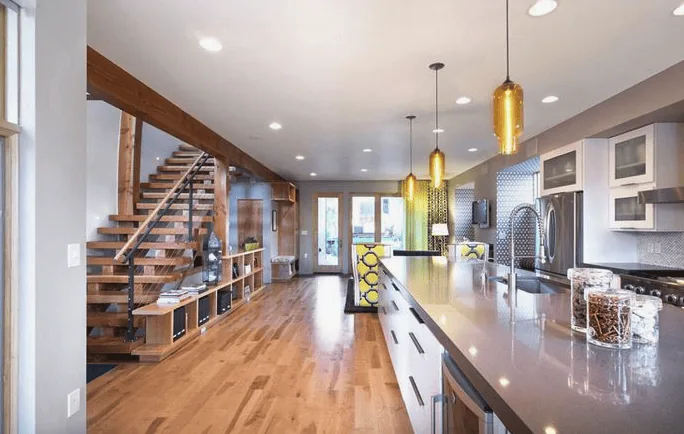
Interior design choices can significantly influence your mental well-being by shaping how you feel and relax in your space. The way colors, light, and organization are curated impacts mood, stress levels, and overall psychological comfort. Understanding how specific design elements affect mental health empowers homeowners to create environments that foster calm, clarity, and happiness.
Built from our active project files, this guide explores actionable interior design strategies that directly support mental wellness. We’ll cover color psychology, natural light integration, clutter management, furniture layout, biophilic elements, sensory textures, and the importance of personal privacy. As Sacramento-based designers, we bring a nuanced, practical perspective that aligns with regional architecture and lifestyle, ensuring these insights are relevant and achievable for local homeowners.
Common Questions
| How does interior design influence mental health? | Interior design affects mental health by shaping how you feel and relax in your space, impacting mood, stress levels, and psychological comfort. |
| What design elements are most impactful for mental well-being? | Natural light, color choices, organization, and biophilic elements are key design aspects that support mental wellness. |
| Why is maximizing natural light important for mental health? | Natural light regulates circadian rhythms, improves mood, and reduces feelings of depression, making spaces feel more open and calming. |
| How can color choices promote emotional balance? | Soft, muted tones like blues, beiges, and greens reduce anxiety and foster relaxation, while avoiding overly bright or saturated colors. |
Prioritizing Natural Light for Mental Clarity
Across our active project specifications, one of the most impactful design moves for mental well-being is maximizing natural light. Natural light regulates circadian rhythms, improves mood, and reduces feelings of depression. In Sacramento, where the summer sun is deep and persistent, thoughtful window placement and shading are essential. We often specify large, operable windows with light-diffusing treatments from brands like Hunter Douglas, which balance daylight with glare control.
In one recent project, we focused on creating a brighter primary suite by enlarging existing windows and removing obtrusive window treatments. The result was a space that felt more open and inviting, with daylight spilling in throughout the day. This small change significantly improved the homeowner’s sense of calm and alertness. Incorporating skylights or light tubes can further enhance interior brightness without sacrificing privacy or energy efficiency. These adjustments, although seemingly simple, foster a mental environment where relaxation and focus feel natural and effortless.
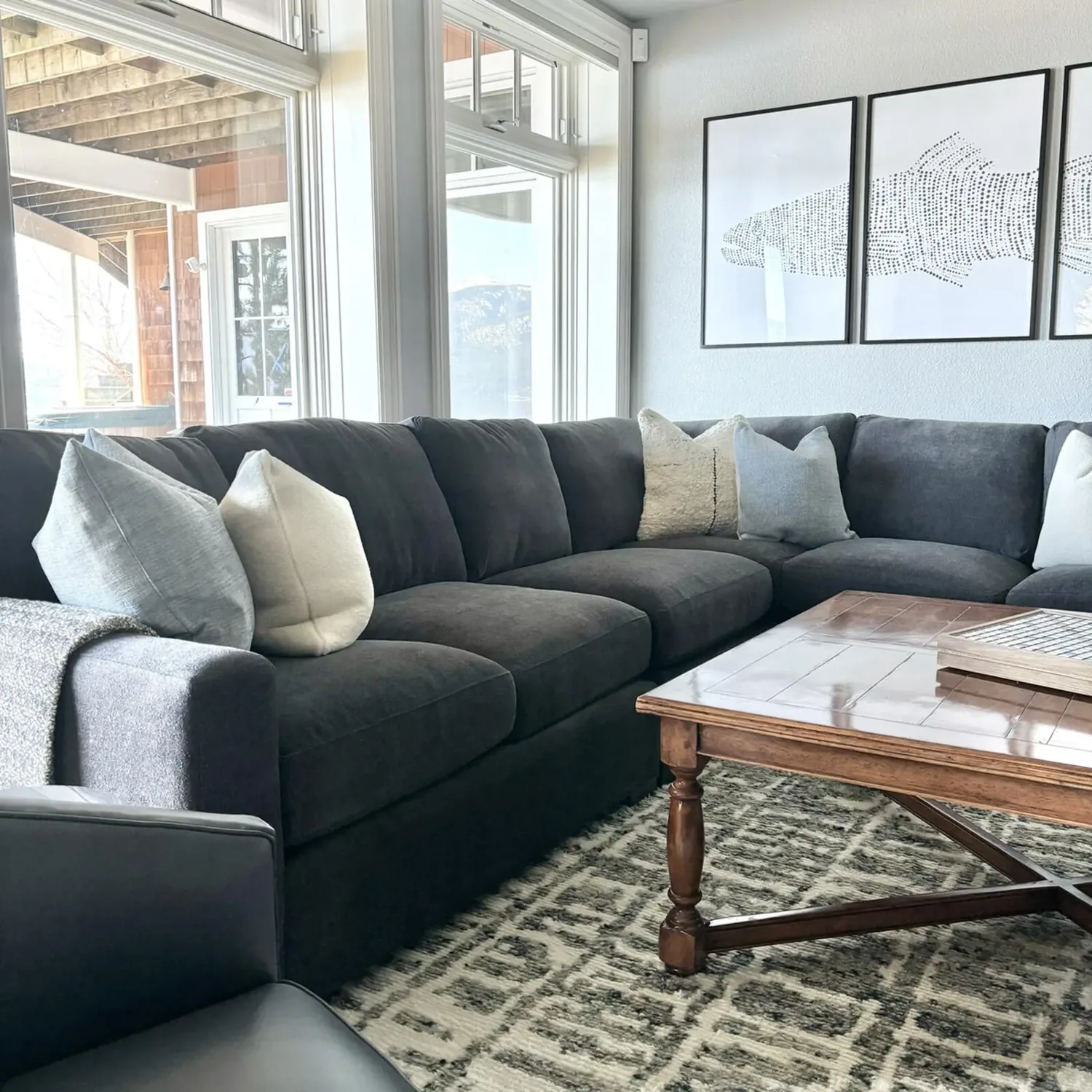
How to Choose Colors That Support Emotional Balance
Color choices directly influence mood and emotional states. The first decision homeowners often face is selecting a palette that promotes calm without sacrificing personality. Soft, muted tones like gentle blues, warm beiges, and calming greens are proven to reduce anxiety and foster relaxation. The American Society of Interior Designers emphasizes that color can also influence physiological responses, such as lowering blood pressure or improving sleep quality.
When designing for mental health, avoid overly bright or highly saturated colors that can overstimulate. Instead, opt for layered neutrals with subtle accent hues. Across our projects, we recommend testing sample boards in natural light and observing how the colors feel at different times of day. This approach ensures the chosen palette genuinely supports emotional balance, making your space a sanctuary rather than a source of stress.
Optimizing Room Layouts for Psychological Comfort
The second high-stakes decision involves furniture arrangement and spatial flow. A cluttered, poorly organized room can increase stress and hinder relaxation. The key is to create clear pathways, define zones for different activities, and position furniture to foster a sense of openness and privacy. Our process includes using site measurements and cardboard mockups to visualize layouts before committing to installation.
For example, in a recent project, we reconfigured the living room to improve sightlines and create a dedicated meditation nook. This simple adjustment, made without structural changes, significantly reduced visual chaos and promoted calm. The lesson: thoughtful furniture placement can transform a space into a mental retreat, especially when combined with natural light and sensory-friendly textures.
Incorporating Biophilic Elements for Stress Reduction
Connecting with nature through interior elements has a proven calming effect. The first question we ask is whether natural elements are accessible and sustainable within the space. Incorporating indoor plants, water features, and natural materials like wood and stone can reduce cortisol levels and promote serenity. We often specify easy-care plants like snake plants or pothos, which thrive indoors and improve air quality.
In our Sacramento projects, using biophilic design has included custom-built plan walls and natural fiber textiles. These elements bring a sense of the outdoors inside, which is especially valuable in urban or shaded environments. The American Society of Interior Designers highlights that such integration supports mental resilience by fostering a sense of connection and vitality.
Avoiding Common Design Mistakes That Elevate Stress
Many homeowners unknowingly create environments that hinder mental well-being. Common mistakes include overusing bright, contrasting colors, cluttered spaces, and materials that cause sensory overload. For example, choosing glossy, reflective surfaces can increase glare and discomfort, especially in rooms with limited natural light. Overly ornate or heavily patterned textiles can also create visual noise, making it hard to relax.
By focusing on soft textures, muted palettes, and organized layouts, you can craft a space that promotes peace and mindfulness. Our experience shows that even small adjustments, like adding storage to reduce clutter or selecting matte finishes, can have a profound impact on mental health.
Balancing Privacy and Natural Light in High-Stress Spaces
From our project debriefs and post-occupancy reviews, 2023-2026.
Overlooking Light and Privacy Balance: Dark, enclosed spaces increase confinement and mood disruption.
One common failure we see is homeowners prioritizing privacy over natural light, resulting in dark, enclosed spaces that increase feelings of confinement. In the Pinos Project, a homeowner requested privacy for a home office but refused to consider larger windows or skylights. We initially proposed a tall, narrow window, but during a daylight study with a light meter, it became clear that the space lacked sufficient daylight, affecting mood and focus. We used a measuring tape and site photos to evaluate potential window sizes, and discovered that the deep eaves and orientation blocked natural light significantly. The fix involved enlarging existing windows and adding a light tube, which cost less than a full renovation. The lesson? Balancing privacy with daylight access is crucial for mental well-being, especially in Sacramento’s intense summer sun.
Ignoring Textural Variety: Flat, uniform textures create sensory deprivation and dullness.
Another mistake is relying on flat, uniform textures, which can feel sterile and dull. In several projects, homeowners chose all matte finishes and smooth surfaces, which created a sensory deficit and made rooms feel less inviting. Introducing varied textures like woven rugs, matte ceramics, and soft fabrics adds tactile interest and reduces sensory overload. In our experience, integrating these elements helps residents feel more grounded and relaxed in their environment.
Sources & Professional References
This guide's positions on materials are grounded in published building-code, standards, and recognized design-authority sources, alongside Designed | Curated Interiors' verified credentials and active project files:
- American Society of Interior Designers (ASID): interior-design practice standards
- International Code Council (ICC): Chapter 8 Interior Finishes
- NKBA, Amy Kunst Member Profile (verified credential, NKBA Committee Member)
- Featured in: Homes & Gardens (design expert quote, May 2026) · Sacramento Love (guest author, 2024)
Related reading
- Sacramento & Bay Area Interior Design Services How we scope, source, and deliver work end to end.
- Interior Designer Hub, Sacramento Where most of our Sacramento work lives, the regional fit explained.
- Modern Tudor Homes: Authentic, Revival, and Neo-Tudor (A Designer Reference) Heritage-architecture renovation patterns from our project files.
- Japandi Living Room: A Designer's Guide to the 2026 Look The 2026 warm-neutral playbook applied to the living room.