Sacramento + Marin Interior Designer · Amy Kunst, NKBA 📞 916-756-5977 Get Free Quote

Ideas On Home Decorating

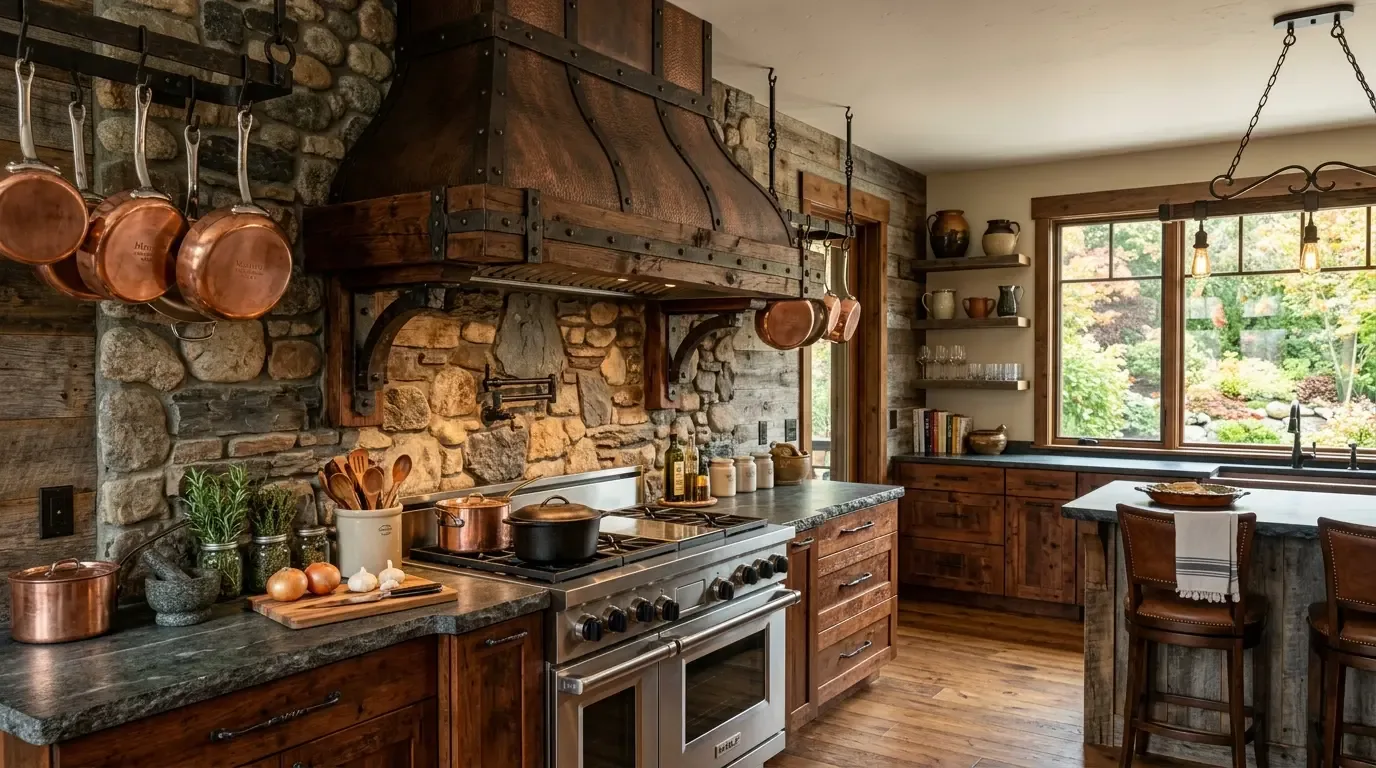
A rustic kitchen with stone walls, wooden cabinets, copper pots, and a large window overlooking a garden
High end home decorating ideas.

To find fresh and creative ideas for enhancing your home interior, start by exploring innovative materials, color palettes, and layout concepts that reflect your personal style while staying current. 2026's approach to home decorating emphasizes a balance between individuality and subtle restraint, blending bold textures with calming tones. This trend is rooted in a designer perspective that values timeless quality over fleeting fads. Built from our active project files, this post will guide you through the latest room-specific trends, how to incorporate your personal style, budget-friendly decorating tips, effective color schemes, space-saving ideas for small rooms, mixing textures, and DIY projects. Our focus is on practical, regionally grounded advice that helps you make confident decisions, especially in the Sacramento and Marin areas, where architectural character and landscape influence design choices.

Direct Answers (Ideas On Home Decorating)

What are some creative ideas for home decorating in Sacramento?Explore innovative materials, color palettes, and layout concepts that reflect your personal style while staying current, considering regional influences like Sacramento's warm light and landscape.
How can I incorporate regional influences into my home decor?Use warm, earthy tones and durable materials that age gracefully, inspired by Sacramento’s landscape and natural light, to create a space that feels rooted and authentic.
What design styles work well with Sacramento's architectural character?Sacramento’s historic ranch homes, mid-century moderns, and craftsman bungalows lend themselves to blending original details with contemporary finishes for a seamless look.
Are there budget-friendly decorating tips for Sacramento homeowners?Yes, focusing on high-impact areas like lighting and hardware, using statement pieces, and incorporating regional materials can enhance your home without overspending.

Embracing Personal Style with Timeless Appeal

In 2026, the key to successful home decorating is integrating your personal style in a way that remains timeless and balanced. This means selecting foundational elements like classic wood finishes, such as white oak or walnut, which bring warmth and durability, while layering in contemporary textures like rattan, textured ceramics, or woven fabrics. Across our active project specifications, we see homeowners blending vintage finds with modern pieces, creating a curated look that feels authentic and personalized. The American Society of Interior Designers emphasizes the importance of authentic materials and textures that age gracefully, adding character without overwhelming the space.

To effectively incorporate your style, consider the scale of furniture and the mood created by your color choices. A subtle yet impactful way is through a statement piece like a handcrafted rug or artwork that reflects your interests. Regional influences, such as Sacramento's warm light and landscape, can also guide your material and color selections, making your space feel rooted and unique without sacrificing sophistication.
A bedroom with a white bed frame, blue patterned bedding, white pillows, and matching bedside tables with lamps
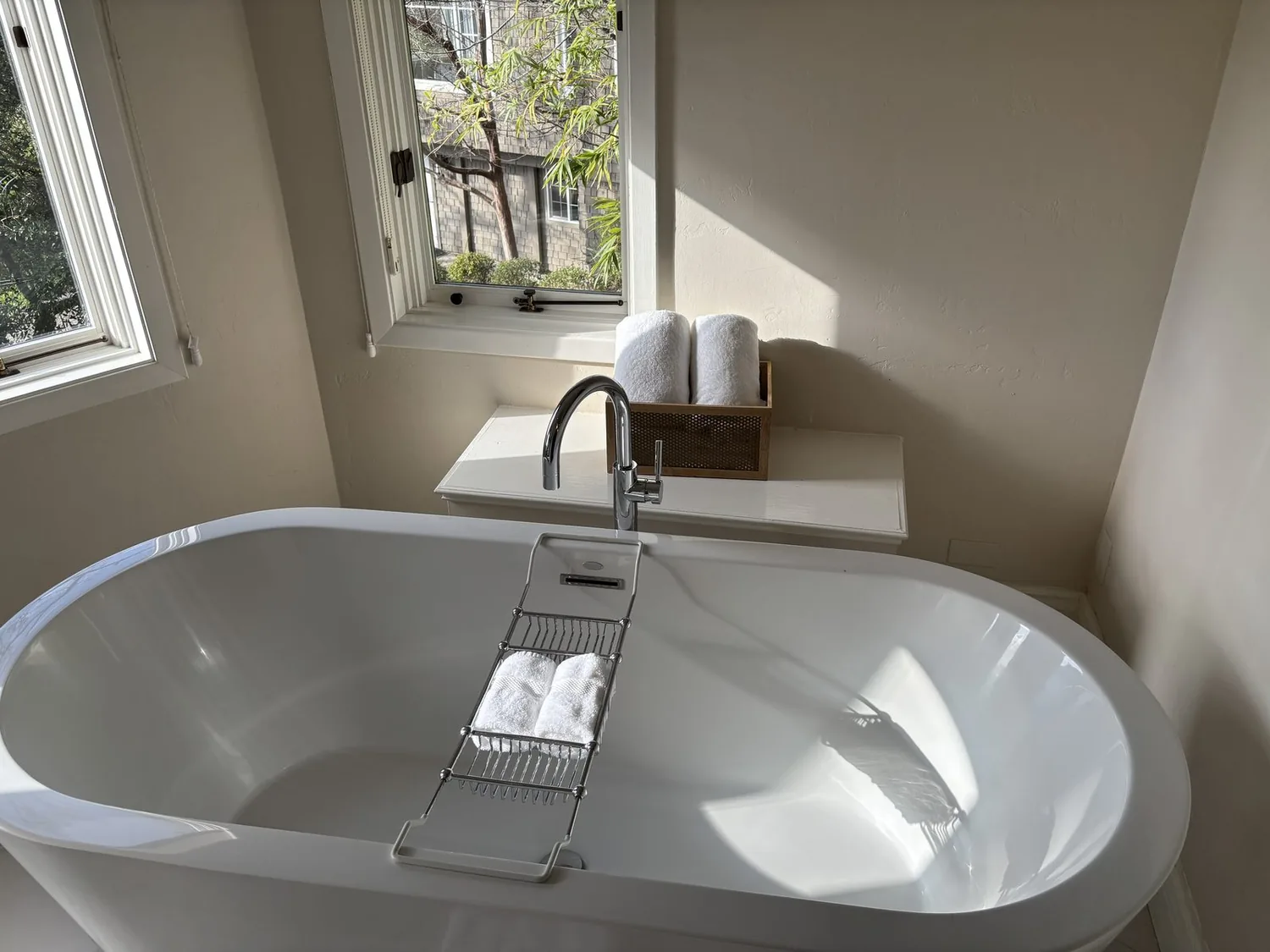
A bright bathroom with a white freestanding bathtub, chrome faucet, and rolled white towels near a window.

Material Specificity for Lasting Beauty

Authenticity-grade materials

  • White oak (rift-sawn), for floors and slat detail; calmer grain than plain-sawn
  • Linen and hemp fabrics, natural fibers that age beautifully and add texture
  • Terra cotta and hand-glazed ceramics, authentic, warm, and durable
  • Brass and aged bronze hardware, subtle sheen that develops character over time
  • Reclaimed wood, environmentally conscious and full of history
  • Porcelain tiles, for moisture resistance with a natural look
  • Natural wool carpets, soft underfoot with excellent wear properties
  • Sandstone and limestone, regional stones that tie interior to Sacramento’s landscape

Generic-grade tells we refuse to spec

  • Vinyl flooring, often looks cheap and lacks character
  • Mass-produced fabrics, prone to fading and wear
  • Synthetic countertops, lack the warmth of natural stone
  • Chrome hardware, overly shiny and impersonal
  • Laminate surfaces, inexpensive but not durable or authentic
  • Artificial decorative accents, lack the depth of natural materials
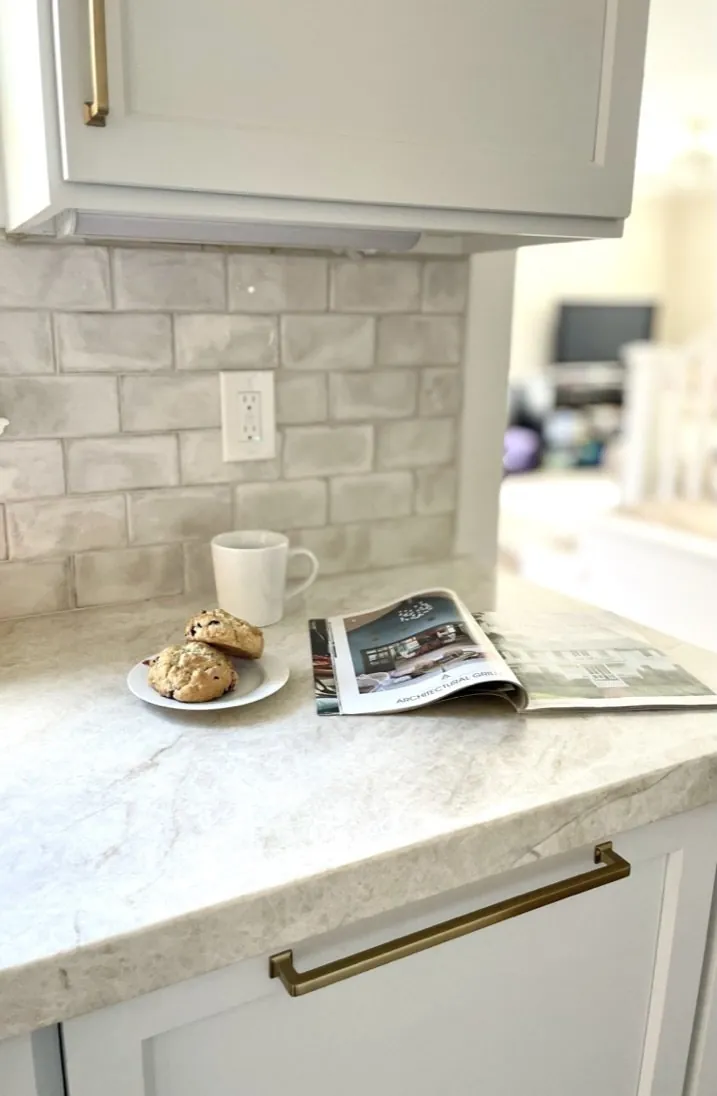
A kitchen countertop display featuring a pepper grinder, a marble container, a bottle of extra virgin olive oil
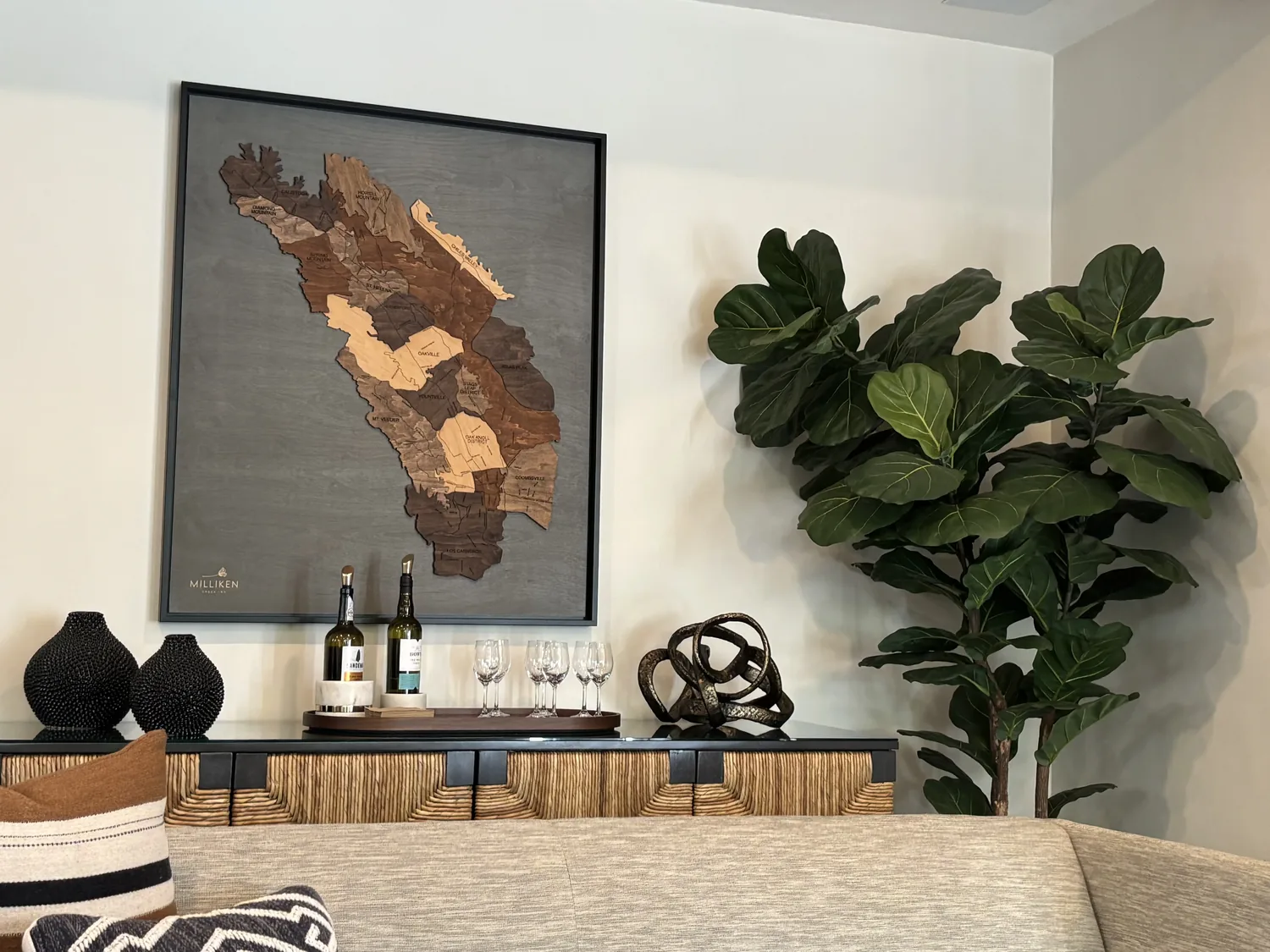
A living room corner with a beige sofa, decorative pillows, a wooden sideboard with wine bottles and glasses, a large leafy plant, and a framed wooden map on the wall.

How do I choose the right fixtures and finishes for my space?

The first question we ask is what the space will be used for and what style you prefer. For kitchens, selecting range hoods and countertops that balance function and aesthetics is crucial. For example, a 36-inch range might suit a standard kitchen, but a 48-inch range with a matching hood could be overkill unless the space and budget justify it. Across our active projects, we recommend considering the size, CFM, and depth of fixtures like hoods, which should align with your cooking habits and ceiling height. The NKBA’s guidance on kitchen ventilation emphasizes matching hood size and CFM to the range size and room volume.

When choosing finishes, think about durability and regional climate. In Sacramento, moisture-resistant materials like porcelain tiles for backsplashes and natural stone for countertops perform well over time. If you’re deciding between custom and stock options, a local fabricator might offer better quality and fit, but with longer lead times and higher costs. We often compare Etsy or Wayfair products with the craftsmanship of local cabinet shops, balancing budget and longevity.

What are the sizing and specification considerations for fixtures?

Understanding the appropriate dimensions for fixtures is essential to avoid costly mistakes. For example, a range hood should be at least 3 inches wider than your cooktop, with CFM ratings that match your cooking intensity. A typical 36-inch range needs a hood with 400-600 CFM, while larger ranges or professional-grade appliances require more. The NKBA provides detailed guidelines on fixture sizing based on room volume and use cases. Ceiling height also influences fixture selection; a standard 8-foot ceiling pairs well with a 24-30 inch range hood, but higher ceilings might require custom solutions to maintain proportionality.

In small rooms, multi-functional fixtures like combined lighting and ventilation units can optimize space while maintaining air quality and aesthetics. Our projects often involve mockups and measurements using laser tools to ensure perfect fit and function before installation, saving thousands in rework or adjustments later.

Should I opt for custom or stock solutions when upgrading my home?

The common decision is whether to choose stock products from big-box stores or invest in custom millwork. In Sacramento, custom cabinetry from local shops offers tailored fit and high-quality finishes, often with a longer lead time and higher price point. Stock options are faster and more budget-friendly but may sacrifice some authenticity and fit. The NKBA suggests evaluating your priorities: if you want a seamless, bespoke look that matches your specific space and style, custom is usually worth the investment.

In several recent projects, we’ve found that mixing custom and stock elements can deliver the best ROI. For example, custom-built kitchen islands or vanities can anchor a space, while stock cabinets keep costs down. Balancing these choices with regional material availability and your personal style ensures your home feels both authentic and thoughtfully designed.

What are the common mistakes that make home decorating look cheap or dated?

One common mistake is overusing trendy finishes that quickly become dated, such as overly shiny hardware or cheap-looking laminates. Another is neglecting scale; oversized fixtures or furniture in small spaces can feel overwhelming, while undersized elements look out of proportion. Lastly, mismatched textures and materials can create a disjointed look that appears cheap. The American Society of Interior Designers emphasizes the importance of authentic materials and balanced textures that age gracefully. Avoid these pitfalls by focusing on quality, proportion, and regional authenticity, especially in Sacramento where historic charm deserves respectful updates.

Observed Failure Modes, How Ideas On Home Decorating Goes Wrong

From our project debriefs and post-occupancy reviews, 2023-2026.

Overbuilding fixtures and finishes

Many homeowners assume that bigger, more elaborate fixtures and finishes will increase the home's value or aesthetic impact. During the Tank Farm Project, the homeowners asked for a large statement range hood, believing it would be a showstopper. Every contractor agreed that a 48-inch hood was ideal, and the budget quickly rose into six figures. During a time in the actual room, I used a story pole and painter's tape to evaluate the space. It became clear that the focus should be on proportion and integration rather than size alone. We discovered that a smaller, custom-fitted hood would deliver the desired visual impact at a fraction of the cost. The lesson is that assumptions about size often lead to unnecessary expense. In Sacramento, regional context and spatial proportion are key to smart, lasting design investments.

Ignoring regional material suitability

Choosing materials without considering Sacramento’s climate can lead to early deterioration or aesthetic mismatch. For example, selecting high-gloss finishes or artificial materials in areas prone to moisture or temperature swings can result in costly repairs. Our active projects show that authentic materials like reclaimed wood or natural stone age better and withstand regional conditions, preserving the design integrity over time. The American Society of Interior Designers advocates for using regionally appropriate, sustainable materials that improve longevity and reduce maintenance costs.

Misjudging scale and proportion

Many homeowners underestimate how scale affects the overall harmony of a space. A common mistake is installing a large chandelier in a small room, which can feel overwhelming and cheapen the look. Conversely, furniture that is too small can feel out of place. During our projects, we measure carefully using tools like laser distance meters, and mock up with cardboard to ensure proper scale. This approach ensures that fixtures and furniture enhance the space without overpowering it, maintaining a high-end feel that is regionally appropriate.

Following every trend without considering longevity can make a home look dated quickly. For example, overly trendy color palettes or hardware finishes often lose appeal within a few years. The American Society of Interior Designers emphasizes choosing classic, adaptable elements that can evolve over time. In Sacramento, integrating timeless textures and neutral tones with subtle accents allows homeowners to refresh their decor easily while maintaining sophistication.

What's Going Out for 2026

  • Overly trendy or gimmicky decor
  • Cheap-looking, mass-produced fixtures
  • Heavy, dark, and cluttered layouts
  • Matching everything too perfectly
  • Overly bright or neon colors
  • Too many small, disconnected accessories
  • Overuse of artificial finishes
  • Ignoring regional climate in material choices

What Ideas On Home Decorating Costs in 2026

ScopeTypical range
Refresh scope with basic finishes and fixtures$15K-$35K
Mid-tier remodel with custom cabinetry and upgraded fixtures$70K-$150K
Estate-scale renovation with high-end finishes and bespoke features$300K-$750K

Working Notes

What We Have Learned Doing This: Ideas On Home Decorating

“Site conditions vote last, and they always vote.”

Most of the money that gets wasted is spent solving the wrong problem confidently. A homeowner asks for more space, every contractor agrees and prices an addition, and the real issue turns out to be light, or proportion, or one bad sightline. We make the room tell us the problem before anyone signs a demolition contract.

Order the long-lead items before anything else and design the sequence so the rest of the job can proceed without them. The appliance, the stone, the custom millwork set the schedule, and pretending otherwise is how a project loses a month it never gets back.

Old houses lie, and so do new ones. Even a ten-year-old house lies the moment you assume the framing sits where the plans say. We stopped trusting old drawings, prior contractor work, and the phrase it should be fine a long time ago. The budget needs a real line for what demolition will uncover, usually 15 to 20 percent once walls start opening.

These notes come from our own ideas on home decorating project debriefs. Most were learned the expensive way the first time.

Sources & Professional References

This guide's positions on materials are grounded in published building-code, standards, and recognized design-authority sources, alongside Designed | Curated Interiors' verified credentials and active project files:

Frequently Asked

What are some creative ideas for home decorating in Sacramento?
Explore innovative materials, color palettes, and layout concepts that reflect your personal style while staying current, considering regional influences like Sacramento's warm light and landscape.
How can I incorporate regional influences into my home decor?
Use warm, earthy tones and durable materials that age gracefully, inspired by Sacramento’s landscape and natural light, to create a space that feels rooted and authentic.
What design styles work well with Sacramento's architectural character?
Sacramento’s historic ranch homes, mid-century moderns, and craftsman bungalows lend themselves to blending original details with contemporary finishes for a seamless look.
Are there budget-friendly decorating tips for Sacramento homeowners?
Yes, focusing on high-impact areas like lighting and hardware, using statement pieces, and incorporating regional materials can enhance your home without overspending.
How can regional landscape and climate influence decorating choices?
They encourage the use of warm, earthy tones and durable, moisture-resistant materials like porcelain tiles and natural stone to withstand local conditions.
When updating fixtures and finishes, what should I consider?
Consider the room's use, style preference, fixture size, CFM, durability, and regional climate to select appropriate, long-lasting finishes and fixtures.
Where can I find expert guidance on home decorating in Sacramento?
You can consult local resources such as the Community Development (Building Division) for permits and regional design considerations, and industry organizations like NKBA and ASID for expert tips.

From Ideas On Home Decorating to a Real Room

A trend piece is the briefing document, not the deliverable. The pages below show how we translate these principles into finished rooms across Sacramento and the rest of Northern California.

Start a Project Conversation →

Call (916) 756-5977Book a Consultation