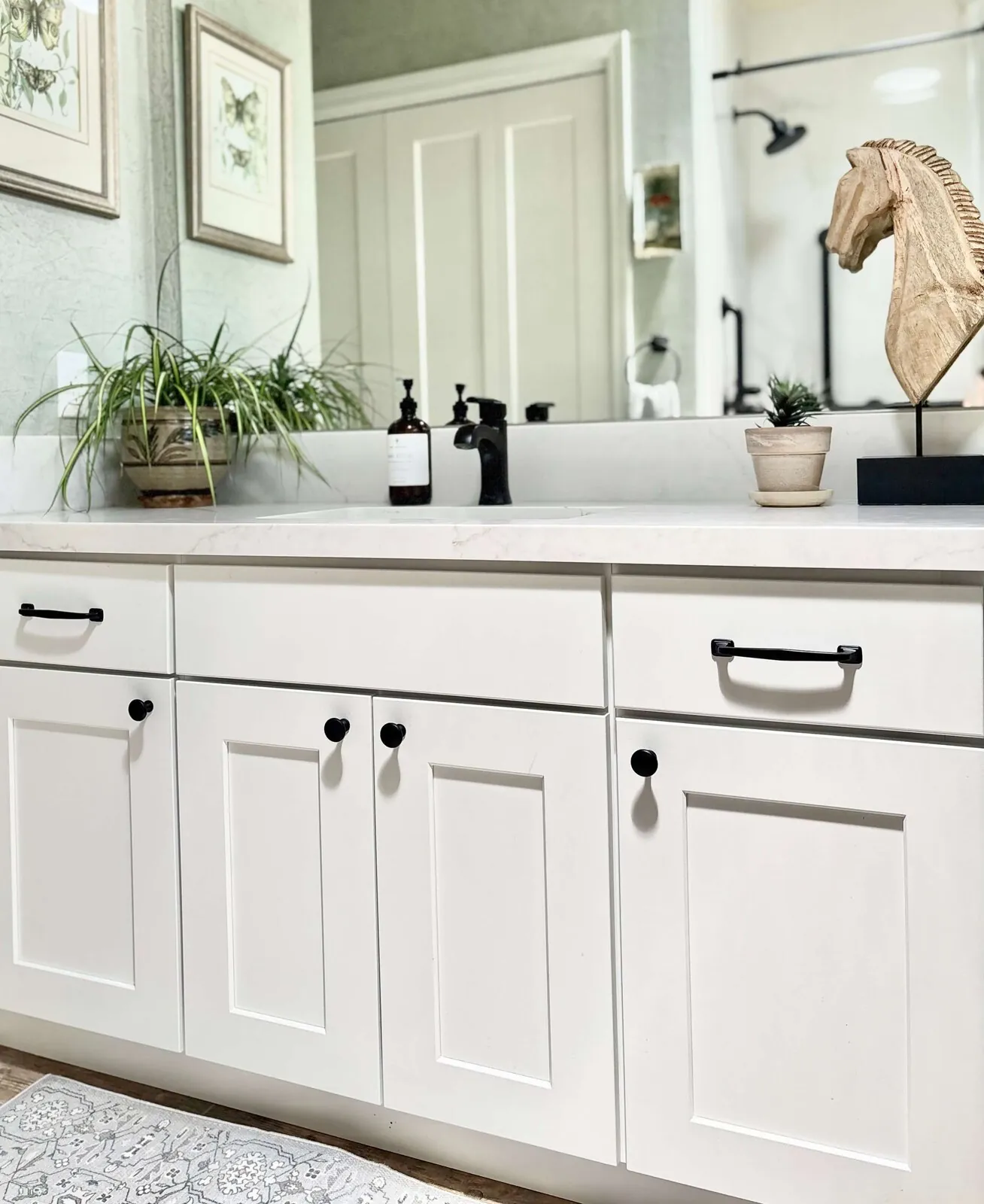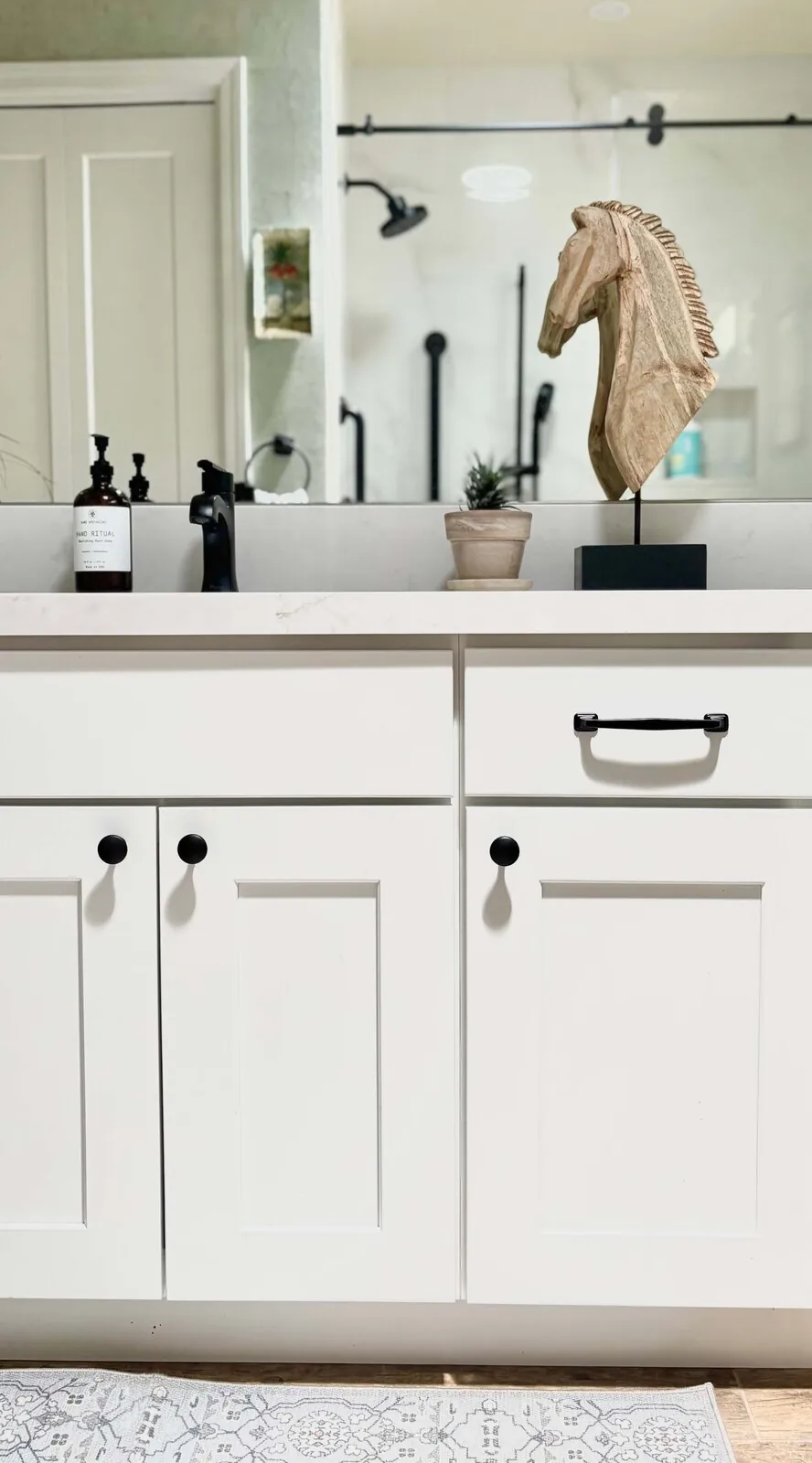
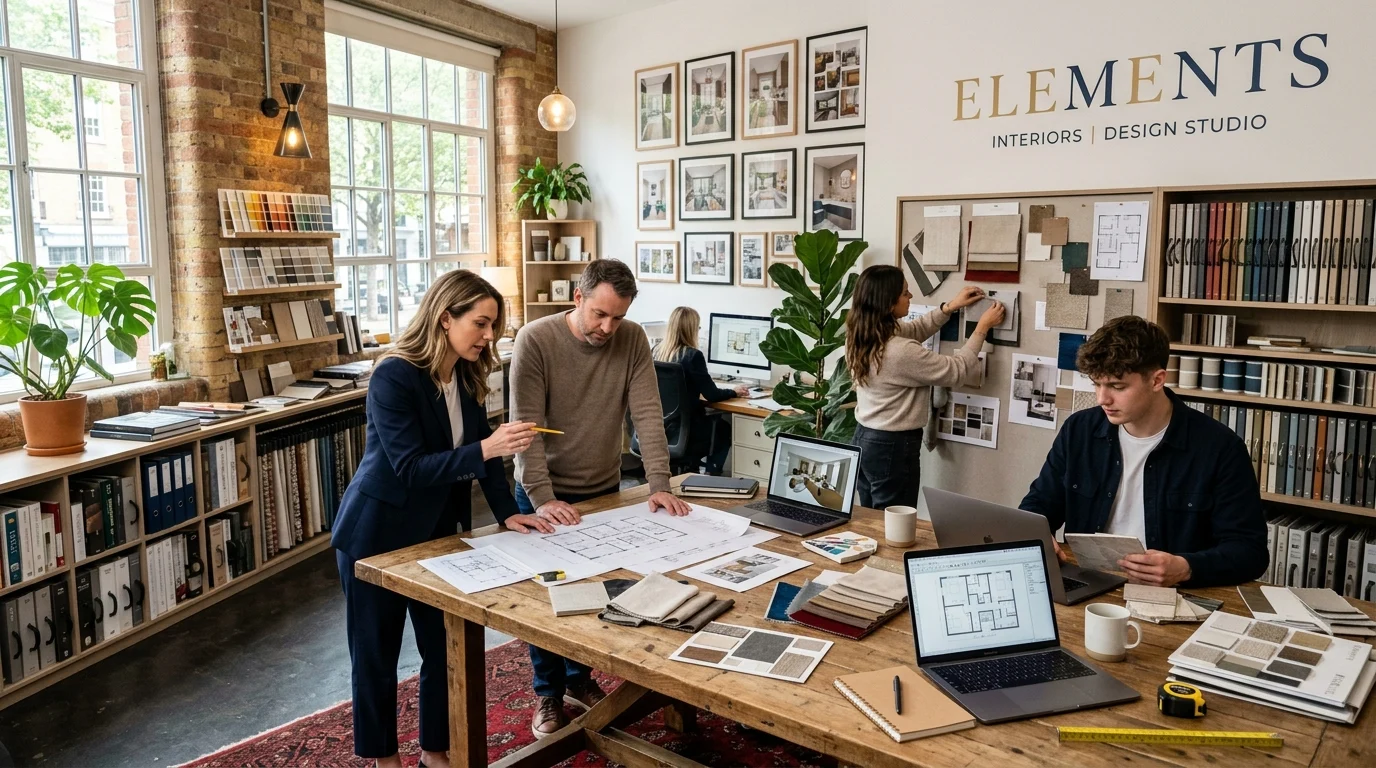
Positioning your interior design business for success in 2026 requires understanding the emerging trends, technological shifts, and evolving client demands shaping the industry. The key is to adapt proactively to these changes rather than react after they occur. Strategic future-proofing in 2026 hinges on embracing innovation, sustainability, and targeted marketing to stand out in a competitive landscape.
Built from our active project files, this guide explores the top trends, economic influences, technological tools, and marketing strategies that will influence interior design practices in 2026. We’ll also delve into regional considerations specific to Sacramento and Marin, providing actionable insights to help your business thrive amid industry evolution.
Common Questions
| What’s the realistic outlook for an interior design business in Sacramento by 2026? | The market will favor firms that balance sustainability with practical regional solutions—think locally sourced materials, durable finishes for Sacramento’s climate extremes, and designs that respect historic architecture while meeting modern needs. The NKBA’s 2024 reports show demand for adaptable, low-maintenance spaces growing in Northern California, especially in older homes where structural constraints (like post-1950s load-bearing walls) limit radical renovations. |
| How can Sacramento designers actually compete in 2026—not just with vague ‘trends’? | Skip the hype: focus on tools that solve real problems. AR for client walkthroughs (like AutoCAD’s Revit Live) cuts back-and-forth visits, VR helps visualize tight layouts in mid-century homes, and AI-driven mood boards (e.g., Canva’s design generator) speed up concept phases without sacrificing specificity. Sacramento’s labor shortages mean pre-fabricated cabinetry and modular layouts will also be non-negotiable for staying on budget. |
| What Sacramento-specific factors should designers prioritize in 2026? | Start with the climate: Sacramento’s 100°F summers and foggy winters demand materials that resist UV degradation (like FSC-certified teak or composite decking) and moisture (e.g., sealed concrete countertops). Historic districts push for period-appropriate updates—think original crown molding preserved with modern LED lighting—but even in newer builds, the city’s seismic codes require flexible layouts. And yes, natural light is a given: Sacramento’s smoggy summers mean layered shading (Roman blinds + exterior awnings) is a must. |
| Should Sacramento clients go all-in on custom or mix stock and custom in 2026? | Custom makes sense for high-impact, low-volume elements—like a built-in bookshelf in a 1920s Craftsman—but stock cabinetry (e.g., IKEALA’s semi-custom lines) keeps costs down for the bulk of a project. My Marin clients spend 30–40% of their budget on custom pieces; Sacramento’s lower median home values (Zillow’s 2025 data) suggest a 20–30% custom split is more realistic. The key? Pre-select stock items early to avoid last-minute contractor markups. |
The First Major Design Move: Embracing Technology-Driven Personalization
In 2026, the most impactful design move for interior design businesses is adopting advanced digital tools to deliver hyper-personalized experiences. Technologies such as augmented reality (AR), virtual reality (VR), and AI-powered design platforms are becoming industry staples. These tools enable designers to create immersive client presentations and refine concepts with unprecedented accuracy, reducing misunderstandings and revisions.
Across our active project specifications, integrating brands like Modsy or Hutch provides clients with realistic visualizations that foster confidence and streamline decision-making. For instance, in a recent Sacramento project, we used VR to help a client visualize a proposed open-concept layout, which ultimately led to a more confident approval of the final design. The shift toward digital enables a more efficient, client-centric process that is essential for future success.
Should I focus on high-end custom solutions or stock options for 2026?
Designers and clients alike face the decision of whether to pursue custom or stock solutions. The first question we ask is: what is the scope, timeline, and budget? For high-end projects, custom millwork, bespoke furniture, and tailored finishes offer a competitive edge, especially when clients seek uniqueness and long-term quality. However, custom solutions often come with longer lead times and higher costs, which need to be justified by the client’s value perception.
In several recent projects across Sacramento, we've found that a hybrid approach can be most effective. For instance, custom cabinetry paired with stock fixtures can meet both budget and aesthetic goals. The American Society of Interior Designers emphasizes that understanding client priorities and regional supply chains is key to making this decision. Leveraging locally fabricated millwork can reduce lead times and support regional economies while maintaining quality.
Ultimately, the choice hinges on the client’s vision and the project’s strategic goals. Our role is to guide them through the trade-offs, ensuring that their investment aligns with future-proofing their space and their budget.
How can I incorporate sustainability into my interior design business in 2026?
Sustainability is no longer optional; it’s an expectation. The first question clients ask is how eco-friendly materials and practices can be integrated without compromising style or durability. The American Society of Interior Designers highlights that sourcing certified sustainable materials and minimizing waste are critical components of a future-ready practice.
In our projects, this means prioritizing reclaimed, recycled, and low-impact materials like bamboo flooring, low-VOC paints, and natural textiles. Educating clients about the long-term cost savings of energy-efficient systems and sustainable finishes also enhances value perception. For Sacramento-based projects, regional availability of sustainable materials and climate considerations influence choices, such as using high-performance insulation and passive solar design principles.
Embedding sustainability into your business model not only aligns with industry standards but also differentiates your firm in a competitive market. Partnering with local suppliers and staying informed about evolving regulations ensures you stay ahead of the curve and deliver authentic, eco-conscious solutions.
Sources & Professional References
This guide's positions on materials are grounded in published building-code, standards, and recognized design-authority sources, alongside Designed | Curated Interiors' verified credentials and active project files:
- American Society of Interior Designers (ASID): interior-design practice standards
- International Code Council (ICC): Chapter 8 Interior Finishes
- NKBA, Amy Kunst Member Profile (verified credential, NKBA Committee Member)
- Featured in: Homes & Gardens (design expert quote, May 2026) · Sacramento Love (guest author, 2024)
Related reading
- Sacramento & Bay Area Interior Design Services How we scope, source, and deliver work end to end.
- Interior Designer Hub, Sacramento Where most of our Sacramento work lives, the regional fit explained.
- Modern Tudor Homes: Authentic, Revival, and Neo-Tudor (A Designer Reference) Heritage-architecture renovation patterns from our project files.
- Japandi Living Room: A Designer's Guide to the 2026 Look The 2026 warm-neutral playbook applied to the living room.