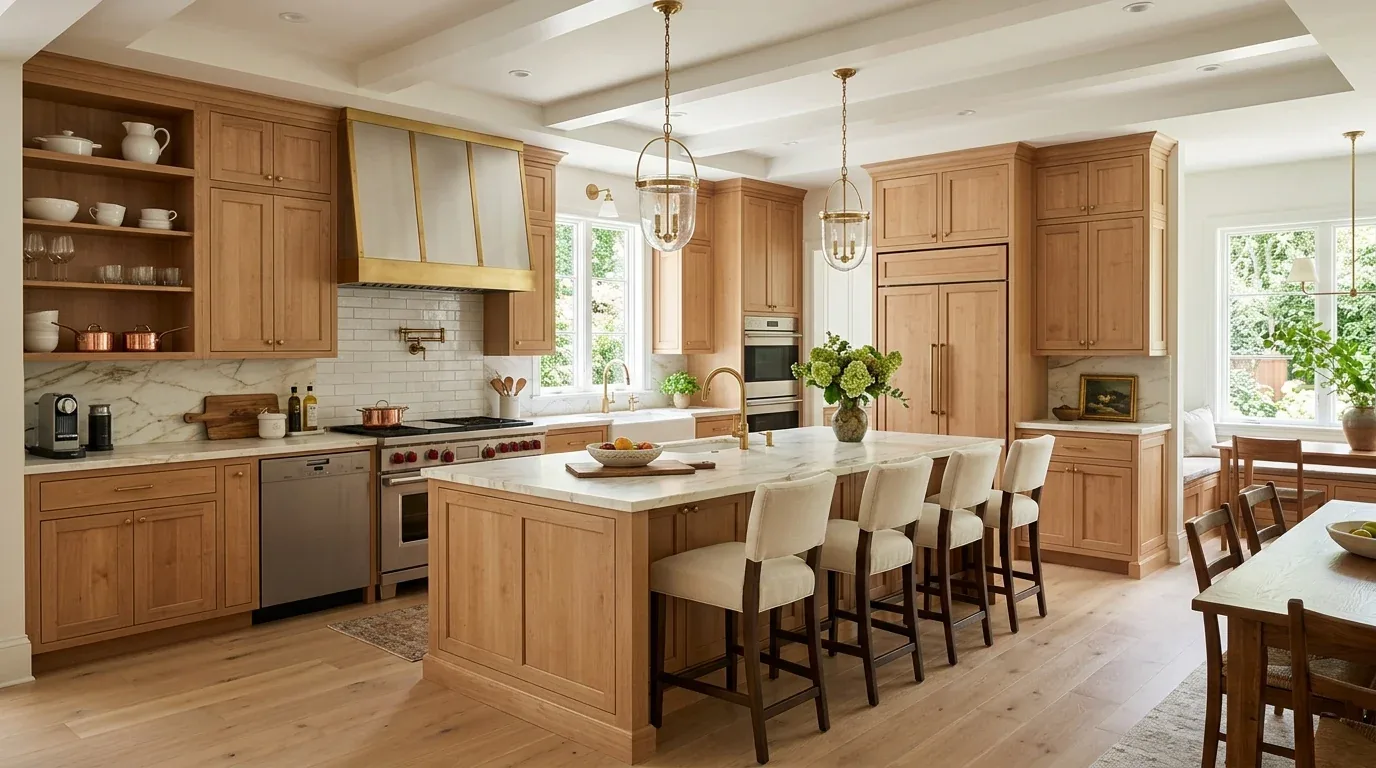
For homeowners in Camino, California seeking interior design services or inspiration, the key is finding local experts who understand the unique landscape and architectural style of the area. Designing in Camino means balancing rustic charm with modern comfort, tailored to the region’s natural beauty and land use patterns. This guide will help you understand the current trends, local designers, and specific considerations for homes in the 95709 ZIP code.
Built from our active project files, this post explores the popular design styles in Camino, showcases local designer portfolios, discusses regional challenges, and offers practical advice on selecting the right interior services. We focus on a warm, restrained approach that respects Camino’s character while incorporating contemporary trends.
Common Questions
| What should I consider when choosing an interior design style in Camino, California 95709? | Camino’s homes often feature mid-century ranch layouts with exposed beams, stucco exteriors, and large overhangs—details that lean toward transitional or farmhouse styles with a modern edge. The area’s mix of rural and suburban influences means you’ll see a lot of open shelving, warm wood tones, and neutral palettes that ground the space. If you’re working with a 1960s-era home, those built-in cabinetry details or vaulted ceilings can anchor your choices. Avoid forcing a style that clashes with the home’s original architectural bones; for example, heavy crown molding won’t land well in a ranch with low ceilings. |
| How can I optimize natural light and views in my Camino home? | Camino’s climate—hot, dry summers and cool nights—means you’ll want windows that maximize airflow while controlling heat gain. Low-E glass with a 30% tint is standard here, and the county building department requires U-factors of 0.30 or lower for new windows. Skip the skylights unless your roof pitch is steep (most Camino homes sit at 6/12 or less), as flat or low-slope roofs trap heat. Instead, opt for floor-to-ceiling windows with narrow frames (1.5-inch max) and motorized shades for glare control. Layered lighting here means task lighting (under-cabinet LEDs), ambient (recessed cans with dimmers), and accent (track lighting to highlight built-ins)—but hardwire everything to avoid extension-cord clutter, which inspectors flag in this area. |
| What materials are recommended for interior design in Camino to reflect the regional aesthetic? | Locally sourced reclaimed redwood or Douglas fir (both common in Marin County mills) adds warmth without the upkeep of solid oak, and the county’s seismic codes actually favor wood framing over drywall for interior walls in older homes. For durability, use microcement or textured plaster over drywall—it hides dings from kids’ sports equipment, which is a real issue in Camino’s active families. Natural stone like Marin County bluestone or travertine pairs with the region’s greystone foundations, but avoid polished finishes; they show water spots from the frequent coastal fog. And yes, low-maintenance means no hand-scraped leather sofas if you’ve got pets—opt for performance fabrics like Sunbrella or Crypton. |
| Do I need permits for interior design modifications in Camino? | Any structural changes—removing load-bearing walls, relocating plumbing, or extending a deck—require a full building permit from Sacramento County’s Planning Department, with fees starting at $1,200 for plans review alone. For non-structural work, electrical or HVAC upgrades over $500 need a minor permit ($350), and even repainting with lead-based paint (common in pre-1978 homes) triggers an EPA inspection. The county’s enforcement team is strict about as-built drawings, so if you’re opening up a wall to add a pass-through, get the permit before swinging the saw. Pro tip: The Camino Fire Safe Council also requires permits for any work within 100 feet of a wooded lot, even if it’s just replacing light fixtures. |
What is in and what is out for 2026: color palette, materials, lighting, design style, and 5 more
| Element | In | Out |
|---|---|---|
| Color Palette | Warm earthy tones | Cool pastels |
| Materials | Natural materials | Synthetic finishes |
| Lighting | Layered lighting | Minimal lighting |
| Design Style | Rustic-modern blends | Faddish styles |
| Materials Origin | Regional craftsmanship | Imported materials |
| Maintenance | Sustainable choices | High-maintenance choices |
| Decorative Details | Timeless appeal | Faux finishes |
| Design Trends | Regional landscape integration | Overly ornate details |
| Regional Fit | Comfort-focused design | Trendy accents |
Prioritizing Light and View in Camino Homes
One of the first design moves we recommend in Camino homes is optimizing natural light and views. Across our active project specifications, we see that homeowners value bright, inviting interiors that connect seamlessly with the landscape. In a recent project near Camino Heights, we focused on large, energy-efficient windows with minimal framing to maximize views of the surrounding forest and hills.
This approach not only enhances daily comfort but also elevates the sense of place. We often specify warm, low-VOC finishes and durable, low-maintenance materials like reclaimed wood and natural stone. These choices reflect the region’s rustic charm while meeting modern standards for sustainability and health. A well-lit space with thoughtfully placed skylights and layered lighting makes a significant difference, especially given the Sacramento valley’s strong, warm light that can sometimes wash out interior colors. Our goal is to create interiors that feel warm, grounded, and timeless, respecting Camino’s relaxed yet refined aesthetic.
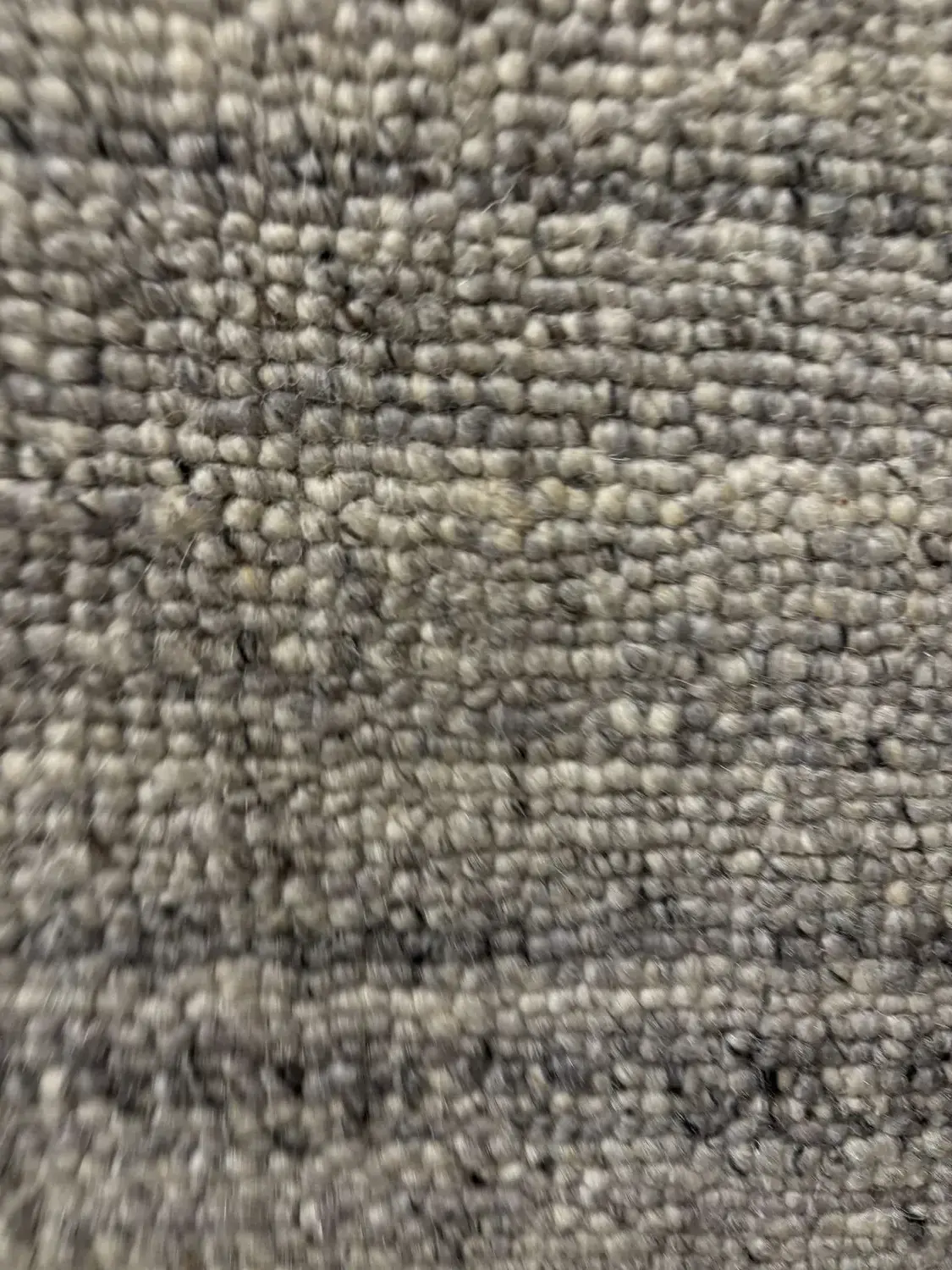
Design Trends Tailored to Camino’s Unique Landscape
Camino’s rolling hills and dense forests influence interior design choices that emphasize harmony with nature. The region’s historic homes often feature stone and wood exteriors, which are complemented by interior materials like reclaimed wood and natural stone. The region’s strong, warm light enhances earthy palettes, making regional authenticity a key factor in material selection.
In our work, we find that light plays a vital role in regional design. Large windows and skylights are common, creating a seamless indoor-outdoor flow. The landscape also favors durable, weather-resistant finishes that age beautifully. For a regional perspective, see our El Dorado Hills interior design insights to understand how landscape influences material choices. Overall, Camino’s relaxed yet refined aesthetic calls for a restrained palette and authentic textures that resonate with the land and light.
This regional approach respects the land’s natural beauty while providing a warm, inviting interior that feels timeless and grounded. Incorporating local craftsmanship and sustainable materials ensures your home remains resilient and relevant for years to come.
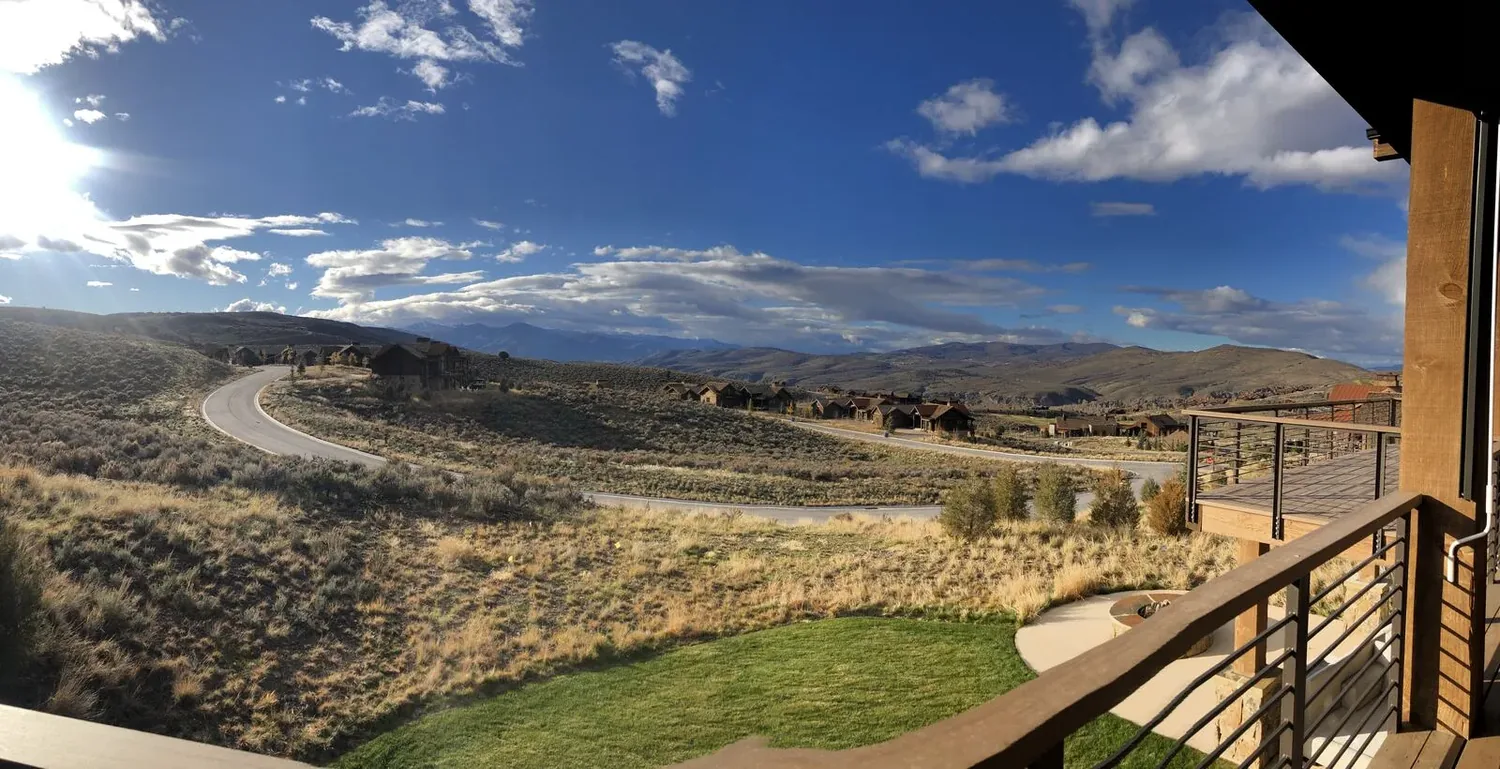
Should You Remodel or Rebuild in Camino?
Homeowners in Camino often face the decision of whether to remodel their existing home or rebuild entirely. The first question we ask is about the age and condition of the structure. Many homes near Camino Heights are older and have good bones but need updated layouts and finishes. A full rebuild can cost significantly more and may involve permits from the county building department.
However, if the home’s foundation and framing are sound, a thoughtful remodel can preserve regional charm while modernizing the interior. Consider the potential for opening up floor plans or updating materials to increase value and comfort. We usually advise a cost-benefit analysis, including ROI estimates for major projects like kitchens and primary suites.
For example, a recent project involved updating a mid-century home just off Camino Heights. The client wanted a more open kitchen and a primary suite with a view, but the structure was solid. We recommended a strategic remodel that kept the original footprint but reconfigured interior walls, adding new insulation and sustainable finishes. The result was a fresh, regionally appropriate update that avoided the six-figure cost of a rebuild.
Ultimately, in Camino, balancing preservation with innovation is key. The decision hinges on structural condition, budget, and desired longevity. A careful assessment helps ensure your home remains a timeless retreat, rooted in its landscape and history.
Cost ranges for renovation projects in Camino, CA 95709
2026 planning ranges by scope, Camino / Bay Area against Sacramento. They bracket a budget; they are not a quote for a specific house.
| Scope | Camino / Bay Area | Sacramento |
|---|---|---|
| Refresh scope including paint, hardware, and lighting updates | $20K-$50K | $15K-$40K |
| Mid-tier remodel with new cabinetry, flooring, and fixtures | $70K-$150K | $50K-$120K |
| Estate-scale renovation with structural updates, high-end finishes | $200K-$600K | $150K-$400K |
Local permits & planning
Sources & Professional References
This guide's positions on materials are grounded in published building-code, standards, and recognized design-authority sources, alongside Designed | Curated Interiors' verified credentials and active project files:
- American Society of Interior Designers (ASID): interior-design practice standards
- International Code Council (ICC): Chapter 8 Interior Finishes
- County Building, Camino (El Dorado County) building permit portal
- NKBA, Amy Kunst Member Profile (verified credential, NKBA Committee Member)
- Featured in: Homes & Gardens (design expert quote, May 2026) · Sacramento Love (guest author, 2024)
Related reading
- Sacramento & Bay Area Interior Design Services How we scope, source, and deliver work end to end.
- Interior Designer Hub, Camino Where most of our Camino work lives, the regional fit explained.
- Modern Tudor Homes: Authentic, Revival, and Neo-Tudor (A Designer Reference) Heritage-architecture renovation patterns from our project files.
- Japandi Living Room: A Designer's Guide to the 2026 Look The 2026 warm-neutral playbook applied to the living room.