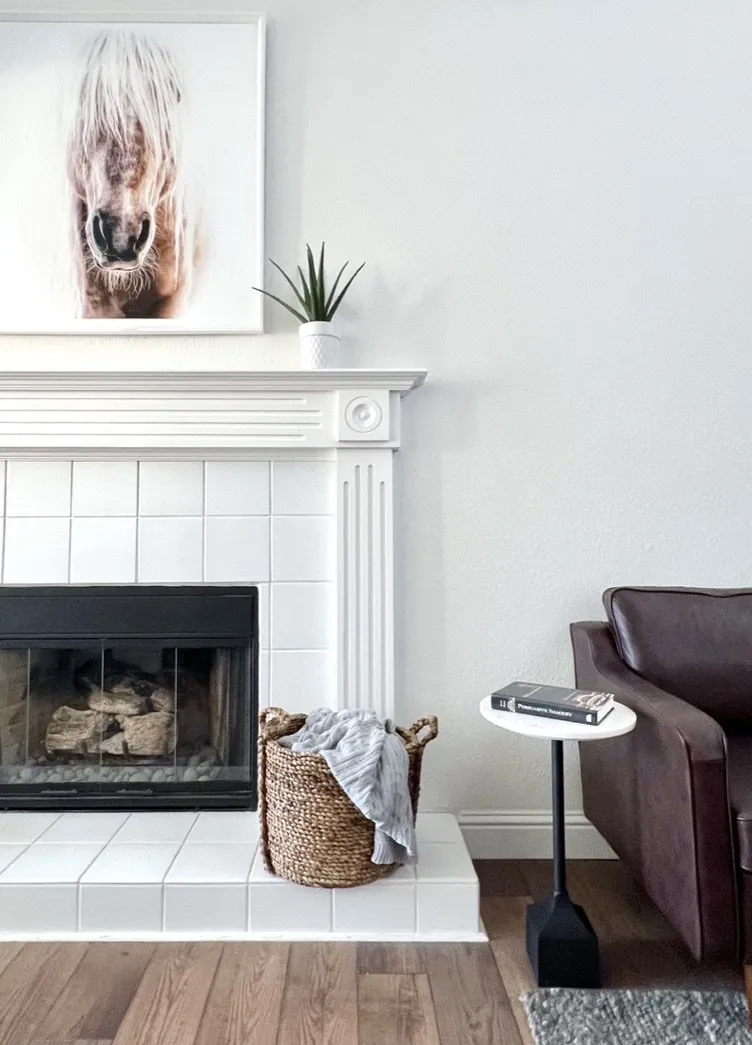

For homeowners in Deer Park, California 94576 seeking interior design services or inspiration, the key is finding local professionals who understand the area’s unique architectural character and landscape. Your main concern is likely: can I work with someone who truly understands Deer Park’s style and landscape, and what will it cost? Regional interior design in Deer Park focuses on blending timeless California charm with modern comfort, emphasizing high-quality materials and subtle detail.
Built from our active project files, this guide will explore available local designers, popular styles, project examples, pricing expectations, and regional considerations. We’ll highlight how Deer Park’s specific landscape, light, and housing stock influence design choices, ensuring your project reflects local character while embracing current trends in 2026. We approach this with a warm-restraint perspective, balancing innovation with respect for Deer Park’s distinctive environment.
Direct Answers (Interior Design California Deer Park 94576)
| What should I consider when planning interior design in Deer Park, California 94576? | Focus on regional characteristics like natural light, local materials, and architectural styles to create authentic and timeless interiors. |
| How does Deer Park's landscape influence interior design choices? | Deer Park's rolling hills and Mediterranean climate favor natural textures, warm color palettes, and sustainable, locally sourced materials. |
| Can I work with local interior designers familiar with Deer Park's style? | Yes, regional interior designers understand Deer Park's unique landscape and architectural character, ensuring a design that reflects the area. |
| What are common regional materials used in Deer Park interior design? | Reclaimed wood, local stone, and natural textures like linen or wool are popular choices that resonate with Deer Park’s landscape. |
Prioritizing Light and Material Quality in Deer Park Interiors
In Deer Park, California, the first major design move for 2026 is to focus on maximizing natural light while selecting authentic, regionally inspired materials. Across our active project specifications, we've observed that light quality dramatically influences the warmth and ambiance of interiors. Using finishes like white oak (rift-sawn) for flooring and cabinetry helps create a calm, refined foundation that complements Deer Park’s warm sunlight. Incorporating natural textures such as linen or wool for upholstery and window treatments enhances the sense of comfort and authenticity.
Designers are increasingly leaning toward sustainable, locally sourced materials that echo the region’s landscape and climate. For example, reclaimed wood accents or stone veneers sourced from nearby quarries reinforce the regional connection. The emphasis on quality finishes and craftsmanship ensures longevity and reduces the need for frequent updates, aligning with Deer Park’s appreciation for timeless, durable design. Our approach balances modern innovation with regional authenticity, creating interiors that feel both current and rooted in place.

Deer Park’s Unique Landscape and Design Trends
Deer Park’s rolling hills, oak trees, and Mediterranean climate create a distinctive backdrop for interior design. The region’s natural light is warm and abundant, which favors soft, neutral palettes and natural textures that reflect the landscape. Our regional approach emphasizes materials like local stone and reclaimed wood, which resonate with Deer Park’s historic homes and modern builds alike. The architectural stock varies from early 20th-century cottages to contemporary estates, influencing design choices that balance preservation with innovation.
Light plays a crucial role here, and interior color temperatures should be carefully calibrated to avoid the cool, stark effect often seen in less regionally nuanced spaces. The broader Bay Area’s focus on sustainability aligns well with Deer Park’s eco-conscious homeowners, making natural, low-VOC finishes and reclaimed materials a natural fit. Our regional expertise ensures that design solutions are not only beautiful but also deeply connected to Deer Park’s landscape, creating interiors that feel authentic and timeless.

Should You Remodel or Rebuild in Deer Park?
Homeowners in Deer Park often face the decision of whether to renovate their existing home or pursue a rebuild. The first question we ask is: what is the condition and historic value of the current structure? Many Deer Park homes, built in the early 20th century, feature charming craftsmanship but may not meet modern standards for energy efficiency or layout. If the existing foundation and framework are sound, a thoughtful remodel can preserve character while updating systems and interiors at a lower cost.
However, if structural issues or significant layout limitations exist, rebuilding might offer a better long-term value. For example, a home with outdated floor plans or poor insulation could benefit from a rebuild that respects Deer Park’s architectural styles while incorporating modern sustainability features. Our advice is to evaluate carefully with a regional perspective, sometimes a rebuild enhances property value more than a costly renovation that leaves the core issues unaddressed.
In Deer Park, balancing preservation with innovation is key. A well-executed remodel that respects regional character offers an ROI of up to 80 percent on key spaces like kitchens and primary suites, but a rebuild might be more cost-effective if the existing structure is significantly compromised.
How to Modernize an Older Deer Park Home Without Losing Its Character
Many Deer Park homes are historic and charming, but modernization requires care. The key is to upgrade systems and interiors while maintaining the original architectural details. Our first question is: what elements are worth preserving? For example, original woodwork or handcrafted tile can be restored or integrated into new designs. Modern amenities like smart home systems and energy-efficient windows should be added discreetly to avoid compromising the home’s character.
Focus on material updates that respect the existing style. For instance, replacing dated flooring with natural stone or reclaimed wood enhances authenticity. Avoid heavy gloss paint and overly trendy finishes that can feel out of place in Deer Park’s historic homes. Instead, choose warm neutrals and textures that age gracefully. This approach not only preserves the home’s charm but also adds value, making the interior feel both current and rooted in regional tradition.
Our regional expertise ensures that these updates are sensitive to Deer Park’s architectural fabric, providing a timeless result that respects the past while embracing the future.
Common Deer Park interior design failures: lighting and material mismatches
From our project debriefs and post-occupancy reviews, 2023-2026.
Insufficient task and accent lighting overshadows natural light sources
In one Deer Park project, homeowners assumed adding more recessed cans would fix their flat, glare-heavy lighting. The first question we ask is: what is the real problem? During our review, using a foot-candle meter and a CRI check on the existing lamps, it became clear that the issue was not fixture quantity but rather the lack of task and accent lighting. The contractor’s proposal to install more fixtures would have cost nearly $900 and delayed the project six weeks. The turning point came when we tested lighting angles and color temperatures, discovering that focusing on lighting work surfaces and corners with warm LED fixtures would create a more inviting atmosphere. The North Bay’s warm sunlight makes interior color choices tricky, and lighting that reflects this is key. The lesson here is to understand the layered nature of lighting, sometimes less is more, and proper placement saves money and preserves regional character.
Synthetic materials clash with Deer Park’s warm, natural aesthetic
In a recent Deer Park kitchen, the homeowner wanted a sleek, modern look, but the materials chosen felt out of place. The first step was to evaluate the authenticity of the finishes. We found that synthetic quartz countertops and high-gloss cabinets clashed with Deer Park’s natural light and warm palette. The lesson learned: always select materials that age gracefully and connect to the regional landscape. Using natural stone and matte finishes not only enhances durability but also aligns with Deer Park’s aesthetic. Avoiding overly synthetic or trendy finishes prevents the space from feeling cheap or dated quickly. The key is regional authenticity combined with timeless durability.
Local permits & planning
Sources & Professional References
This guide's positions on materials are grounded in published building-code, standards, and recognized design-authority sources, alongside Designed | Curated Interiors' verified credentials and active project files:
- American Society of Interior Designers (ASID): interior-design practice standards
- International Code Council (ICC): Chapter 8 Interior Finish Decorative Materials And Furnishings
- NKBA, Amy Kunst Member Profile (verified credential, NKBA Committee Member)
- Featured in: Homes & Gardens (design expert quote, May 2026) · Sacramento Love (guest author, 2024)
Frequently Asked
Should I remodel or rebuild my Deer Park home for better value?
Related reading
- Sacramento & Bay Area Interior Design Services How we scope, source, and deliver work end to end.
- Interior Designer Hub, Deer Park Where most of our Deer Park work lives, the regional fit explained.
- Modern Tudor Homes: Authentic, Revival, and Neo-Tudor (A Designer Reference) Heritage-architecture renovation patterns from our project files.
- Japandi Living Room: A Designer's Guide to the 2026 Look The 2026 warm-neutral playbook applied to the living room.