For homeowners in Pittsburg, California, seeking professional interior design services within the 94565 ZIP code, finding a qualified local designer is essential to achieving your vision without overspending or missteps. Understanding your local options and what they offer helps you make informed decisions tailored to Pittsburg’s unique housing stock and landscape.
Built from our active project files, this guide explores the top interior design firms serving Pittsburg and nearby Concord, their specialties, pricing expectations, and how to choose the right partner for your project. We focus on practical, region-specific insights that help you avoid costly mistakes and align your design goals with local housing realities, all from a designer’s perspective that values warmth, restraint, and regional authenticity.
Common Questions
| What should I consider when choosing an interior designer in Pittsburg, California 94565? | Prioritize a designer with hands-on experience in Pittsburg’s housing stock—specifically, its mix of older Craftsman and mid-century homes paired with newer builds that still lean into regional durability. Ask about their familiarity with local building codes, as Pittsburg enforces strict compliance for structural and zoning updates, particularly in historic districts where permits often require pre-approval for layout changes. |
| How can I ensure my interior design project complies with Pittsburg’s building codes? | Pittsburg’s codes mandate permit approvals for any work altering load-bearing walls, electrical, or plumbing—even cosmetic changes like removing a non-load-bearing wall may trigger inspections. Your designer should handle permit applications, but verify upfront whether they subcontract this work or manage it in-house; some local firms specialize in navigating Pittsburg’s zoning board, which is more stringent than neighboring counties for exterior modifications. |
| What design styles are popular in Pittsburg, CA 94565? | The dominant trend here is a fusion of modern minimalism with regional materials—think reclaimed redwood or locally sourced cedar for cabinetry and flooring, paired with open shelving to highlight natural light, which is a non-negotiable in Pittsburg’s dense, hillside neighborhoods. Avoid overdone farmhouse aesthetics; the market favors functional, low-maintenance updates that align with the area’s climate and seismic requirements. |
| When is remodeling preferable over rebuilding in Pittsburg? | Remodeling is the smarter play if the home’s foundation and framing are intact but the layout feels outdated—common in Pittsburg’s 1950s–70s stock, where original kitchens and bathrooms often lack modern ADA compliance or energy-efficient windows. Rebuilding is only justified if the home has termite damage, foundation shifts (a known issue in the area’s clay soil), or if you’re expanding into undeveloped land, which triggers Pittsburg’s stricter zoning for setbacks and utility hookups. |
Prioritizing Privacy and Light in Pittsburg Homes
One of the first major moves in Pittsburg interior design today is creating spaces that balance privacy with natural light. Across our active project specifications, we see that homeowners value open yet secluded areas that foster comfort without sacrificing connection to the outdoors. A common approach involves selecting window placements and glazing that optimize daylight while maintaining privacy from neighboring homes, especially in densely built neighborhoods near Pittsburg-Antioch Highway.
In the White Oak Project, a retired teacher’s waterfront home, we faced a typical dilemma: how to enlarge the primary living space without overwhelming the existing structure. The homeowners initially believed they needed a significant addition to improve light and privacy. Every contractor suggested an extension, which would have cost well into the six figures and required extensive permits. During our walk-through, we used a measuring tape and a light meter to analyze daylight penetration and privacy zones. It became clear that repositioning existing windows and adding a strategic set of landscape screens would meet their goals without structural changes or hefty costs. The key lesson in Pittsburg’s context is to look beyond the obvious and assess the actual influence of landscape and window placement on privacy and light, saving time and money while honoring the home’s original character. Across East Bay remodels, we see that addressing the real root of privacy challenges often avoids large, expensive modifications.
Material Specificity for Pittsburg Homes
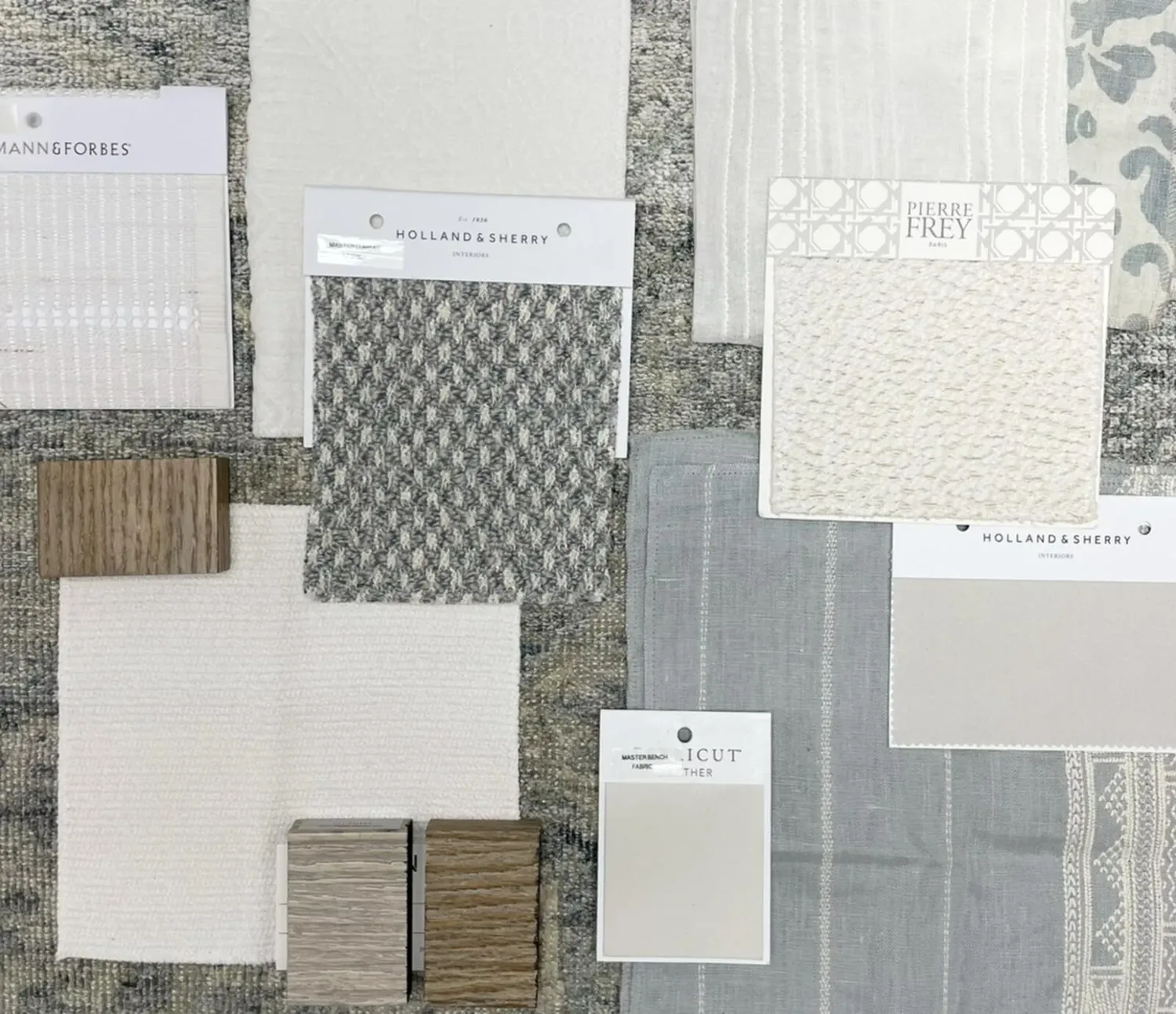
Authenticity-grade materials
- White oak (rift-sawn), for floors and slat detail; calmer grain than plain-sawn
- Limestone (tumbled), for hearths and accent walls; aged look that withstands wear
- Matte black hardware, for fixtures and pulls; modern yet timeless texture
- Sustainable cork, for flooring; soft, resilient, and regionally sourced
- Ceramic tile (glazed), for kitchen backsplashes; durable and easy to clean
- Reclaimed wood, for accents and cabinetry; eco-friendly with authentic character
- Natural linen, for window treatments; light, breathable, and regionally appropriate
- Low-VOC paints, for interiors; healthier and compliant with local standards
Generic-grade tells we refuse to spec
- Standard laminate flooring
- Polished marble countertops
- Bright chrome hardware
- Synthetic fabrics
- Pre-finished veneers
- Mass-produced tiles
- Low-quality paint
- Plastic or faux finishes
Design Trends in Pittsburg and the Bay Area
Pittsburg’s housing stock, characterized by older homes and proximity to natural landscapes, makes it a prime place for blending regional authenticity with modern updates. In our experience, the region’s abundant natural light and varied landscape influence design choices that emphasize light, privacy, and durable materials. Homes near Pittsburg-Antioch Highway often feature weathered wood and simple, practical layouts that benefit from subtle modernization.
In the broader Bay Area, including Concord and surrounding neighborhoods, there is a growing emphasis on regional resilience and sustainability. The use of low-VOC paints, reclaimed materials, and energy-efficient systems aligns with local values. For homeowners considering a remodel or new build, understanding Pittsburg’s architectural context is critical. Our Concord hub offers insights into regional style and sustainable design practices that resonate here.
Incorporating regional landscape views and respecting the historic character of Pittsburg homes ensures that interior design remains authentic and functional. Light plays a crucial role in design decisions, influencing material choices and layout configurations that adapt well to Pittsburg’s climate and land use. This regional perspective helps homeowners craft spaces that are both modern and true to their neighborhood’s character.
Should You Remodel or Rebuild in Pittsburg?
Homeowners in Pittsburg often face the dilemma of whether to remodel an existing home or rebuild altogether. The first question we ask is: what is the primary goal, updating aesthetics, improving function, or expanding space? The decision hinges on the home’s structural condition, land value, and local permitting requirements. For example, older homes near Pittsburg-Antioch Highway may have solid bones but need modernization, making remodeling the more cost-effective choice. Conversely, if the existing foundation is compromised or the lot allows for a larger footprint, rebuilding might be justified.
Understanding Pittsburg’s housing stock is key. Many older homes were built with smaller footprints and limited natural light. Remodeling can unlock hidden potential through thoughtful redesign, like opening up interiors or adding windows, without the expense of tearing down and rebuilding. The American Society of Interior Designers emphasizes regional context when planning renovations, urging a focus on preserving character while integrating smart, sustainable upgrades.
Ultimately, the decision depends on a careful assessment of structural integrity, land value, and desired lifestyle outcomes. Consulting a regional expert ensures that your project aligns with Pittsburg’s unique housing realities and local regulations, avoiding costly pitfalls and maximizing value.
What This Costs in 2026
| Scope | Pittsburg / Bay Area | Sacramento |
|---|---|---|
| Refresh scope | $30K-$70K | $20K-$50K |
| Mid-tier scope | $80K-$150K | $50K-$100K |
| Estate-scale | $250K-$500K | $150K-$300K |
Local permits & planning
Sources & Professional References
This guide's positions on structure are grounded in published building-code, standards, and recognized design-authority sources, alongside Designed | Curated Interiors' verified credentials and active project files:
- International Code Council (ICC): Chapter 93 Mandatory Earthquake Hazard Reduction In Existing Woo
- International Code Council (ICC): Chapter 23 Wood
- Community Development, Pittsburg (Contra Costa County) building permit portal
- NKBA, Amy Kunst Member Profile (verified credential, NKBA Committee Member)
- Featured in: Homes & Gardens (design expert quote, May 2026) · Sacramento Love (guest author, 2024)
From Principle to a Real Room
A trend piece is the briefing document, not the deliverable. The pages below show how we translate these principles into finished rooms across Pittsburg and the rest of Northern California.
- Sacramento & Bay Area Interior Design Services How we scope, source, and deliver work end to end.
- Interior Designer Hub, Pittsburg Where most of our Pittsburg work lives, the regional fit explained.
- Modern Tudor Homes: Authentic, Revival, and Neo-Tudor (A Designer Reference) Heritage-architecture renovation patterns from our project files.
- Japandi Living Room: A Designer's Guide to the 2026 Look The 2026 warm-neutral playbook applied to the living room.