Finding a qualified interior designer in Palo Alto that fits your style and budget is a top priority for homeowners planning a remodel or new build. Knowing how to identify top-rated local talent, understand their specialties, and clarify costs helps you make confident decisions and avoid costly mistakes.
This guide, built from our active project files, explores the current trends in Palo Alto interior design, including style preferences, pricing structures, and how local designers approach client collaboration. We focus on the designer perspective, emphasizing a warm-restraint approach that balances luxury with practicality, especially relevant for the high-value land stock typical in Palo Alto and nearby areas.
Common Questions
| What should I look for when hiring an interior designer in Palo Alto? | Look for designers with experience in authentic materials, timeless style, and local knowledge of Palo Alto's architectural context. |
| How can an interior designer help with permits in Palo Alto? | An interior designer can assist with navigating local regulations and ensuring all necessary permits are obtained, especially for structural changes. |
| Are there specific design trends popular among Palo Alto homeowners? | Yes, trends include maximizing natural light, choosing durable, authentic materials like rift-sawn white oak, and integrating large windows and skylights. |
| When should I consider rebuilding instead of remodeling in Palo Alto? | Rebuilding may be more cost-effective if the home has structural limitations or outdated systems; remodeling is suitable if the existing structure is sound. |
Interior Designer In Palo Alto 2026 at a Glance
| Element | In | Out |
|---|---|---|
| Design Style | High-end modern and transitional styles | Generic modern styles |
| Service Approach | Personalized, boutique design services | One-size-fits-all packages |
| Pricing Transparency | Transparent pricing structures | Unclear or opaque pricing |
| Recognition & Awards | Strong local reputation and awards | Limited local recognition |
| Consultation Process | Initial consultations offered | No initial consultation offered |
| Portfolio Quality | Extensive portfolio examples | Stock portfolios with little customization |
| Design Focus | Emphasis on light, material quality, and timelessness | Overlooking local light and landscape |
| Tech Integration | Smart-home integration becoming standard | Ignoring smart-home trends |
| Value & ROI | Focus on value and ROI in design choices | Prioritizing trend over value |
The First Major Design Move: Embracing Light and Material Quality
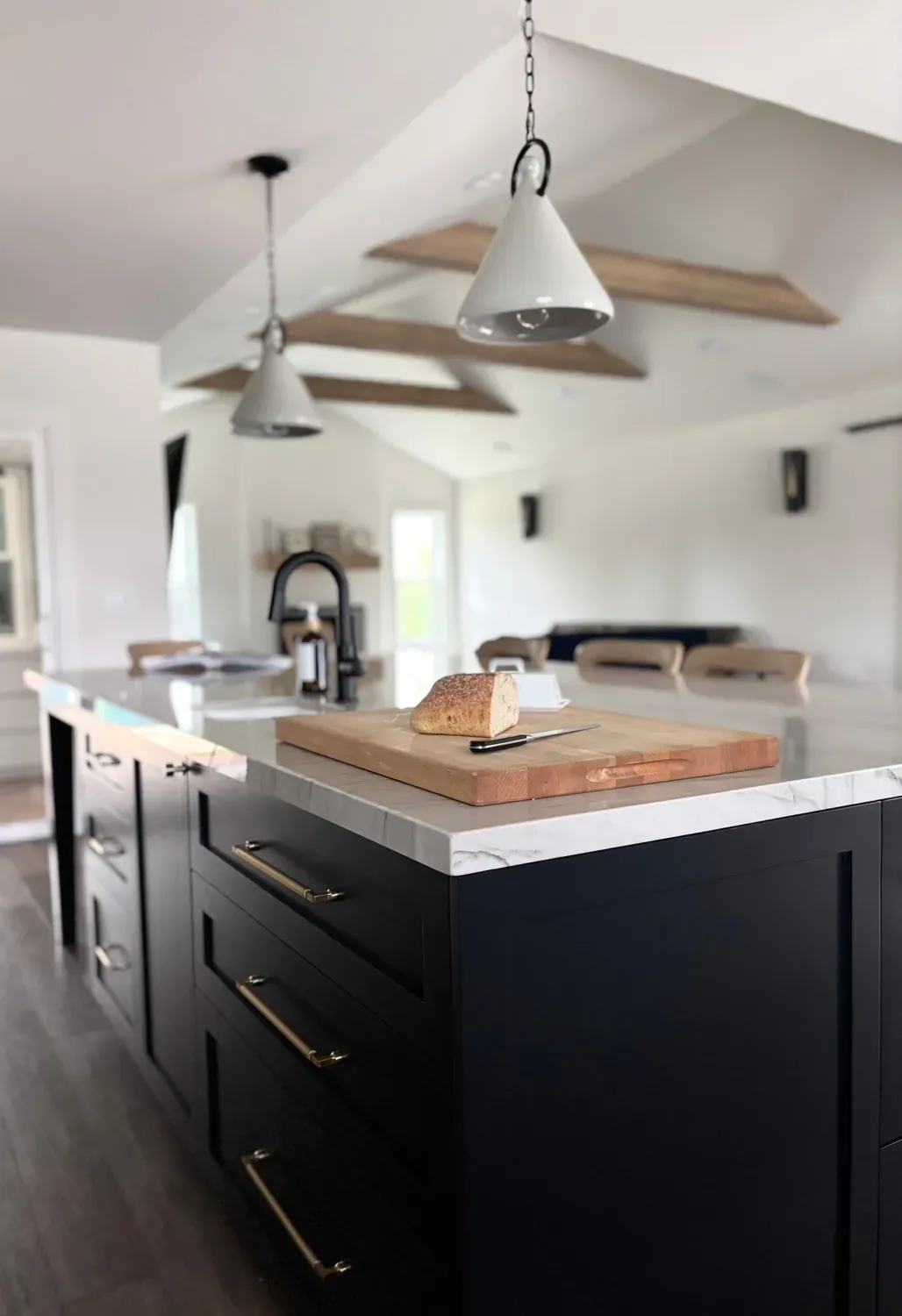
In Palo Alto’s high-end residential projects, the first major design move often involves elevating the quality of materials while maximizing natural light. Across our active project specifications, we see a trend toward choosing authentic, durable finishes that resonate with the region’s architectural stock. For example, we favor rift-sawn white oak for flooring and custom millwork because of its calm grain and longevity, aligning with the understated luxury many clients desire. Additionally, selecting high-performance, low-maintenance surfaces like quartz with subtle veining or textured plaster walls ensures a timeless look that withstands daily wear.
Designers are increasingly integrating large windows, skylights, and light-filtering shades to enhance Palo Alto’s abundant natural light. This approach not only elevates the aesthetic but also supports energy efficiency and indoor comfort. When specifying fixtures and finishes, brands like Madeval and Farrow & Ball are popular for their authentic textures and rich palettes. The key is balancing authenticity, durability, and local context, which is essential in a region with sophisticated homeowners who value both craftsmanship and environmental sensitivity.
Material Specificity: Authenticity and Durability in Palo Alto Homes
Authenticity-grade materials
- White oak (rift-sawn), for floors and slat detail; calmer grain than plain-sawn
- Limestone or sandstone, for fireplaces and accent walls, blending regional earthy tones
- Matte-finish brass or bronze, for hardware and fixtures, offering warmth and patina over time
- Textured plaster, for walls, adding depth and craftsmanship
- Ceramic or porcelain tiles, for kitchen backsplashes, combining durability with visual interest
- Reclaimed wood, for accents, supporting sustainability and authenticity
- Low-VOC paints, for healthier indoor environments
- Silestone or Caesarstone, quartz surfaces that mimic natural stone with less maintenance
Generic-grade tells we refuse to spec
- Mass-produced laminate, lacks authenticity and durability
- Polished marble, high maintenance and prone to staining
- Plastic or vinyl fixtures, less authentic and durable
- High-gloss paint, can appear cheap if overused
- Thin veneer finishes, prone to chipping and peeling
- Overly synthetic materials, lack tactile warmth and character
Why Palo Alto’s Design Trends Reflect Its Unique Character
Palo Alto’s design landscape is deeply influenced by its architectural heritage and the region’s natural landscape. The abundance of natural light, paired with the region’s land stock of older homes and newer high-tech estates, creates a climate for a diverse design palette. The region’s homeowners tend to favor authentic materials that age gracefully and support sustainable practices, aligning with broader Bay Area values. Incorporating large windows and open plans enhances the region’s light-filled environment, while carefully selected textures and finishes add warmth and character.
In our experience, the most successful Palo Alto interiors respond to the local landscape and architectural context. For those considering a remodel or rebuild, it’s essential to understand the city’s permit requirements, which can be navigated with guidance from Palo Alto’s Planning & Development Services. For a broader regional perspective, you can visit our San Jose interior design hub to compare how design strategies adapt across neighboring communities.
...
Should You Remodel or Rebuild in Palo Alto?
Homeowners in Palo Alto often face the dilemma of whether to remodel an existing property or pursue a rebuild. The first question we ask is what the long-term vision for the home is and whether the existing structure supports that vision without extensive updates. In several recent projects, including the Hillview Project, clients assumed a renovation would suffice but later discovered that structural limitations and outdated systems made rebuilding more cost-effective in the long run.
The decision hinges on factors like the home’s age, the scope of upgrades needed, and the land value. For example, older homes with original framing or foundation issues might justify a rebuild, especially if the goal is to modernize and maximize land use. Conversely, a well-maintained home with good bones can often be refreshed with strategic updates that preserve character while adding value.
Consider the ROI for each approach, focusing on how design choices impact resale value and livability. In high-value Palo Alto neighborhoods, thoughtful modernizations that respect the original architecture often yield the best results. For a detailed comparison, see our ROI table below.
| Approach | Cost Range | Typical ROI |
|---|---|---|
| Remodel | $50K - $200K | High if character is preserved |
| Rebuild | $300K - $1M | Optimal for maximizing land and modern features |
What This Costs in 2026
| Scope | Palo Alto / Bay Area | Sacramento |
|---|---|---|
| Refresh scope | $30K - $70K | $20K - $50K |
| Mid-tier scope | $75K - $200K | $50K - $150K |
| Estate-scale | $300K - $2M | $200K - $1M |
Local permits & planning
Working Notes
What We Have Learned Doing This: Interior Designer in Palo Alto
“Site conditions vote last, and they always vote.”
Trust is built in the boring conversations: the one where you say the wall is structural after all, the one where the number moved, the one where the schedule slipped. Clients forgive reality. They do not forgive being surprised by it.
After enough projects you stop fearing bad taste and start fearing the boring things: delays, sequencing mistakes, moisture behind a wall, an electrician improvising, framing that is not where the drawings swear it is. The aesthetic part still matters, it is why anyone hires anyone, but execution decides whether the room ever gets built the way it was drawn.
Specify for the next ten years, not the next photo shoot. The work that holds its value is quiet, well made, and a little bit boring on the day it is installed.
These notes come from our own project debriefs. Most were learned the expensive way the first time.
Sources & Professional References
This guide's positions on materials are grounded in published building-code, standards, and recognized design-authority sources, alongside Designed | Curated Interiors' verified credentials and active project files:
- American Society of Interior Designers (ASID): interior-design practice standards
- International Code Council (ICC): Chapter 8 Interior Finish Decorative Materials And Furnishings
- Planning & Development Services, Palo Alto (Santa Clara County) building permit portal
- NKBA, Amy Kunst Member Profile (verified credential, NKBA Committee Member)
- Featured in: Homes & Gardens (design expert quote, May 2026) · Sacramento Love (guest author, 2024)
From Principle to a Real Room
A trend piece is the briefing document, not the deliverable. The pages below show how we translate these principles into finished rooms across Palo Alto and the rest of Northern California.
- Sacramento & Bay Area Interior Design Services How we scope, source, and deliver work end to end.
- Interior Designer Hub, Palo Alto Where most of our Palo Alto work lives, the regional fit explained.
- Palo Alto Historic Preservation Remodeling Guidelines Related cluster piece referenced from the Palo Alto Historic Preservation Remodeling Guidelines build files.
- Palo Alto Flood Zone Remodeling Requirements Related cluster piece referenced from the Palo Alto Flood Zone Remodeling Requirements build files.
- Palo Alto Green Building Code Remodeling Standards Related cluster piece referenced from the Palo Alto Green Building Code Remodeling Standards build files.