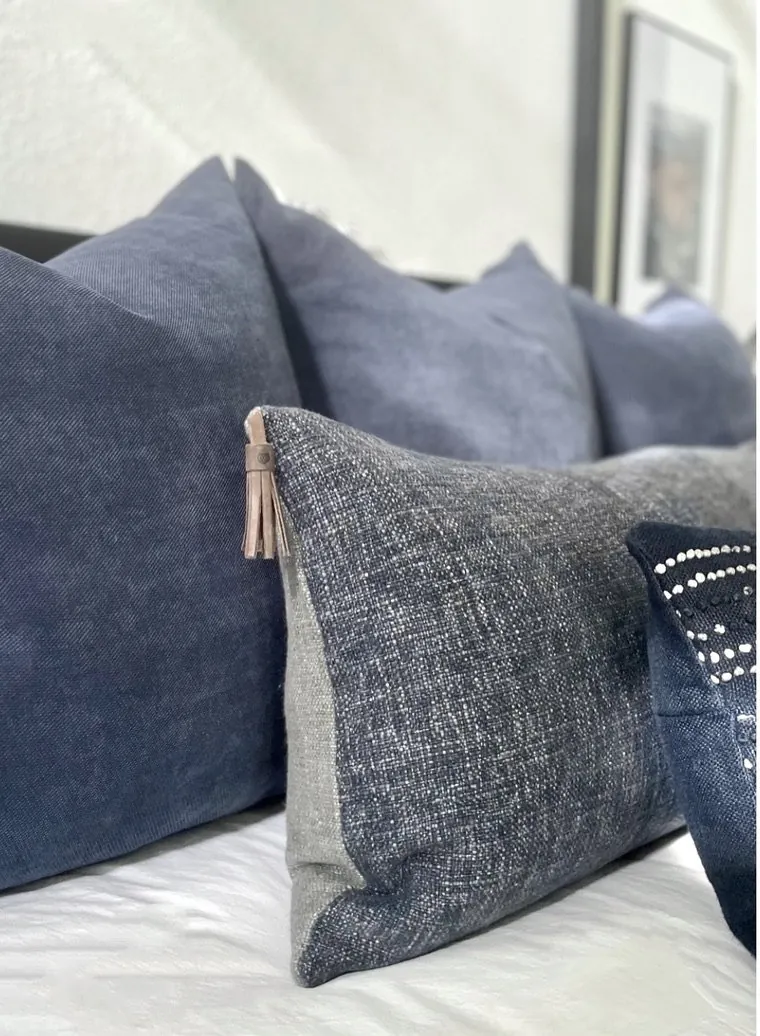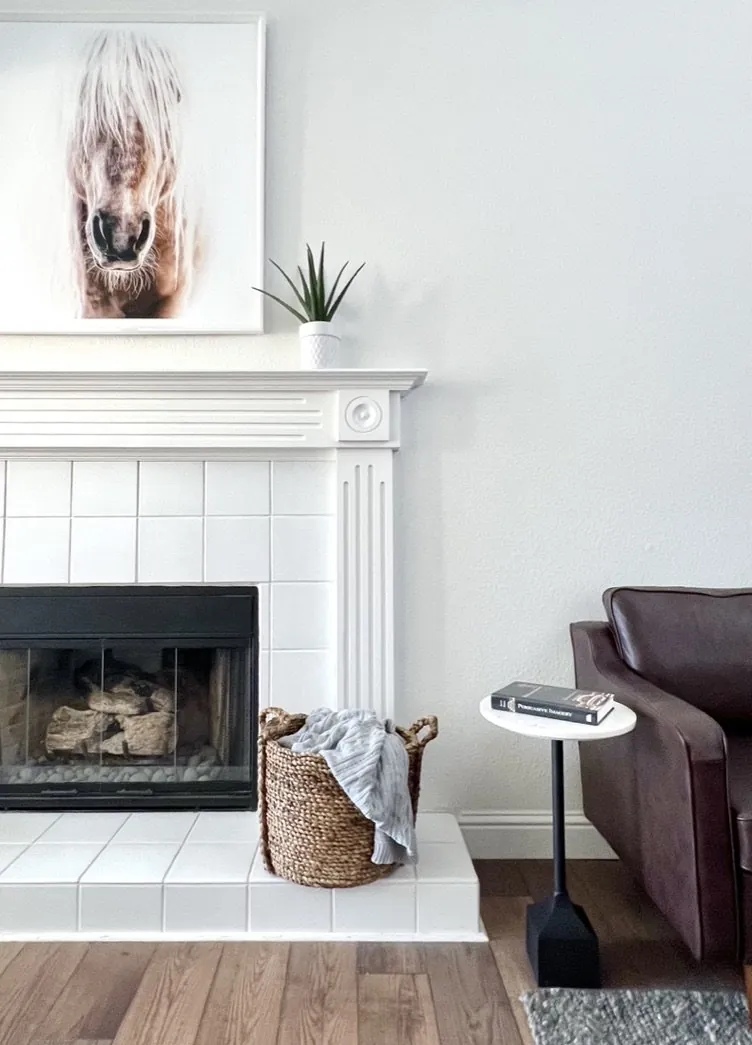
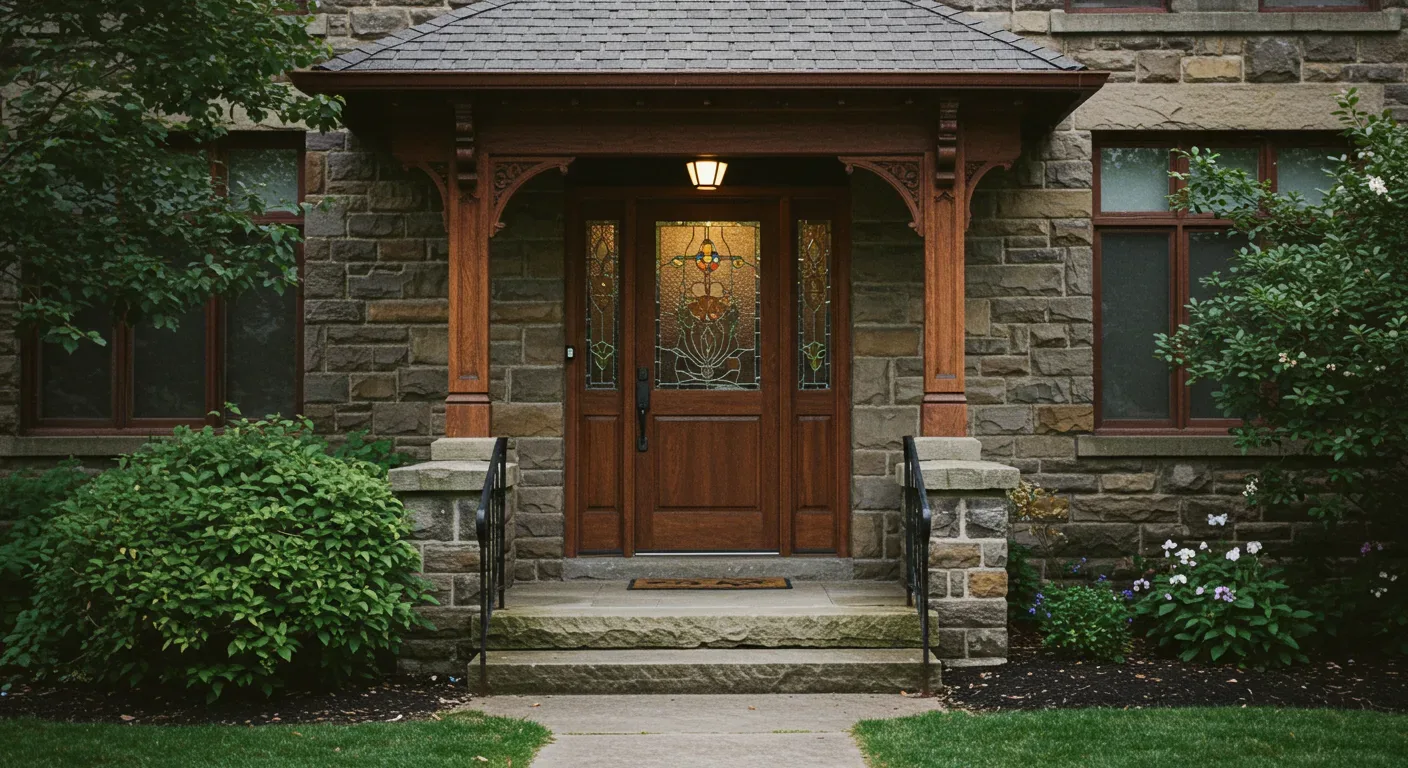
In Sacramento, fees should align with what the job actually involves, not just time spent. A fair rate covers more than labor: think decisions and coordination. Many freelancers price per hour. Big studios might mix hourly, flat rates, and procurement fees. Good design isn't about cramming in stuff. It's knowing when to stop. The perspective is intentionally practical: what are you actually paying the designer to take off your plate, and where does a higher fee create real value?
Direct Answers (Interior Designer Rates)
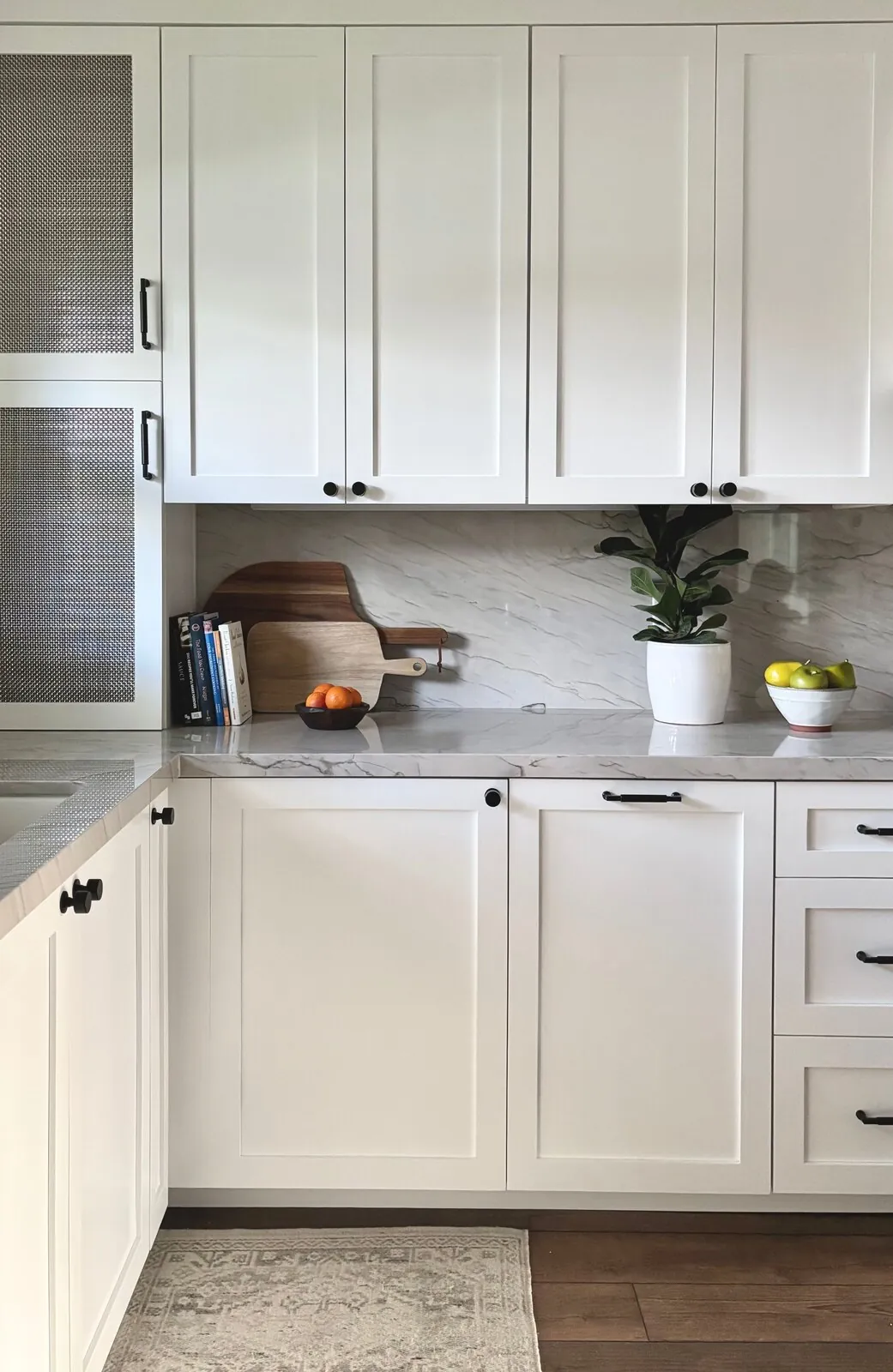
| How do interior designers in Sacramento typically charge for their services? | Sacramento designers? Could be flat, hourly, or project split. $50 to $250 an hour's not unusual. |
| What factors influence the rates of interior designers in Sacramento? | Factors include the scope of work, labor costs, consultant relationships, travel logistics, housing stock variety, and construction coordination required. |
| Why might a full-service design be worth the cost in Sacramento? | Full-service design means watching over everything from start to finish. It can save time and money, especially on tricky projects. |
| How do credentials affect interior designer rates in Sacramento? | Credentials like those from ASID or NKBA indicate higher levels of expertise and education, which can justify different rate quotes among designers. |
Price the Scope, Not Just the Hour
For a Sacramento residential practice, an hourly interior design rate is only one part of the number worth comparing. $100 to $200 per hour for solo designers. Studios might charge $150-$300+; depends on their offerings. The useful comparison is what those hours cover. A short consult that lists furniture isn't the same as two hours on lighting plans and coordinating with contractors.
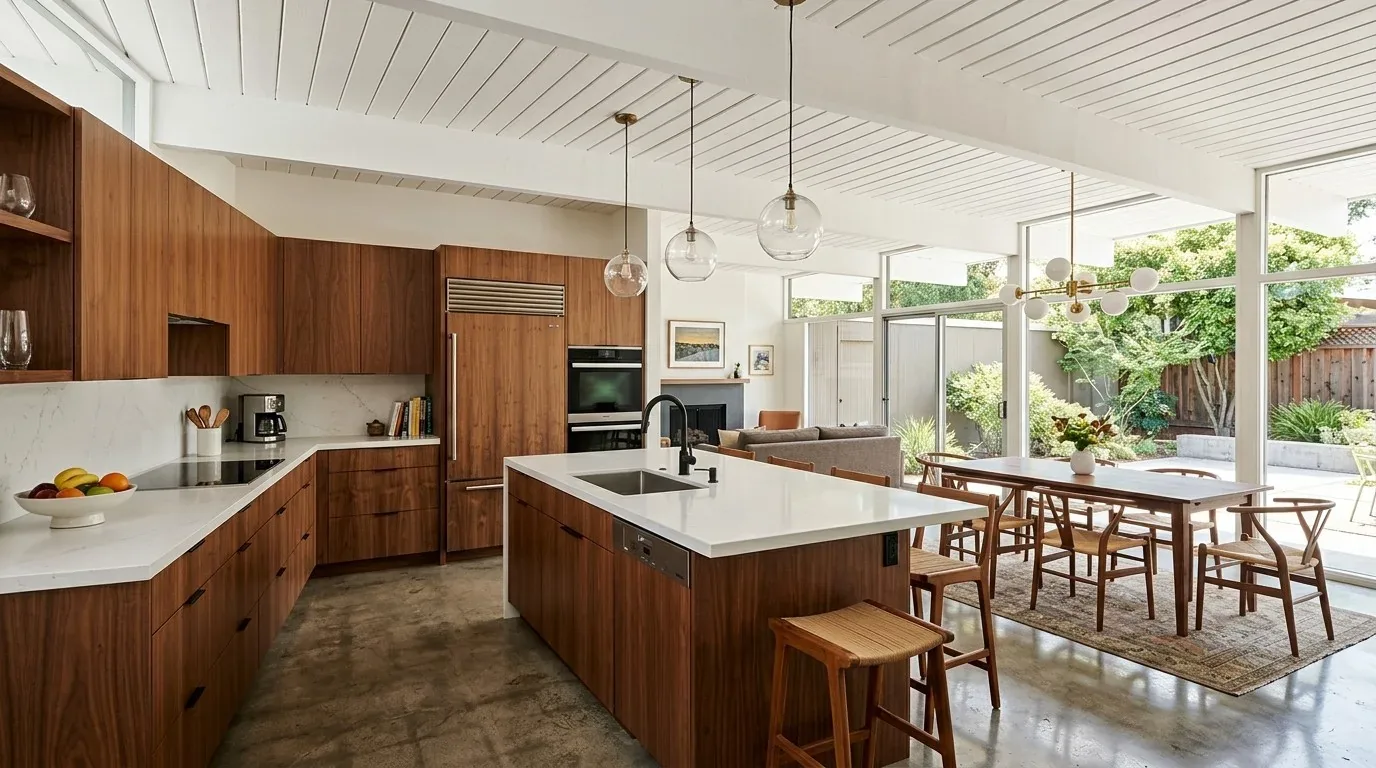
Across our active project specifications, we treat the fee conversation as a scope conversation first. A single-room consultation can reasonably be structured as a flat consultation fee. A kitchen or primary-suite design may work better as a defined design package. Big home projects need more fees. More rooms, more pieces. Rift-sawn white oak costs $80-$120 per square foot. Calacatta-look porcelain tiles range from $40 to $60 a sq ft. Unlacquered brass can run from $30 to $50 per foot. Hand-finished plaster's $15-$25 per sq ft. Experience spots problems early. Credentials matter too. The American Society of Interior Designers emphasizes professional standards, education, and credentials, while the National Kitchen and Bath Association focuses heavily on professional practice in kitchen and bath design. Different rates reflect varied work, not identical jobs.
What Specific Design Work Actually Changes the Rate
Authenticity-grade materials
- Rift-sawn white oak, useful when cabinetry, flooring, or slatted details need calmer grain and controlled visual repetition.
- Honed natural stone, appropriate when the brief calls for depth and variation without the glare of a polished surface.
- Unlacquered brass, earns specification attention because its finish changes with handling and age rather than remaining visually static.
- Hand-finished plaster, requires more careful detailing because subtle variation is part of the material rather than a defect.
- Large-format porcelain, valuable where fewer grout lines simplify the visual field, but substrate and fabrication coordination become important.
- Quarter-sawn oak, gives millwork a more linear grain character and can make a restrained palette feel intentional rather than plain.
- Wool broadloom, brings acoustic and tactile performance into the specification rather than treating flooring as a purely visual purchase.
- Fluted oak veneer, works as a controlled texture when the profile is scaled carefully against cabinetry and adjacent surfaces.
- Bronze hardware, provides depth without the bright contrast of chrome or highly reflective polished metal.
- Performance upholstery, lets the designer balance appearance, maintenance, and expected use instead of specifying fabric from a photograph alone.
Generic-grade tells we refuse to spec
- Undefined white oak, grain cut and finish are too important to leave unspecified.
- Generic quartz, color alone does not communicate edge, finish, slab variation, or fabrication requirements.
- Mixed metal everywhere, creates visual noise when there is no hierarchy.
- Unspecified plaster-look finish, photographs well but can produce inconsistent expectations without a real sample.
- Catalog-only upholstery, ignores hand, abrasion, maintenance, and actual light.
- Vague custom millwork, invites expensive interpretation between designer and fabricator.
- Trend-first lighting, fixtures should serve the lighting plan, not replace it.
- Lowest-bid procurement, a lower purchase price can disappear quickly when freight, damage, substitutions, and coordination are added.
Designer Decision Matrix: Which Interior Designer Rates Approach Fits Your Home
How we actually decide: match your situation to what we would specify, and the reasoning behind it.
| Your Goal | Best Solution | Why We Recommend It |
|---|---|---|
| Lowest professional fee | A tightly defined hourly consultation | It limits billing to a specific decision set and avoids paying for procurement or project management you do not need. |
| Single-room transformation | A fixed design package with defined deliverables | A clear package prevents a small project from accumulating open-ended hours while still paying for the designer's planning work. |
| Kitchen or primary suite | A scope-based design fee with procurement terms spelled out | Cabinetry, lighting, plumbing, surfaces, hardware, and installation interact, so the value is in coordination rather than isolated selections. |
| Whole-house project | A comprehensive design agreement with a defined phase structure | Multiple rooms create dependencies, and a phase-based agreement makes revisions, documentation, purchasing, and construction support easier to price. |
| High-touch procurement | A design fee plus clearly stated purchasing or procurement charges | Ordering, receiving, inspecting, tracking, storing, and resolving damaged goods consume professional time that an hourly design-only quote may hide. |
| Historic or architecturally distinctive house | A designer with demonstrated experience matching new work to the architecture | The expensive mistake is often not the fee but an incompatible specification that forces redesign after materials or drawings are already committed. |
| Northern California project | A designer who understands regional housing stock and local trade conditions | Sacramento's mix of older ranches, mid-century homes, and newer construction calls for different documentation and detailing than a generic national pricing model assumes. |
What Are You Really Paying an Interior Designer For?
Ask more than just the rate. What are you paying them to manage and decide? The first question we ask is what the project actually needs from the designer. If the answer is two hours of finish guidance, a consultation makes sense. If the answer includes drawings, specifications, purchasing, contractor communication, revisions, and installation coordination, comparing that work to a decorator's shopping fee is misleading.
Professional design time includes thinking that is not always visible. A designer may review floor plans, compare material samples under the actual light, revise elevations, check a contractor estimate, coordinate with a fabricator, or resolve a substitution. The National Kitchen and Bath Association's professional focus on planning and kitchen and bath practice is useful context here because these projects show how quickly individual selections become a connected system.
The American Society of Interior Designers also emphasizes professional standards and credentials. That matters when a designer is being hired for judgment rather than simply access to products. A higher hourly rate can save money by avoiding multiple rounds of redesign.
How Should a Designer Structure the Fee?
There are four common structures worth separating: hourly billing, flat design fees, percentage-based arrangements, and hybrid agreements. Hourly billing is straightforward when the scope isn't clear but the work is limited. Flat fees are effective when deliverables are clearly defined beforehand. Hybrid arrangements can be useful if design is fixed, but construction support requires a separate fee. A focused consultation might work here. A single-room design package might cover a defined number of concepts, selections, and revisions. Larger residential projects use phased design fees with procurement or construction administration handled separately. The important document is the agreement, not the label.
Harvard's Joint Center for Housing Studies tracks the scale and complexity of residential improvement activity nationally. Renovation creates coordination demands not found in simple hourly billing comparisons. Write the boundaries of the service before arguing about the rate.
Freelance Designer or Design Firm?
Freelance designers can be cost-effective when one person handles the project without extra management overhead. A design firm makes sense for projects with drafting, sourcing, procurement, and multiple specialties involved simultaneously. Neither model is automatically cheaper once the actual scope is understood.Freelancers charge around $100-$200 per hour here in Sacramento. Studios? You're looking at $150-$300+. It depends on who you're hiring and what they're tackling. Those are useful budgeting bands, not promises. Cheaper per hour might mean more hours needed, so costs pile up.
In Northern California, older homes and custom work can make projects way more complex. Compare total responsibility and expected hours, not just the number beside "hourly."
What Extra Charges Should a Designer Explain Up Front?
A professional fee should make clear what happens when the project needs more than design time. Common additional categories include initial consultations, travel outside the normal service area, purchasing or procurement, receiving and storage, installation supervision, rush work, additional revisions, and work added after the agreed scope. None of these charges is automatically unreasonable. The problem is when they appear after the client has already committed.
We often underestimate procurement. Ordering, tracking, handling claims, and coordinating deliveries, it all eats up a designer's time. Damaged items? They eat up time. The contract details billing: included, hourly, or separate billing.
Travel also deserves a plain explanation. Sacramento studios serving all NorCal travel differently than locals. Set rules early, before the first meet.
Common Mistakes We See
- Biggest Waste: Choosing a designer solely because the hourly rate is lowest. Cheap might get pricey if coordination drags.
- Biggest Regret: Signing a flat-fee agreement with vague deliverables. "Full design" varies. Missing a plan or drawing can blow up your budget.
- Hidden Cost: Ignoring purchasing administration. A damaged shipment, substitution, return, or back-order can turn a seemingly simple product selection into several hours of professional work.
Observed Failure Modes, How Interior Designer Rates Goes Wrong
From our project debriefs and post-occupancy reviews, 2023-2026.
Comparing Hourly Rates Alone
The symptom is a client spreadsheet showing five designers sorted from cheapest to most expensive. That comparison looks objective but leaves out the amount of work each designer expects to perform. One designer may include contractor coordination while another bills it separately. One may handle purchasing and damaged goods while another hands the problem back to the client. The cure is to compare estimated total effort and deliverables alongside the hourly rate. A $125 hourly rate is not cheaper than $225 if the first arrangement takes dramatically more hours or leaves major responsibilities uncovered.
Selling a Vague Flat Fee
A flat fee feels comfortable until everyone has a different definition of "complete." The designer thinks selections and drawings are done. The client expects purchasing, installation, styling, and unlimited revisions. That gap creates resentment on both sides. The cure is a written scope with specific deliverables, revision limits, meetings, procurement responsibilities, and construction support. Flat pricing works best when the designer has enough information to price the actual work. It should reduce uncertainty, not conceal it.
Ignoring Procurement Labor
A designer can spend hours solving a purchasing problem that began with a product the client thought was already selected and finished. Freight, damage, back-orders, returns, substitutions, receiving, and installation coordination all consume time. The cure is to state procurement responsibilities before the first order. If purchasing is included in the design fee, explain the boundary. If it is separate, explain the charge. The lowest design fee can become the most expensive arrangement when procurement is treated as invisible labor.
Pricing Before Defining Responsibility
Some prospects ask for a rate before they can say whether they want concepts, drawings, purchasing, contractor coordination, or construction support. That makes a precise quote mostly theater. The cure is to ask a few blunt questions first: What decisions need professional judgment? Who communicates with the contractor? Who orders products? Who handles damaged goods? How many revisions are expected? In a Sacramento project, those answers can matter more than a small difference in the hourly rate.
Treating Credentials as Decoration
Professional credentials do not automatically make one designer better than another, but they can tell a client something about education, professional standards, and continuing development. The American Society of Interior Designers provides resources on credentials and professional standards, and the National Kitchen and Bath Association focuses on professional practice in kitchen and bath work. The cure is to evaluate credentials alongside portfolio quality, relevant experience, communication, and the actual service agreement. Paying more for a credential alone is not the point. It's smart to pay for proven skills.
Underpricing the Difficult Client
Some projects consume disproportionate professional time because decisions repeatedly reverse, meetings become adversarial, or two decision-makers cannot agree. A designer who prices only the visible design tasks can lose money while trying to manage the human side of the engagement. Qualify better before signing. Who decides? How do they approve? What if there's a disagreement? Sometimes the most responsible professional recommendation is to pause before accepting the work.
What's Going Out for 2026
- Quoting one hourly number without defining the service
- Using national averages as Sacramento pricing
- Calling every project full-service
- Hiding procurement labor inside vague language
- Treating revisions as unlimited
- Comparing a decorator's fee directly with an architect's fee
- Promising a flat fee before understanding the scope
- Ignoring travel and service-area boundaries
- Using credentials as a substitute for relevant experience
- Selling the lowest hourly rate as the lowest total cost
What Interior Designer Rates Costs in 2026
| Scope | Typical range |
|---|---|
| Focused consultation or refresh | $1.5K-$6K |
| Single-room or defined design package | $6K-$18K |
| Comprehensive residential design | $25K-$75K+ |
Working Notes
What We Have Learned Doing This: interior designer rates
“Good rooms are built twice. Once on paper, once in the field.”
Most of the money that gets wasted is spent solving the wrong problem confidently. A homeowner asks for more space, every contractor agrees and prices an addition, and the real issue turns out to be light, or proportion, or one bad sightline. We make the room tell us the problem before anyone signs a demolition contract.
A renovation is a dependency chain, not a list of tasks. A two-day cabinet delay quietly becomes a two-week slip by week sixteen because every trade downstream is holding a calendar. The least glamorous part of this work, and the most valuable, is keeping that chain from cascading.
The cheapest tool on any project is a sample board and an afternoon. We have watched five-figure mistakes get caught by a fifteen-dollar paint sample lived with for a week in the actual light of the actual room. Decisions made under showroom lighting do not survive contact with a real house.
These notes come from our own interior designer rates project debriefs. Most were learned the expensive way the first time.
Sources & Professional References
This guide's positions on materials are grounded in published building-code, standards, and recognized design-authority sources, alongside Designed | Curated Interiors' verified credentials and active project files:
- American Society of Interior Designers (ASID): interior-design practice standards
- International Code Council (ICC): Chapter 8 Interior Finish Decorative Materials And Furnishings
- NKBA, Amy Kunst Member Profile (verified credential, NKBA Committee Member)
- Featured in: Good Housekeeping (storage and space-planning expert quotes, July 2026) · Homes & Gardens (design expert quote, May 2026) · Sacramento Love (guest author, 2024)
Frequently Asked
How do interior designers in Sacramento typically charge for their services?
What factors influence the rates of interior designers in Sacramento?
Why might a full-service design be worth the cost in Sacramento?
How do credentials affect interior designer rates in Sacramento?
What should you consider when determining the scope of work for an interior designer in Sacramento?
How do material choices impact the cost structure for interior designers in Sacramento?
From Interior Designer Rates to a Real Room
A trend piece is the briefing document, not the deliverable. The pages below show how we translate these principles into finished rooms across Sacramento and the rest of Northern California.
- Sacramento & Bay Area Interior Design Services How we scope, source, and deliver work end to end.
- Interior Designer Hub, Sacramento Where most of our Sacramento work lives, the regional fit explained.
- Modern Tudor Homes Heritage-architecture renovation patterns from our project files.
- Japandi Living Room Design The 2026 warm-neutral playbook applied to the living room.