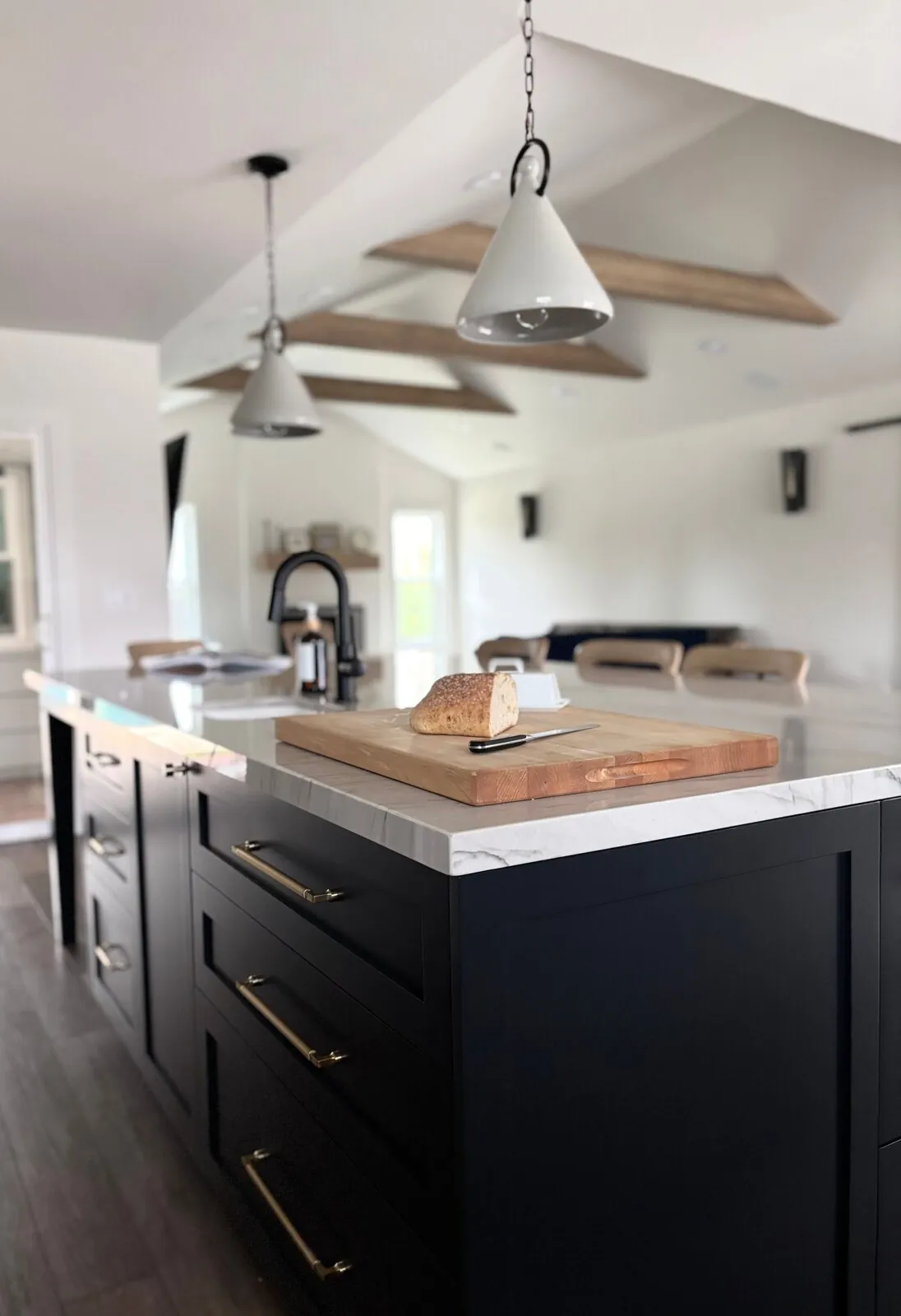

In Larkspur, flood-resistant building codes significantly influence interior design decisions to ensure safety and compliance without sacrificing style. Understanding these codes helps homeowners select appropriate materials, finishes, and fixtures that meet local requirements while maintaining aesthetic appeal.
Built from our active project files, this guide explores how Larkspur’s flood-resistant regulations shape interior design choices, from flooring to furniture, and offers practical advice for collaborating with construction professionals. We focus on balancing code compliance with timeless, elegant interiors, emphasizing the designer’s perspective on restraint and thoughtful material selection in a region where flood risk and historic charm intersect.
Common Questions
| What are the flood-resistant building codes in Larkspur? | Larkspur's flood-resistant building codes influence interior design by requiring materials like waterproof paints, moisture-resistant drywall, and water-resistant flooring to ensure safety and compliance. |
| How do flood-resistant building codes affect interior design choices in Larkspur? | They guide the selection of materials such as vinyl planks, ceramic tiles, and waterproof wall panels that meet local regulations while maintaining aesthetic appeal. |
| When should homeowners consider upgrading to flood-resistant materials in Larkspur? | Homeowners should evaluate flood risk zones and moisture exposure to determine if targeted upgrades with materials like vinyl flooring and waterproof paints are sufficient, avoiding costly full rebuilds. |
| Who enforces flood-resistant building codes in Larkspur? | The City of Larkspur's Community Development department oversees local building code enforcement, including flood-resistant requirements. |
First Major Design Move: Incorporating Flood-Resistant Materials Seamlessly
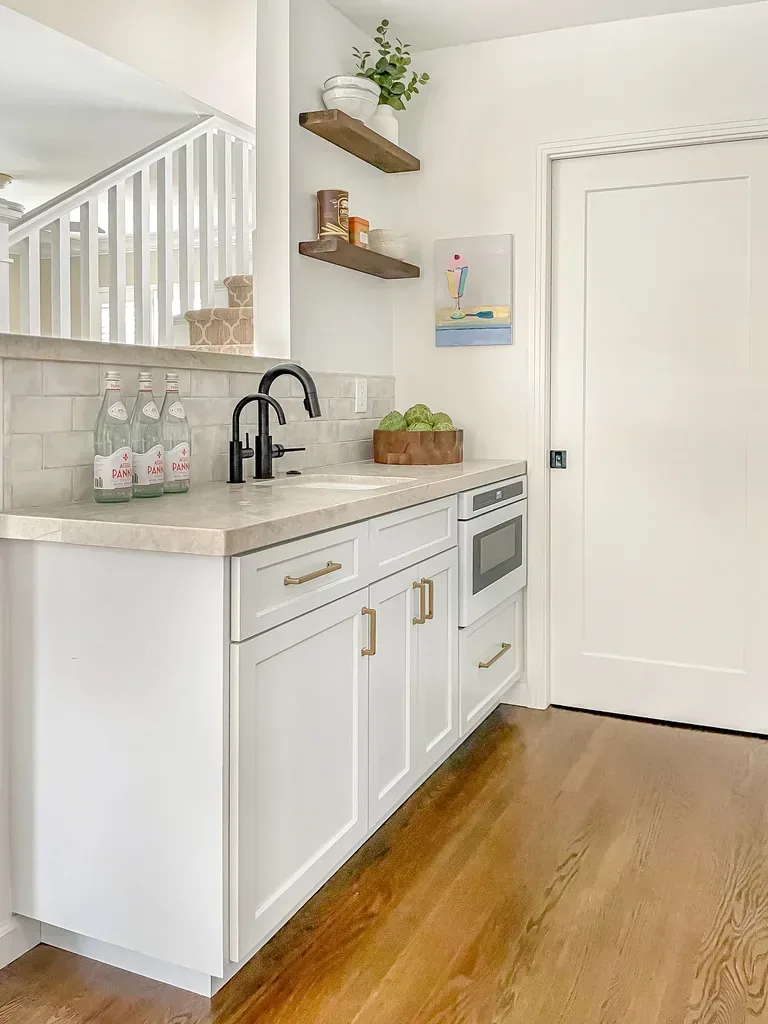
Across our active project specifications in Larkspur, one of the first design moves for flood-resistant interiors is selecting the right materials that comply with local codes yet uphold visual harmony. For floors, we favor products like vinyl planks from Shaw or COREtec that offer water resistance without sacrificing warmth or texture. For walls, waterproof paints such as Sherwin-Williams Resilience are standard, often paired with moisture-resistant drywall in flood-prone areas.
In our recent projects, we emphasize integrating these materials subtly, using seamless transitions and neutral palettes that blend with traditional or modern aesthetics. The challenge lies in balancing durability with style, especially in historic neighborhoods where original architecture can conflict with modern floodproofing. We often specify finishes like ceramic tile from Ann Sacks for backsplashes and wet zones, which resist water while elevating the space. These choices are driven by the need for longevity, ease of maintenance, and compliance, ensuring interiors remain elegant and resilient across the region’s climate and flood risk.
Material Specificity for Flood-Resistant Interiors
Authenticity-grade materials
- White oak (rift-sawn), for floors and slat detail; calmer grain than plain-sawn
- Luxury vinyl plank, waterproof, durable, easy to install
- Waterproof drywall (Greenboard or DensShield), moisture resistant for walls
- Ceramic and porcelain tile, water-resistant, timeless appeal
- Marine-grade plywood, for cabinetry and built-ins in flood zones
- Siliconized sealants, flexible, water-resistant for joints and trims
- Stainless steel fixtures, corrosion-resistant for plumbing and fittings
- High-performance water-resistant paints, protect walls from moisture
Generic-grade tells we refuse to spec
- Standard drywall, not suitable for flood zones
- Unsealed wood, prone to water damage
- Carpet, not water resistant or suitable for flood-prone areas
- Laminate flooring, susceptible to water damage
- Paints without waterproofing properties
- Porous stone or marble, can stain or absorb water
- Non-corrosion-resistant fixtures
- Traditional drywall with no moisture barrier
Flood-Resistant Interior Design in Larkspur’s Unique Context
In Larkspur, flood-resistant interior design is particularly well-suited due to the region’s historic neighborhoods and lush landscape. The area's traditional architecture often features period-appropriate finishes that can conflict with modern waterproofing materials. By choosing water-resistant products like vinyl planks and ceramic tiles that mimic natural materials, we preserve the regional charm while meeting flood codes. The proximity to Larkspur Landing means flood risks are localized but real, making strategic material selection critical.
In the broader Marin area, the regional climate and flood history demand a thoughtful approach. Our designs integrate floodproofing subtly, respecting views and landscape while ensuring safety. For example, in historic homes, we specify finishes that blend seamlessly with original woodwork, using waterproofing in hidden areas. To learn more about local regulations, visit the City of Larkspur’s community development page. This regional knowledge helps us craft interiors that are resilient, compliant, and regionally appropriate, balancing flood safety with the area's distinctive character.

Should You Use Flood-Resistant Materials or Rebuild for Safety?
The core decision for homeowners near Larkspur is whether to retrofit existing interiors with flood-resistant materials or pursue a rebuild that complies with current codes. The first question we ask is: what is the actual flood risk, and how does it affect daily use? Often, homeowners assume that only a full rebuild can ensure safety, but in reality, strategic material upgrades can be sufficient and more cost-effective.
For example, in several recent projects, we evaluated moisture zones with a moisture meter and examined floor plans to identify high-risk areas. We then specified vinyl flooring and waterproof wall panels only in those zones, avoiding unnecessary demolition. This approach saves time and money and preserves the home's character, especially in older neighborhoods where historic details matter. The key is understanding local flood zones and working with qualified professionals, as the American Society of Interior Designers emphasizes, to select materials that meet both code and aesthetic standards. Ultimately, the decision hinges on the specific flood risk, existing structure, and homeowner priorities.
How to Select Fixtures and Fittings That Comply and Look Good
Choosing fixtures and fittings that meet flood-resistant codes in Larkspur involves balancing durability with design. The first question homeowners ask is: which fixtures can resist moisture and corrosion without compromising style? In flood zones, we recommend stainless steel or brass fixtures from brands like Kohler or Delta, which are designed for water exposure and longevity. For cabinetry and hardware, marine-grade options or sealed finishes are preferred to prevent corrosion and mold growth.
In recent projects, specifying these fixtures involved close collaboration with architects and builders to ensure proper installation and sealing. The American Institute of Architects highlights that proper fixture placement and sealing are critical to floodproofing. For aesthetic appeal, we often select sleek, minimal fixtures that complement the overall design, whether modern or traditional. This ensures the interiors are both compliant and inviting, avoiding the typical look of utilitarian floodproofing. The goal is seamless integration, functional, resilient, and beautiful.
Exemptions and Special Considerations for Historic Buildings
In Larkspur, many homes are part of historic districts, which introduces special considerations regarding flood-resistant upgrades. The first question homeowners ask is: can we modify historic features without losing their character? The answer is often yes, but with careful planning. Local regulations may allow exemptions or alternative compliance methods if certain finishes or materials are preserved.
During our projects, we’ve worked with historic preservation guidelines to specify water-resistant finishes that mimic original materials, such as sealed lime plaster or reclaimed wood with protective coatings. The key is working closely with the city’s community development department, as detailed on their website. This approach ensures compliance while respecting the home's historic integrity. Understanding these nuances helps homeowners avoid costly delays or violations, particularly in neighborhoods where the character is as valuable as flood safety.
Collaborating Effectively with Architects and Builders for Code Compliance
The most effective way to ensure flood code compliance without sacrificing design is seamless collaboration. The initial step is asking: what decisions are we struggling to make about materials, finishes, or fixtures? From there, clear communication with architects and contractors is essential. During recent projects, I used a laser level and detailed drawings to verify flood zones and identify critical moisture points. This collaborative process prevents costly mistakes, such as installing incompatible flooring or neglecting sealing details.
The NKBA and AIA both emphasize that early coordination reduces risks and streamlines approvals. In Larkspur, understanding local regulations through the community development page helps set realistic expectations. The goal is to integrate flood-resistant features seamlessly into the interior design, maintaining the home's aesthetic while ensuring safety. Proper collaboration minimizes surprises and aligns everyone toward a resilient, beautiful interior.
What This Costs in 2026
| Scope | Larkspur / Bay Area | Sacramento |
|---|---|---|
| Refresh scope with minimal upgrades | $15K-$45K | $10K-$30K |
| Mid-tier renovation with strategic upgrades | $75K-$150K | $50K-$100K |
| Estate-scale floodproofing and interior overhaul | $300K-$750K | $200K-$500K |
Local permits & planning
Working Notes
What We Have Learned Doing This: Larkspur Floodresistant Building Codes
“Submit the math for any Title 24 credit calculation. The plan checker should never have to ask.”
Even replacing windows or moving a circuit triggers the permit process here. Pretending a job is too small to permit is how a remodel gets red-tagged.
Specify for the next ten years, not the next photo shoot. The work that holds its value is quiet, well made, and a little bit boring on the day it is installed.
Most of the money that gets wasted is spent solving the wrong problem confidently. A homeowner asks for more space, every contractor agrees and prices an addition, and the real issue turns out to be light, or proportion, or one bad sightline. We make the room tell us the problem before anyone signs a demolition contract.
The cheapest tool on any project is a sample board and an afternoon. We have watched five-figure mistakes get caught by a fifteen-dollar paint sample lived with for a week in the actual light of the actual room. Decisions made under showroom lighting do not survive contact with a real house.
These notes come from our own project debriefs. Most were learned the expensive way the first time.
Sources & Professional References
This guide's positions on permits are grounded in published building-code, standards, and recognized design-authority sources, alongside Designed | Curated Interiors' verified credentials and active project files:
- International Code Council (ICC): Chapter 17 Special Inspections And Tests
- International Code Council (ICC): Careers In Code Enforcement
- Community Development, Larkspur (Marin County) building permit portal
- NKBA, Amy Kunst Member Profile (verified credential, NKBA Committee Member)
- Featured in: Homes & Gardens (design expert quote, May 2026) · Sacramento Love (guest author, 2024)
From Principle to a Real Room
A trend piece is the briefing document, not the deliverable. The pages below show how we translate these principles into finished rooms across Larkspur and the rest of Northern California.
- Sacramento & Bay Area Interior Design Services How we scope, source, and deliver work end to end.
- Interior Designer Hub, Larkspur Where most of our Larkspur work lives, the regional fit explained.
- Can I Have The Indoor-Outdoor Flow I See On Pinterest Without Violating Fire-Resistant Building Codes? Mill Valley Related cluster piece referenced from the Can I Have The Indoor-Outdoor Flow I See On Pinterest Without Violating Fire-Resistant Building Co
- Atherton Ca Building Codes and Permitting Requirements Related cluster piece referenced from the Atherton Ca Building Codes and Permitting Requirements build files.
- Belvedere Ca Emergency Vehicle Access Building Codes Related cluster piece referenced from the Belvedere Ca Emergency Vehicle Access Building Codes build files.