
Sacramento + Marin Interior Designer · Amy Kunst, NKBA 📞 916-756-5977 Get Free Quote

Mill Valley Interior Design: Navigating Permits, Codes & Regulations

A modern living room with a beige sofa, two blue armchairs, a glass coffee table, and large windows overlooking a garden
A spacious outdoor wooden deck with modern patio furniture and a fire pit, surrounded by trees and overlooking a scenic view.

In Mill Valley, interior design projects often require specific permits, codes, and regulations that must be carefully navigated to avoid costly delays or legal issues. The main takeaway is that understanding these local requirements from the start is essential for a smooth project. Mill Valley’s interior design regulations are detailed, city-specific, and enforce compliance closely, especially for projects that impact structural, fire safety, or energy standards.

Built from our active project files, this guide will clarify the building codes applicable to Mill Valley interior projects, outline the permit process, explain recent regulatory updates, and provide practical contact information. Whether working on a residential or commercial space, understanding local zoning laws, permit fees, and sustainability regulations is key to successful interior design in this region.

Direct Answers (Mill Valley Interior Design Permits Codes Regulations)

What are the key permits required for interior design projects in Mill Valley?Permits are typically required for structural changes, electrical work, plumbing, and sometimes for fences or decks, especially if they impact safety or energy standards.
How does Mill Valley enforce interior design regulations and permits?Mill Valley enforces regulations closely, requiring inspections for projects that involve electrical, structural, or fire safety modifications, even for small interior updates.
When should I check with the Mill Valley Planning & Building department about permits?You should verify permit requirements before starting work, especially if your project involves electrical, plumbing, or structural changes, to avoid delays or fines.
Who can assist with obtaining interior design permits in Mill Valley?Designers can help navigate local regulations and assist with permits, particularly for larger or structural projects, ensuring compliance before work begins.

Mill Valley Interior Design Permits Codes Regulations 2026 at a Glance

ElementInOut
PermitsStrict permit requirementsLenient permit process
CodesClear local codesGeneric codes
Project TypeResidential vs commercial rulesSame rules for all projects
ProcessStep-by-step permit processNo permit required
UpdatesRecent regulatory updatesNo recent updates
SustainabilitySustainability focusNo sustainability rules
ZoningZoning law impactsZoning laws ignored
FeesFees and contactsUnclear fees
ContactsEnvironmental regulationsLack of local contact info

Understanding Mill Valley’s Building Codes for Interior Design

Mill Valley’s interior design projects are governed by a set of specific building codes that focus on safety, energy efficiency, and accessibility. The California Building Code (CBC) and the local amendments adopted by Mill Valley are the primary references. For example, fire safety standards for residential interiors, such as sprinkler requirements and egress pathways, are strictly enforced. The American Society of Interior Designers emphasizes the importance of compliance, especially for projects involving structural modifications or electrical upgrades.

Across our active project specifications, we see that understanding whether a project triggers a permit is crucial. For interior updates that involve electrical, plumbing, or significant layout changes, permits are usually required. Recent updates in 2026 have clarified some thresholds for interior modifications, especially around energy-efficient lighting and ventilation. Consulting the official Mill Valley Planning & Building department ensures projects are compliant from the start, saving time and avoiding costly rework.

A scenic residential property with a small modern wooden guest house and a traditional yellow main house surrounded
Adu in mill valley.

Material Specificity for Mill Valley Interiors in 2026

Authenticity-grade materials

  • White oak (rift-sawn), for floors and slat detail; calmer grain than plain-sawn
  • Natural limestone, durable and refined for countertops and accents
  • Low-VOC matte paint, supports sustainability and indoor air quality
  • Brushed brass hardware, adds warmth and modern touch while resisting tarnish
  • Reclaimed barn wood, for accent walls, emphasizing eco-conscious design
  • Porcelain tiles, for durability and easy maintenance in high-traffic areas
  • Sustainable cork flooring, eco-friendly, soft underfoot, and moisture-resistant
  • Silky linen fabrics, for window treatments and upholstery, adding texture

Generic-grade tells we refuse to spec

  • Mass-produced laminate surfaces
  • Synthetic or low-quality hardware
  • VOCs-laden paints
  • Fiberglass or plastic tiles
  • Standard carpet without eco-labels
  • Non-reclaimed wood products
  • Low-grade textiles
  • Synthetic resin countertops

Mill Valley’s Unique Context for Interior Regulations in 2026

Mill Valley’s historic homes and hillside properties present unique challenges and opportunities for interior design in 2026. The region’s strict local codes and zoning laws mean that even interior renovations often require careful planning and permits, especially if they impact structural elements or involve electrical upgrades. The lush landscape and proximity to protected areas influence sustainability and environmental regulations, which are increasingly important for interior projects. Our San Rafael hub provides additional insights into regional permitting nuances that apply to Mill Valley projects.

Light and landscape are integral to Mill Valley’s aesthetic, so interior design must harmonize with the natural surroundings while adhering to local building standards. The city’s enforcement practices, combined with Marin County’s broader environmental policies, encourage designers to prioritize eco-conscious materials and energy-efficient systems. Understanding these regional factors ensures that projects not only meet legal requirements but also enhance the region’s distinctive character and sustainability goals.

In our experience, working within Mill Valley’s regulatory landscape requires proactive communication with city officials and thorough documentation. This approach helps avoid delays and ensures the project aligns with the city’s vision for preserving its scenic and historic integrity.

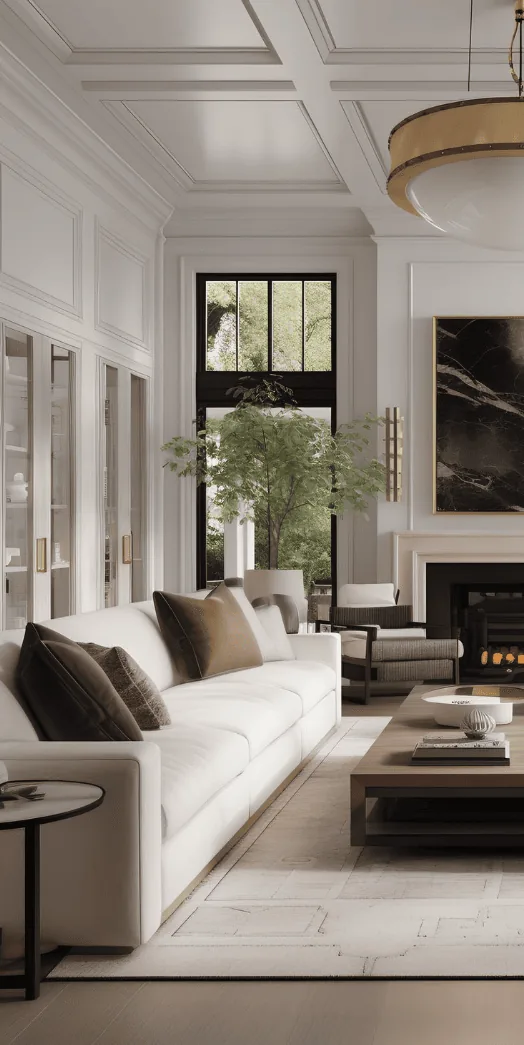
A modern living room with a white sofa, large windows, a fireplace, and a coffee table
Mill valley.

What permits do interior design projects in Mill Valley typically require?

Many interior design projects in Mill Valley require permits, especially when they involve electrical, plumbing, structural, or fire safety modifications. The first question we ask homeowners is whether the scope includes changes to load-bearing walls, electrical wiring, or new windows. If so, a permit is likely necessary. The Mill Valley Planning & Building department specifies that even interior work crossing certain thresholds must be inspected and approved. For example, replacing a kitchen range hood with a more powerful model or rerouting electrical circuits can trigger permit requirements, as outlined in the California Building Code.

Our advice is to always verify permit needs before starting work, as failing to do so can result in fines, work stoppages, or costly rework. The process involves submitting plans, paying fees, and scheduling inspections. In Mill Valley, inspections are thorough, and enforcement is strict, so early communication with city officials helps keep projects on track.

Can interior designers assist with obtaining permits in Mill Valley?

Yes, experienced interior designers in Mill Valley can help navigate the permitting process. They understand the local codes, prepare necessary documentation, and coordinate with the city’s planning department. This support is especially valuable for projects involving structural changes, electrical upgrades, or energy efficiency improvements, which require detailed plans and approvals. The American Society of Interior Designers emphasizes that professional involvement can streamline approval and reduce delays.

Our team routinely manages permit applications, schedules inspections, and ensures compliance with all relevant regulations. This proactive approach minimizes risks of project halts and helps keep budgets in check. Working with a designer familiar with Mill Valley’s regulatory landscape ensures that your project aligns with city standards and local expectations.

How long does permit approval typically take in Mill Valley?

Permit approval in Mill Valley can vary depending on the scope of the project and current city workload, but generally, it takes between two to six weeks. For interior design projects involving minor updates, approvals are often quicker, especially if all documentation is complete and accurate. Larger projects with structural or electrical changes may require additional review time, particularly if they trigger state or regional environmental regulations.

Early engagement with the city’s planning staff and thorough submission of plans can help expedite the process. Our experience suggests that allowing extra time for inspections and possible revisions is prudent, especially given Mill Valley’s rigorous enforcement and recent updates to local codes. Planning ahead helps ensure your interior project stays on schedule.

What sustainability or environmental regulations impact interior design in Mill Valley?

Mill Valley places a strong emphasis on sustainability and environmental responsibility, especially in interior design. Projects often require adherence to green building standards, including the use of low-VOC paints, sustainable materials, and energy-efficient systems. The city’s regulations align with broader Marin County policies that promote eco-friendly practices. For example, the use of reclaimed wood or cork flooring supports local environmental goals and can contribute to LEED certification points.

The American Society of Interior Designers highlights that sustainable interiors are increasingly valued in Mill Valley, both for their aesthetic appeal and environmental benefits. Designers need to stay informed about local incentives, rebates, and regulations that encourage eco-conscious choices. Incorporating these elements early in the design process ensures compliance and aligns with Mill Valley’s community values.

Who should I contact in Mill Valley for questions about interior design regulations?

The primary contact for interior design permits and regulations in Mill Valley is the Planning & Building department. They handle permit submissions, inspections, and code clarifications. You can reach them through their official website at Mill Valley’s Building Division page. For complex or specific questions, scheduling a consultation with the department’s planning staff can clarify project requirements and help prevent delays.

Our recommendation is to establish early communication with city officials, especially for projects that involve structural or electrical work. Being proactive ensures compliance and smooth project execution, saving time and money.

Observed Failure Modes, How Mill Valley Interior Design Permits Codes Regulations Goes Wrong

From our project debriefs and post-occupancy reviews, 2023-2026.

Assuming interior updates don’t need permits

One common failure mode is homeowners and even contractors assuming that simple interior updates like new paint or cabinet replacements don’t require permits. In Mill Valley, the first sign of trouble is when a project triggers an inspection due to electrical or structural modifications. The scope might seem minor but crossing certain thresholds can lead to delays, fines, or work stoppages. Using tools like a permit research checklist or consulting the city’s website early can prevent this costly mistake. The lesson is to always verify permit requirements before starting interior updates, especially in a regulated environment like Mill Valley where enforcement is strict and uneven enforcement can catch you off guard.

Overlooking recent regulatory updates

Another failure occurs when designers or homeowners overlook recent updates to local codes, which can change thresholds for permit triggers, especially around energy efficiency or fire safety. For example, changes in 2026 have clarified that certain electrical upgrades now require permits even if they seem minor. Failing to stay updated can result in unexpected inspections and rework. Regularly reviewing the Mill Valley Building department’s updates or consulting with local authorities is essential. The key lesson is to stay informed about evolving regulations to avoid costly surprises and project delays.

Underestimating permit timelines

Many projects stumble because of underestimating permit approval times. Assuming approval will happen quickly can lead to scheduling conflicts and budget overruns. In Mill Valley, permit processing can take two to six weeks depending on project complexity. For interior design projects involving structural or electrical work, allowing ample time for review and inspections is critical. Our experience shows that early permit submission and clear communication with city staff help streamline approval. The lesson is to factor permit timelines into the project schedule from the outset to prevent surprises and keep the project moving forward efficiently.

Ignoring local zoning laws

Ignoring or misunderstanding local zoning laws is a frequent mistake. Zoning restrictions may limit interior renovations, especially in historic districts or hillside properties. For example, certain interior modifications might trigger setbacks or require approval if they affect the building’s exterior appearance or land use. In Mill Valley, verifying zoning compliance early is vital. The city’s zoning map and regulations are accessible online, but consulting with a city planner can prevent illegal work that could lead to fines or required undoing of completed work. The core lesson is to integrate zoning considerations early in the interior design process for projects near Throckmorton Avenue or hillside zones.

Neglecting environmental and sustainability regulations

Another common oversight is neglecting environmental regulations that promote sustainability. In Mill Valley, interior projects are increasingly expected to use eco-friendly materials and energy-efficient systems. Failing to incorporate low-impact materials like low-VOC paints or reclaimed wood can limit project approval or future certification options. The American Society of Interior Designers emphasizes that early planning around sustainability not only ensures compliance but also enhances project value. Staying informed about local incentives and regulations helps designers align their projects with community goals for a greener future, avoiding expensive retrofits later.

What's Going Out for 2026

  • Using unpermitted electrical fixtures
  • Ignoring recent code updates on energy efficiency
  • Skipping permit applications for structural changes
  • Assuming interior renovations don’t need approval
  • Overlooking zoning restrictions in historic districts
  • Using low-quality, non-compliant materials
  • Forgetting to verify permit fees in advance
  • Neglecting to consult city officials early
  • Ignoring sustainability regulations for eco-friendly materials
  • Failing to plan for permit approval timelines

What Mill Valley Interior Design Permits Codes Regulations Costs in 2026

ScopeMill Valley / Bay AreaSacramento
Refresh scope (small updates, paint, hardware)$2K-$5K$1K-$3K
Mid-tier scope (kitchen remodel, lighting upgrades)$20K-$50K$10K-$30K
Estate-scale (full rebuild, structural work)$200K-$1M$100K-$500K

Local permits & planning

Working Notes

What We Have Learned Doing This: Mill Valley Interior Design: Navigating Permits, Codes & Regulations

“Submit the math for any Title 24 credit calculation. The plan checker should never have to ask.”

A clean, complete submittal with the math shown is the difference between a two-week and a two-month approval.

Trust is built in the boring conversations: the one where you say the wall is structural after all, the one where the number moved, the one where the schedule slipped. Clients forgive reality. They do not forgive being surprised by it.

The cheapest tool on any project is a sample board and an afternoon. We have watched five-figure mistakes get caught by a fifteen-dollar paint sample lived with for a week in the actual light of the actual room. Decisions made under showroom lighting do not survive contact with a real house.

Specify for the next ten years, not the next photo shoot. The work that holds its value is quiet, well made, and a little bit boring on the day it is installed.

These notes come from our own mill valley interior design: navigating permits, codes & regulations project debriefs. Most were learned the expensive way the first time.

Sources & Professional References

This guide's positions on permits are grounded in published building-code, standards, and recognized design-authority sources, alongside Designed | Curated Interiors' verified credentials and active project files:

Frequently Asked

What are the key permits required for interior design projects in Mill Valley?
Permits are typically required for structural changes, electrical work, plumbing, and sometimes for fences or decks, especially if they impact safety or energy standards.
How does Mill Valley enforce interior design regulations and permits?
Mill Valley enforces regulations closely, requiring inspections for projects that involve electrical, structural, or fire safety modifications, even for small interior updates.
When should I check with the Mill Valley Planning & Building department about permits?
You should verify permit requirements before starting work, especially if your project involves electrical, plumbing, or structural changes, to avoid delays or fines.
Who can assist with obtaining interior design permits in Mill Valley?
Designers can help navigate local regulations and assist with permits, particularly for larger or structural projects, ensuring compliance before work begins.
What recent updates in 2026 affect interior design permits in Mill Valley?
Recent updates clarified thresholds for interior modifications, especially regarding energy-efficient lighting and ventilation, impacting permit requirements.
Why is understanding local codes important for interior design in Mill Valley?
Understanding local codes ensures compliance with safety, energy, and accessibility standards, preventing costly delays or rework during projects.
How can I find official information about interior design permits in Mill Valley?
Visit the official Mill Valley Planning & Building website at https://www.cityofmillvalley.gov/231/Building for detailed permit and regulation information.

From Mill Valley Interior Design Permits Codes Regulations to a Real Room

A trend piece is the briefing document, not the deliverable. The pages below show how we translate these principles into finished rooms across Mill Valley and the rest of Northern California.

Start a Project Conversation →

Call (916) 756-5977Book a Consultation