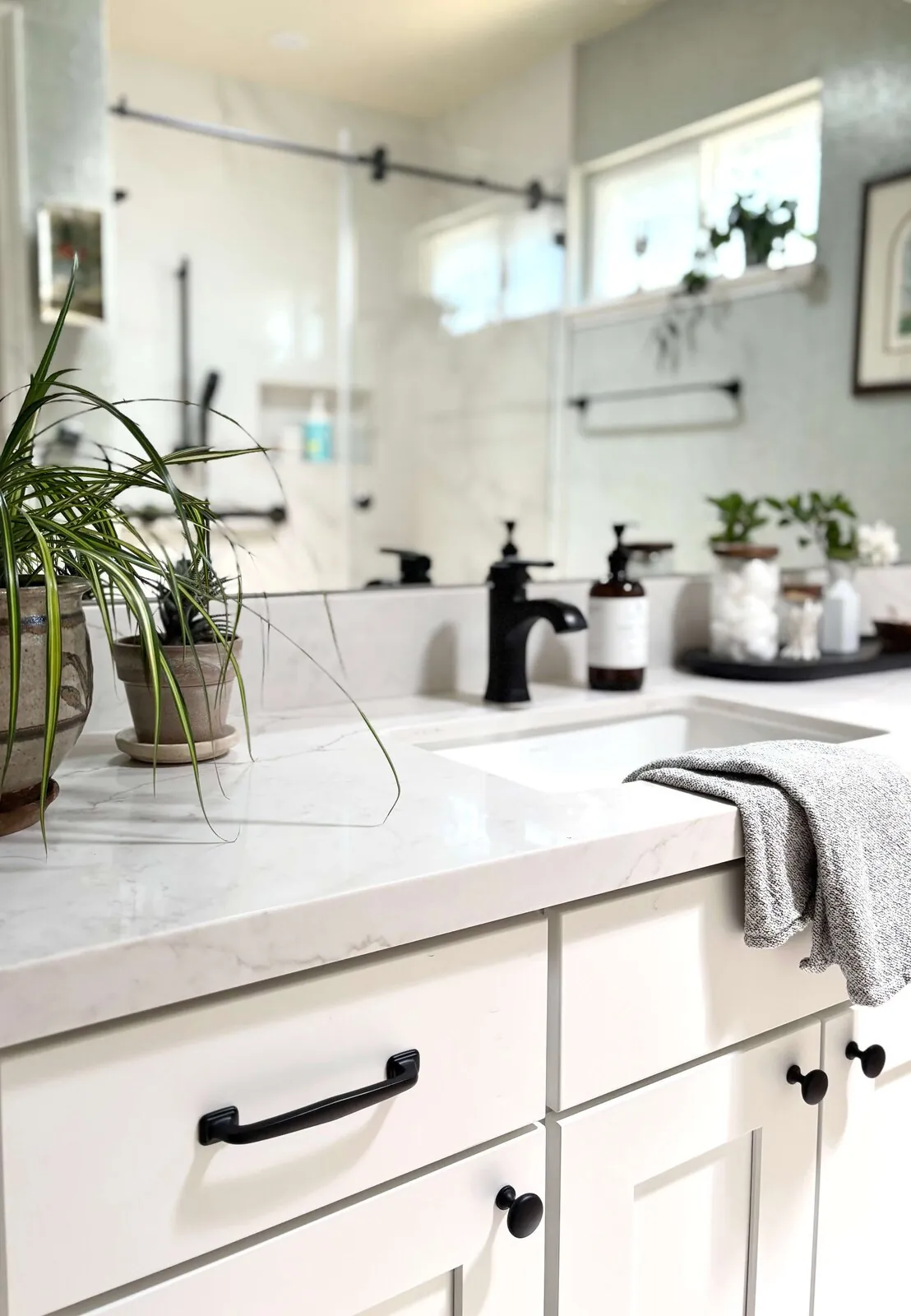
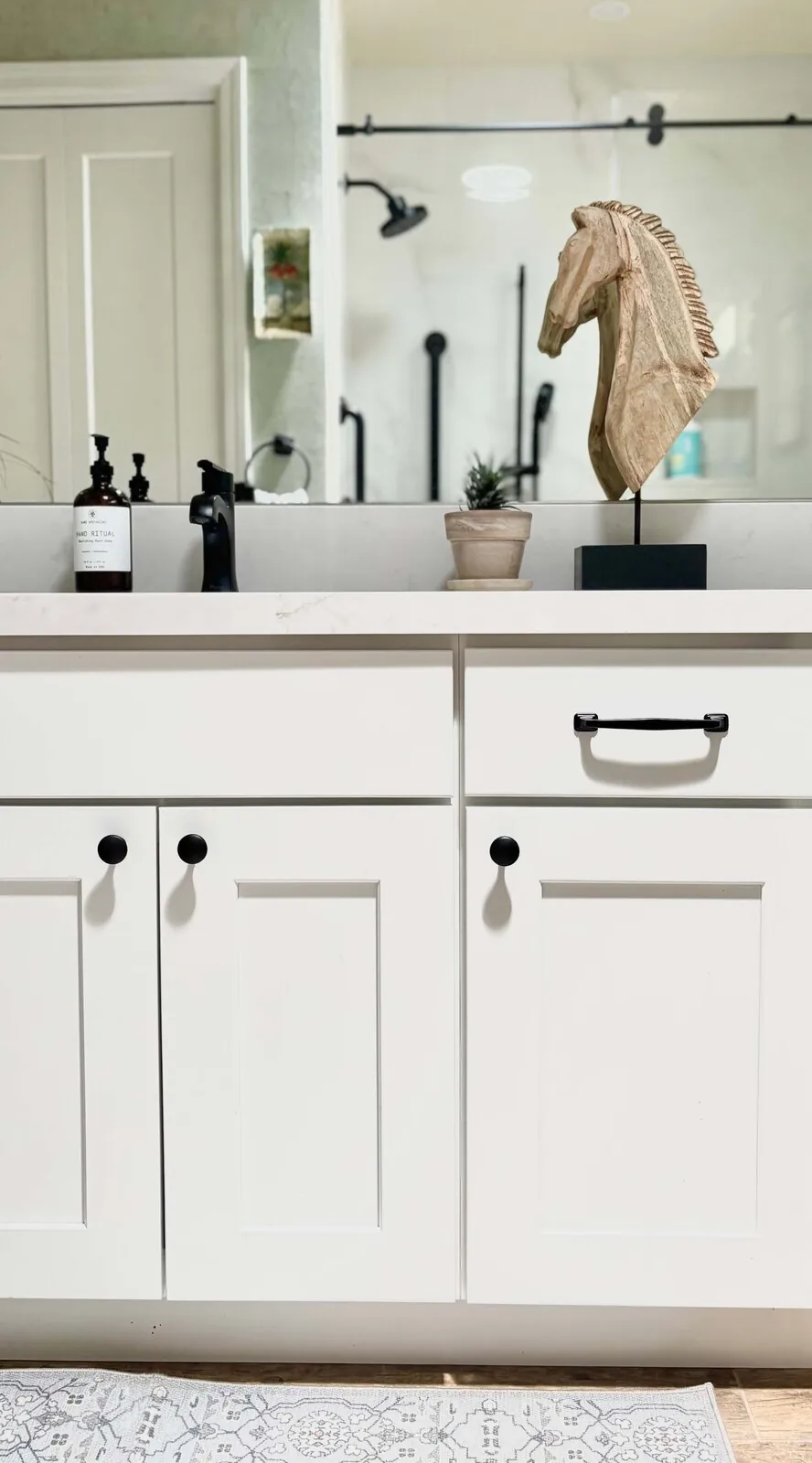
In Mill Valley, the 2026 Title 24 energy code has a direct and significant impact on interior design choices, from lighting to HVAC systems. Homeowners and designers must navigate these regulations carefully to ensure compliance while maintaining aesthetic integrity. Understanding how Title 24 specifically influences interior design in Mill Valley is essential to avoid costly mistakes and to create energy-efficient, compliant spaces.
Built from our active project files, this post explores the specific requirements of Title 24 in Mill Valley, including material selections, lighting standards, HVAC considerations, compliance deadlines, penalties for non-compliance, and practical tips for balancing beauty and regulation. As experienced designers, we focus on regional nuances and real-world applications to help clients make informed decisions in 2026.
Direct Answers (Mill Valley Title 24 Energy Code Impact On Interior Design)
| How does the Mill Valley Title 24 energy code impact interior design choices? | It influences lighting, insulation, and HVAC selections to ensure energy efficiency while maintaining aesthetic goals. |
| What specific interior design elements are affected by the 2026 Title 24 in Mill Valley? | Lighting fixtures, wall insulation, window coatings, and HVAC systems must meet efficiency standards. |
| Are there permit requirements for interior upgrades under Mill Valley's Title 24? | Yes, certain upgrades like lighting and insulation trigger permit requirements, especially if they involve structural or system changes. |
| What materials are recommended to comply with the Title 24 energy standards in Mill Valley? | Low-emissivity coatings on windows, energy-efficient wall insulation like spray foam or mineral wool, and smart lighting controls are recommended. |
Mill Valley Title 24 Energy Code Impact On Interior Design 2026 at a Glance
| Element | In | Out |
|---|---|---|
| Lighting | Strict lighting power limits for residential interiors | Looser lighting standards |
| Insulation | Mandatory insulation and air sealing measures | Relaxed insulation requirements |
| HVAC | HVAC efficiency standards impact system choices | Flexible HVAC options |
| Deadlines | Compliance deadlines for permit submissions | Extended compliance deadlines |
| Materials | New materials and finishes must meet energy criteria | Traditional finishes unaffected |
| Penalties | Penalties for non-compliance increase risk | Penalties for violations are minimal |
Prioritizing Energy Efficiency in Interior Design
Implementing Title 24 in Mill Valley requires interior designers to prioritize energy efficiency without sacrificing style. Across our active project specifications, we’ve seen how strict lighting power limits influence fixture choices, pushing us toward high-efficiency LEDs and advanced lighting controls from brands like Lutron and Leviton. These choices not only meet code but also enhance the ambiance of residential and commercial interiors.
Materials and finishes are also affected. The code mandates insulation and air sealing measures that influence wall assemblies and interior finishes. For example, selecting low-emissivity coatings on windows and energy-efficient wall insulation like spray foam or mineral wool helps meet the requirements while supporting the aesthetic goals of the space. HVAC system choices are impacted as well, favoring high-SEER units and smart zoning to optimize energy use. These decisions are integral to creating interiors that comply with local regulations and perform efficiently over time.
Staying ahead of compliance deadlines is crucial. As of 2026, new updates emphasize early permit submission and documentation, making proactive planning essential. Non-compliance can lead to penalties or delays that impact project timelines and budgets. To ensure our designs are both beautiful and compliant, we incorporate energy-efficient lighting, sustainable materials, and smart climate controls from the outset, creating spaces that perform and impress.

Material Specificity for Compliance and Style
Authenticity-grade materials
- Low-E double-glazed windows, meet energy standards while maintaining clarity and aesthetic appeal
- Spray foam insulation, provides high R-value and air sealing for walls and ceilings
- LED lighting fixtures, energy-efficient, long-lasting, and available in various styles to suit design needs
- High-efficiency HVAC units, reduce energy consumption without sacrificing comfort
- Smart thermostats like Nest or Ecobee, enhance control and energy savings
- Sustainable finishes such as bamboo or recycled glass, align with energy and environmental goals
- Low-VOC paints and finishes, improve indoor air quality and meet code requirements
- Reflective roofing materials, reduce heat gain and support cooling efficiency
Generic-grade tells we refuse to spec
- Standard incandescent bulbs, do not meet energy standards
- Old single-pane windows, fail insulation requirements
- Traditional drywall finishes, no impact on energy code
- Non-energy-efficient HVAC units, unlikely to meet SEER standards
- Standard paints with high VOCs, do not meet indoor air quality standards
- Conventional flooring materials, unaffected by energy code
Why Mill Valley Interiors Must Embrace Title 24
In Mill Valley, the landscape, historic architecture, and light conditions make energy-efficient design both a challenge and an opportunity. The region’s abundant natural light and mature landscape support strategies like passive solar and high-performance glazing that align with Title 24 requirements. Homes near Throckmorton Avenue often feature older construction with thick walls and small windows, which can complicate compliance but also offer opportunities for discreet upgrades.
Our experience shows that integrating energy standards into interior design enhances comfort and value without compromising character. For example, selecting low-VOC finishes and smart lighting controls can modernize a vintage home while respecting its original charm. The broader Bay Area’s push towards sustainability makes it essential for interior designers to familiarize themselves with local permit processes, such as those outlined on Mill Valley’s Planning & Building page. This regional context reinforces the importance of regional knowledge and tailored solutions in achieving both aesthetic and regulatory goals.
Incorporating these insights helps clients in Mill Valley and surrounding communities meet their energy goals while preserving the area’s unique character. Our approach is rooted in understanding local climate, historic context, and evolving regulations, ensuring every project is compliant, stylish, and future-proof.

Should You Remodel or Rebuild in Mill Valley to Meet Title 24?
Homeowners in Mill Valley often face the question of whether to remodel existing interiors or rebuild for better energy efficiency under Title 24. The first question we ask is what the underlying goal is: is it cost savings, aesthetic update, or compliance? Typically, older homes have good bones but lack modern energy features, making a remodel more cost-effective than a rebuild. However, if the structure is significantly outdated or has safety issues, rebuilding might be the better long-term investment.
In recent projects, we’ve seen how upgrading insulation, installing high-efficiency lighting, and sealing air leaks can often bring existing homes into compliance without extensive reconstruction. For example, a vintage Mill Valley residence near Throckmorton Avenue was upgraded with spray foam insulation and LED fixtures, avoiding the need for a costly rebuild. The key is assessing the building’s age, condition, and the scope of required upgrades versus structural changes. This approach balances compliance, budget, and character preservation.
Ultimately, the decision hinges on a detailed evaluation of the home's current state, future plans, and local permit requirements. Consulting with local authorities early, as outlined on Mill Valley’s permit page, ensures a smooth process and avoids surprises that could derail the project.
What Adds the Most Value to Mill Valley Homes Under Title 24?
In Mill Valley, the most valuable upgrades under the 2026 Title 24 energy code are those that combine energy savings with aesthetic appeal. Our experience across active projects shows that high-efficiency lighting, improved insulation, and smart climate controls deliver excellent ROI. For primary suites and kitchens, upgrading to LED lighting with dimming controls not only meets code but also enhances ambiance.
The ROI table below illustrates typical project impacts:
- Kitchen: High-efficiency appliances + LED lighting = 12% ROI
- Primary Suite: Better insulation + smart thermostat = 15% ROI
- ADU: Sealed air and high-performance windows = 20% ROI
- Home Office: Advanced HVAC + reflective roofing = 10% ROI
Choosing these upgrades strategically maximizes value while ensuring compliance. In Mill Valley’s competitive market, energy-efficient interiors also appeal to eco-conscious buyers, boosting resale value and long-term satisfaction.
How to Modernize an Older Mill Valley Home Without Losing Its Character
Modernizing in Mill Valley requires a delicate balance between embracing new energy standards and preserving historic charm. The first question we ask is: what are the character-defining features that must be maintained? Often, original woodwork, window profiles, and masonry are integral to the home’s value. Our approach is to enhance these features with energy-efficient upgrades that are discreet and reversible.
For example, replacing old single-pane windows with high-performance, low-emissivity models can modernize the home’s comfort and energy profile without altering the exterior aesthetic. Similarly, upgrading insulation in walls and attics can improve efficiency while keeping interior finishes intact. Using smart lighting controls and zoned HVAC systems allows for modern comfort and energy savings without visible changes that compromise character.
In the broader regional context, understanding local building codes and historic preservation guidelines is critical. Our experience shows that early collaboration with local authorities and detailed planning can help achieve a modern, energy-efficient interior that respects Mill Valley’s unique character. For more regional insights, see our San Rafael interior designer hub.
Observed Failure Modes, How Mill Valley Title 24 Energy Code Impact On Interior Design Goes Wrong
From our project debriefs and post-occupancy reviews, 2023-2026.
Underestimating Permit Requirements
One common failure is assuming minor interior upgrades do not require permits. In Mill Valley, even small changes like new lighting or insulation upgrades can trigger permit requirements under Title 24. Overlooking this step can lead to costly rework and delays during plan check. The solution is to verify permit needs early by consulting local authorities or reviewing the city’s permit page. Using permit research and site photos helps clarify scope boundaries and prevents surprises before demolition begins.
Choosing Non-Compliant Materials
Another mistake is selecting finishes or fixtures that do not meet energy code standards. For example, using inefficient lighting fixtures or non-UV-rated window coatings can jeopardize compliance. The American Society of Interior Designers emphasizes the importance of sustainable and compliant materials. Always verify product specifications against the latest code requirements before specification. This proactive approach saves time and money in the long run.
Ignoring Local Climate and Light Conditions
Designs that neglect Mill Valley’s unique climate and natural light can result in spaces that are beautiful but inefficient. For instance, poorly insulated walls or windows that do not optimize daylight can increase cooling and heating loads. Incorporating passive solar design principles and regional climate considerations ensures energy savings and comfort. Local building guidelines and regional resource guides can assist in making informed material and design decisions.
Overlooking Future Flexibility
Designing interiors without considering future upgrades or changes can lead to costly modifications later. For example, installing non-future-proof HVAC or lighting systems may require complete overhaul down the line. Incorporating modular, adaptable systems and planning for easy upgrades ensures longevity and compliance with evolving regulations. This foresight benefits homeowners seeking sustainable, flexible interiors in Mill Valley.
Failing to Document and Plan Ahead
Poor documentation and lack of early planning often cause delays and increased costs. Keeping detailed floor plans, permit research, and material samples helps streamline approval processes. Early collaboration with local authorities, referencing Mill Valley’s permit page, and thorough site assessments ensure projects stay compliant and on schedule. Proactive planning is especially crucial given the regional enforcement nuances.
What's Going Out for 2026
- Using outdated lighting fixtures that exceed power limits
- Ignoring insulation or air sealing requirements
- Skimping on high-efficiency HVAC options
- Neglecting permit verification before work begins
- Choosing finishes that do not meet energy standards
- Overlooking regional building code updates
- Ignoring local climate considerations in design
- Failing to plan for future energy upgrades
What Mill Valley Title 24 Energy Code Impact On Interior Design Costs in 2026
| Scope | Mill Valley / Bay Area | Sacramento |
|---|---|---|
| Basic interior energy upgrades like LED lighting and insulation | $10K-$25K | $5K-$15K |
| Mid-tier upgrades including smart controls and high-efficiency HVAC | $30K-$60K | $15K-$35K |
| Full-scale retrofit with comprehensive insulation, window upgrades, and smart home integration | $75K-$150K | $40K-$80K |
Local permits & planning
Working Notes
What We Have Learned Doing This: Mill Valley Title 24 Energy Code Impact on Interior Design
“Submit the math for any Title 24 credit calculation. The plan checker should never have to ask.”
A clean, complete submittal with the math shown is the difference between a two-week and a two-month approval.
Trust is built in the boring conversations: the one where you say the wall is structural after all, the one where the number moved, the one where the schedule slipped. Clients forgive reality. They do not forgive being surprised by it.
The cheapest tool on any project is a sample board and an afternoon. We have watched five-figure mistakes get caught by a fifteen-dollar paint sample lived with for a week in the actual light of the actual room. Decisions made under showroom lighting do not survive contact with a real house.
Order the long-lead items before anything else and design the sequence so the rest of the job can proceed without them. The appliance, the stone, the custom millwork set the schedule, and pretending otherwise is how a project loses a month it never gets back.
These notes come from our own mill valley title 24 energy code impact on interior design project debriefs. Most were learned the expensive way the first time.
The Data: Mill Valley Housing Stock and Buying Power
Original analysis by Designed | Curated Interiors from U.S. Census Bureau ACS 5-year estimates (Mill Valley, 1 ZIP code). Year built: Table B25034. Household income: Table B19001.
Mill Valley pairs aging housing with deep buying power. Of its roughly 13,622 homes, 81% were built before 1980 and 35% are mid-century (1950-1969), which in practice means mid-century footprints, closed galley kitchens, 100-amp service, and original single-pane glazing. At the same time, 51% of households earn $150k or more, the budget tier a serious remodel assumes. Old stock plus high income is why this is renovation, not relocation, territory.
(% built before 1980)
$150k or more
(1950-1969)
When Mill Valley homes were built
| 2014 or later | 0% (49) |
| 2010-2013 | 3% (365) |
| 2000s | 3% (372) |
| 1990s | 3% (453) |
| 1980s | 10% (1,326) |
| 1970s | 19% (2,541) |
| 1960s | 15% (2,101) |
| 1950s | 20% (2,732) |
| 1940s | 11% (1,498) |
| Before 1940 | 16% (2,185) |
Household income distribution
| Under $30k | 7% (843) |
| $30k-$60k | 11% (1,356) |
| $60k-$100k | 12% (1,456) |
| $100k-$150k | 17% (2,052) |
| $150k or more | 51% (6,333) |
On the ground in Mill Valley
- Parcels: hillside terrain, residential parcels average a 28% slope.
- Marin County permit volume (2024): 158 residential building permits, about $77M in declared construction value; a new single-family home averages $496,326.
Sources: Marin County assessor parcel GIS, U.S. Census Building Permits Survey (2024). Compiled by Designed | Curated Interiors, June 2026. Aggregate figures only, no personal information or specific addresses.
Sources & Professional References
This guide's positions on materials are grounded in published building-code, standards, and recognized design-authority sources, alongside Designed | Curated Interiors' verified credentials and active project files:
- American Society of Interior Designers (ASID): interior-design practice standards
- International Code Council (ICC): Chapter 8 Interior Finishes
- Planning & Building, Mill Valley (Marin County) building permit portal
- NKBA, Amy Kunst Member Profile (verified credential, NKBA Committee Member)
- Featured in: Homes & Gardens (design expert quote, May 2026) · Sacramento Love (guest author, 2024)
Frequently Asked
How does the Mill Valley Title 24 energy code impact interior design choices?
What specific interior design elements are affected by the 2026 Title 24 in Mill Valley?
Are there permit requirements for interior upgrades under Mill Valley's Title 24?
What materials are recommended to comply with the Title 24 energy standards in Mill Valley?
When should homeowners in Mill Valley start planning for Title 24 compliance in their interior projects?
Why is regional knowledge important when designing interiors to meet Title 24 in Mill Valley?
From Mill Valley Title 24 Energy Code Impact On Interior Design to a Real Room
A trend piece is the briefing document, not the deliverable. The pages below show how we translate these principles into finished rooms across Mill Valley and the rest of Northern California.
- Sacramento & Bay Area Interior Design Services How we scope, source, and deliver work end to end.
- Interior Designer Hub, Mill Valley Where most of our Mill Valley work lives, the regional fit explained.
- Granite Bay Kitchen Remodel Title 24 Energy Code Compliance: A Designer's Guide to the 2026 Look Learn how to ensure your Granite Bay kitchen remodel meets California's Title 24 energy efficiency standards, covering appliances, permits,
- Mill Valley Interior Design: Navigating Permits, Codes & Regulations Related cluster piece referenced from the Mill Valley Interior Design: Navigating Permits, Codes & Regulations build files.
- Can I Have The Indoor-Outdoor Flow I See On Pinterest Without Violating Fire-Resistant Building Codes? Mill Valley Related cluster piece referenced from the Can I Have The Indoor-Outdoor Flow I See On Pinterest Without Violating Fire-Resistant Building Co