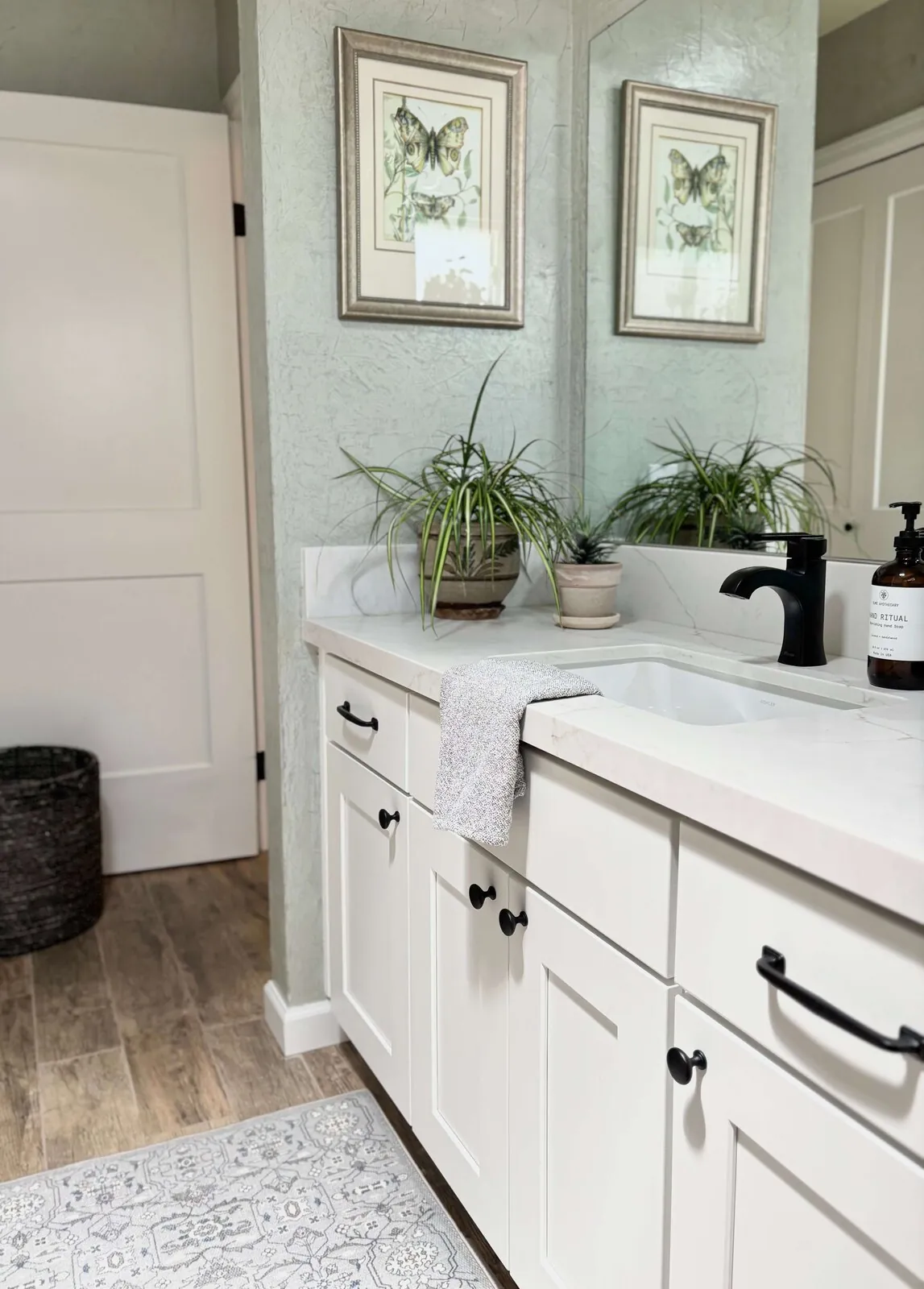
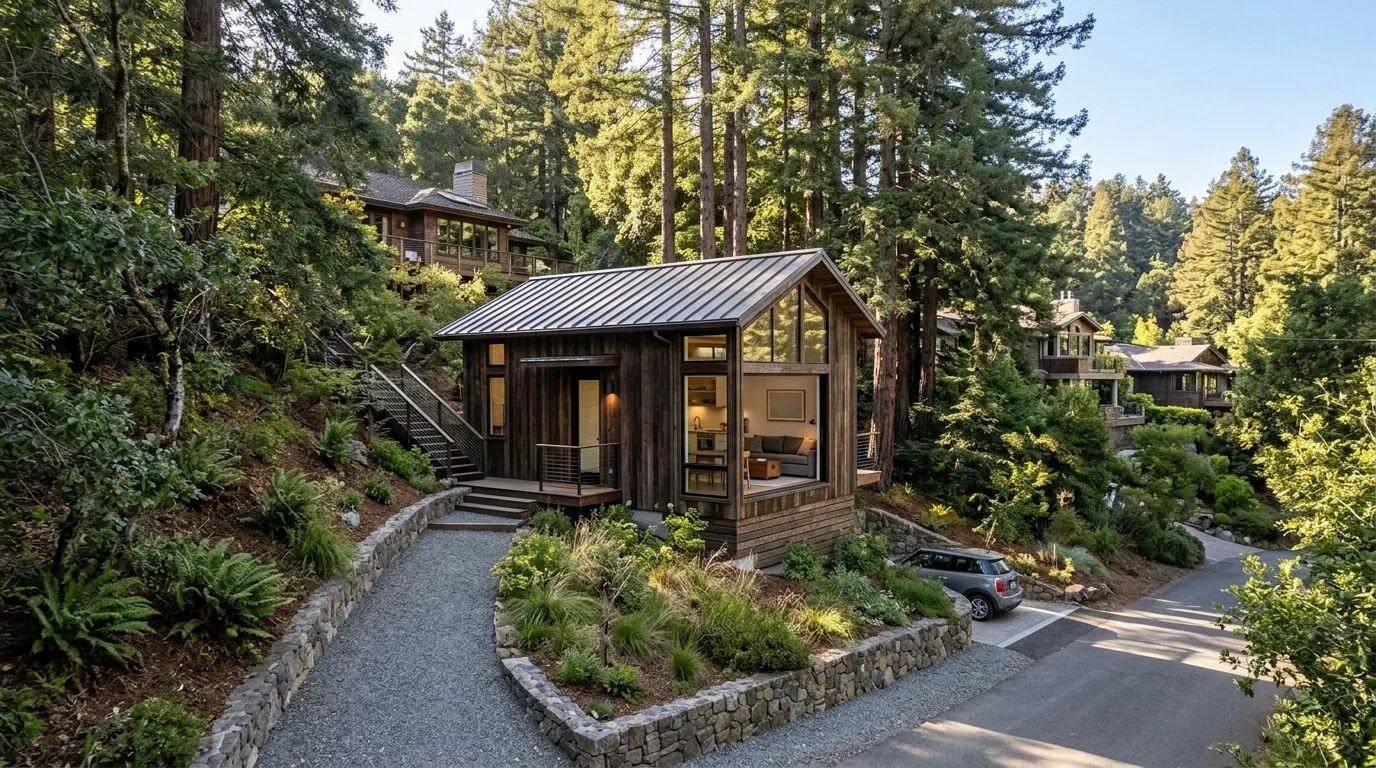
When designing interiors for a home on a steep hillside within a wildland-urban interface zone in Mill Valley, the primary concern is ensuring safety, stability, and compliance with regulations while maintaining aesthetic appeal. Addressing coastal foundation considerations and WUI regulations shapes every interior decision from materials to layout. This trend guide explores how to approach interior design that respects the challenging landscape, regulatory constraints, and environmental factors, all while creating a comfortable, stylish space.
Built from our active project files, this post will cover practical design strategies for hillside homes, specific material choices suited for coastal foundations, how WUI rules influence interior choices, and best practices for integrating safety and environmental mitigation into interior aesthetics. As designers committed to a warm-restraint perspective, we focus on thoughtful, context-sensitive solutions that enhance both form and function in Mill Valley’s unique setting.
Common Questions
| What considerations are important for interior design on a steep hillside in Mill Valley? | Safety, stability, and compliance with WUI regulations are primary, along with aesthetic appeal and environmental factors. |
| How does the coastal environment influence interior material choices in Mill Valley hillside homes? | Materials should be lightweight, strong, fire-resistant, moisture-resistant, and low-VOC to withstand moisture, corrosion, and fire risks. |
| What safety features are recommended for interiors of hillside homes in Mill Valley? | Fire-resistant wall panels, fire-resistant window glazing, non-combustible trim, and landscape buffers are recommended to mitigate fire risk. |
| When should homeowners consider remodeling versus rebuilding in Mill Valley hillside areas? | If the existing structure is sound and safety upgrades suffice, remodeling is often preferable; rebuilding is considered if structural limitations prevent safe upgrades. |
Prioritizing Structural Stability and Safety in Interior Design
In Mill Valley hillside homes, the first major design move is to prioritize structural stability while integrating safety seamlessly into the interior aesthetic. Across our active project specifications, we see that lightweight, coastal-grade materials like fiber-reinforced composites and engineered wood products help reduce load on coastal foundations and hillside structures. For finishes, durable options such as composite decking and fire-resistant wall panels from brands like Gaco Western or DuPont are essential for WUI compliance and long-term performance.
Design choices must also account for local climate and environmental risks. Incorporating fire-resistant window glazing, non-combustible trim, and strategically placed landscape buffers can significantly mitigate fire risk without compromising style. The key is balancing these safety features with the home’s interior character, ensuring the space remains inviting while meeting rigorous safety standards. This thoughtful integration enhances resilience and peace of mind for homeowners living in such challenging environments.
Why Mill Valley's Environment Shapes Interior Design Choices
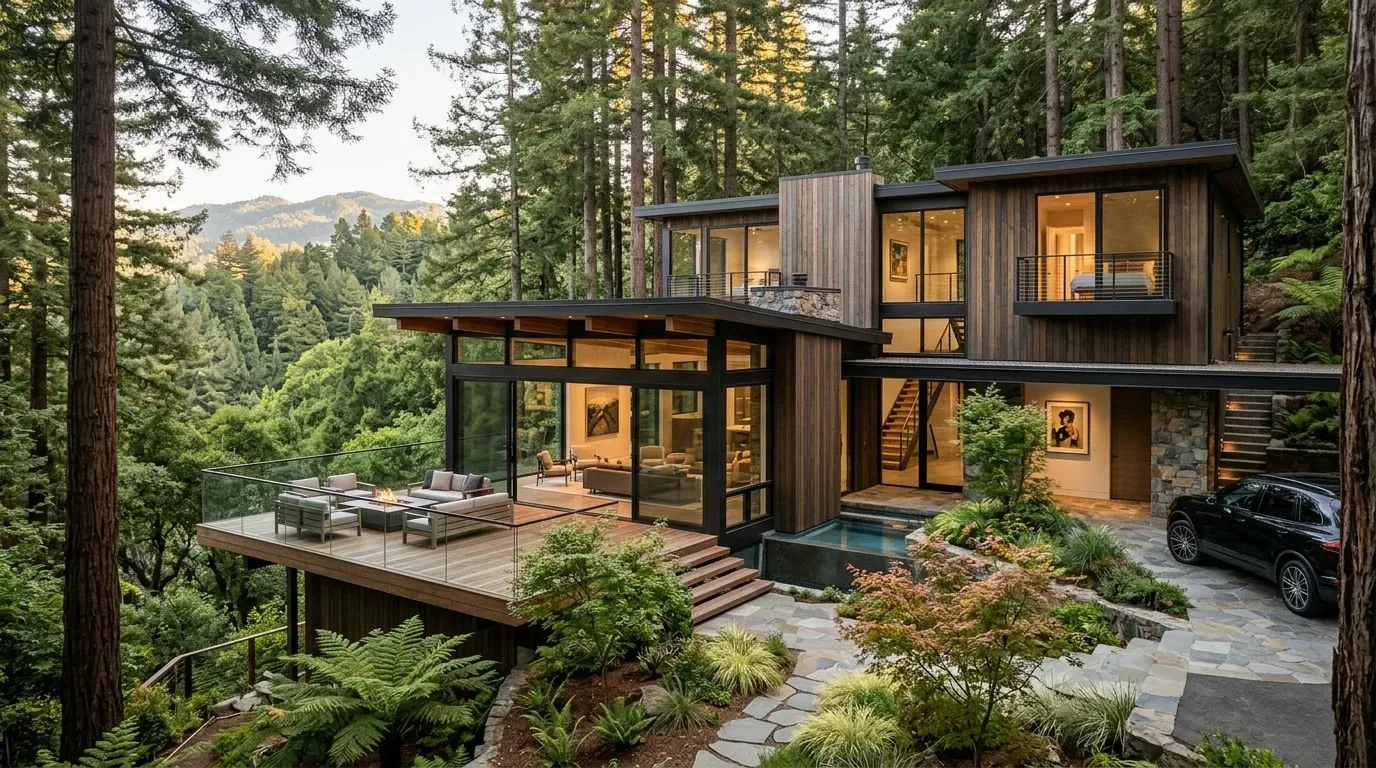
Mill Valley’s unique landscape, with its steep slopes and proximity to open space, demands interior design that supports hillside stability and environmental safety. The region’s coastal climate introduces moisture and corrosion concerns, making material selection critical. The abundance of natural light and lush landscape influence color palettes and finishes, favoring low-VOC, moisture-resistant options that align with regional environmental standards.
In our experience working on projects near Throckmorton Avenue and throughout Mill Valley, integrating interior design with coastal foundation requirements involves choosing materials that are lightweight yet strong, fire-resistant yet aesthetically pleasing. The American Society of Interior Designers emphasizes sustainable, environmentally conscious practices, which resonate with Mill Valley homeowners seeking both beauty and resilience. For more on local permitting and building regulations, see Mill Valley’s Planning & Building Department. Our approach ensures interiors that are both safe and harmonious with the regional landscape, balancing environmental stewardship with elegant design.
Should You Remodel or Rebuild in Mill Valley’s Hillside Environment?
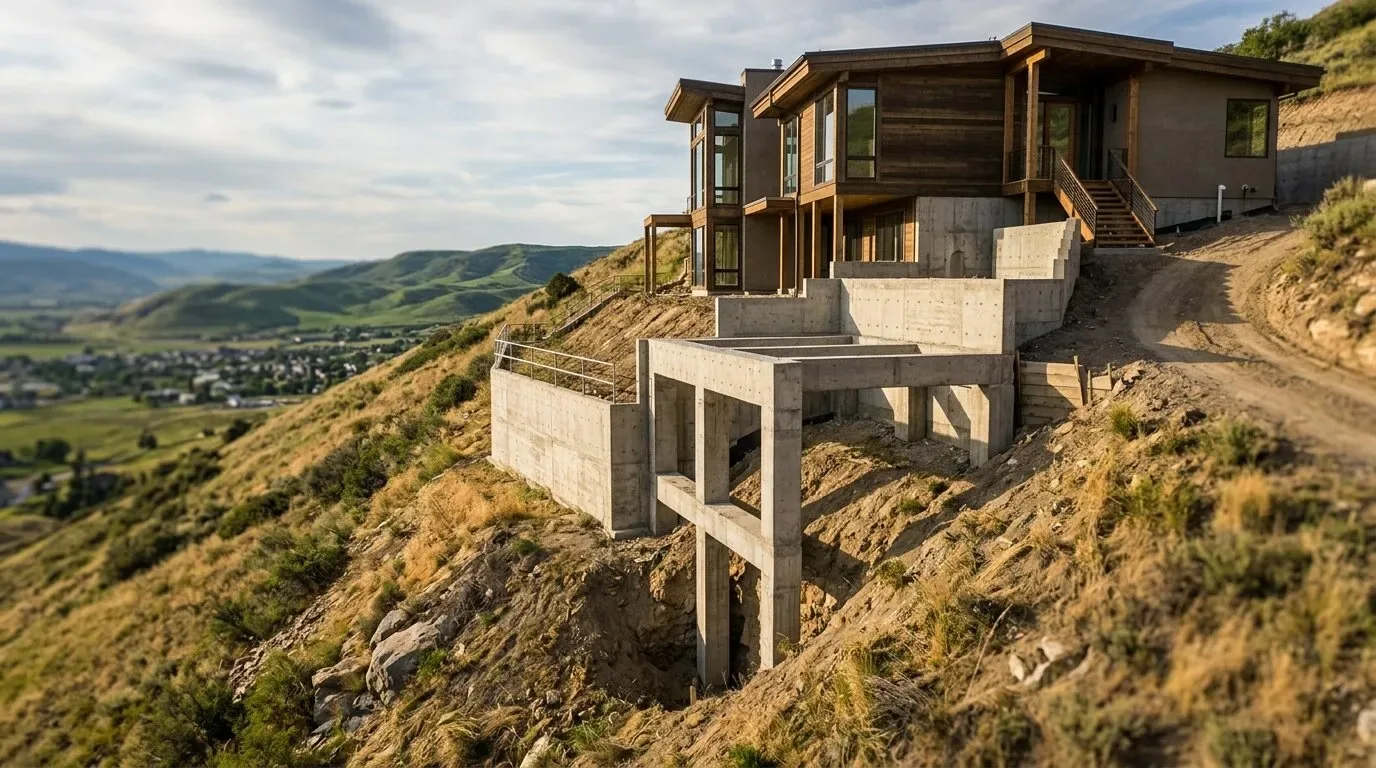
The core decision many homeowners face is whether to undertake a full rebuild or focus on interior remodeling that respects the hillside’s constraints. The first question we ask is: what is the primary goal? Is it safety, aesthetic refresh, or increasing livable space? In Mill Valley, many older homes have the bones to support thoughtful interior upgrades, but structural limitations often favor remodeling over rebuilding.
For example, on the Green Valley Project, homeowners initially requested a new kitchen with a coastal feel. Contractors suggested enlarging the footprint, but after examining existing foundation and hillside stability, it became clear that a renovation with fire-resistant finishes and reconfigured interior walls would meet their safety and aesthetic goals more efficiently. We used a site plan review and a moisture meter to assess hidden issues behind walls. The result was a cost-effective, safe upgrade that avoided six-figure foundation work. This experience underscores that in Mill Valley, understanding the geological and regulatory context is essential before making decisions that could otherwise lead to costly mistakes.
Cost ranges for hillside foundation remodels and rebuilds in Mill Valley
2026 planning ranges by scope, Mill Valley / Bay Area against Sacramento. They bracket a budget; they are not a quote for a specific house.
| Scope | Mill Valley / Bay Area | Sacramento |
|---|---|---|
| Interior refresh with safety upgrades | $40K-$80K | $25K-$50K |
| Mid-tier renovation with structural reinforcement | $125K-$250K | $75K-$150K |
| Full rebuild with hillside stabilization | $400K-$900K | $250K-$500K |
Local permits & planning
Sources & Professional References
This guide's positions on permits are grounded in published building-code, standards, and recognized design-authority sources, alongside Designed | Curated Interiors' verified credentials and active project files:
- International Code Council (ICC): Careers In Code Enforcement
- International Code Council (ICC): Chapter 17 Special Inspections And Tests
- Planning & Building, Mill Valley (Marin County) building permit portal
- NKBA, Amy Kunst Member Profile (verified credential, NKBA Committee Member)
- Featured in: Homes & Gardens (design expert quote, May 2026) · Sacramento Love (guest author, 2024)
Related reading
- Sacramento & Bay Area Interior Design Services How we scope, source, and deliver work end to end.
- Interior Designer Hub, Mill Valley Where most of our Mill Valley work lives, the regional fit explained.
- Mill Valley Hillside Foundation Structural Issues Related cluster piece referenced from the Mill Valley Hillside Foundation Structural Issues build files.
- Mill Valley Interior Designer | Hillside, WUI + Heritage Home NKBA Designer 2026 A “Mill Valley interior designer” (in the hillside/canyon context) is a design professional who translates steep-lot structure, moisture exp
- Auburn Wui Gold Country Steep Foundation Interior Design Related cluster piece referenced from the Auburn Wui Gold Country Steep Foundation Interior Design build files.