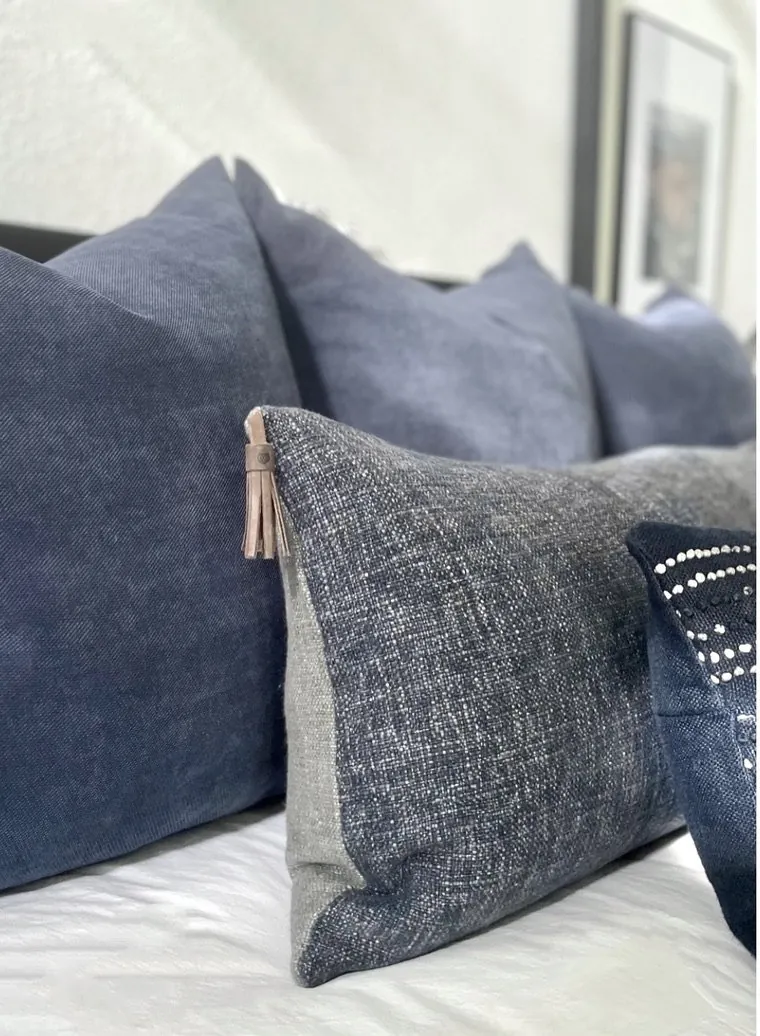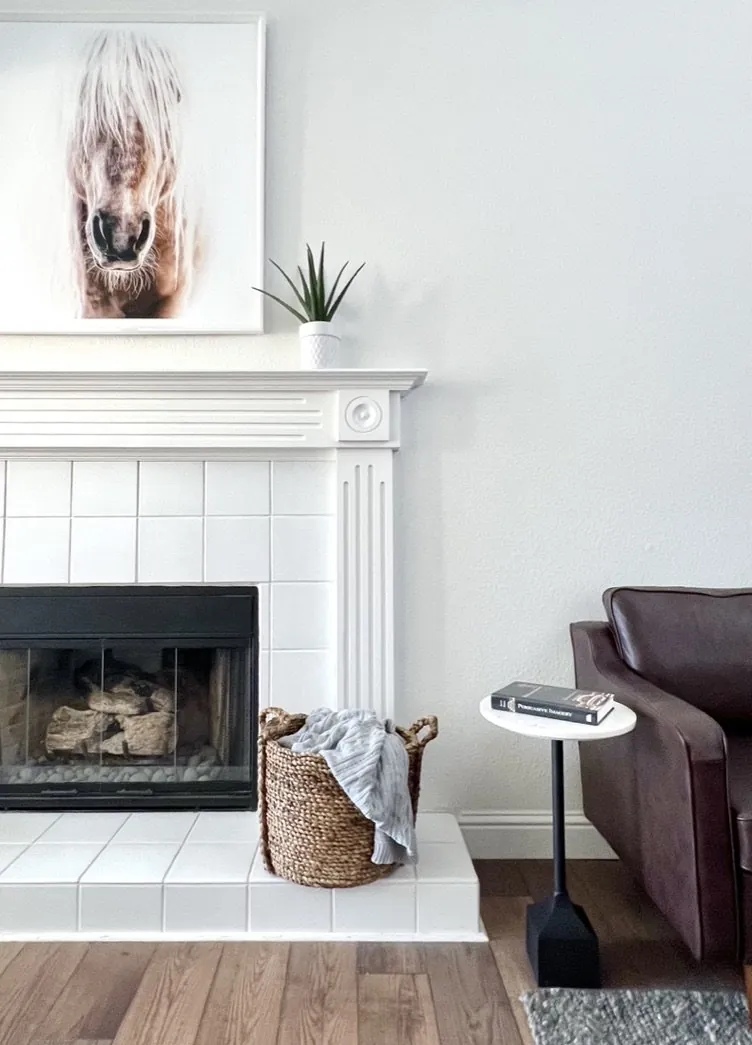

By 2026, modern colonial interior design will continue to blend traditional charm with contemporary minimalism, creating spaces that feel both timeless and fresh. Expect a refined evolution of colonial elements, updated with modern aesthetics and forward-thinking materials that suit today’s lifestyle.
Built from our active project files, this guide explores the anticipated trends for 2026 including updated color palettes, trending furniture styles, and how to balance historic architecture with modern design. We’ll also cover sourcing tips for future-proofing your home and share insights on projects that exemplify this evolving style, all with a regional focus on Sacramento and the broader Bay Area.
Common Questions
| What are the key features of modern colonial interior design in 2026? | It combines traditional charm with contemporary minimalism, featuring cleaner lines, lighter finishes, and warm, muted color palettes like greiges and soft taupes. |
| How can I update historic Sacramento homes with modern colonial style? | Focus on subtle modern updates such as refined moldings, matte white cabinetry, and layered lighting, while preserving original features like windows and proportions. |
| What materials are recommended for authentic modern colonial interiors in 2026? | Rift-sawn white oak flooring, matte brass or black matte hardware, and sustainable, eco-friendly finishes are popular choices. |
| When planning a modern colonial renovation in Sacramento, what permits are needed? | Homeowners should consult the Community Development (Building Division) for permit requirements, available at https://www.cityofsacramento.gov/community-development/building/permit-services. |
Modern Colonial Interior Design 2026 2026 at a Glance
| Element | In | Out |
|---|---|---|
| Color Palette | Warm neutral palettes with muted accent colors | Bright, vibrant colors |
| Furniture Style | Simplified, sleek colonial furniture | Overly ornate furniture |
| Materials | Natural materials with modern finishes | Synthetic materials |
| Lighting | Layered lighting emphasizing warmth and depth | Cluttered layouts |
| Sustainability | Innovative, eco-friendly materials | Heavy, dark finishes |
| Detail Emphasis | Subtle historic details with modern reinterpretation | Strictly traditional details |
| Layout | Open floor plans with preserved architectural elements | Closed-off floor plans |
| Materials Sourcing | Sustainable and tech-integrated decor | Non-sustainable decor |
| Textural Elements | Soft, textured fabrics paired with clean lines | Synthetic fabrics |
Modern Colonial Style: The First Major Design Move
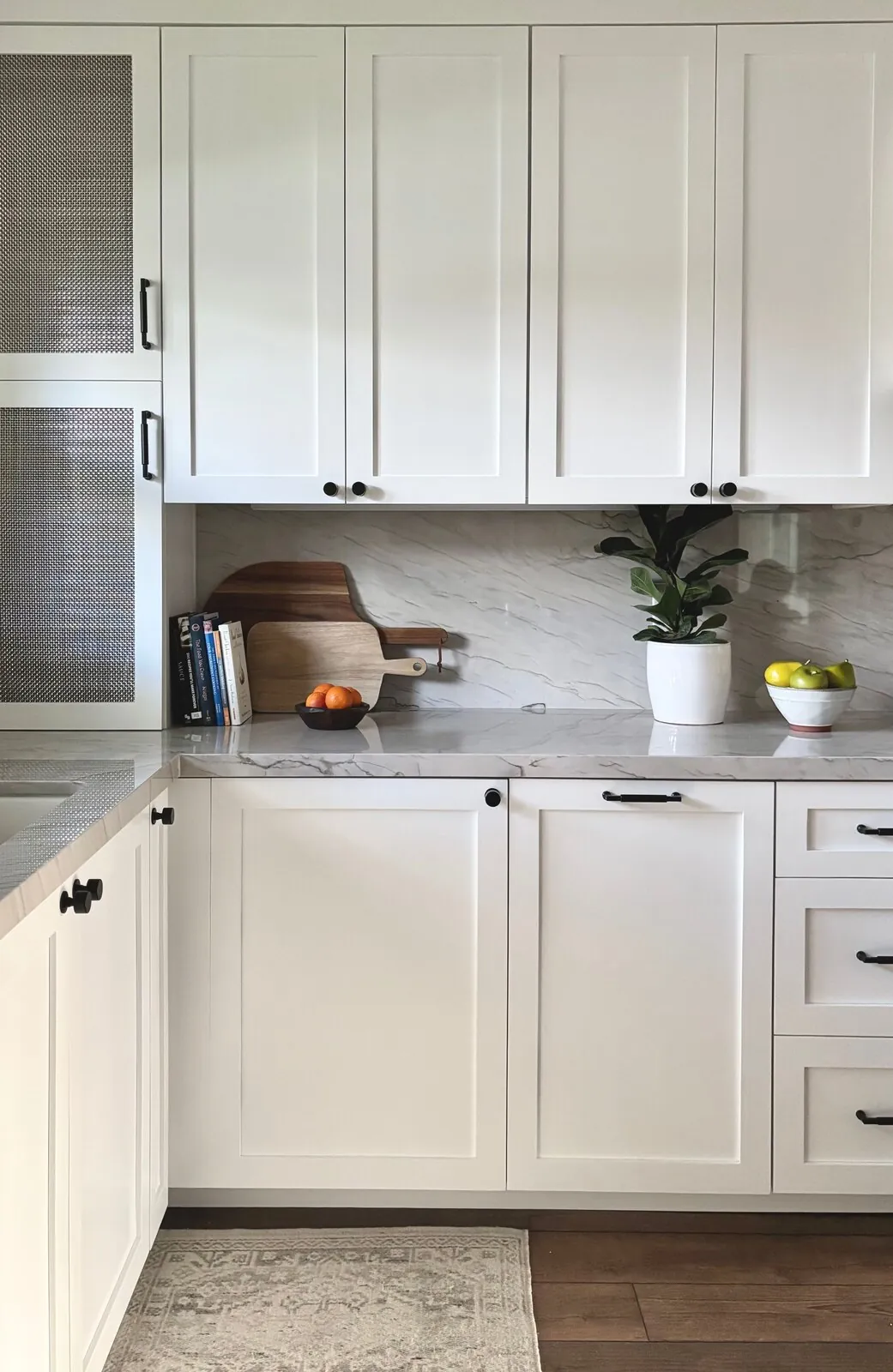
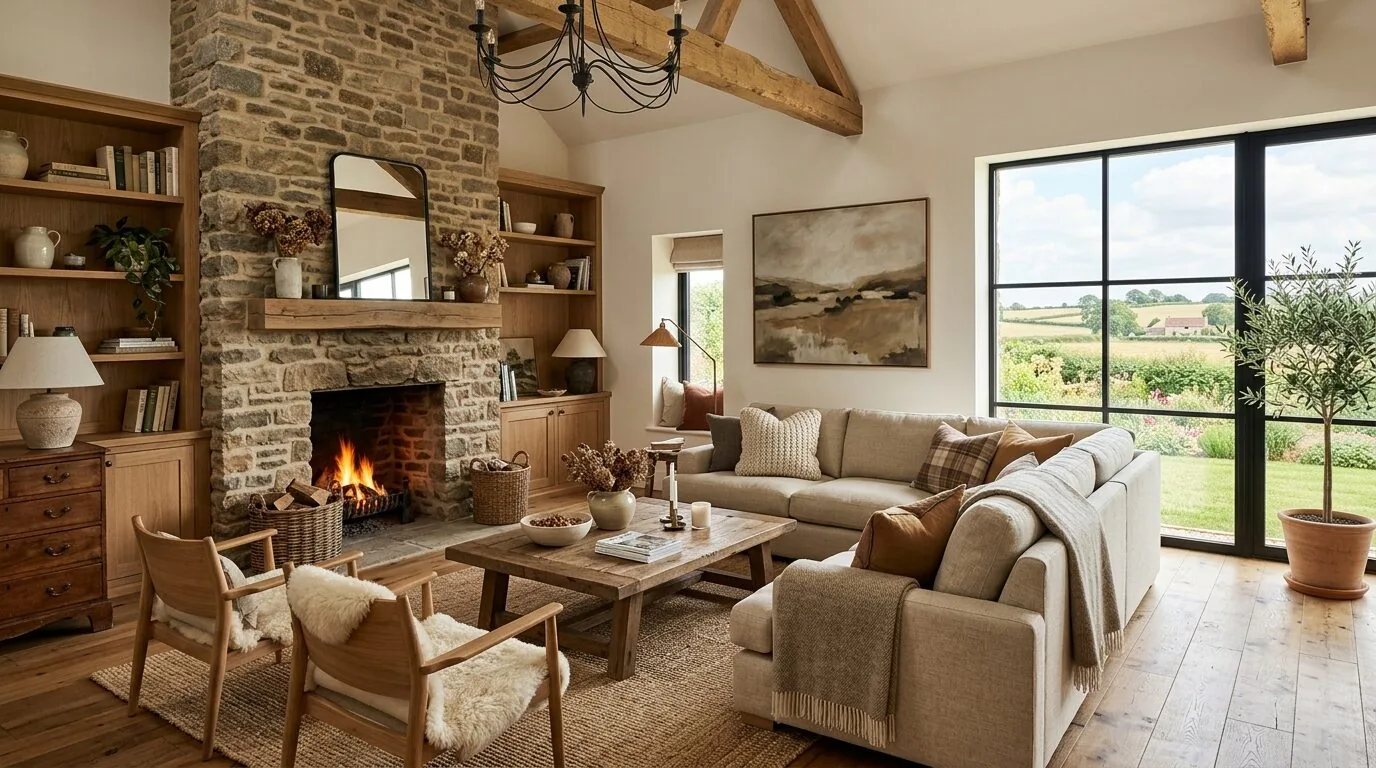
In 2026, the key to modern colonial interior design is simplicity paired with authenticity. Across our active project specifications, we see a move away from overly ornate moldings and dark finishes toward cleaner lines and lighter, more refined details. For example, we’re specifying rift-sawn white oak flooring for its calmer grain, and pairing it with matte white cabinetry from local millworks that blend seamlessly with historic architecture.
Another major shift is the use of warm, muted color palettes, think greiges, soft taupes, and gentle greens, that make spaces feel inviting yet contemporary. We’re also integrating modern hardware in matte brass or black matte finishes, which update traditional hardware styles without losing their essence. These choices reflect a designer perspective emphasizing warm restraint, where each element is carefully curated to balance the old and new, creating spaces that feel both familiar and innovative.
Material Specificity: Authentic and Refined Choices
Authenticity-grade materials
- White oak (rift-sawn), for floors and slat detail; calmer grain than plain-sawn
- Limestone or marble, for countertops and accents, adding natural elegance
- Matte brass hardware, for a subtle touch of warmth and sophistication
- Linen or textured cotton fabrics, for upholstery and window treatments
- Reclaimed wood, to add history with sustainable appeal
- Matte black fixtures, for modern contrast
- Soft, neutral wall paints, creating a versatile backdrop
- Natural fiber rugs, for comfort and texture
Generic-grade tells we refuse to spec
- Vinyl or laminate flooring, less authentic and less sustainable
- High-gloss finishes, which can feel dated or overly shiny
- Plastic or synthetic fabrics, lacking texture and warmth
- Chrome fixtures, more common but less warm
- Mass-produced cabinetry, less character
- Bright white paint, can feel sterile
- Overly glossy surfaces, which clash with matte finishes
- Cheap hardware, that quickly tarnishes or feels out of place
How to Incorporate Modern Colonial Elements Without Overdoing It
The primary decision homeowners face is balancing tradition with innovation. The first question we ask is: what are the core colonial elements that truly define the style? Typically, these include symmetrical layouts, paneled walls, and classic moldings. The challenge is updating these features with modern materials and finishes without losing their essence. For example, replacing heavy plaster moldings with sleek, simple profiles in matte brass or painted wood preserves the historic feel while embracing current aesthetics.
Another key consideration is scale and proportion. Modern colonial spaces often feature open floor plans that contrast with traditional compartmentalized layouts. Using subtle architectural details like slim chair rails, simplified archways, or modern hardware can create a fresh take. Our approach emphasizes layered textures and soft colors, which bring warmth and relevance to historic forms. This ensures the design feels timeless yet aligned with 2026 aesthetics.
| Design Move | Impact | Cost Consideration |
|---|---|---|
| Refined moldings | Enhances architectural interest | Moderate, depends on material |
| Neutral color palettes | Creates calming backdrop | Low to moderate |
| Modern hardware | Updates traditional details | Relatively affordable |
Choosing the Right Sizing and Specs for 2026 Modern Colonial Interiors
Understanding sizing and specifications is crucial to creating a balanced modern colonial space. For example, kitchen range hoods should be at least 36 inches wide with a depth of 12-15 inches and CFM ratings that match the cooking volume, typically around 600-900 CFM in modern homes. Ceiling heights of 9 to 10 feet allow for classic crown molding and layered lighting without feeling cramped.
When sourcing fixtures and cabinetry, opting for local fabricators or well-curated stock lines can save time and money. For a more bespoke look, custom millwork offers flexibility but at a higher cost and lead time. As we see in several recent projects, balancing custom and stock elements ensures a timeless aesthetic while maintaining budget control. Our advice is to prioritize quality materials and precise measurements to future-proof your design choices.
Should You Remodel or Rebuild in Sacramento for Modern Colonial Style?
The decision to remodel or rebuild hinges on the home’s age, structural integrity, and your long-term goals. In Sacramento, many older homes with good bones are prime candidates for thoughtful updates that preserve character while integrating modern comforts. The first step is assessing the existing layout, which often involves detailed site photos, permit research at the Sacramento Building Division, and measuring key spaces with a laser tool.
Rebuilding can be costly and disruptive but allows for complete customization. Remodeling, on the other hand, lets you upgrade key elements like kitchen layouts, lighting, and finishes without losing historic charm. Our experience suggests that a careful analysis of structural elements and zoning rules can reveal whether a strategic renovation will add value or if a rebuild might be a more future-proof choice. In many cases, blending the old with the new offers the best ROI, especially in Sacramento’s land-rich neighborhoods.
Common Mistakes When Designing Modern Colonial Interiors in 2026
Biggest Waste: Overly ornate moldings or heavy finishes that date the space quickly. It’s better to choose simplified profiles that can be dressed up or down over time.
Biggest Regret: Ignoring lighting design and layering. Relying solely on overhead fixtures can flatten the space; incorporating sconces and task lighting adds warmth and depth.
Hidden Cost: Using low-quality hardware or finishes that tarnish or chip within a few years. Investing in durable, matte finishes and reputable brands pays off long-term.
What's Going Out for 2026
- Bright, high-gloss finishes that feel cold
- Overly ornate, heavy moldings
- Synthetic or plastic materials in key finishes
- Dark, heavy color palettes exclusive of warmth
- Cluttered, closed-off layouts that hinder flow
- Overly matching furniture sets that lack personality
- Cheap hardware that tarnishes quickly
- Excessive ornamentation that overwhelms space
What This Costs in 2026
| Scope | Typical range |
|---|---|
| Refresh scope with updated finishes | $35K-$75K |
| Mid-tier renovation with custom cabinetry | $100K-$250K |
| Estate-scale historic preservation and overhaul | $300K-$750K |
Working Notes
What We Have Learned Doing This: Modern Colonial Interior Design: A Designer's Guide to the 2026 Look
“The drawings are a promise. Demolition is the truth.”
After enough projects you stop fearing bad taste and start fearing the boring things: delays, sequencing mistakes, moisture behind a wall, an electrician improvising, framing that is not where the drawings swear it is. The aesthetic part still matters, it is why anyone hires anyone, but execution decides whether the room ever gets built the way it was drawn.
Old houses lie, and so do new ones. Even a ten-year-old house lies the moment you assume the framing sits where the plans say. We stopped trusting old drawings, prior contractor work, and the phrase it should be fine a long time ago. The budget needs a real line for what demolition will uncover, usually 15 to 20 percent once walls start opening.
Specify for the next ten years, not the next photo shoot. The work that holds its value is quiet, well made, and a little bit boring on the day it is installed.
These notes come from our own project debriefs. Most were learned the expensive way the first time.
Sources & Professional References
This guide's positions on materials are grounded in published building-code, standards, and recognized design-authority sources, alongside Designed | Curated Interiors' verified credentials and active project files:
- American Society of Interior Designers (ASID): interior-design practice standards
- International Code Council (ICC): Chapter 8 Interior Finishes
- NKBA, Amy Kunst Member Profile (verified credential, NKBA Committee Member)
- Featured in: Homes & Gardens (design expert quote, May 2026) · Sacramento Love (guest author, 2024)
From Principle to a Real Room
A trend piece is the briefing document, not the deliverable. The pages below show how we translate these principles into finished rooms across Sacramento and the rest of Northern California.
- Sacramento & Bay Area Interior Design Services How we scope, source, and deliver work end to end.
- Interior Designer Hub, Sacramento Where most of our Sacramento work lives, the regional fit explained.
- Modern Tudor Homes: Authentic, Revival, and Neo-Tudor (A Designer Reference) Heritage-architecture renovation patterns from our project files.
- Japandi Living Room: A Designer's Guide to the 2026 Look The 2026 warm-neutral playbook applied to the living room.