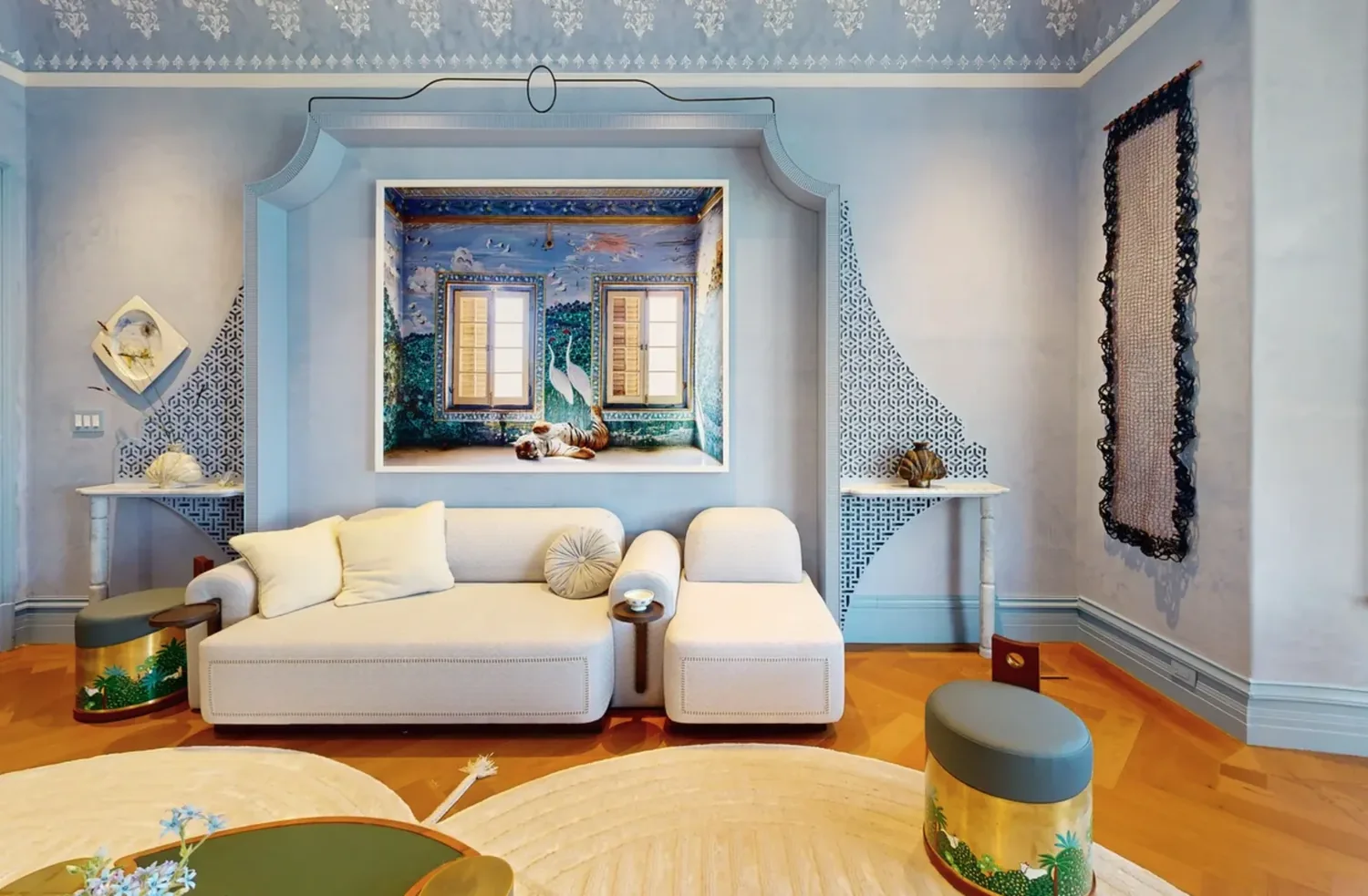
Patterns shape a room's entire feel. Done right, patterns define areas and tweak a room's mood. Pattern placement has to sync with room flow. It's key.
Here's what we've noticed about 2026 trends: pattern types and ways to mix them well. Let's see how patterns draw out features, play with textures, and fit Sacramento-style homes. We want to help you dodge costly mistakes but keep things stylish and timeless.
Direct Answers (Pattern In Interior Design)
| What are the key considerations for using patterns in interior design? | Think of scale and color when working pattern magic. |
| How can I successfully mix different patterns in my Sacramento home? | Use one color range; vary pattern sizes. |
| Are there regional trends in pattern choices for Sacramento homes? | In Sacramento, patterns speak softly but still command attention. No overkill. |
| Should I opt for custom or stock patterns for my interior design project? | Custom patterns? Unique but cost more. Stock ones are quicker and cheaper. |
Strategic Pattern Placement as the First Major Design Move
In 2026, the most impactful pattern strategy begins with thoughtful placement. Patterns are like a layout map, each use serves a purpose. A geometric backsplash grounds a kitchen, while floral chairs soften it up. We prefer bold patterns here and there only, with neutrals calming things down.
Mixing patterns demands finesse but works. Keeping the chaos out means nailing the color match and size balance. Schumacher and Kravet do some great curated sets that help a lot. For a chill vibe, go for soft patterns. Amp it up for social areas.
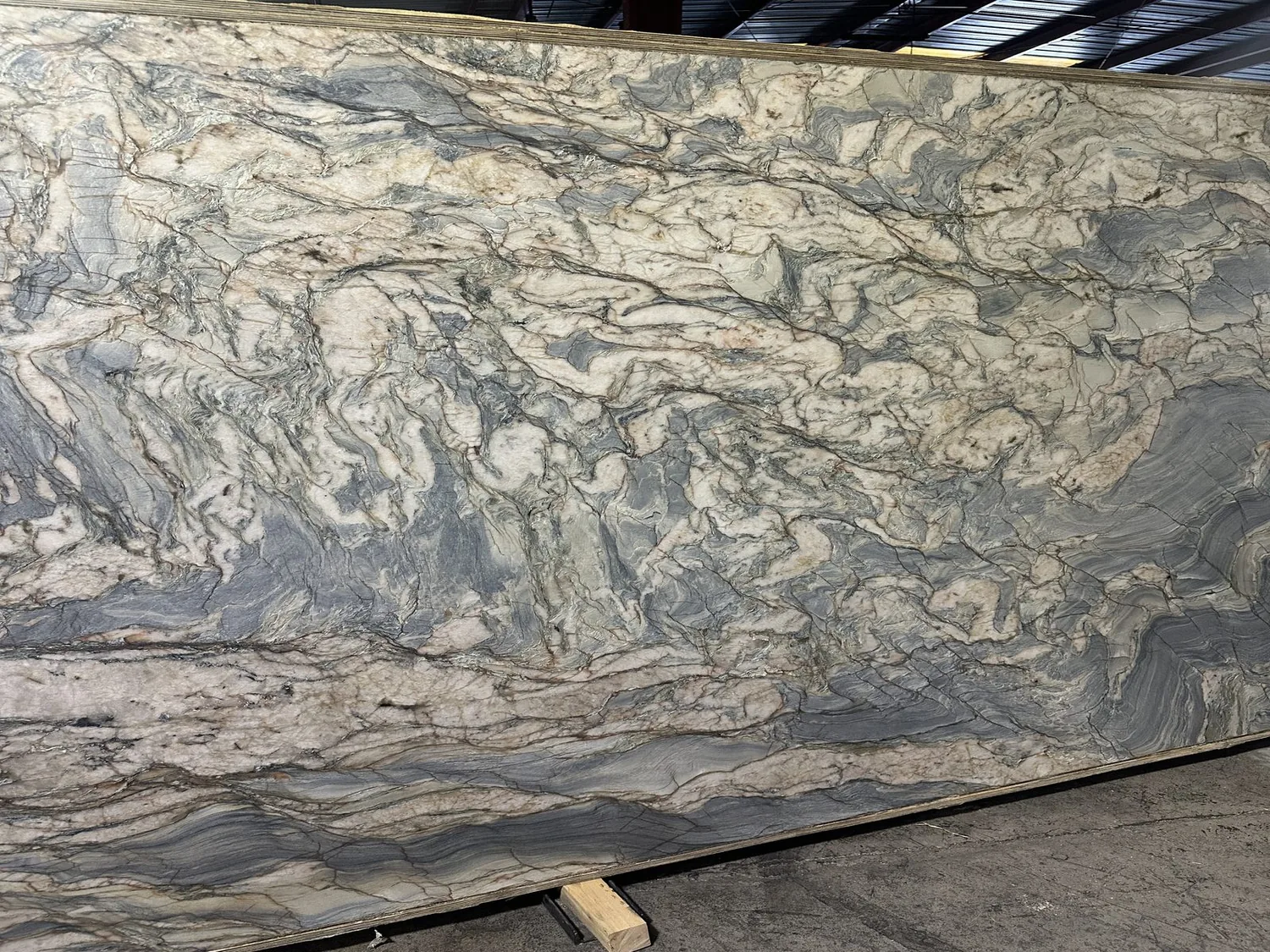
Material Specificity in Pattern Selection
Authenticity-grade materials
- White oak (rift-sawn), for floors and slat details; calmer grain than plain-sawn
- Porcelain tile, durable, water-resistant, ideal for patterned backsplashes or floors
- Linen fabric, natural texture, softens bold patterns in upholstery
- Velvet, adds richness and depth when used with patterned accents
- Glass mosaics, reflect light and add shimmer to feature walls
- Woven rattan, brings warmth and texture for accent furniture
- Lacquered wood, provides sleek, polished surfaces for pattern framing
- Textured plaster, subtle patterning on walls for understated elegance
Generic-grade tells we refuse to spec
- Stock vinyl wallpaper with generic prints
- Mass-produced ceramic tiles without custom sizing
- Standard polyester upholstery fabrics
- Pre-finished laminate surfaces
- Inexpensive MDF furniture with printed veneers
- Basic painted drywall without texture
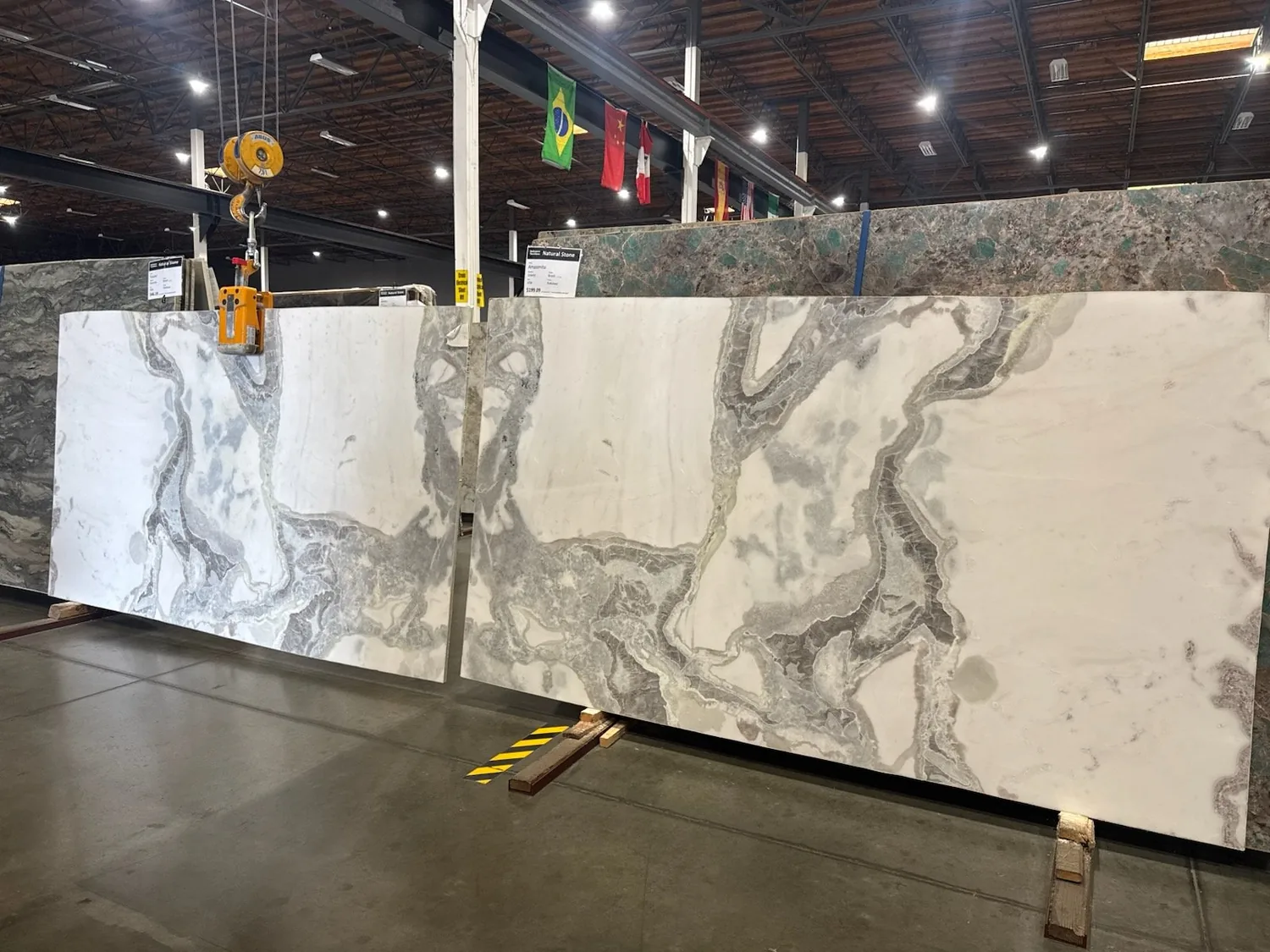
Should I Choose Custom or Stock Patterns for My Sacramento Home?
Homeowners often struggle with whether to invest in custom patterns or opt for readily available stock options. The first question we ask is: what is your budget and desired timeline? Custom patterns could start around $5,000 in Sacramento. Extra time and cost. Schumacher or Wayfair stock. Quick install, usually under a grand.
Think about the look you want. Custom fits architectural details. Stock works for accents. Balance looks with what's practical. Thoughtful choices, custom or not, fit Sacramento homes without breaking the bank.
How Do I Mix Patterns Successfully Without Clashing?
How to mix patterns without chaos? First, master scale and color. Try a small floral with a big geometric. Pick similar tones. Use a single color palette. Layer textures for depth. Using a neutral background with accent patterns helps maintain balance. The NKBA emphasizes that restraint is key, limit yourself to two or three patterns per space, and use solids or textures to break them up.
In Sacramento, smaller rooms benefit from this approach, avoiding a cluttered feel. A patterned rug adds interest. Match it with a textured wallcovering to avoid clutter. Stuck on ideas? Try fabric swatches or painter's tape to mock up quickly. Mixing patterns works best when it feels planned. Layering with care is key.
What Are the Common Mistakes That Make Patterned Interiors Look Cheap or Dated?
Skip unnecessary steps to save money and stress. Big, bold patterns in tiny rooms? They quickly feel cramped. Scale matters. Large furniture with tiny patterns can feel off. Without a color plan, mismatched patterns look chaotic. Copying trends can date a home. Consider the space and architecture instead.
Our advice is to be deliberate with pattern size, color, and placement. Mockups help. Take room function and character into account. A light touch goes a long way. Especially in Sacramento's older areas. Don't cover every surface in pattern. Instead, highlight key areas and use plain or textured elements for balance.
What's Going Out for 2026
- Overly busy, large-scale patterns in small rooms
- Matching multiple patterns without variation
- Using bold floral motifs everywhere
- Ignoring scale and proportion for patterns
- Combining incompatible colors or textures
- Applying patterns without considering natural light
- Overloading walls with wallpaper or murals
- Choosing trendy patterns that lack longevity
What Pattern In Interior Design Costs in 2026
| Scope | Typical range |
|---|---|
| Basic refresh with stock textiles and wallpapers | $3,000-$7,000 |
| Mid-tier custom fabric and wallpaper selections | $10,000-$20,000 |
| Estate-scale, fully custom pattern integration with designer finishes | $30,000-$75,000 |
Working Notes
What We Have Learned Doing This: The 7 Elements of Interior Design: Pattern
“Sequence beats speed. Every time.”
Most of the money that gets wasted is spent solving the wrong problem confidently. A homeowner asks for more space, every contractor agrees and prices an addition, and the real issue turns out to be light, or proportion, or one bad sightline. We make the room tell us the problem before anyone signs a demolition contract.
Trust comes from the mundane chats. Like discovering the wall supports more than you thought, or the timeline's tweak. Clients forgive reality. They do not forgive being surprised by it.
Old houses lie, and so do new ones. Even a 10-year-old home's framing rarely matches plans exactly. We stopped trusting old plans, other contractor's work, and the phrase 'it should be fine' ages ago. The budget needs a real line for what demolition will uncover, usually 15 to 20 percent once walls start opening.
These notes come from our own the 7 elements of interior design: pattern project debriefs. Most were learned the expensive way the first time.
Sources & Professional References
This guide's positions on materials are grounded in published building-code, standards, and recognized design-authority sources, alongside Designed | Curated Interiors' verified credentials and active project files:
- American Society of Interior Designers (ASID): interior-design practice standards
- International Code Council (ICC): Chapter 8 Interior Finishes
- NKBA, Amy Kunst Member Profile (verified credential, NKBA Committee Member)
- Featured in: Homes & Gardens (design expert quote, May 2026) · Sacramento Love (guest author, 2024)
Frequently Asked
What are the key considerations for using patterns in interior design?
How can I successfully mix different patterns in my Sacramento home?
Are there regional trends in pattern choices for Sacramento homes?
Should I opt for custom or stock patterns for my interior design project?
What are common mistakes to avoid when choosing patterns for interior design?
From Pattern In Interior Design to a Real Room
A trend piece is the briefing document, not the deliverable. The pages below show how we translate these principles into finished rooms across Sacramento and the rest of Northern California.
- Sacramento & Bay Area Interior Design Services How we scope, source, and deliver work end to end.
- Interior Designer Hub, Sacramento Where most of our Sacramento work lives, the regional fit explained.
- Modern Tudor Homes: Authentic, Revival, and Neo-Tudor (A Designer Reference) Heritage-architecture renovation patterns from our project files.
- Japandi Living Room: A Designer's Guide to the 2026 Look The 2026 warm-neutral playbook applied to the living room.
Part of our design fundamentals series. Pattern is one of the seven elements of interior design. See the complete guide to the elements of interior design, and how the principles of interior design put them to work together.