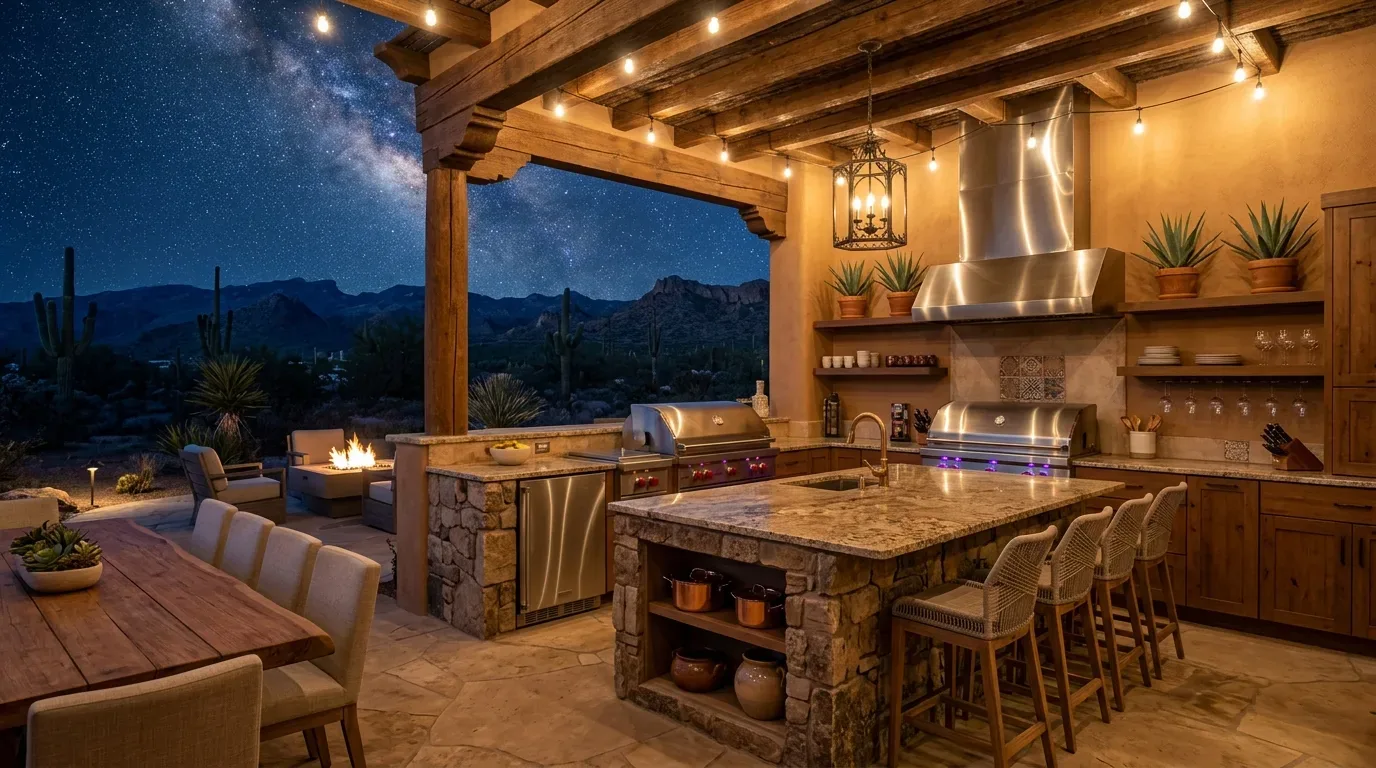
Color and placement matter. Get these right, and your space feels both functional and inviting. That's the key to interior design. These basics decide how a room feels. Change them, and you change everything about the space. It's that simple. Balance is everything. Blend these parts with care, and a space becomes more than livable, it's inviting.
We've pulled from project notes, focusing on design must-knows. Experiment with colors. Try rearranging spaces. Adjust your lights. Real cases from Sacramento fill my notes. These choices make all the difference. You learn how each piece, materials, colors, layout, changes both look and function. I bring a designer's real-world view.
Direct Answers (Elements Of Interior Design)
| What are the key elements of interior design? | Components like texture and material choices build a room. They decide if it works and looks right. Simple as that. |
| How does space and layout influence interior design? | You can't ignore layout. Look at Sacramento projects, good flow means a space feels right. |
| Why is regional climate important in interior design? | With Sacramento's climate, use materials that work well in heat. Light colors and natural stone keep spaces cool. |
| When should I consider reconfiguring existing space instead of rebuilding? | Want change without full remodels in Sacramento? Play with scale and materials. It's often cheaper and quite effective. |
The Power of Space and Layout in Interior Design
In our recent Sacramento projects, space and layout have proven to be the most critical elements for creating functional, inviting interiors. Effective space use is crucial. It's not just about where you put a chair. It's about how areas connect and serve specific needs. Keep it looking good. Using open spaces wisely, I combine open plans with zones. It brightens up the room. Furniture size matters a lot. Choose a 36-inch table for cozy spaces. A 48-inch one changes everything.
Across our active project specifications, we emphasize the importance of spatial awareness. We start with precise measurements. Painter's tape helps us imagine layouts before making decisions. Doing this avoids mistakes and uses natural features like light and room lines well. Design hinges on good proportions. Nail this, and you've got a winner.
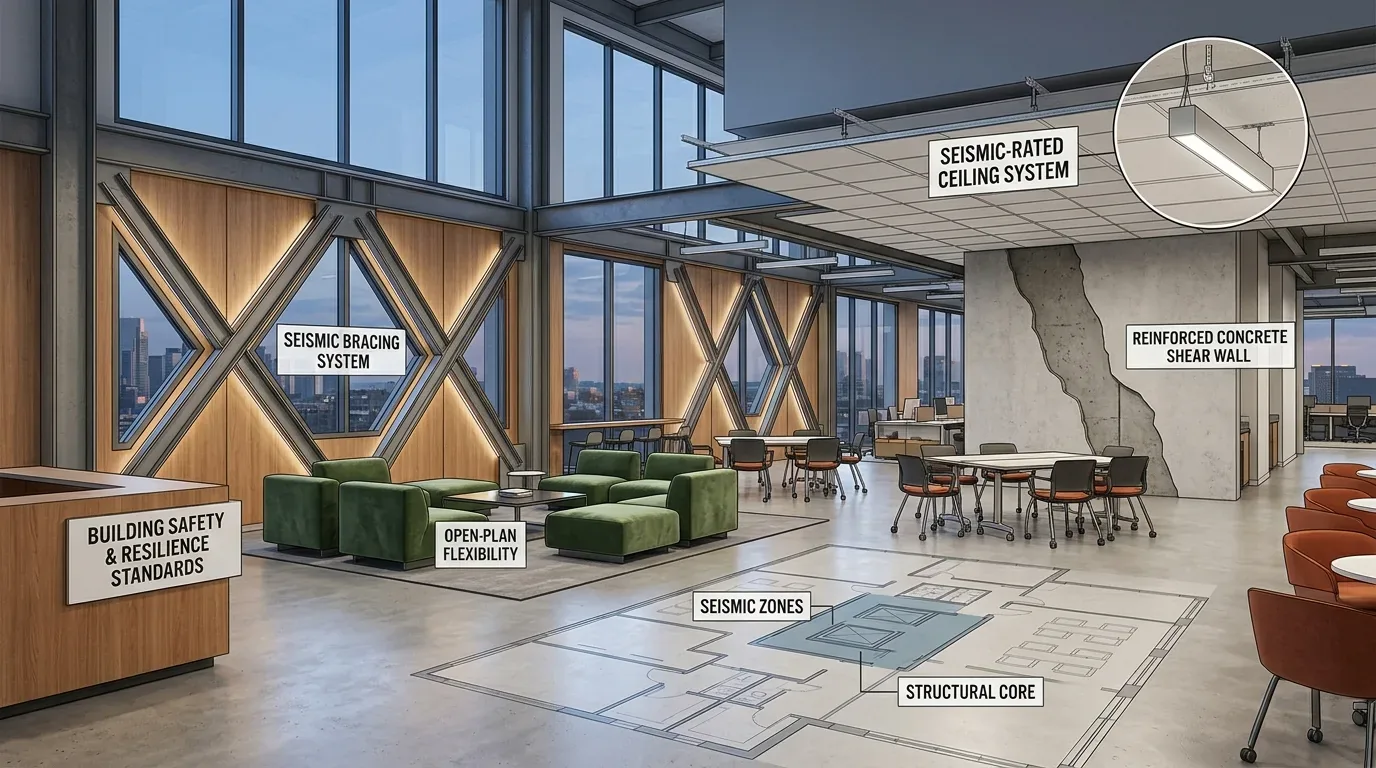
Material Authenticity and Its Impact
Authenticity-grade materials
- White oak (rift-sawn), for floors and slat detail; calmer grain than plain-sawn
- Limestone, for fireplace surrounds; durable and naturally textured
- Brushed brass, for hardware; warm finish that ages gracefully
- Handwoven wool, for rugs; adds softness and visual depth
- Silk-blend upholstery fabric, for furniture; luxurious feel with durability
- Reclaimed wood, for accent panels; environmentally conscious and character-rich
- Matte ceramic tile, for kitchen backsplashes; low-glare, timeless appeal
- Concrete, for countertops; industrial durability and modern aesthetic
Generic-grade tells we refuse to spec
- Laminate flooring, inexpensive and easy to install, but less authentic
- Vinyl tile, budget-friendly, though often less durable and less refined
- Mass-produced hardware, generic finishes that lack character
- Synthetic fabrics, less breathable and authentic compared to natural fibers
- Plastic countertops, low-cost but prone to scratching and staining
- Pre-finished wood, less customizable and may lack the depth of natural grain
Should You Remodel or Rebuild in Sacramento?
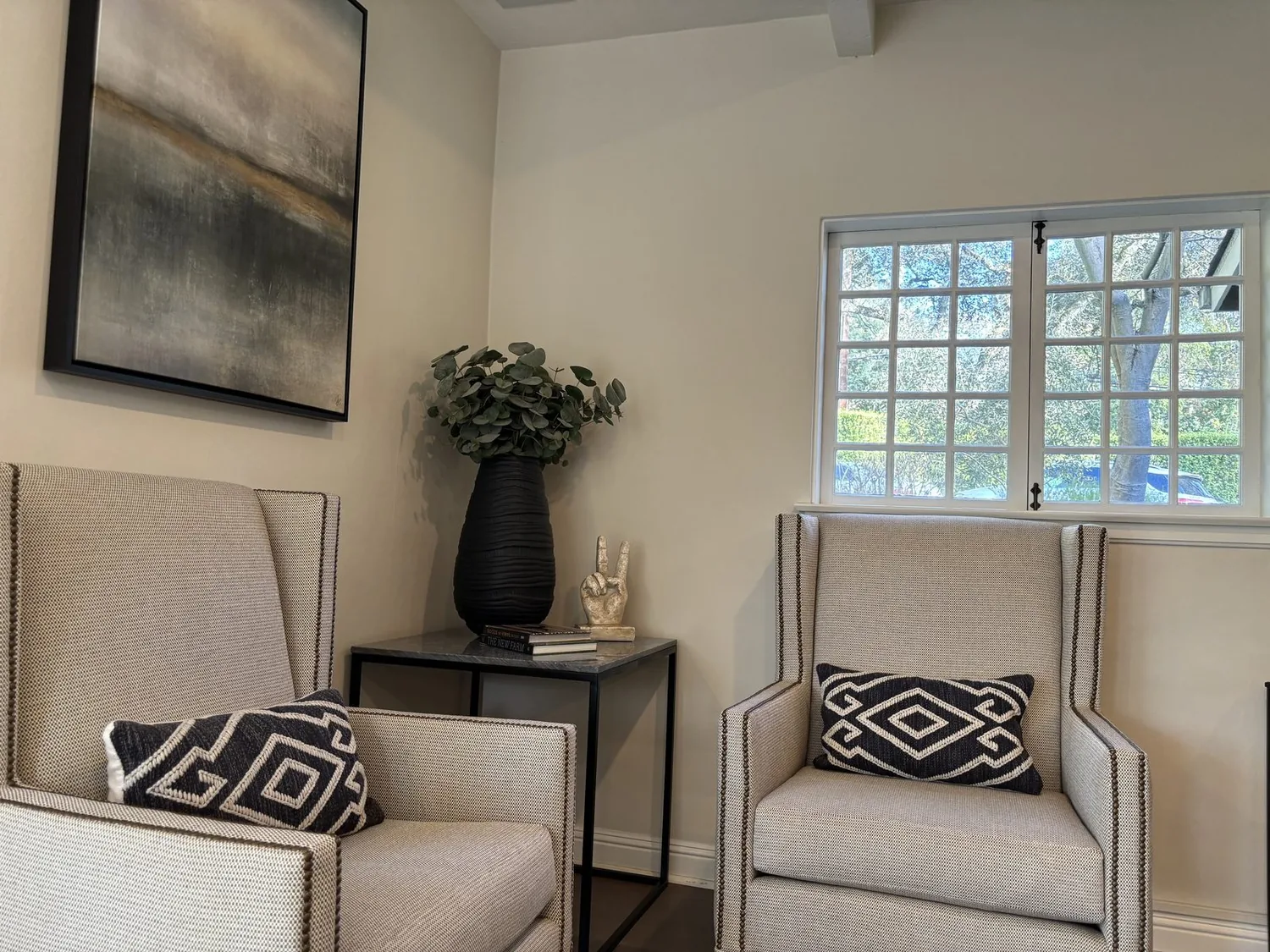
Thinking about remodeling or rebuilding? Figure out if changes like a kitchen upgrade will boost your Sacramento home's value. Homeowners often want to maximize space. Updating looks matter, but don't ruin the place's feel. We start by checking out the layout. Then, think about boosting scale and picking the right materials.
A client wanted a bigger main bedroom. Plans were expensive. But measuring with a laser and photos showed we could rearrange and use new materials. Raising the ceiling visually and choosing real materials can modernize without needing to rebuild. In Sacramento, old homes and land cost a lot. Altering interiors might save money.
What Adds the Most Value in Sacramento Homes?
Use real materials around Sacramento for a timeless interior vibe. A kitchen redo with tough materials can pay off. Good window placement and lighting boost a room's quality. Picking materials like reclaimed wood makes a lasting impression. Sacramento buyers like that.
In our projects, we emphasize balancing regional architecture with contemporary interior elements, ensuring that updates align with Sacramento’s historic charm while meeting modern expectations. For detailed insights, visit our Sacramento interior design insights.
How to Modernize an Older Sacramento Home Without Losing Its Character
Modernizing an older Sacramento home involves careful integration of contemporary interior design elements that respect the original architecture. First, consider sticking with original things like reclaimed wood. Then, blend in fresh textures and lights. We might freshen up finishes and add lights that make the room's proportions shine.
Replaced old tiles with modern ones. Moved some furniture for better flow. Added lights to show off high ceilings. Local style prefers real materials that age well. Sacramento homes can stay true to themselves while feeling updated.
Observed Failure Modes, How Elements Of Interior Design Goes Wrong
From our project debriefs and post-occupancy reviews, 2023-2026.
Ignoring Scale and Proportion
One common failure in interior design is neglecting scale and proportion, which can make a space feel unbalanced or awkward. Huge pieces dwarf tiny rooms. Little stuff might look lost in a big one. Measure right. Get furniture that matches the room shape. Use a tape measure. Cardboard models come in handy for layout planning. Optimize space in Sacramento. Incorrect sizing hits your wallet.
Poor Lighting and Shadow Play
Lighting is often overlooked, yet it dramatically influences how interior elements are perceived. Bad lighting just kills texture. It flattens it. Use shadows wisely. They bring depth. Combine different lighting types and max out natural light. High ceilings in Sacramento? Sconces or pendants highlight architecture. Skipping this makes spaces feel dull.
Inauthentic Material Choices
Choosing inauthentic or low-quality materials can undermine the longevity and character of an interior. Cheap laminates? They save now but fail soon. Real wood or stone ages well. Supports local crafts too. Using real materials in historic Sacramento homes respects their character.
Cluttered or Disorganized Layouts
An unbalanced furniture arrangement hampers flow and function. Packed rooms ruin the flow. Start with smart space planning and account for traffic flow. Photos and mockups spot clutter fast. Right-sized furniture in Sacramento's small spaces keeps rooms functional.
Disregarding Regional Climate in Material Selection
Materials that perform well in other regions may falter in Sacramento’s climate. High-gloss reflects heat. Porous materials stain. Natural stone, matte, and moisture-resistant options last longer. Local materials suited to Sacramento's climate make spaces last.
What's Going Out for 2026
- Overusing trendy finishes that date quickly
- Ignoring authentic regional materials
- Choosing low-quality or synthetic finishes
- Overcluttering spaces with unnecessary decor
- Neglecting natural light in design decisions
- Forcing modern styles into historic homes
- Using overly bright or cool color schemes
- Overlooking the importance of scale and proportion
- Failing to consider regional climate impacts
- Prioritizing quick fixes over thoughtful design
What Elements Of Interior Design Costs in 2026
| Scope | Typical range |
|---|---|
| Refresh scope | $50K-$120K |
| Mid-tier scope | $120K-$350K |
| Estate-scale | $600K-$1.5M |
Working Notes
What We Have Learned Doing This: Elements of Interior Design: A Designer's Complete Guide
“Site conditions vote last, and they always vote.”
Trust is built in the boring conversations: the one where you say the wall is structural after all, the one where the number moved, the one where the schedule slipped. Clients forgive reality. They do not forgive being surprised by it.
A renovation is a dependency chain, not a list of tasks. A two-day cabinet delay quietly becomes a two-week slip by week sixteen because every trade downstream is holding a calendar. The least glamorous part of this work, and the most valuable, is keeping that chain from cascading.
Money's wasted fixing the wrong issue with too much confidence. Homeowner wants extra space. Everyone quotes an addition. Problem's usually light or proportion, maybe a bad view. We make the room tell us the problem before anyone signs a demolition contract.
These notes come from our own elements of interior design: a designer's complete guide project debriefs. Most were learned the expensive way the first time.
Sources & Professional References
This guide's positions on materials are grounded in published building-code, standards, and recognized design-authority sources, alongside Designed | Curated Interiors' verified credentials and active project files:
- American Society of Interior Designers (ASID): interior-design practice standards
- International Code Council (ICC): Chapter 8 Interior Finish Decorative Materials And Furnishings
- NKBA, Amy Kunst Member Profile (verified credential, NKBA Committee Member)
- Featured in: Homes & Gardens (design expert quote, May 2026) · Sacramento Love (guest author, 2024)
Frequently Asked
What are the key elements of interior design?
How does space and layout influence interior design?
Why is regional climate important in interior design?
When should I consider reconfiguring existing space instead of rebuilding?
Who provides authoritative guidance on interior design standards?
What regional factors should influence interior design choices in Sacramento?
From Elements Of Interior Design to a Real Room
A trend piece is the briefing document, not the deliverable. The pages below show how we translate these principles into finished rooms across Sacramento and the rest of Northern California.
- Sacramento & Bay Area Interior Design Services How we scope, source, and deliver work end to end.
- Interior Designer Hub, Sacramento Where most of our Sacramento work lives, the regional fit explained.
- Modern Tudor Homes: Authentic, Revival, and Neo-Tudor (A Designer Reference) Heritage-architecture renovation patterns from our project files.
- Japandi Living Room: A Designer's Guide to the 2026 Look The 2026 warm-neutral playbook applied to the living room.
Explore each element in depth: Space, Line, Form, Light, Color, Texture, Pattern.