How can rhythm and gradation be effectively used in interior design? Guide the eye with consistent patterns or colors, and adjust lighting for depth. This guide showcases rhythm and gradation strategies from current Sacramento projects.
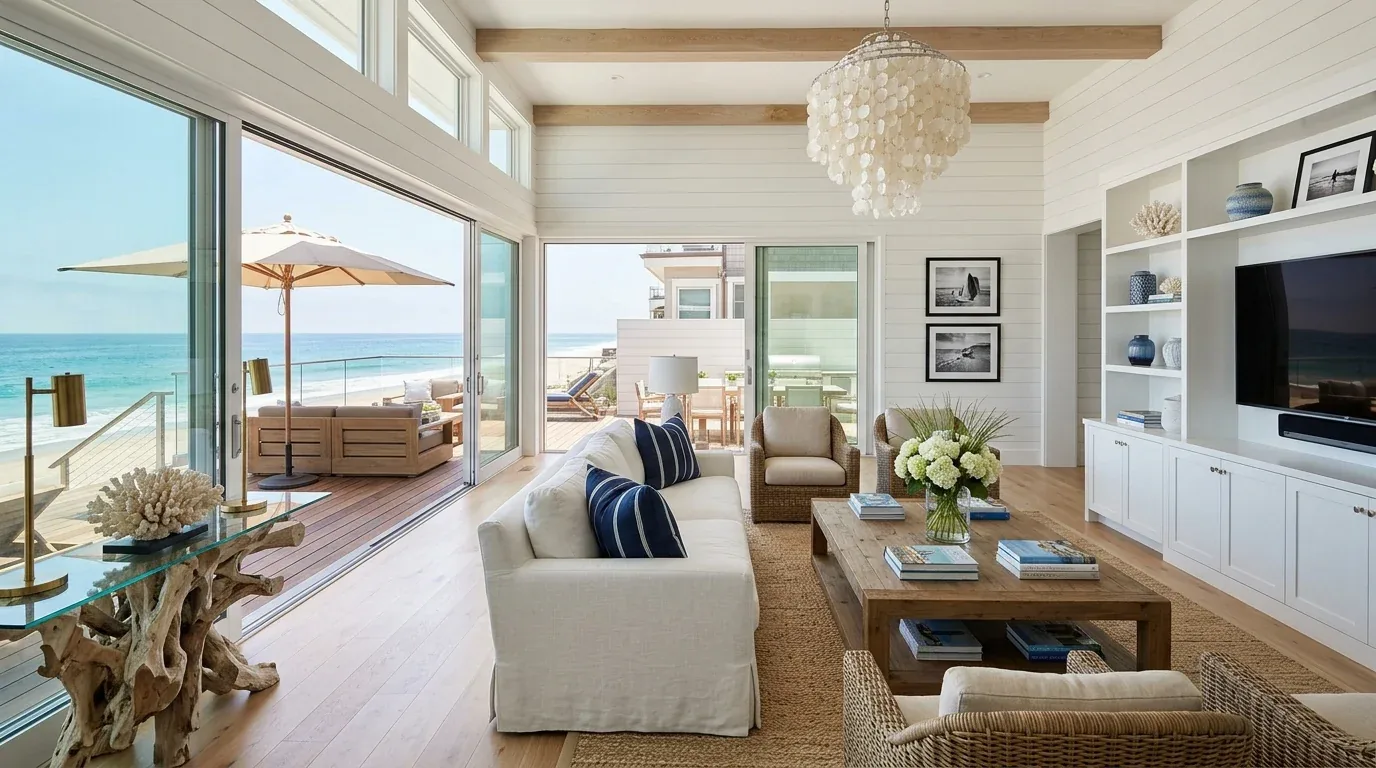
We focus on how rhythmic design shapes trends in 2026, emphasizing our practical experience. We cover selecting furniture and integrating natural light to create balance. For example, warm wood tones tie into big windows in a Folsom living room.
Direct Answers (Rhythm Gradation Interior Design)
| What design style fits my home's architecture? | Consider architectural features when choosing your design style. Detailed moldings in old homes work best with classic designs that highlight them. |
| How do I blend modern and traditional elements? | Mixing modern and traditional works well in Sacramento homes. Mixing modern and traditional styles, like a contemporary sofa with an antique rug, can create a balanced look. |
What is in and what is out for 2026: pattern, lighting, natural light, contrast, and 2 more
| Element | In | Out |
|---|---|---|
| Pattern | Consistent patterns | Random patterns |
| Lighting | Gradual lighting changes | Harsh lighting contrasts |
| Natural Light | Natural light integration | Overuse of artificial lights |
| Contrast | Balanced contrasting elements | Clashing decor styles |
| Furniture Placement | Rhythmic placement of decor items | Haphazard furniture arrangement |
| Color Transition | Deep color transitions | Sharp color changes |
Creating Flow through Rhythm
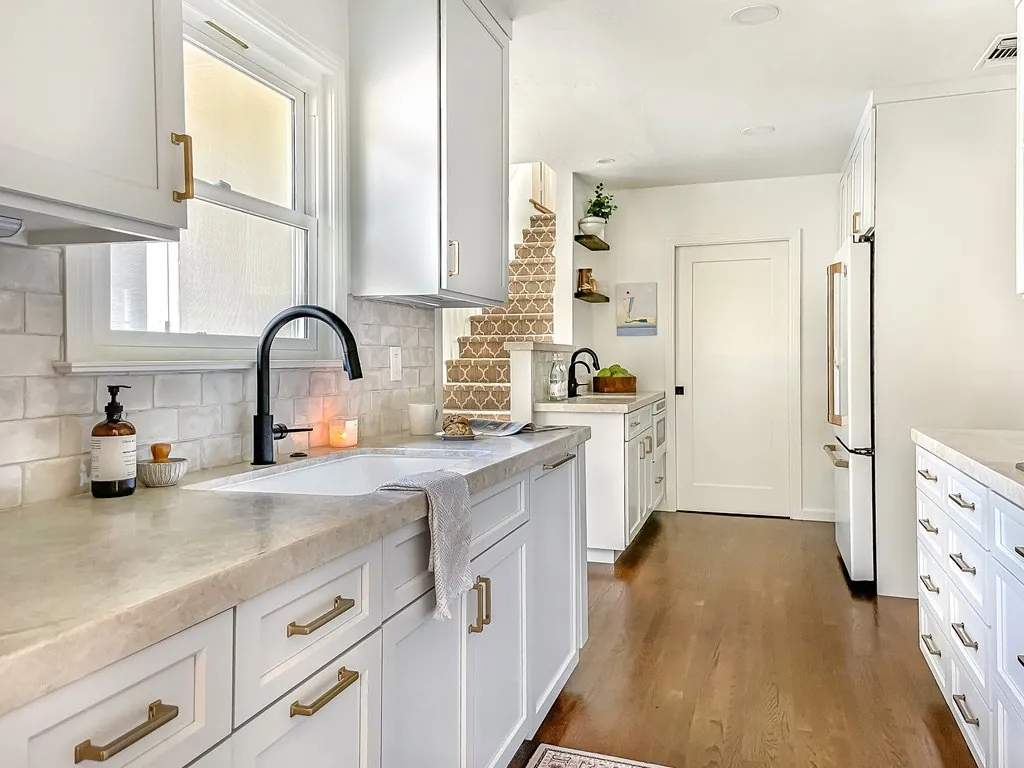
To make a space flow, use consistent patterns or colors that guide your eye. Navy tiles tie the kitchen backsplash to cabinet handles in El Dorado Hills. Patterned curtains, rugs, and pillows connect different parts of a room visually. White oak (rift-sawn), often used for flooring and slat detail, provides a calmer grain than plain-sawn options.
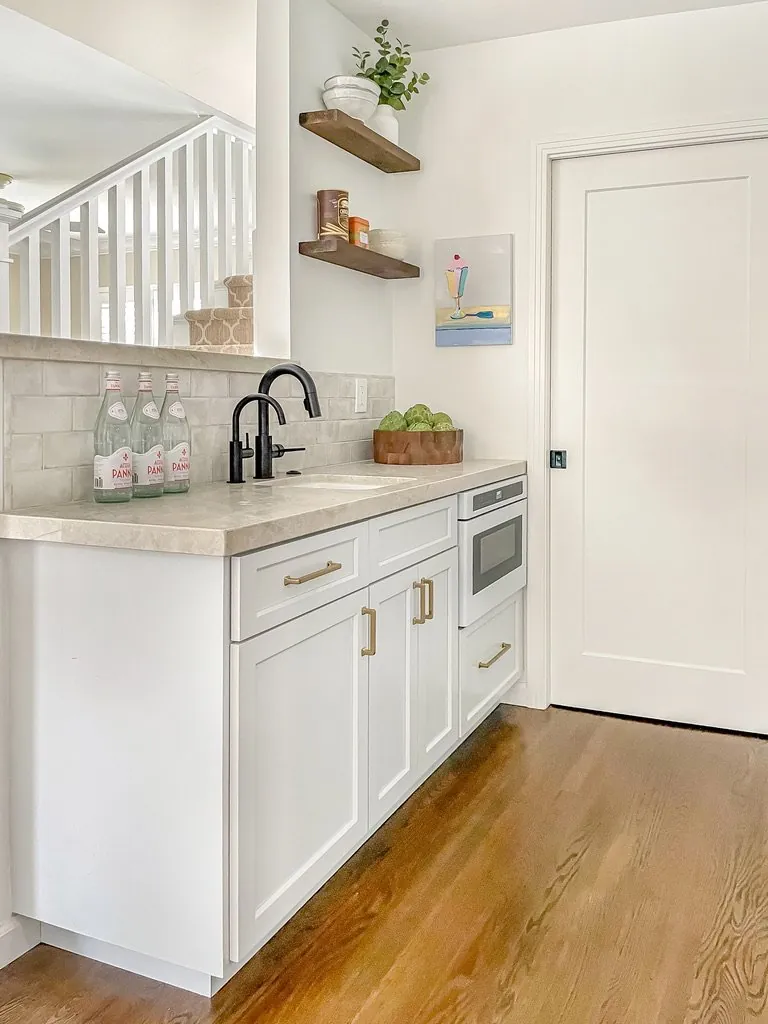
Consistent patterns enhance appeal without overwhelming the space in Sacramento projects. Wood and stone materials create a natural flow near Folsom Lake. For instance, using a repeating stone pattern in both the patio and living room.
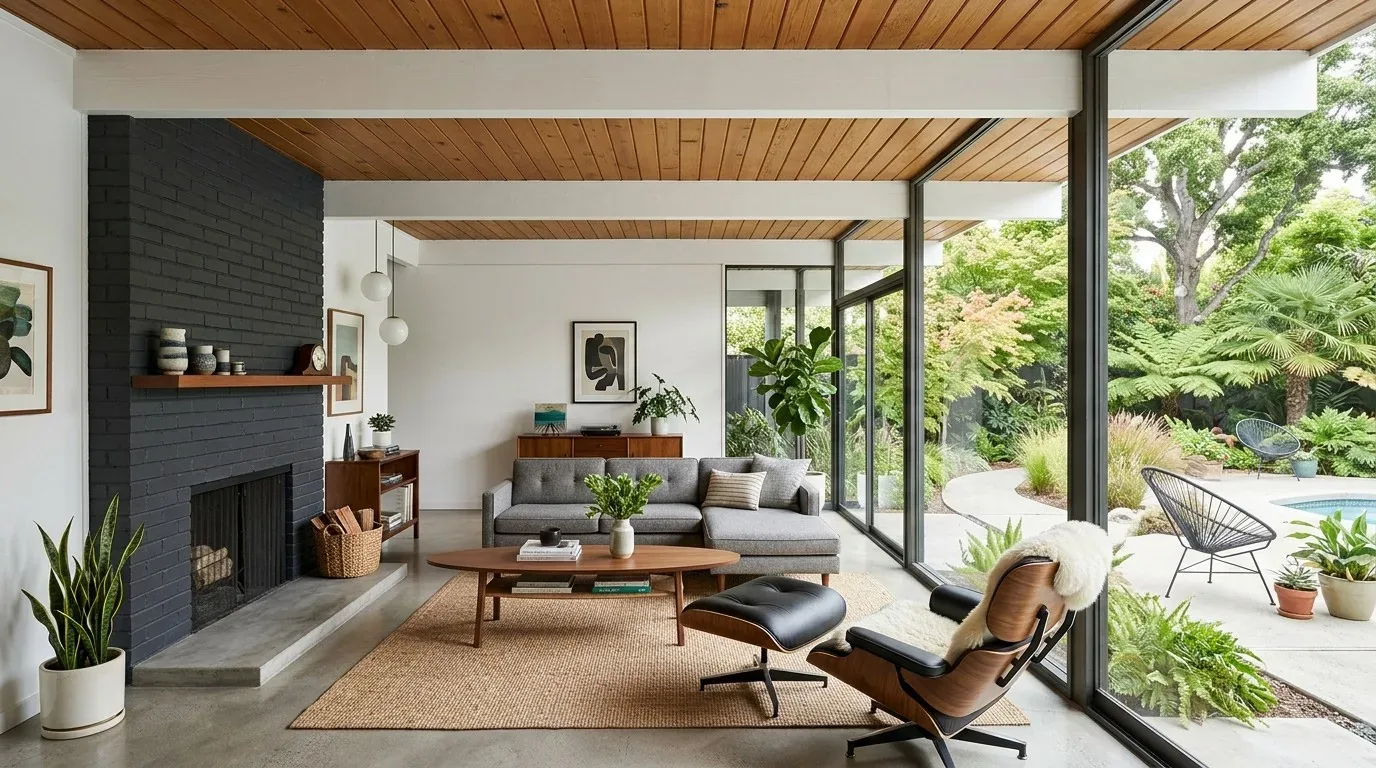
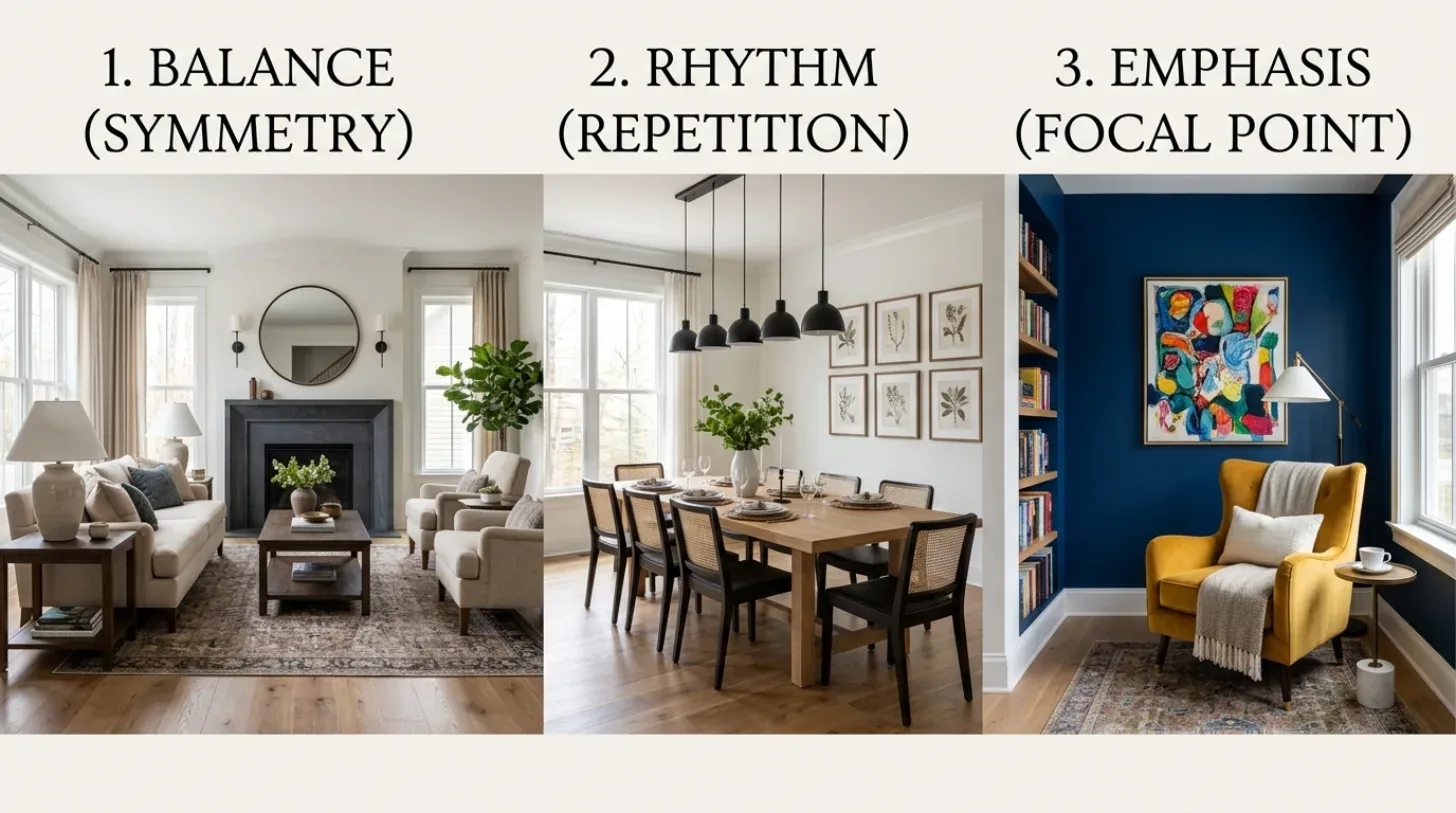
Examples of Rhythm Creating Flow Through Consistent Patterns
Repeating patterns create a sense of rhythm in design. In a Natomas dining area, patterned wallpaper guided the eye from the table setup to hanging art. Repeat a pattern across multiple elements like curtains and rugs to guide your eye throughout the room. In Sacramento’s homes, this works well with natural light integration through large windows. Patterns connect different parts of the home visually. Big windows bring light into this Folsom living room, making it feel deeper.Techniques for Applying Gradation in Lighting
Graduation in lighting is a powerful way to enhance depth and create visual interest within rooms. Recessed lighting in varying intensities guides the eye around. Natural light through big windows works well with gradual changes in Sacramento homes. Balancing artificial and natural lighting creates smooth transitions, like in an East Sac home with big patio doors.
Case Studies or Images Demonstrating Rhythm and Gradation
Real-world case studies and images provide practical examples of how rhythm and gradation are used in modern interior design. In living rooms, patterns can guide视线穿越空间。使用图案时,注意它们如何相互作用和引导视觉流动。这有助于创造一个连贯且吸引人的室内环境。 Gradual changes in lighting enhance depth without overwhelming daylight. Good design principles were used for a Del Paso Boulevard remodel.
Tips on Selecting Furniture and Decor Items
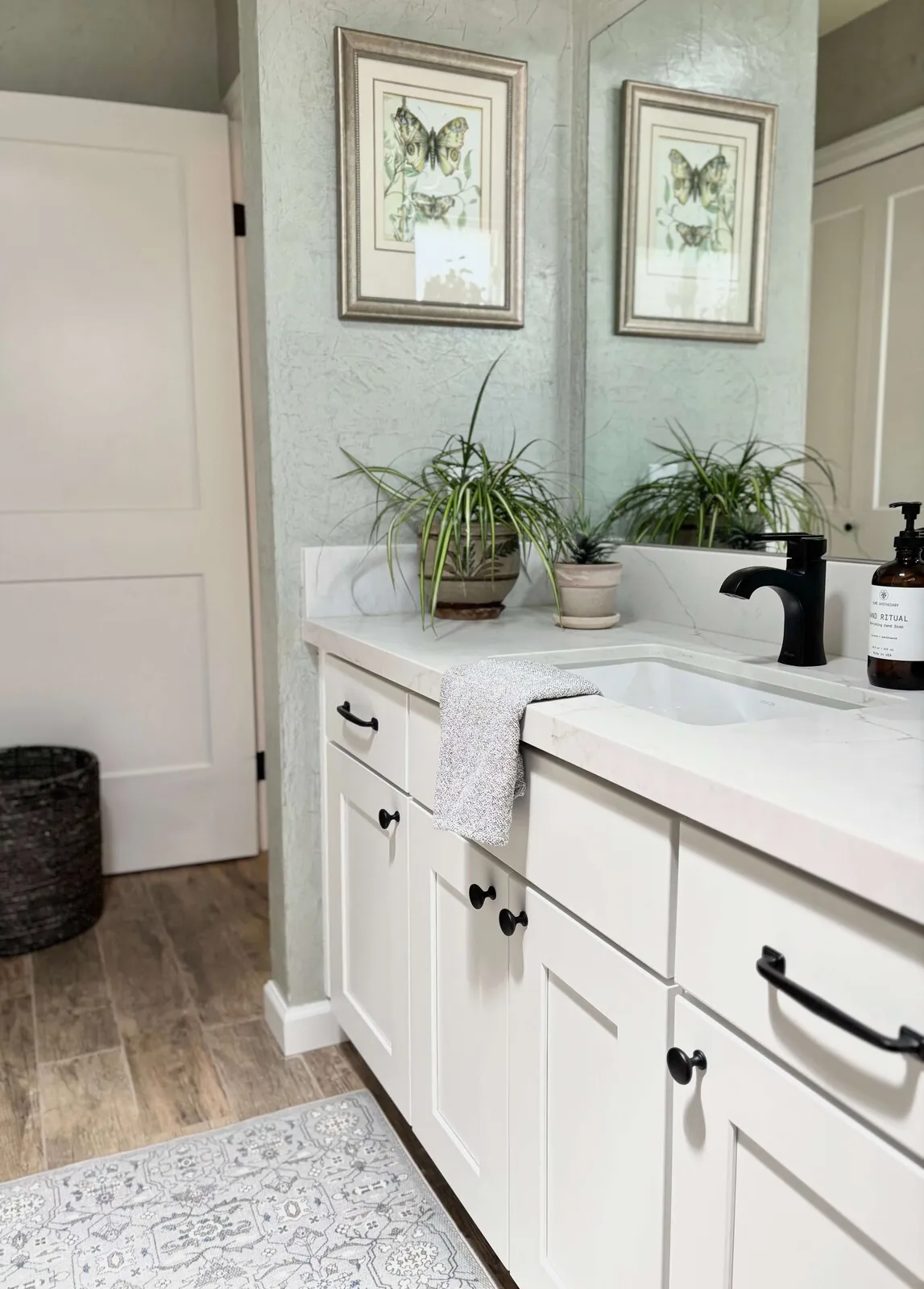
Arrange furniture and accessories rhythmically to create visual harmony. A sofa with patterned pillows looks classic in River Oaks. Balance your sofa fabric with matching throw pillows or rugs. These elements keep the room's design consistent. Matching indoor and outdoor spaces in Sacramento homes, like light fixtures and materials, works best.Balancing Contrasting Elements with Gradual Changes
When mixing contrasting decor in a dining room near Land Park, slow transitions prevent visual clutter. Pair dark wood with pastel walls for brightness and reflecting natural light. Contrast adds interest while natural light enhances depth without clutter.Common Mistakes in Rhythm Gradation Design: Overuse and Lighting Neglect
From our project debriefs and post-occupancy reviews, 2023-2026.
Overusing Contrasting Elements Creates Visual Overload
One common mistake is overusing contrasting elements, which can overwhelm a space. Too many patterns can overwhelm a room. Keep it simple.
Ignoring Natural Light Integration Leads to Lack of Depth
Neglecting to integrate natural light into your design can result in spaces that lack depth and dimension. Artificial lighting needs careful placement to look right.
Cost Ranges for Rhythm Gradation Projects: Refresh, Mid-Tier, and Estate-Scale
2026 planning ranges by scope. They bracket a budget; they are not a quote for a specific house.
| Scope | Typical range |
|---|---|
| Refresh scope description | $18K-$25K |
| Mid-tier scope | $50K-$75K |
| Estate-scale scope | $150K-$225K |
Sources & Professional References
This guide's positions on materials are grounded in published building-code, standards, and recognized design-authority sources, alongside Designed | Curated Interiors' verified credentials and active project files:
- American Society of Interior Designers (ASID): interior-design practice standards
- International Code Council (ICC): Chapter 8 Interior Finishes
- NKBA, Amy Kunst Member Profile (verified credential, NKBA Committee Member)
- Featured in: Good Housekeeping (storage and space-planning expert quotes, July 2026) · Homes & Gardens (design expert quote, May 2026) · Sacramento Love (guest author, 2024)
Related reading
- Sacramento & Bay Area Interior Design Services How we scope, source, and deliver work end to end.
- Interior Designer Hub, Sacramento Where most of our Sacramento work lives, the regional fit explained.
- Modern Tudor Homes Heritage-architecture renovation patterns from our project files.
- Japandi Living Room Design The 2026 warm-neutral playbook applied to the living room.