Rhythm links a room's elements. That’s the aim. Rhythm guides the eye. Your sight flows easily, like water down a stream. Think about flow. Repeating objects, gradual changes, it keeps us moving through the design.
This guide digs into rhythm types, how colors and textures play a role, and where things go wrong. Modern meets history in Sacramento. Nailed rhythm respects both.
Common Questions
| What is the role of rhythm in interior design? | Rhythm in design is the deliberate repetition and variation of elements—like lines, shapes, or materials—to create visual flow. Think of it as the cadence of a room: too much sameness feels flat, but too much chaos feels disjointed. In Sacramento’s historic bungalows, for example, rhythm often comes from built-in cabinetry and original woodwork, repeated with modern accents to keep it grounded. |
| How can I incorporate rhythm in my Sacramento home? | Start with hard surfaces: repeat a wood floor’s herringbone pattern in a rug or wall paneling, then vary it with a contrasting texture like a linen sofa or a matte black metal light fixture. For soft elements, layer textures—think a chunky wool throw over a sleek leather chair—while keeping the color palette tight. The key is balance: if you repeat a motif (like a geometric tile) in two spots, the third should break the pattern with something unexpected, like a live-edge table. |
| What regional factors influence rhythm in Sacramento interior design? | Sacramento’s mid-century modern homes and Craftsman details—exposed beams, deep overhangs, and built-ins—dictate a rhythm that’s restrained but layered. You’ll see this in the way original woodwork gets mirrored in custom millwork or how the city’s flat landscapes inspire open, airy layouts with deliberate focal points. Even in newer builds, we lean into this by using local reclaimed oak for cabinetry or repeating the scale of historic porch columns in modern furniture proportions. |
| How does furniture placement affect rhythm? | Furniture isn’t just about function—it dictates sight lines and the room’s perceived size. In a 12’x14’ Sacramento living room, for instance, placing a sectional perpendicular to the fireplace creates a cozier conversation area while keeping the sight line to the backyard open. Too much bulk in one corner (like a massive TV console) can make the space feel cramped; strategic placement pulls the eye through, making it feel larger. It’s not just about what you put in, but how you arrange it to control movement and focus. |
Rhythm In Interior Design 2026 at a Glance
| Element | In | Out |
|---|---|---|
| Tools & Techniques | Repetition and pattern as primary tools | Random placement of elements |
| Design Pitfalls | Dynamic progression through textures | Overly chaotic designs |
| Visual Impact | Subtle contrast for visual interest | Ignoring the room's flow |
| Balance & Harmony | Balanced harmony with contrast | Clashing patterns and colors |
| Color & Texture | Use of color to create movement | Lack of visual hierarchy |
| Flow & Movement | Natural flow guides the eye | Overly symmetrical arrangements |
| Design Mistakes | Avoiding visual clutter | Ignoring scale and proportion |
| Contrast & Scale | Overusing symmetry | Heavy contrast that disrupts flow |
| Spatial Flow | Ignoring scale and proportion | Ignoring natural sight lines |
Creating Cohesive Flow with Repetition and Alternation
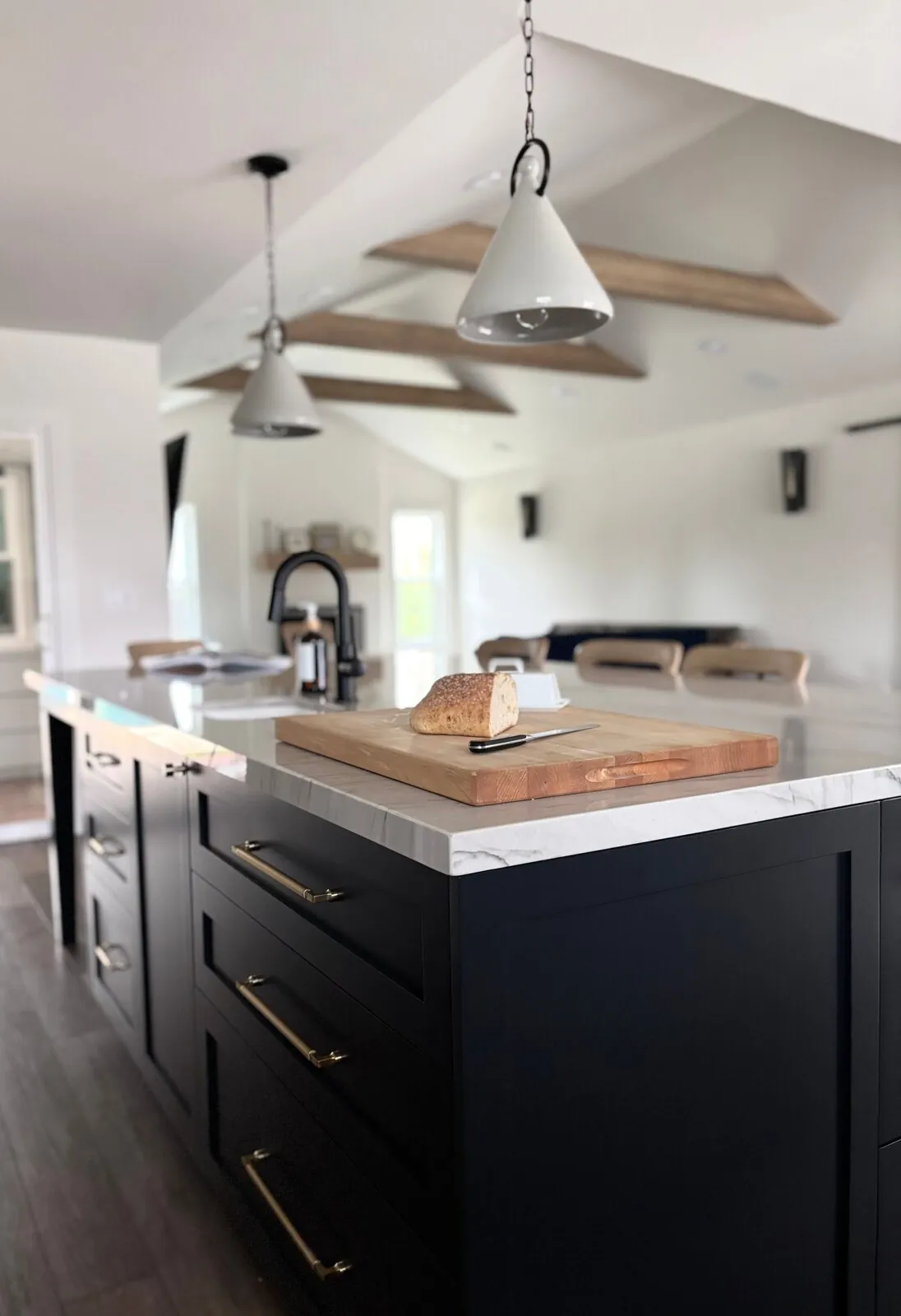
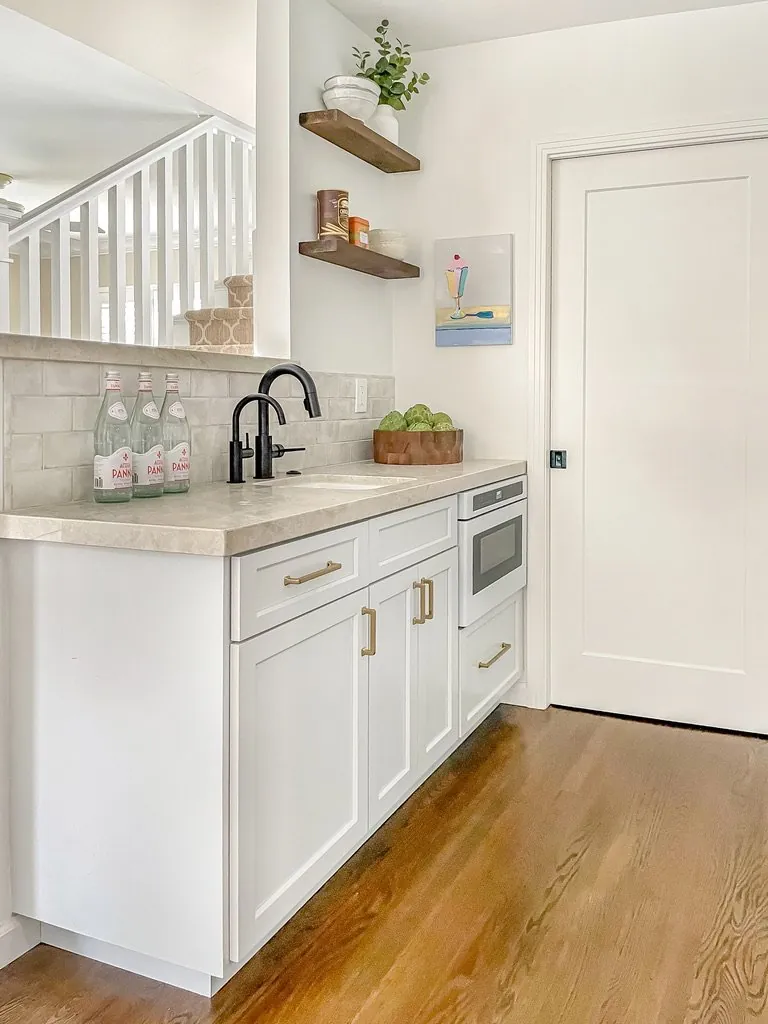
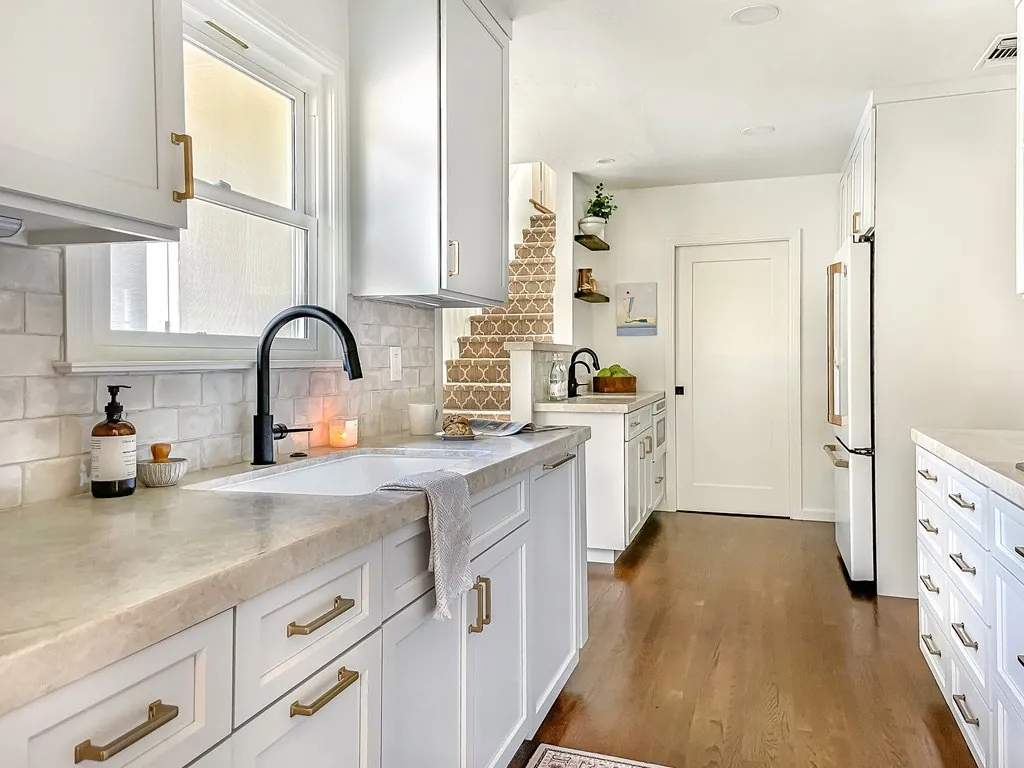
In our recent projects across Sacramento, we often start by establishing a rhythm through repetition of key elements like flooring patterns, lighting fixtures, or architectural details. Use the same finish on hardware throughout. Matte black or brushed nickel unify a room. Repetition in design feels familiar. It’s what makes spaces hang together.
Mix up textures. Wall panels with smooth paint. Patterns with solids. It’s all in the mix. Keep the eye moving gently. Avoiding chaos is key. Brocade Home and textured linen create subtle shifts. Matte ceramics, too. Rhythm needs balance. Too much order? Monotony. Too little? Chaos. Sacramento's historic homes complicate modern design.

Material Specificity for Enhancing Rhythm
Authenticity-grade materials
- White oak (rift-sawn), for floors and slat detail; calmer grain than plain-sawn
- Matte ceramic tiles, subtle texture that adds visual rhythm without overwhelming
- Textured linen, fabric that creates movement and interest in upholstery and curtains
- Brushed brass, warm metal finish that adds subtle reflection and continuity
- Soft matte paint, non-reflective walls that serve as a neutral background for rhythm
- Natural wool rugs, organic textures that anchor the space and enhance flow
- Glass pendants, light fixtures that create reflections and visual links
- Textured wallpaper, adds pattern and depth without cluttering the visual flow
Generic-grade tells we refuse to spec
- Low-quality laminate flooring, lacks texture and depth
- Glossy paint finishes, reflect light chaotically
- Smooth, synthetic textiles, flat and dull
- Plastic hardware, cheap and inconsistent
- Bright, neon lighting, disrupts subtle flow
- Overly patterned wallpaper, can create visual chaos
- Mass-produced furniture, lacks uniqueness and rhythm
- Synthetic rugs, cheap fiber and flat appearance

How to Use Rhythm to Guide the Eye Through a Space
Homeowners often ask how to create a visual journey within their rooms. First question: what's the focal point? What stands out? The answer influences how we develop rhythm. In a Sacramento living room, the fireplace stands out. Repeat textures and colors guide you to it. Matte black hardware repetition or a chain of light fixtures guides flow.
You need to understand sight lines and how people move. Mix up pattern sizes or textures subtly. Keep it interesting. Switch between big textiles and small accessories. Smooth transition. A room that pulls you along subtly, creating unity and flow.
Choosing the Right Fixtures and Products for Effective Rhythm
Selecting fixtures like range hoods, vanities, or lighting that support your desired rhythm is a common decision point. Sizing and specs matter. For a standard kitchen, 36-inch range works. Big space? Opt for 48-inch. First check: does ceiling height handle bigger fixtures?
We often compare custom with stock materials. Custom cabinets? They're precise, unique. Also pricey. Stock from Wayfair or local spots is cheaper and quicker. Fitting it into your design takes work. Think about style, budget, and product interactions. Tap those priorities to balance choices.
Should You Remodel or Rebuild to Achieve Your Desired Rhythm?
Sacramento homeowners often debate whether to rebuild or just remodel to refresh a room's rhythm. First up: what's the goal here? Maybe preserve character. Perhaps increase flow. Or modernize? Older homes around here get tricky. Layered additions mean fixing sight lines can beat a rebuild.
Take Eastwood. They wanted their living area more open. We thought, 'Let's remove that wall.' Then the laser and photos showed uneven floors, blocked views. Structural tweaks? Yes. Flow improved, character stayed. Understand spatial rhythm first. Often better for ROI than big rebuilds, especially with Sacramento's historic charm.
Common Mistakes That Disrupt Rhythm and How to Avoid Them
In our experience, common mistakes include overusing symmetry, ignoring scale, and cluttering the space with too many patterns. Busy wallpaper? Mismatched hardware? Big waste that clutters instead of complements. Ignoring sight lines? Huge regret. It wrecks flow, makes rooms feel choppy. Mess up proportion and scale, and you're paying twice for chaos.
Avoid pitfalls by keeping a consistent visual language. Mix things up without losing harmony. Use those site measurements, get sample boards to see how pieces fit before decisions are made. Rhythm is eye guidance, not overload. Avoid stacking too many details.
What's Going Out for 2026
- Overly chaotic arrangements
- Heavy reliance on symmetry without variation
- Ignoring scale and proportion
- Clashing patterns and textures
- Using too many bold colors at once
- Overly glossy finishes that reflect harshly
- Heavy visual clutter
- Ignoring sight lines
- Neglecting lighting's role in rhythm
- Inconsistent hardware finishes
What This Costs in 2026
| Scope | Typical range |
|---|---|
| Refresh scope with new fixtures, paint, and textiles | $15K-$35K |
| Mid-tier renovation with custom cabinetry, lighting, and layered textures | $60K-$120K |
| Estate-scale overhaul including structural adjustments, high-end finishes, and integrated lighting | $250K-$500K |
Working Notes
What We Have Learned Doing This: The 7 Principles of Interior Design: Rhythm
“Every budget has a hidden line item: the things nobody measured.”
Most of the money that gets wasted is spent solving the wrong problem confidently. A homeowner asks for more space, every contractor agrees and prices an addition, and the real issue turns out to be light, or proportion, or one bad sightline. We make the room tell us the problem before anyone signs a demolition contract.
A renovation is a dependency chain, not a list of tasks. A two-day cabinet delay quietly becomes a two-week slip by week sixteen because every trade downstream is holding a calendar. The least glamorous part of this work, and the most valuable, is keeping that chain from cascading.
Old houses lie, and so do new ones. A ten-year-old house? Don’t trust framing follows the plan exactly. 'It should work fine.' Trust us, we stopped believing that with old drawings or previous work ages ago. The budget needs a real line for what demolition will uncover, usually 15 to 20 percent once walls start opening.
These notes come from our own project debriefs. Most were learned the expensive way the first time.
Sources & Professional References
This guide's positions on materials are grounded in published building-code, standards, and recognized design-authority sources, alongside Designed | Curated Interiors' verified credentials and active project files:
- American Society of Interior Designers (ASID): interior-design practice standards
- International Code Council (ICC): Chapter 8 Interior Finish Decorative Materials And Furnishings
- NKBA, Amy Kunst Member Profile (verified credential, NKBA Committee Member)
- Featured in: Homes & Gardens (design expert quote, May 2026) · Sacramento Love (guest author, 2024)
From Principle to a Real Room
A trend piece is the briefing document, not the deliverable. The pages below show how we translate these principles into finished rooms across Sacramento and the rest of Northern California.
- Sacramento & Bay Area Interior Design Services How we scope, source, and deliver work end to end.
- Interior Designer Hub, Sacramento Where most of our Sacramento work lives, the regional fit explained.
- Modern Tudor Homes: Authentic, Revival, and Neo-Tudor (A Designer Reference) Heritage-architecture renovation patterns from our project files.
- Japandi Living Room: A Designer's Guide to the 2026 Look The 2026 warm-neutral playbook applied to the living room.
Part of our design fundamentals series. Rhythm is one of the core principles of interior design. See the complete guide to the principles of interior design, and how the elements of interior design put them to work together.