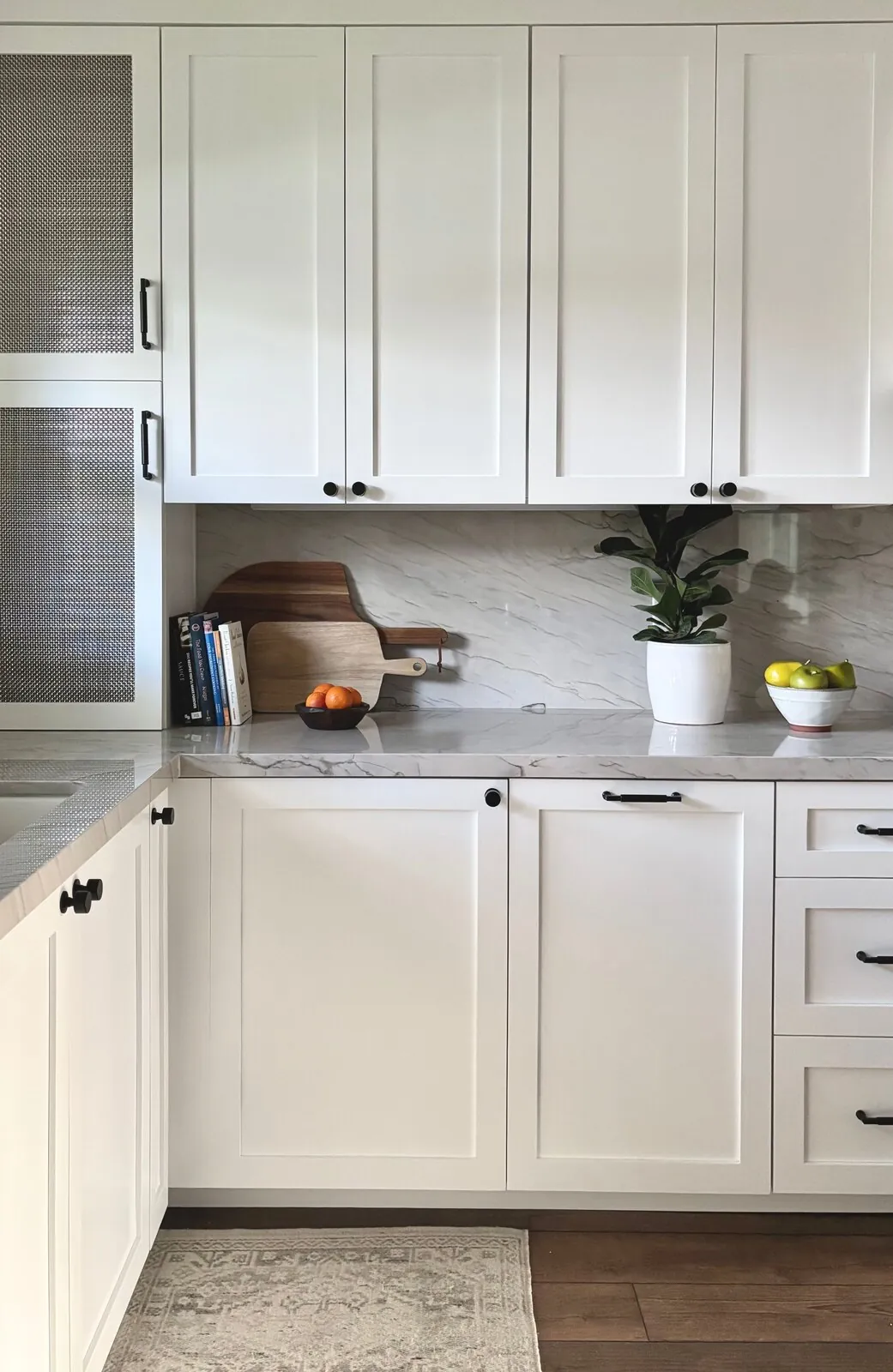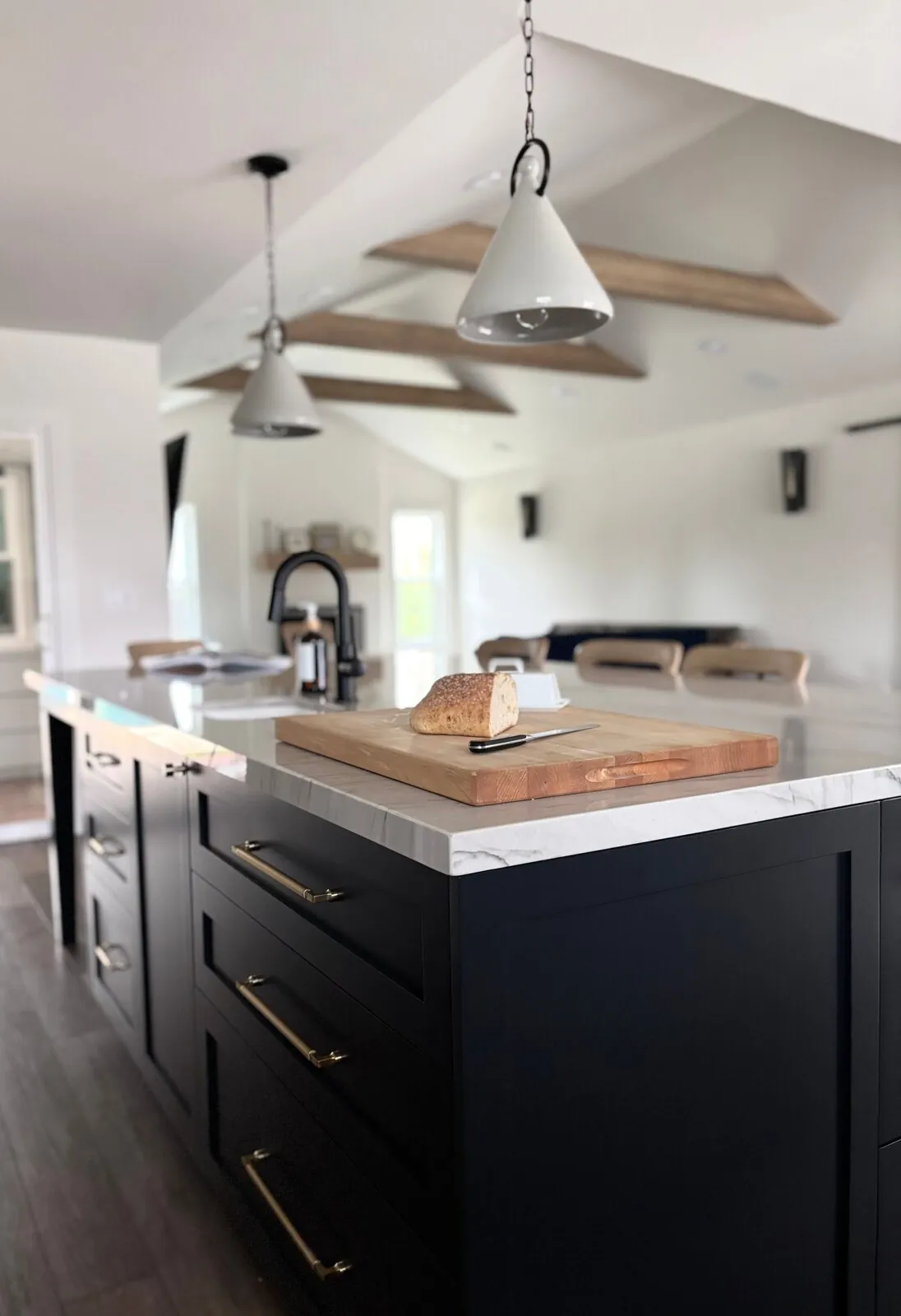
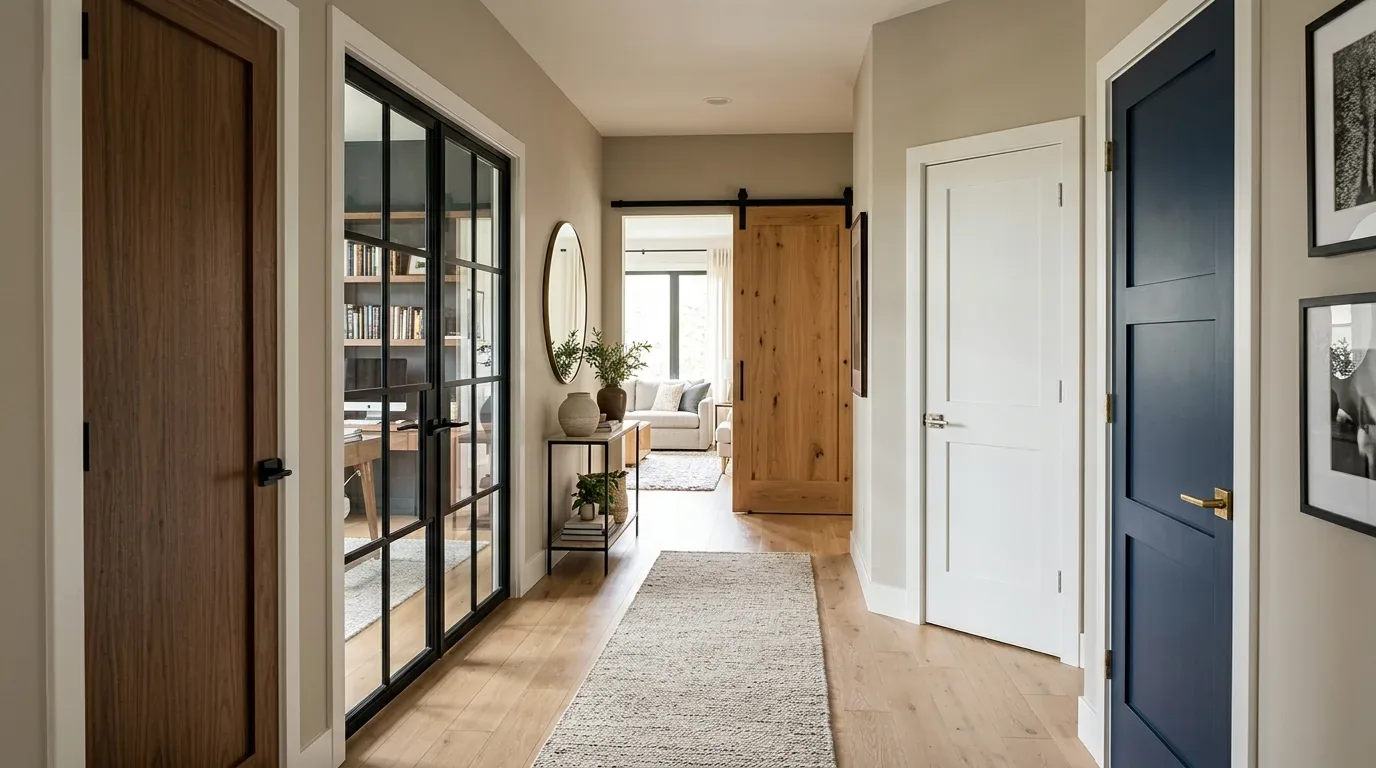
In 2026, the anticipated design trend for round nosing in staircases and countertops is a move toward softer, more integrated forms that blend seamlessly with modern minimalism. Round nosing designs will favor sleek, subtle curves crafted with innovative materials and eco-friendly finishes, emphasizing safety and aesthetic harmony. This evolution reflects a broader shift in interior design where safety, sustainability, and aesthetics intersect in sophisticated ways.
Built from our active project files, this guide explores the future of round nosing for 2026, focusing on emerging styles, materials, colors, and safety standards. We’ll also share expert predictions on how these trends will enhance modern interiors, especially in the Sacramento and Marin regions, blending restrained elegance with forward-thinking innovation.
Common Questions
| What is the future of round nosing design in 2026? | In 2026, round nosing will feature softer, integrated forms with sleek curves, using innovative eco-friendly materials that emphasize safety and aesthetic harmony. |
| How will materials for round nosing evolve by 2026? | Materials like recycled aluminum, bio-based composites, and low-VOC finishes will be popular, allowing for durable, safe, and environmentally responsible designs. |
| What safety standards are influencing round nosing trends in Sacramento for 2026? | Safety regulations are evolving to include slip resistance and edge safety, guiding the selection of profiles that meet these standards. |
| What design tips should homeowners consider for round nosing in 2026? | Homeowners should consider eco-friendly finishes, precise measurements, and profiles that blend safety with modern aesthetics, such as slim, rounded aluminum options. |
The Next Evolution: Sleek, Safe, and Sustainable Nosing
As we look toward 2026, the dominant design move for round nosing is a shift toward streamlined, minimalist profiles that prioritize safety and environmental responsibility. Across our active project specifications, we see a clear trend toward using innovative materials like recycled aluminum, bio-based composites, and low-VOC finishes that meet emerging eco standards. These materials allow for softer curves that are both durable and aesthetically pleasing, blending seamlessly with modern cabinetry and staircase designs.
Designers are increasingly favoring finishes that offer warmth and subtlety, think matte or satin textures in muted tones, helping the nosing integrate into the overall interior palette. The result is a more harmonious, understated look that emphasizes safety without sacrificing style. Brands like Formica and Wilsonart are expanding their eco-friendly product lines, making sustainable yet high-performance options more accessible for custom projects. The trend underscores a broader move in design, balancing elegance with responsibility, especially in urban settings where safety and longevity are paramount.
How to Choose the Right Round Nosing for Your Project
The first question homeowners ask is often about balancing safety with style. In 2026, the key decision involves selecting materials and profiles that meet safety standards without compromising the modern aesthetic. For example, choosing a slim, rounded aluminum profile can provide a sleek look while offering durability and slip resistance. The decision also hinges on the specific application, countertops, stairs, or thresholds, and the overall interior palette. We recommend considering eco-friendly finishes and smart material options that align with regional values and building codes.
Another critical aspect is the sizing. For instance, a 36-inch wide kitchen range calls for a nosing that extends at least 0.75 inches beyond the edge of the countertop, with a radius that ensures safety in high-traffic areas. In Sacramento, safety regulations are evolving to incorporate new standards for slip resistance and edge safety, making the choice of profile even more crucial. Our experience shows that early planning and precise measurements can prevent costly modifications later, saving homeowners thousands and ensuring a cohesive look that lasts.
Selecting Materials That Future-Proof Your Nosing
The second major decision involves material selection. Homeowners and designers in Sacramento are increasingly favoring recycled aluminum and bio-based composites for their sustainability and safety features. These materials can be formed into thin, elegant profiles that resist wear and environmental damage. The American Society of Interior Designers emphasizes the importance of sustainable choices, especially in regions like Sacramento where environmental impact is a key concern.
Choosing low-VOC finishes and natural oils enhances indoor air quality and aligns with local eco-conscious standards. Additionally, smart blends of recycled metals and bio-resins are becoming more affordable and accessible, allowing for customized profiles that meet both aesthetic and safety needs. The trend toward eco-friendly, high-performance materials ensures that future nosing designs will be both beautiful and responsible, fitting seamlessly into the region's architectural landscape. Watch for non-sustainable, high-VOC finishes.
Integrating Safety and Aesthetics in Modern Nosing Designs
The third critical decision point is how to balance safety features with aesthetic appeal. In 2026, the trend is toward profiles that are not only sleek and integrated but also incorporate safety enhancements like slip-resistant surfaces and rounded edges. The growth of smart safety standards means that nosing profiles will often include embedded non-slip coatings or textured finishes that are subtle yet effective.
In Sacramento’s diverse housing stock, combining these features with minimalist profiles creates a look that is both timeless and forward-looking. The key is choosing profiles that do not visually dominate the space while providing maximum safety. Designers are experimenting with recessed profiles and soft edge curves that blend into the overall interior design, creating a cohesive, stylish environment that also prioritizes well-being.
Key failures in round nosing projects due to material and safety oversights
From our project debriefs and post-occupancy reviews, 2023-2026.
Ignoring material compatibility in high-moisture environments
One common failure we see is selecting materials that are incompatible with the environment or the intended use. For example, using traditional hardwood nosing in outdoor or humid areas without proper treatment can lead to warping or deterioration, resulting in costly repairs. The cure is to choose materials specifically designed for the application, such as bio-resins or recycled aluminum for high-moisture zones. Proper planning and understanding material behavior are crucial to avoid premature failure and ensure longevity in Sacramento’s variable climate.
Neglecting updated safety standards for slip resistance and edge protection
Another mistake is neglecting emerging safety standards, especially in high-traffic or family-oriented spaces. Profiles that lack slip resistance or have sharp edges pose safety risks, leading to potential injuries and liability. The remedy is to specify profiles with embedded safety features, such as textured surfaces or rounded edges, aligned with the latest building codes. Staying informed through authoritative sources like the American Society of Interior Designers helps ensure compliance and peace of mind.
Sources & Professional References
This guide's positions on materials are grounded in published building-code, standards, and recognized design-authority sources, alongside Designed | Curated Interiors' verified credentials and active project files:
- American Society of Interior Designers (ASID): interior-design practice standards
- International Code Council (ICC): Chapter 8 Interior Finish Decorative Materials And Furnishings
- NKBA, Amy Kunst Member Profile (verified credential, NKBA Committee Member)
- Featured in: Homes & Gardens (design expert quote, May 2026) · Sacramento Love (guest author, 2024)
Related reading
- Sacramento & Bay Area Interior Design Services How we scope, source, and deliver work end to end.
- Interior Designer Hub, Sacramento Where most of our Sacramento work lives, the regional fit explained.
- Modern Tudor Homes: Authentic, Revival, and Neo-Tudor (A Designer Reference) Heritage-architecture renovation patterns from our project files.
- Japandi Living Room: A Designer's Guide to the 2026 Look The 2026 warm-neutral playbook applied to the living room.