Finding a professional interior designer in Stockton who understands your style and budget is your top priority. Professional Stockton interior designers offer tailored, regionally informed services that align with your vision and the city’s unique architectural landscape.
Built from our active project files, this guide explores the top-rated designers in Stockton, their specialties, pricing structures, visual portfolios, and how to connect with them. We focus on providing clear insights into the region’s design scene, emphasizing portfolios and real project examples that showcase Stockton-based work, all within a warm, designer-perspective lens that guides you to make confident decisions in 2026.
Common Questions
| What should I look for in a Stockton interior designer? | Prioritize designers with a proven track record in Northern California residential projects, particularly in San Joaquin County and surrounding areas, where local building codes and permit processes can vary by jurisdiction. Their portfolio should reflect experience with mid-century modern updates, Craftsman-style renovations, and adaptive reuse of historic Stockton homes—common in the area’s architectural fabric. Ask for references from clients in similar neighborhoods, where material selection and spatial planning often align with the region’s climate and lifestyle demands. |
| How can a Stockton interior designer help with permits? | A designer familiar with Stockton’s municipal code—including setback requirements, ADU regulations, and heritage preservation districts—will flag permit hurdles before you submit plans. For example, they’ll confirm whether your project triggers a full architectural review (common in downtown Stockton) or if a simpler permit suffices for interior finishes. They’ll also coordinate with your contractor to ensure inspections align with the timeline, avoiding costly delays. |
| What design styles are popular among Stockton interior designers? | Stockton’s design scene leans into the area’s agricultural and industrial roots, with reclaimed barn wood (often Douglas fir or redwood) as a staple in kitchens and living areas, paired with locally quarried stone like Sierra granite for countertops or fireplaces. Handcrafted ceramics from regional potters—such as those in nearby Lodi—appear in bathrooms and entryways, while open shelving and exposed ductwork nod to the city’s adaptive-reuse projects. Modern farmscape aesthetics, blending rustic textures with clean lines, dominate new builds in suburban areas like Land Park. |
| When should I hire a Stockton interior designer for my project? | Bring a designer on board *before* demolition or material purchases, especially for projects involving load-bearing walls, plumbing relocations, or historic fabric retention—areas where Stockton’s code enforces strict compliance. For instance, a designer can specify code-compliant cabinetry early (e.g., 36-inch-wide corridors for wheelchair access in Universal Design projects) and source materials that meet local seismic or fire-resistance standards. Early involvement also mitigates surprises during inspections, such as unpermitted electrical upgrades that add 15–25% to labor costs. |
The First Major Design Move in Stockton Homes
Across our active project specifications, the first move often involves defining a compelling focal point that grounds the space in Stockton’s regional character. Try a timber wall or a unique fireplace. Local art could work too. Use reclaimed wood, warm stone, and handcrafted ceramics to reflect Stockton's historic architecture.
In several recent projects, selecting the right focal element set the tone for the entire design. We prioritize authentic textures and finishes, like white oak flooring with a rift-sawn grain or hand-blown glass fixtures, which provide a sense of permanence and regional authenticity. Mix heritage with modern touches. Make it timeless and personal. Our goal is to craft interiors that resonate with Stockton’s unique aesthetic while ensuring functionality and long-term value.
Why Stockton’s Regional Character Shapes Interior Design Trends
Stockton’s architectural and landscape context makes regional authenticity a key driver in interior design. Craftsman homes need updates that honor original work. The area’s light shapes design here. Warm, natural materials, and outdoor links suit Stockton.
We use local materials. They echo Stockton's history. Think reclaimed wood or stone. They blend with modern features. Know Stockton style for authentic, valuable interiors. To explore regional design options, visit our regional design hub for more insights on Stockton’s unique aesthetic.
Our local insights help your interior reflect Stockton’s history and landscape, creating a space that's genuinely yours.
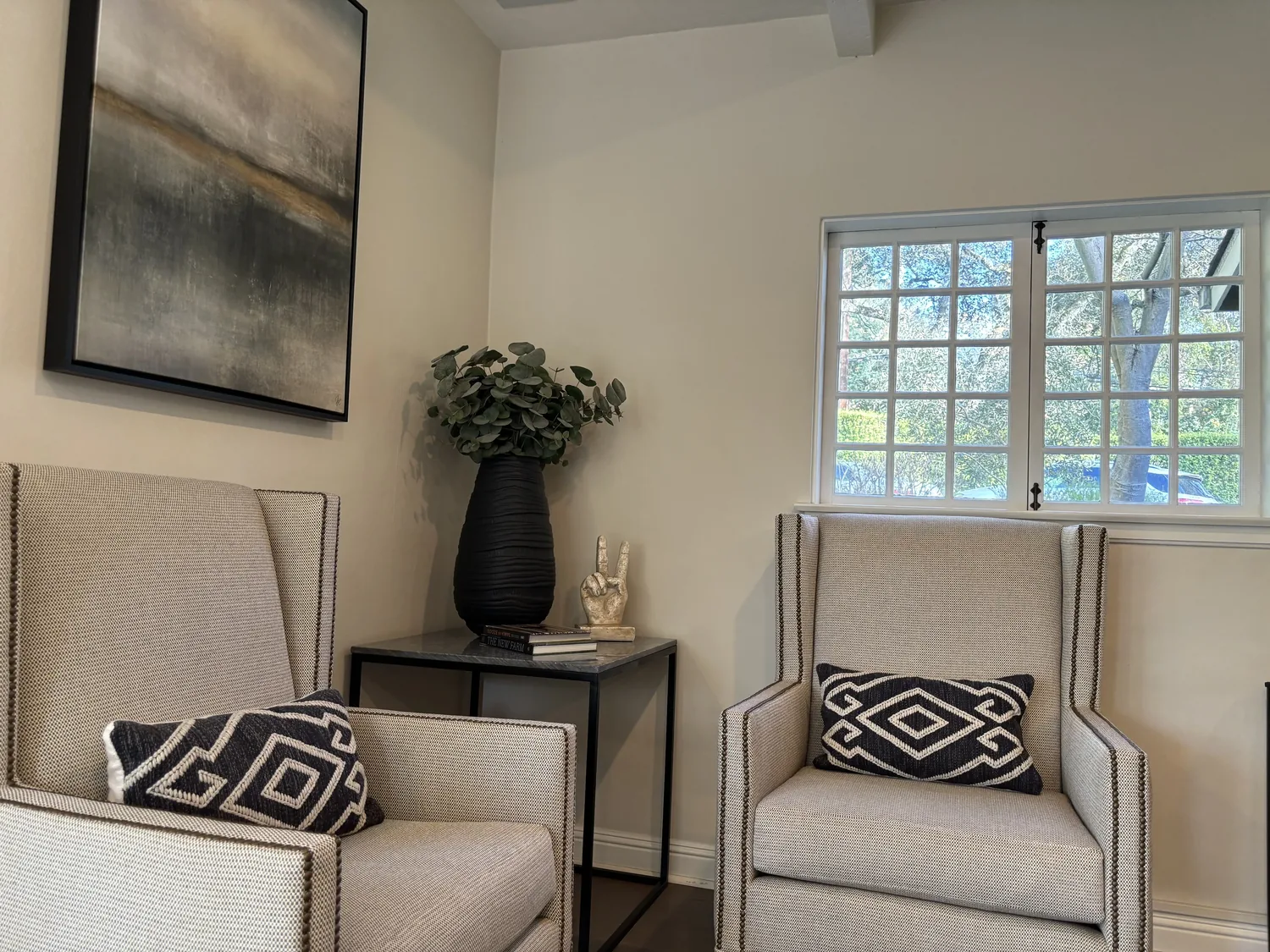
Should You Remodel or Rebuild in Stockton?
The first question Stockton homeowners often face is whether to remodel an existing home or pursue a rebuild. Think about your home's age. If the structure's solid, remodel to keep Stockton's style. Bad foundation? Rebuild could be smarter.
Know your local permits. Stockton's Development office explains permits. This affects timing and costs. Kitchen remodels here can be $50k-$150k. Rebuilds go higher, $200k-$400k. Work with a local designer. They match your project to your life and investment. Consider the ROI of each approach, especially in neighborhoods where historic charm adds value.
Cost ranges by scope: Stockton interior projects
2026 planning ranges by scope, Stockton / Bay Area against Sacramento. They bracket a budget; they are not a quote for a specific house.
| Scope | Stockton / Bay Area | Sacramento |
|---|---|---|
| Refresh scope for Stockton interior projects | $30K-$70K | $20K-$50K |
| Mid-tier renovation or redesign | $75K-$200K | $50K-$150K |
| Estate-scale redesign or rebuild | $300K-$600K | $200K-$400K |
Local permits & planning
Sources & Professional References
This guide's positions on materials are grounded in published building-code, standards, and recognized design-authority sources, alongside Designed | Curated Interiors' verified credentials and active project files:
- American Society of Interior Designers (ASID): interior-design practice standards
- International Code Council (ICC): Chapter 8 Interior Finishes
- Community Development, Stockton (San Joaquin County) building permit portal
- NKBA, Amy Kunst Member Profile (verified credential, NKBA Committee Member)
- Featured in: Homes & Gardens (design expert quote, May 2026) · Sacramento Love (guest author, 2024)
Related reading
- Sacramento & Bay Area Interior Design Services How we scope, source, and deliver work end to end.
- Interior Designer Hub, Stockton Where most of our Stockton work lives, the regional fit explained.
- Modern Tudor Homes: Authentic, Revival, and Neo-Tudor (A Designer Reference) Heritage-architecture renovation patterns from our project files.
- Japandi Living Room: A Designer's Guide to the 2026 Look The 2026 warm-neutral playbook applied to the living room.