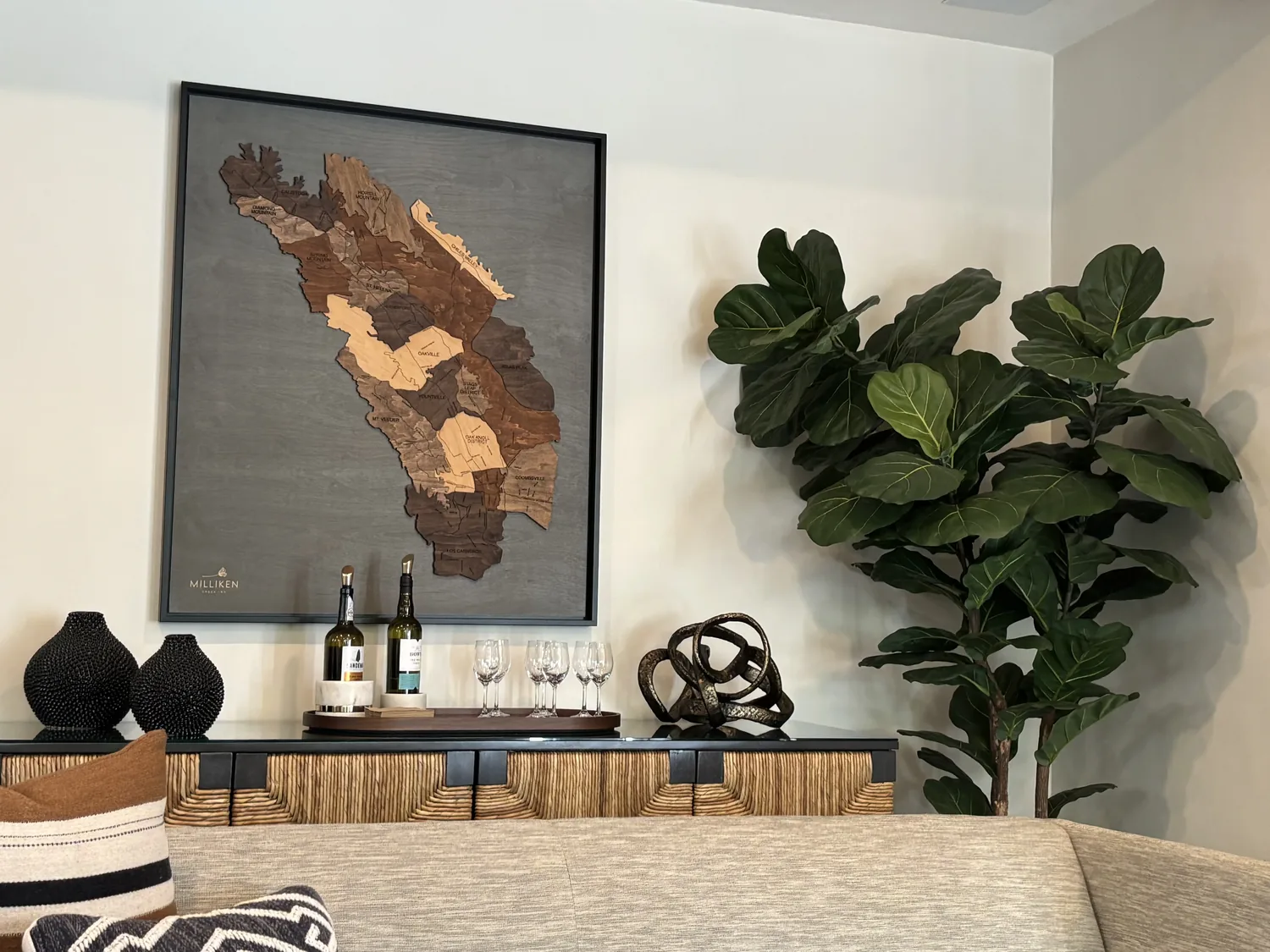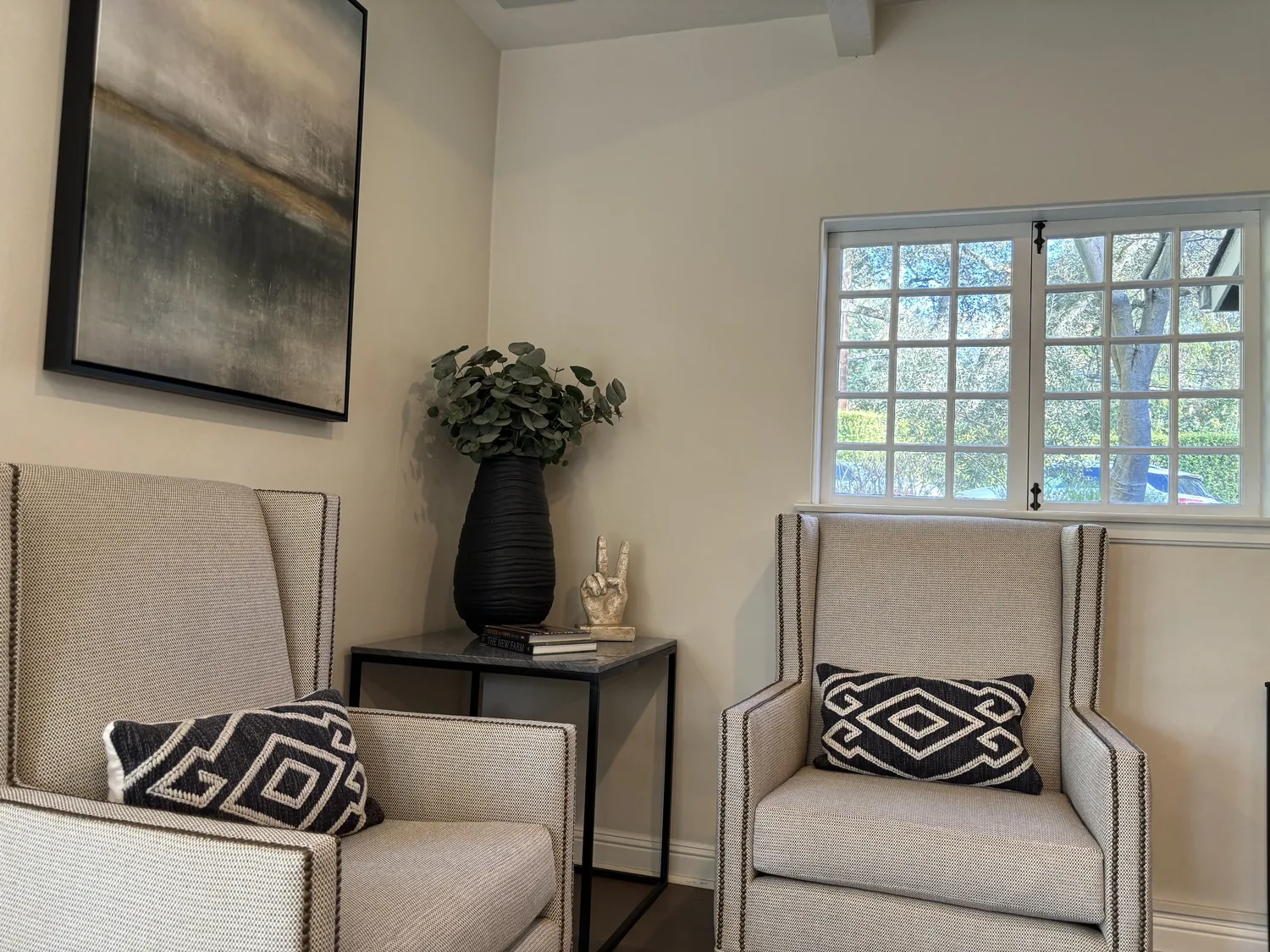
Creating an eclectic interior that successfully blends vintage and contemporary elements starts with understanding how to balance contrasting styles without overwhelming the space. The key is to achieve a harmonious mix that feels intentional rather than chaotic. Eclectic design is about combining old and new pieces in a way that highlights their unique qualities while still feeling cohesive.
Built from our active project files, this post will explore practical techniques for mixing styles, selecting harmonious color palettes, and unifying contrasting textures and materials. We will also cover common pitfalls to avoid and provide actionable, step-by-step guidance to help you craft an eclectic interior that feels curated and comfortable, with a warm-restraint perspective that respects both timeless appeal and modern sensibilities.
Direct Answers (The Art Of Mixing Old And New Creating Eclectic Interiors)
| What are some key principles for mixing old and new creating eclectic interiors? | Achieve balance by starting with a neutral palette, unifying contrasting styles through proportion, materials, and textures, and framing vintage pieces with contemporary decor. |
| How can I ensure cohesion when blending vintage and modern elements in my Sacramento home? | Use a neutral or subdued color palette as a backdrop, consider scale and proportion, and incorporate materials like natural woods and textured fabrics to unify the space. |
| When is it better to keep vintage pieces rather than replace them in eclectic interior design? | If vintage pieces add warmth, texture, and character, work with them by framing or pairing with modern elements, rather than rushing to replace them. |
| What regional factors in Sacramento influence eclectic interior design choices? | Sacramento's diverse architectural styles and natural landscape support bolder contrasts and layered textures, making eclectic mixing accessible and fitting for local homes. |
Achieving Cohesion Through Thoughtful Pairing
One of the first major moves in blending vintage and contemporary styles is to establish a unifying element that ties the space together. Across our active project specifications, we often recommend starting with a neutral or subdued color palette, such as soft beiges, warm greys, or muted pastels, which serve as a backdrop for eclectic pieces. This palette acts as a visual anchor, allowing diverse styles to coexist without creating dissonance.
Next, consider the scale and proportion of your furniture and decor. For example, pairing a sleek modern sofa with a vintage wooden coffee table works best when their sizes complement each other. The American Society of Interior Designers emphasizes maintaining balanced proportions to prevent one style from overpowering another. Incorporating materials like matte metals, natural woods, and textured fabrics can further unify contrasting styles and create a layered, inviting look. Think of it as a curated collection where each piece has its space but contributes to the overall harmony.

Material Specificity for a Cohesive Look
Authenticity-grade materials
- White oak (rift-sawn), for floors and slat detail; calmer grain than plain-sawn
- Brushed brass, soft, warm metallic finish that pairs well with both vintage and modern styles
- Linen fabric, natural, textured, versatile for upholstery and drapery
- Reclaimed wood, authentic vintage material that adds character and warmth
- Matte black metal, modern contrast element that grounds vintage pieces
- Porcelain tile, durable, clean look for floors or backsplashes that complements eclectic decor
- Vintage glass, for lighting fixtures or accents, adding sparkle and history
- Natural stone, such as travertine or limestone, for durability and timeless appeal
Generic-grade tells we refuse to spec
- Veneer finishes, often fake or low-quality
- Glossy plastics, look cheap and dated
- Bright synthetic fabrics, overly shiny or synthetic textures
- Mass-produced laminates, lack authenticity
- Bright chromes, can clash with vintage warmth
- Overly uniform materials, lack visual interest
- Low-grade MDF, weak and prone to damage
- Fake stone or faux finishes, lack real texture and depth

Should You Remodel or Rebuild in Sacramento?
Deciding whether to remodel an existing home or rebuild in Sacramento hinges on the home's age, structure, and your desired outcome. The first question we ask is: What decision are you struggling to make about this space? Often, homeowners want to preserve character-rich features but worry about outdated layouts or materials. Across our active projects, we see that a full rebuild can be costly and disruptive, especially in neighborhoods with older housing stock.
For example, in a recent project, homeowners assumed they needed a complete rebuild to modernize their Craftsman-style home. The contractor proposed tearing down and starting fresh, citing structural limitations. Using a laser level and site photos, I discovered the existing foundation was sound and the architectural integrity could be preserved with thoughtful updates. We focused on reconfiguring interior walls, upgrading systems, and restoring vintage details, which saved over half the cost of a rebuild. The lesson is that a strategic remodel often yields better ROI and preserves neighborhood character, especially in Sacramento where many homes have good bones. Always consult local permit authorities at Sacramento’s permit page before making final decisions.
What Adds the Most Value in Sacramento? A Practical Guide
Maximizing value in Sacramento involves balancing aesthetic appeal with functional upgrades that resonate with local buyers. The first step is understanding what upgrades deliver the best ROI. Across our projects, kitchen and primary suite renovations consistently rank high, especially when combining vintage charm with modern amenities. For a typical project, consider a ROI table like this:
- Kitchen upgrade: $50K-$80K, ROI 70-80%
- Primary suite refresh: $30K-$50K, ROI 60-70%
- Additions or ADUs: $150K-$250K, ROI 50-60%
- Smart home features: $10K-$30K, ROI varies
In Sacramento, updating a vintage home with subtle modern touches can significantly boost market value without sacrificing character. The key is to select upgrades that enhance both style and functionality, such as installing energy-efficient windows or restoring original woodwork while integrating smart thermostats. For more detailed insights tailored to Sacramento’s real estate market, see our local interior design guide.
The Mistakes That Make Eclectic Interiors Look Cheap
One common pitfall is overloading a space with mismatched items that lack a cohesive theme. The biggest waste is choosing vintage pieces solely for their charm without considering scale or style compatibility. The biggest regret we see is neglecting proportion, resulting in a cluttered or unbalanced look. Hidden costs often come from purchasing low-quality materials or over-accessorizing, which quickly diminishes the space's overall sophistication. To avoid these mistakes, focus on selecting a few statement vintage pieces and pairing them thoughtfully with contemporary furniture, using neutral or restrained color palettes as a backdrop. Layer textures carefully to add depth without overwhelming the senses. Remember, eclectic design is about curated contrast, not chaos.
Observed Failure Modes, How The Art Of Mixing Old And New Creating Eclectic Interiors Goes Wrong
From our project debriefs and post-occupancy reviews, 2023-2026.
Overloading the Space with Mismatched Items
A frequent failure we see is attempting to mix too many styles or eras without a clear unifying element. This often results in a space that feels chaotic rather than curated. The symptom is visual overload, with no focal point or sense of flow. The cure is to establish a neutral or cohesive backdrop first, then add vintage and modern pieces gradually, ensuring each piece complements the others in scale and tone. Simplify your palette and focus on a few key statement items that anchor the room. This approach helps maintain warmth and personality without sacrificing harmony, especially in Sacramento’s diverse housing stock where homes often feature a mix of eras.
Ignoring Scale and Proportion
Another common mistake is mismatched scale between vintage and contemporary furniture, making the space feel off-balance. For example, pairing a small vintage side table with a large sectional can look awkward. The solution is to measure carefully and select pieces that relate well in size. Use a tape measure or cardboard mockups to test spatial relationships before purchasing. Maintaining proportion ensures that vintage charm does not clash with modern furniture, creating a balanced and inviting environment. In Sacramento, where homes vary widely in size and layout, proportionate design is key to achieving an eclectic look that feels natural and intentional.
Failing to Unify Textures and Materials
Contrasting textures and materials are at the heart of eclectic design, but failure to coordinate them can lead to a disjointed appearance. For instance, pairing shiny plastics with antique wood without a unifying element can look cheap. To fix this, select materials that share a common undertone or finish, such as matte metals paired with distressed wood. Layering textures like linen, wool, and raw stone adds depth without chaos. In Sacramento’s climate and architectural context, using natural materials with authentic finishes enhances the cozy, layered aesthetic that defines successful eclectic interiors.
Neglecting Focal Points
Without a clear focal point, eclectic spaces can feel scattered. The first step is to identify a feature that anchors the room, such as a vintage fireplace or a large piece of artwork. Arrange furniture around this element and use lighting to highlight it. This creates a visual anchor that guides the eye and organizes the space. In Sacramento, where many homes have historic features, highlighting these as focal points enhances the eclectic mix while respecting architectural character.
What's Going Out for 2026
- Cluttered collections without cohesion
- Overuse of bright, synthetic finishes
- Mismatched furniture proportions
- Ignoring material harmony
- Using too many bold colors without restraint
- Failing to establish focal points
- Mixing styles without a unifying palette
- Choosing low-quality vintage pieces
What The Art Of Mixing Old And New Creating Eclectic Interiors Costs in 2026
| Scope | Typical range |
|---|---|
| Refresh scope including new upholstery, minor furniture updates | $15K-$35K |
| Mid-tier renovation with new furnishings, paint, lighting | $40K-$100K |
| Estate-scale overhaul including custom millwork and extensive updates | $150K-$400K |
Working Notes
What We Have Learned Doing This: The Art of Mixing Old and New Creating Eclectic Interiors
“Every budget has a hidden line item: the things nobody measured.”
Most of the money that gets wasted is spent solving the wrong problem confidently. A homeowner asks for more space, every contractor agrees and prices an addition, and the real issue turns out to be light, or proportion, or one bad sightline. We make the room tell us the problem before anyone signs a demolition contract.
Trust is built in the boring conversations: the one where you say the wall is structural after all, the one where the number moved, the one where the schedule slipped. Clients forgive reality. They do not forgive being surprised by it.
The cheapest tool on any project is a sample board and an afternoon. We have watched five-figure mistakes get caught by a fifteen-dollar paint sample lived with for a week in the actual light of the actual room. Decisions made under showroom lighting do not survive contact with a real house.
These notes come from our own the art of mixing old and new creating eclectic interiors project debriefs. Most were learned the expensive way the first time.
Sources & Professional References
This guide's positions on materials are grounded in published building-code, standards, and recognized design-authority sources, alongside Designed | Curated Interiors' verified credentials and active project files:
- American Society of Interior Designers (ASID): interior-design practice standards
- International Code Council (ICC): Chapter 8 Interior Finish Decorative Materials And Furnishings
- NKBA, Amy Kunst Member Profile (verified credential, NKBA Committee Member)
- Featured in: Homes & Gardens (design expert quote, May 2026) · Sacramento Love (guest author, 2024)
Frequently Asked
What are some key principles for mixing old and new creating eclectic interiors?
How can I ensure cohesion when blending vintage and modern elements in my Sacramento home?
When is it better to keep vintage pieces rather than replace them in eclectic interior design?
What regional factors in Sacramento influence eclectic interior design choices?
Are there common mistakes to avoid when creating eclectic interiors in Sacramento?
How does the Sacramento building code affect remodeling or integrating vintage and modern elements?
From The Art Of Mixing Old And New Creating Eclectic Interiors to a Real Room
A trend piece is the briefing document, not the deliverable. The pages below show how we translate these principles into finished rooms across Sacramento and the rest of Northern California.
- Sacramento & Bay Area Interior Design Services How we scope, source, and deliver work end to end.
- Interior Designer Hub, Sacramento Where most of our Sacramento work lives, the regional fit explained.
- Modern Tudor Homes: Authentic, Revival, and Neo-Tudor (A Designer Reference) Heritage-architecture renovation patterns from our project files.
- Japandi Living Room: A Designer's Guide to the 2026 Look The 2026 warm-neutral playbook applied to the living room.