Direct Answers (Tropical Interior Design)
| What materials are recommended for tropical interior design in Sacramento? | Try rift-sawn oak. Blend with limestone. Add some brass. Linen and cane add layers. They bring texture in. |
| How can tropical design be effectively integrated into existing Northern California homes? | Start with natural materials that carry the style even when patterns are minimal; use white oak for a quiet palette and honed stone for weight, ensuring the design responds to how people actually use and experience the space. |
| Why is restraint important in tropical interior design for Sacramento? | Restraint ensures the design feels collected and architectural rather than like a vacation rental set. It helps integrate natural materials and colors that can withstand Northern California's bright summer conditions. |
| What should be considered before starting structural changes for a tropical room design in Sacramento? | Confirm the permit path with local authorities before beginning any work to avoid potential scheduling problems and additional costs due to unpermitted alterations, Correcting mistakes can quickly add costs. Plan carefully to cut costs. Always measure twice before cutting. Missteps in material choices or measurements lead to avoidable expenses. Get details right from the start to prevent fixes mid-project. |
Start With Material, Then Add the Tropics
To make tropical interiors look expensive, focus on quality materials first.
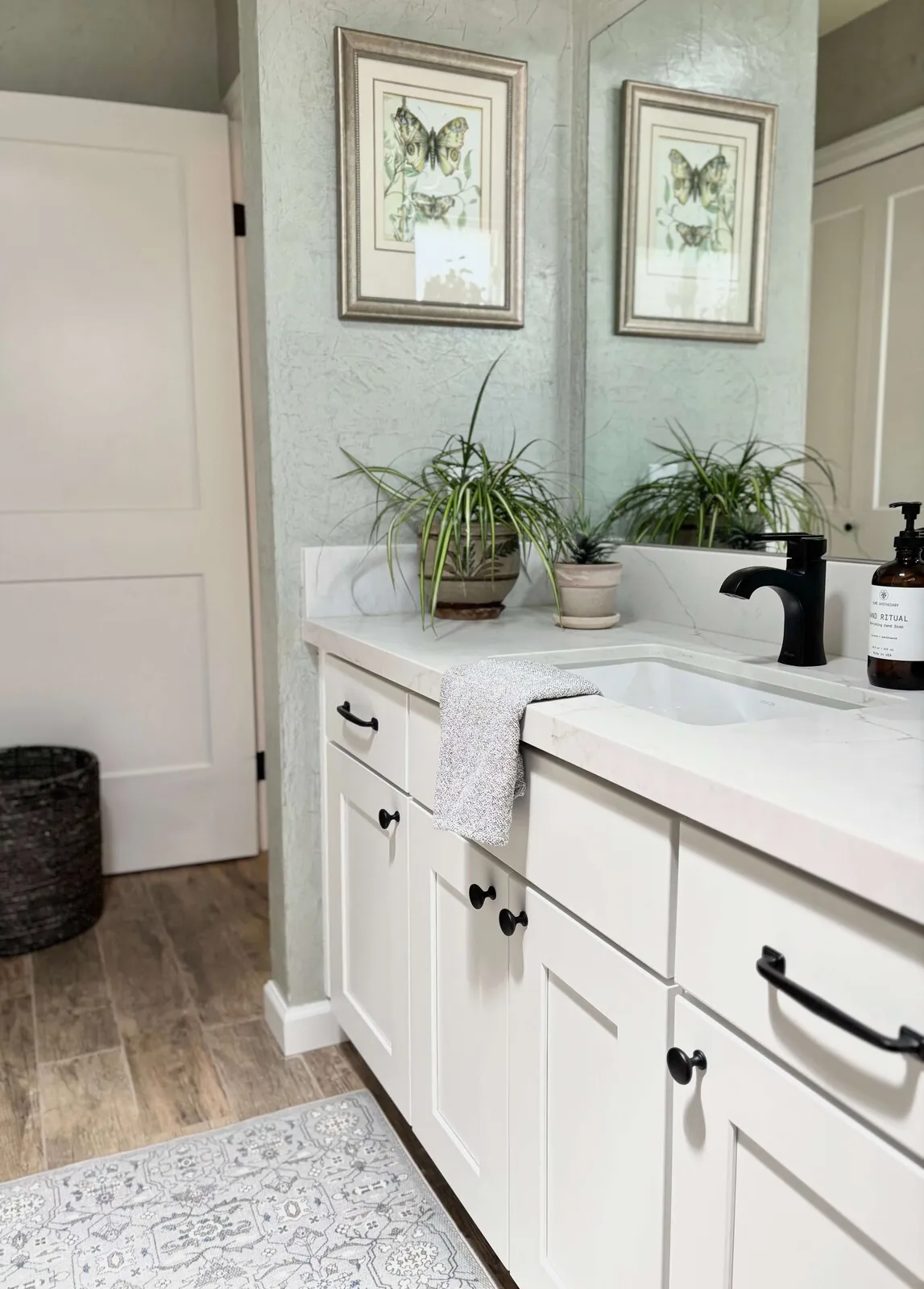
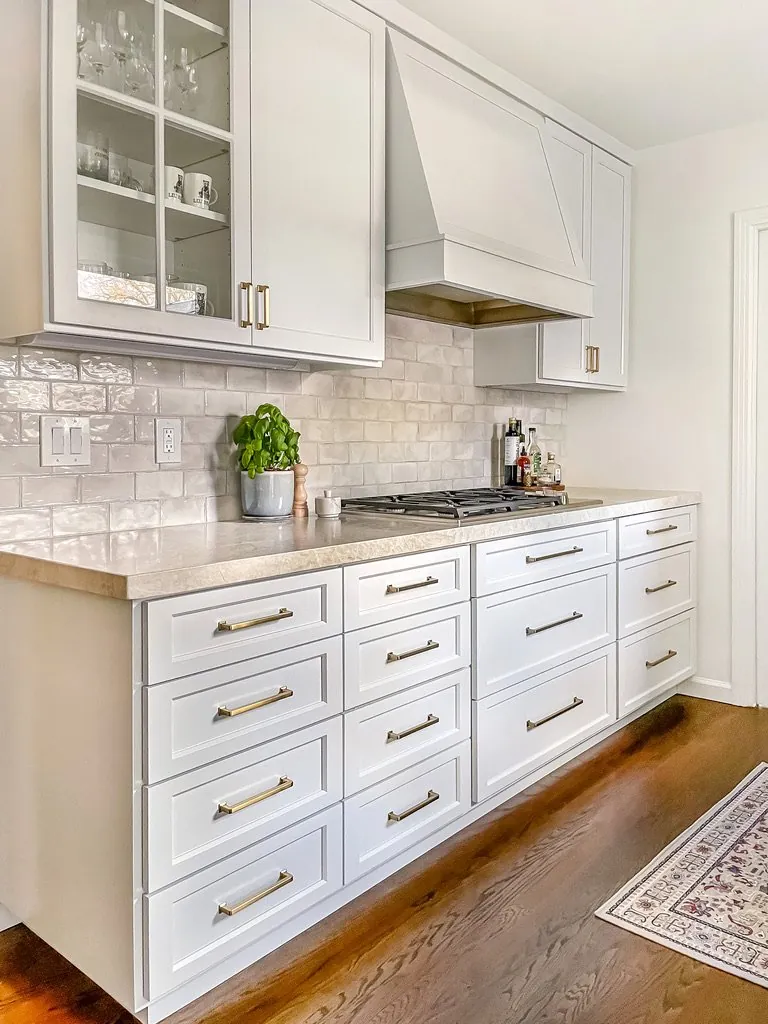
Across our active project specifications, I would rather see rift-sawn white oak, honed limestone, unlacquered brass, linen, cane, and a good handwoven rug than a room filled with obvious palm-tree references. The material vocabulary carries the style even when the pattern disappears. White oak keeps the palette quiet, while honed stone gives the room weight. Cane and rush add ventilation, helpful for rooms with indoor-outdoor connections.Restrained oak cabinetry with matte finishes looks great. Unlacquered brass or aged brass works well with warm materials. Look to brands like Waterworks, deVOL for restrained designs matching your space. Flooring and woven shades in Sacramento homes get a boost from shifting daylight. Design choices should match how people use the space. Copying resort aesthetics isn't the goal here. The American Society of Interior Designers is a useful professional reference for that broader perspective.
Designer Decision Matrix: Which Tropical Interior Design Approach Fits Your Home
How we actually decide: match your situation to what we would specify, and the reasoning behind it.
| Your Goal | Best Solution | Why We Recommend It |
|---|---|---|
| Lowest-cost tropical refresh | Linen window treatments, one substantial plant, a vintage or handwoven rug, and two natural-texture accents | Large soft surfaces and greenery change the room's visual temperature without committing budget to permanent finishes. |
| Luxury tropical finish | Rift-sawn oak millwork with honed stone, tailored linen drapery, and custom upholstery | The combination creates depth through material behavior and craftsmanship, so the tropical character reads as architecture rather than decoration. |
| Small Sacramento room | One oversized botanical artwork, a compact cane chair, and a tall architectural plant | A few large gestures create stronger sightlines than many small tropical objects that visually shrink an already compact room. |
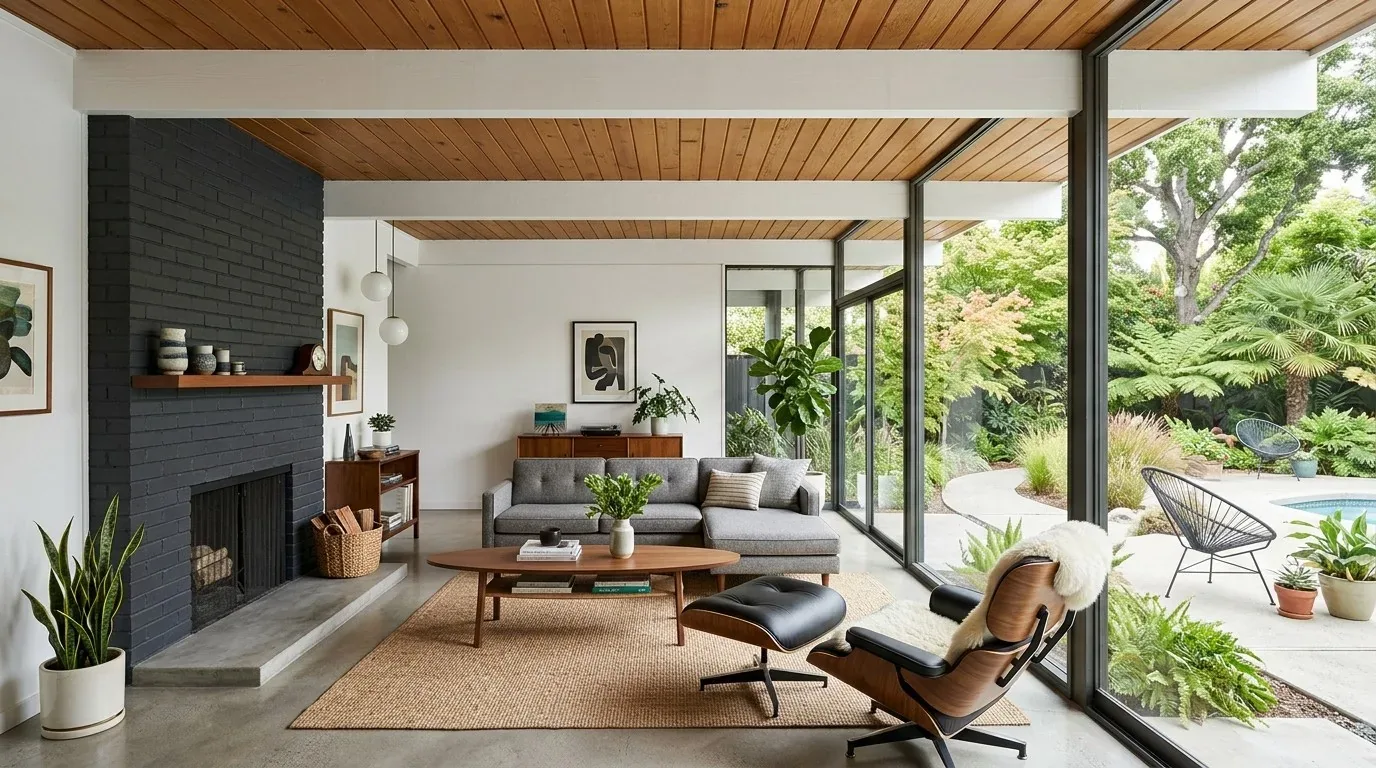
| 1960s or 1970s home | Keep original wood or stone where it is sound and add tropical texture through lighting, upholstery, and planting | Northern California mid-century architecture often has useful indoor-outdoor proportions that become stronger when the original material language is preserved. |
| Contemporary home | Use tropical influence through oak, limestone, greenery, and one restrained botanical pattern | Simple contemporary geometry gives organic materials enough visual space to feel intentional instead of cluttered. |
| Rental or no permanent changes | Freestanding cane furniture, plug-in picture lighting, linen panels, removable wallpaper, and large potted plants | These elements create scale and texture while remaining movable when the lease or room function changes. |
| High-maintenance concerns | Choose washable performance upholstery and hardy plants rather than delicate natural fibers everywhere | Tropical design depends on relaxed use, and materials that require constant protection undermine the casual quality the style is supposed to create. |
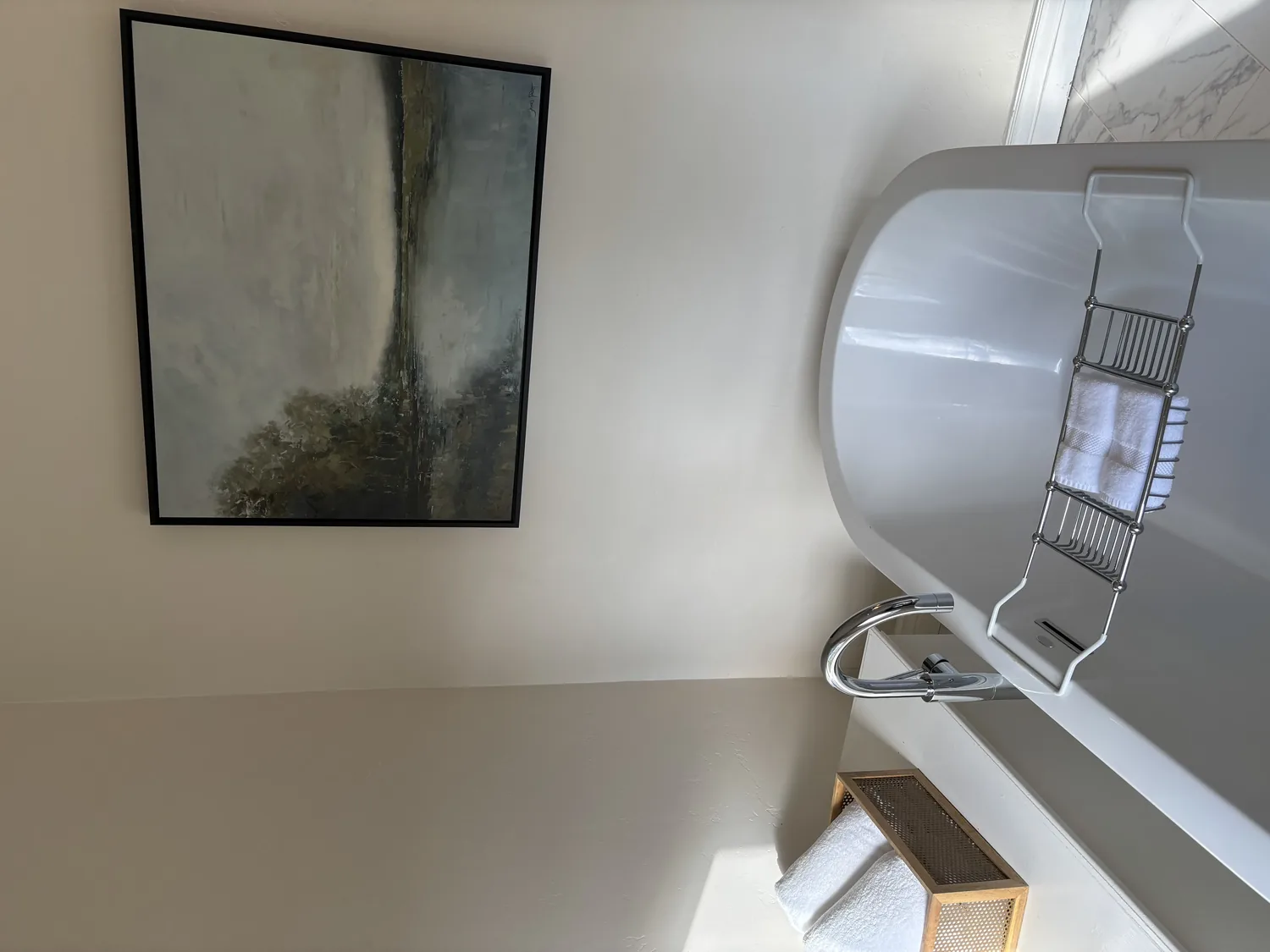
How to Add Tropical Style Without Making It Themed
The real question isn't how to make a room tropical. A relaxing home vibe starts with what you already have, like big windows or oak floors. High ceilings and views to natural areas help, too. Build from these assets instead of hiding flaws with decoration. Choose one strong element like woven window treatments or a large plant. Then add another layer, such as aged brass lighting or a limestone table for depth. This creates hierarchy. A room with six competing tropical references usually looks cheaper because the eye has nowhere to rest.
In Northern California, I am especially careful with saturated green. Bright Sacramento sun can make a painted green wall feel much stronger at 4 p.m. It looked better than in the morning. Sample large areas and watch them through the day before committing. The goal is not to remove color. It is to make the color believable in the actual light.
Which Tropical Colors Actually Work in a Northern California Home?
Start with warm neutrals, then add green. It's easier than starting with bright greens. Use whites, oats, sand tones, muted clay, tobacco, and a bit of olive or fern. Moss green is better than emerald used everywhere. It works nicer in rooms.
Living room with warm white walls, natural oak table, an olive chair, and some deeper greens in the art. Bedroom could use softer palm or sage linens and aged brass finishes. Color relationships are key. Lighting affects how colors look with floors and rooms nearby.
Sacramento's west-facing light impacts color choices a lot. Green that looks good in shading can go electric in afternoon sun. Test colors next to the actual floor, counter, and upholstery. Color is about materials together.
What Materials Make Tropical Design Feel Authentic?
Blend textures and tones, like smooth with woven. Work with materials like rift-sawn oak, linen, and cane. Avoid prints.
- Wood: use calm-grain oak or teak where the architecture calls for warmth.
- Stone: favor honed limestone, travertine, or soapstone when a matte surface will balance greenery.
- Textile: use linen and handwoven wool to keep large surfaces tactile.
- Weave: use cane or rush selectively so the texture has breathing room.
Natural materials also age visibly. That is part of their value. Brass patina can make a space feel timeless and collected. Faux materials look fake if too uniform.
Which Plants Work Best Indoors?
Pick plants by light; then think about tropics. Bird of paradise works in bright rooms. Kentia palm softens corners without dominating. Fiddle-leaf figs can work when the light is right, but I would not specify one simply because it appears in every tropical photograph.
Scale matters more than quantity. A tall banana palm next to a console catches the eye more than many small pots together. The container should also belong to the room.
Use terracotta or stone quietly with aged ceramic accents. This keeps things grounded without shouting.
Maintenance is key. Areas with inconsistent light or frequent travel can make plant upkeep tricky. In that case, I would use fewer live plants and let botanical artwork or a woven texture carry some of the nature reference.How to Use Tropical Patterns Without Dating the Room
The trick is scale and restraint. A big botanical print can be sleek. Tiny repeating palm leaves on every soft surface usually push the room toward theme-park territory. I prefer one hero pattern on a chair, Roman shade, wallpapered niche, or upholstered bench, then keep neighboring textiles quiet.
Mix pattern by changing scale rather than adding more motifs. Blend bold plants with subtle patterns. Try wallpaper in small spaces like nooks.
For Sacramento homes, I also consider sightlines between rooms. A strong tropical pattern should not become the first thing you see from every doorway. Add a bold piece. Make it the room’s focal point.
Common design errors in Northern California tropical interiors
From our project debriefs and post-occupancy reviews, 2023-2026.
Overloading a space with competing tropical elements
The symptom is easy to spot: palm leaves on the wall, rattan furniture, bamboo accessories, green upholstery, tropical artwork, and plants all competing at once. The cure is subtraction. Highlight two or three features; keep the rest simple. Contrast is key in tropical designs; don’t make every surface loud.
Choosing greens that fail to adapt to Sacramento’s afternoon sunlight
A green that looks muted online can become intensely saturated under Sacramento's afternoon sun. The mistake is approving paint from a digital image or a tiny card. Test paint samples through the day. A quick fade means the color's not right there. Dark greens need wood. Think stone too. Textiles fit right in.
Specifying low-quality woven furniture that requires frequent replacement
Low-cost woven furniture often has the right idea and the wrong construction. Poor weaving can look cheap; frame heaviness stands out; replacements get pricey. Specify one well-made cane or rush piece instead of filling the room with matching pieces. That creates a focal point and leaves budget for upholstery and lighting, where the quality is much easier to feel every day.
Using tropical patterns without a clear visual boundary
A large botanical pattern needs a visual place to stop. If it wraps every wall, continues into every textile, and is visible from several adjacent rooms, the eye never gets a break. Use architecture to contain it. A single wall, built-in, shade, or upholstered piece gives the pattern a boundary and makes it feel deliberate.
Cost ranges by scope: refresh, mid-tier, and estate-scale tropical interiors
2026 planning ranges by scope. They bracket a budget; they are not a quote for a specific house.
| Scope | Typical range |
|---|---|
| Refresh scope: paint, plants, textiles, lighting accents, selected furniture | $12K-$35K |
| Mid-tier scope: custom window treatments, upholstery, flooring or millwork accents, lighting, furnishings | $45K-$120K |
| Estate-scale: multiple rooms, custom millwork, stone, architectural lighting, furnishings, window treatments | $150K-$450K+ |
Sources & Professional References
This guide's positions on materials are grounded in published building-code, standards, and recognized design-authority sources, alongside Designed | Curated Interiors' verified credentials and active project files:
- American Society of Interior Designers (ASID): interior-design practice standards
- International Code Council (ICC): Chapter 8 Interior Finish Decorative Materials And Furnishings
- Associated General Contractors (AGC): Loring Job Corps Centerhbi Training Program
- NKBA, Amy Kunst Member Profile (verified credential, NKBA Committee Member)
- Featured in: Good Housekeeping (storage and space-planning expert quotes, July 2026) · Homes & Gardens (design expert quote, May 2026) · Sacramento Love (guest author, 2024)
Frequently Asked
How can outdoor elements enhance tropical interior design in Sacramento?
What are some common challenges when implementing tropical design in a Sacramento home?
Related reading
- Sacramento & Bay Area Interior Design Services How we scope, source, and deliver work end to end.
- Interior Designer Hub, Sacramento Where most of our Sacramento work lives, the regional fit explained.
- Modern Tudor Homes Heritage-architecture renovation patterns from our project files.
- Japandi Living Room Design The 2026 warm-neutral playbook applied to the living room.