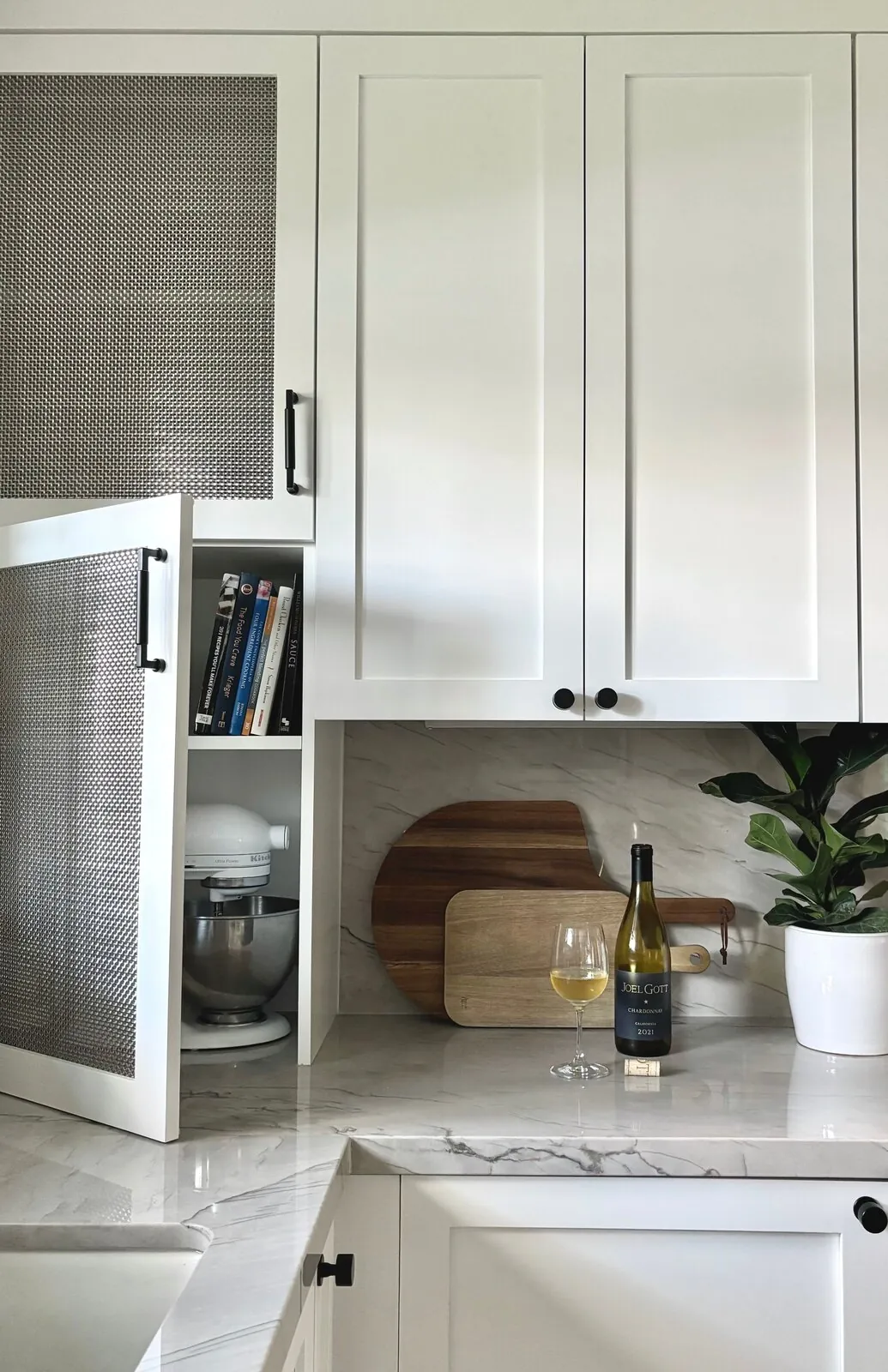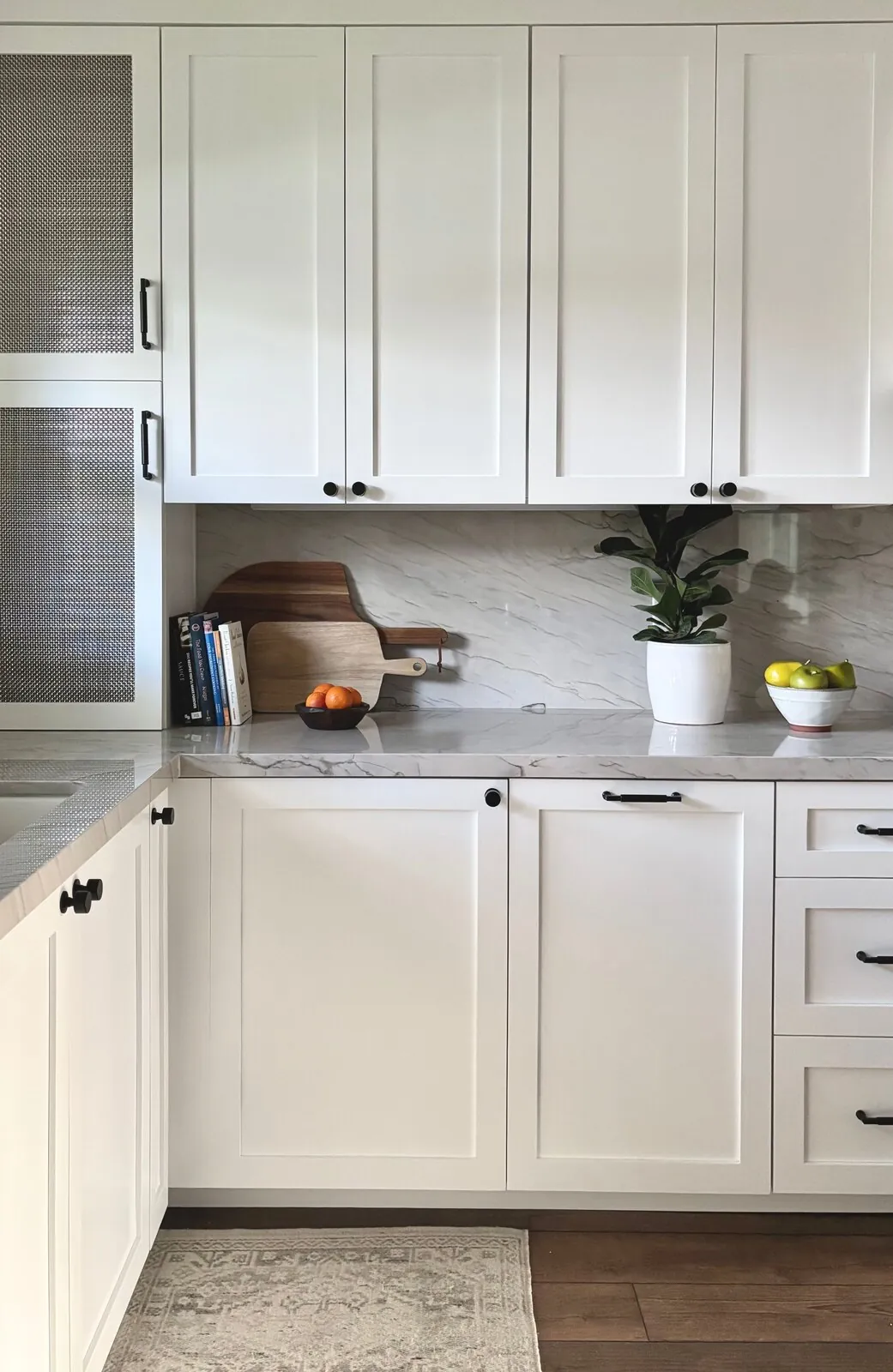
You can use vintage glass successfully in a modern interior when the glass is treated as one deliberate architectural or decorative element rather than as a theme. For 2026: keep it warm but simple. Use old glass for one clear job. Could be a cabinet door with seeded glass, Art Deco mirror, or vintage pendant. Vintage glass gives rooms that timeless vibe. Let's talk about the types of vintage glass, where to get them, mixing with new stuff, and how to care for them. My perspective is deliberately practical: in Sacramento and across Northern California, I want vintage glass to respond to the house, its light, its architecture, and the way the room is actually used.
Direct Answers (Vintage Glass)
| How can vintage glass be effectively integrated into modern interiors? | Use a mirror in a narrow entry to make it look wider with old glass. |
| What are some examples of vintage glass elements in interior design? | Art Deco mirrors or seeded-glass cabinet doors are good options. |
| Why is it important to match the finish level to the neighborhood when using vintage glass? | Matching the finish level ensures that upgrades are appropriate for the neighborhood's character and can protect home value. |
| What materials pair well with vintage glass in Sacramento interiors? | Rift-sawn oak, honed quartz, unlacquered brass, aged bronze, soapstone, painted cabinets, and plaster all work great. |
Make vintage glass the punctuation, not the wallpaper
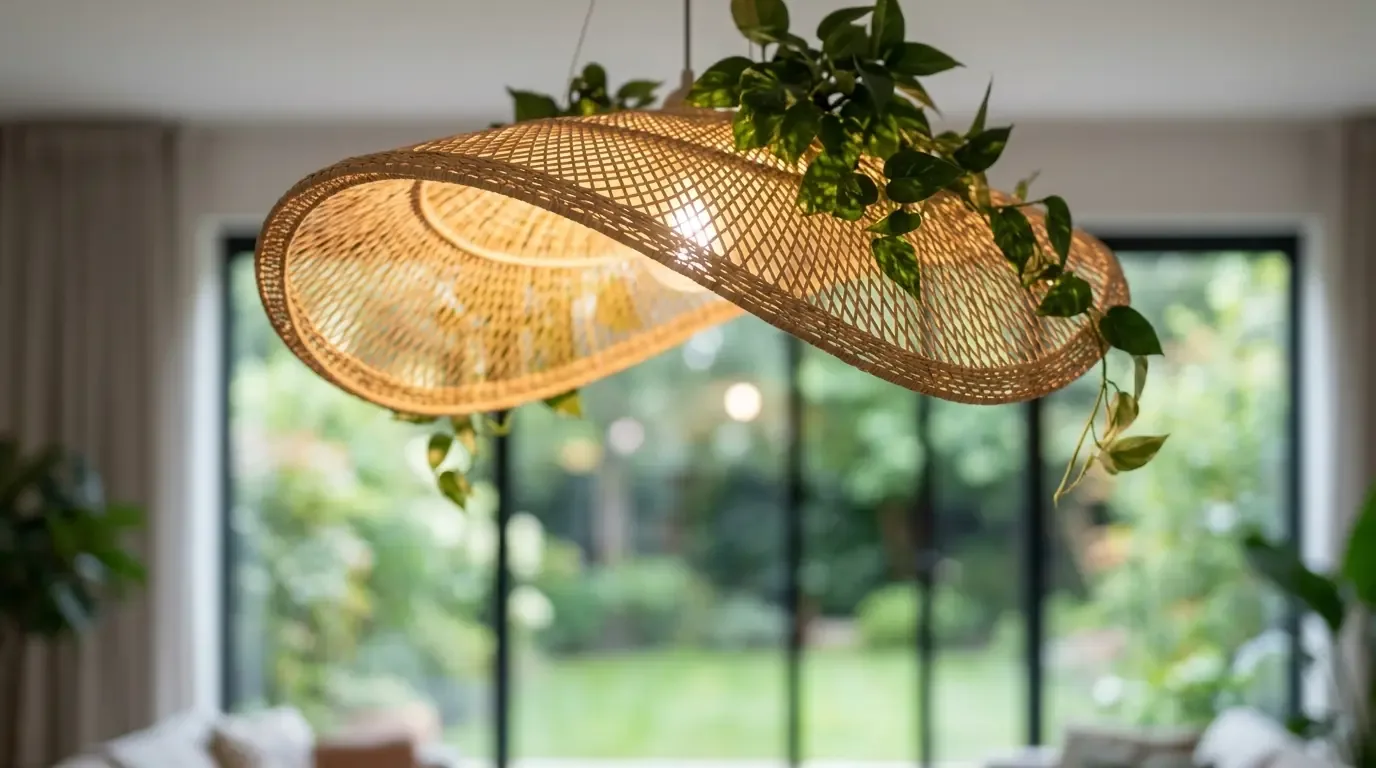
The first design move is deciding what the glass is supposed to do. A vintage mirror can brighten a narrow entry by reflecting light. Ribbed or seeded glass in a cabinet lets light through without revealing much. An Art Deco sconce can set an era tone without making the room too historic. For best results, vintage glass takes a lead role while other finishes stay subtle.
Pair vintage glass with rift-sawn oak or honed quartz for texture harmony. Rejuvenation and Schoolhouse offer modern pieces that reference classic styles. Salvaged glass adds real patina. The distinction is important. A reproduction can be the right answer when you need consistent dimensions. An authentic piece earns its place when the small imperfections are part of the point.
Sacramento's afternoon light really highlights the vintage glass, making it pop more. Strong Sacramento afternoons can make mirrored or glossy installations too bright. I would rather use one rippled cabinet panel or an aged mirror where the changing light can animate it, because the material then does something beyond decoration.
Designer Decision Matrix: Which Vintage Glass Approach Fits Your Home
How we actually decide: match your situation to what we would specify, and the reasoning behind it.
| Your Goal | Best Solution | Why We Recommend It |
|---|---|---|
| Lowest-cost introduction | Use one authentic vintage mirror or small glass vessel grouping | A small object establishes age and texture without committing the budget to custom glazing or a large installation. |
| Historic Sacramento home | Use authentic period glass where the architecture already supplies a historical reference | Older Sacramento housing can support stronger period cues because the glass feels connected to the building rather than pasted onto it. |
| Contemporary home | Use one ribbed, seeded, or lightly antique glass element against simple millwork | The contrast between irregular glass and crisp cabinetry makes the age visible without making the room look like a period reproduction. |
| Small room | Choose a narrow vintage mirror or translucent glass cabinet insert | Reflection and partial transparency preserve sightlines, which matters more in a compact room than adding another opaque decorative object. |
| Strong afternoon sun | Favor textured or lightly translucent glass over large clear mirrors | Sacramento's bright afternoon light can make broad reflective surfaces harsh, while texture breaks the reflection and gives the light somewhere to move. |
| Rental or reversible project | Use freestanding vintage glass objects, lamps, trays, or framed mirrors | These pieces create character without altering cabinetry, walls, glazing, or electrical work. |
| Luxury finish level | Commission or carefully adapt a custom application around an authentic vintage panel | The value is in preserving the irregular piece while making the surrounding joinery precise enough that the old glass reads as intentional. |
How do I buy authentic vintage glass without overpaying?
It's not just where you buy vintage glass. The piece needs to be old, structurally sound, correctly scaled, and worth the extra cost over a reproduction. The first question we ask is: what job does this piece need to perform? For decor, more fragility is okay. If it will become a cabinet door, screen, light component, or other working element, condition and dimensions become much more important.
Look at antique dealers, salvage shops, estate sales, vintage marketplaces, and local stores. Etsy can help with discovery but check seller photos and descriptions. Rejuvenation can offer repeatable dimensions and compatible hardware if you need reliable vintage-style pieces for daily use. A glass fabricator might cut a vintage panel for a new frame, but first assess if the glass suits the application.
Ask for measurements, edge condition, chips, cracks, repairs, and natural light photos. A tiny surface imperfection may be exactly what makes an antique piece attractive. A crack running through a mounting point is a different matter. The American Society of Interior Designers' professional emphasis on material selection and functional design is useful here: authenticity has value, but not when it compromises the job the material must perform.
How should vintage glass be mixed with modern decor?
The safest combination is old glass plus simple contemporary forms. Put a spotted antique mirror above a clean oak console. Use seeded glass in a flat-panel cabinet instead of adding ornate cabinetry around it. Pair an Art Deco glass sconce with a plain plaster wall. The reason this works is contrast. The modern element gives the vintage piece visual breathing room, while the old glass prevents the modern room from becoming anonymous.
Keep the sightline clean. If the room already has figured stone, patterned tile, strong wallpaper, and elaborate hardware, vintage glass may be one layer too many. I would remove one competing pattern before adding the glass. In Northern California, where windows frame garden views, a restrained aesthetic is especially useful. A ribbed cabinet can echo the rhythm of trees without mimicking them. Colors need similar discipline. Clear, smoke, amber, milk, and lightly tinted glass can all work, but choose one dominant temperature. Warm amber glass works better with walnut and brass than with white lacquer and chrome. Historical accuracy isn't the goal for every object. It is a believable conversation between materials.
Which rooms benefit most from vintage glass?
Kitchens: vintage or vintage-inspired glass is particularly effective in upper cabinet doors, pantry doors, and small display areas. Keep the glass away from every cabinet front. One or two vintage pieces are enough in a busy kitchen In dining rooms, an antique mirror or chandelier can create focal points. Dining room decor is easier with authentic pieces as they don't face the same wear and tear as a kitchen surface.
Entries: a period mirror is useful because it performs a practical task while adding history. A narrow mirror can also make a compressed Sacramento entry feel deeper by returning light down the sightline.
Living rooms: use vintage glass through a lamp, coffee-table insert, framed mirror, or display object. Avoid making the room look like an unrelated antique collection. The best example often stands out after the room feels comfortable.
Bathrooms: vintage glass can work as a mirror or decorative accent, but pieces exposed to water, steam, cleaning chemicals, or mechanical stress need much more scrutiny. A beautiful antique panel is not automatically appropriate for every wet application.
Will vintage glass still look right in a 2026 remodel?
Yes, if the piece has a reason to be there. Vintage glass dates quickly when it is used as a costume. A room filled with reproduction period hardware, faux-aged mirrors, ornate furniture, and multiple historic glass patterns can feel staged. One authentic mirror beside a contemporary sofa feels different because the old piece supplies contrast rather than dictating the entire room.
I would also separate timelessness from fashion. Seeded and ribbed glass have become familiar enough that a new installation can read as a current decorative finish. Authentic antique glass has a different advantage: it already has a history, so it does not depend entirely on being fashionable in 2026. Vintage glass holds its value and pays off over time. Harvard's Joint Center for Housing Studies suggests remodeling is part of long-term housing investment. Avoid chasing trends; it's not worth the extra cash. Choose vintage glass that suits your house and how you use it. If resale matters, keep the expensive commitment in the surrounding permanent work and let the most personal glass pieces remain replaceable.
What makes vintage glass look cheap instead of collected?
The biggest problem is usually not the glass itself. It is the context around it. A cheap distressed mirror next to expensive natural stone can make the fake aging obvious. So can a cabinet filled with perfectly matched faux-antique panels. Authentic vintage glass has variation. The surrounding design needs enough calm for that variation to register as craftsmanship.
- Wrong scale: an oversized mirror or cabinet panel can make a delicate historic piece look like a prop because its proportions overwhelm the furniture.
- Too many periods: Art Deco glass, Victorian ornament, mid-century lighting, and farmhouse accessories rarely become coherent simply because all of them are old.
- Fake patina: artificial spotting and uniform distressing often look manufactured because real age is rarely perfectly distributed.
- Ignored hardware: putting authentic glass into visibly contemporary hardware can create an awkward break at the exact place the eye expects craftsmanship.
- Bad maintenance: abrasive cleaners, hard-water deposits, and aggressive polishing can erase the surface variation that made the piece worth buying.
The cure is simple but not necessarily cheap: fewer pieces, better pieces, and enough visual quiet around each one.
Key mistakes in vintage glass integration and their solutions
From our project debriefs and post-occupancy reviews, 2023-2026.
Selecting a decorative piece without verifying functional suitability
A beautiful panel is not automatically a useful panel. Homeowners often pick a piece without checking dimensions or mountability. Sometimes, the frame just doesn't fit. It’s too fragile to handle. The cure is to measure the intended opening first and establish the functional requirement before purchasing. Vintage glass should be selected like a material, not like a souvenir. If the piece has to be modified, ask the fabricator about its suitability before money is committed.
Creating a room that feels like a costume with excessive period styling
The room starts to look theatrical when every surface is trying to explain the same historical reference. The homeowner sees individual attractive pieces, but from the doorway the room becomes a costume. The cure is to let one period reference lead and make the larger furniture and architecture quieter. An Art Deco mirror can live happily with contemporary upholstery and simple oak. It does not need an Art Deco console, Deco wallpaper, Deco sconces, and geometric rug to prove its identity.
Confusing reproductions with authentic vintage glass for uniformity
There is nothing wrong with a reproduction when consistency is the priority. The problem comes when a new product is sold or styled as though it has genuine age. The tell is often excessive uniformity: identical bubbles, identical spotting, identical color. The cure is to decide honestly which quality matters more. If you need a reliable cabinet insert at a precise size, a high-quality reproduction may be smarter. If you like patina, check the history and condition closely.
Ignoring maintenance requirements for different glass applications
Vintage glass can be more forgiving visually than modern polished glass, but that does not make it indestructible. Mirrors with old silvering can deteriorate over time. Edges can chip. Decorative surfaces can react badly to aggressive cleaners. The cure is to understand where the glass will live before buying it. A collector's mirror over a console is a different maintenance proposition from old glass installed beside a sink. Handle cleanings carefully. Avoid harsh chemicals and pressuring fragile edges.
Overestimating the visual impact of rare, oversized pieces
Rare does not mean appropriate. An unusually large or ornate vintage panel can consume the visual budget of a room and force every neighboring decision to accommodate it. The homeowner then spends more on cabinetry, lighting, and furniture just to balance one purchase. The cure is to judge the piece in the room's actual proportions. A smaller panel with exceptional texture can be more convincing than a rare oversized piece because it leaves the architecture in charge.
Using age to justify poor structural condition
Chips, scratches, patina, and unevenness can be charming. Structural damage is different. A crack near a mounting point, loose silvering, or compromised edges can turn a decorative purchase into a fabrication problem. The cure is to separate cosmetic age from functional damage. Ask what can remain visible and what has to be stabilized. A piece does not become more valuable to a project simply because it has survived longer.
Typical cost ranges for vintage glass projects by scope
2026 planning ranges by scope. They bracket a budget; they are not a quote for a specific house.
| Scope | Typical range |
|---|---|
| Refresh scope, one authentic mirror, lamp, or small collected-glass grouping | $2K-$7K |
| Mid-tier scope, several vintage-glass accents or custom cabinet inserts with fabrication | $8K-$22K |
| Estate-scale, extensive custom integration, specialty sourcing, fabrication, and multiple rooms | $25K-$60K+ |
Sources & Professional References
This guide's positions on materials are grounded in published building-code, standards, and recognized design-authority sources, alongside Designed | Curated Interiors' verified credentials and active project files:
- American Society of Interior Designers (ASID): interior-design practice standards
- International Code Council (ICC): Chapter 8 Interior Finish Decorative Materials And Furnishings
- Associated General Contractors (AGC): Construction Input Costs Rise Again September Metals Diesel And
- NKBA, Amy Kunst Member Profile (verified credential, NKBA Committee Member)
- Featured in: Good Housekeeping (storage and space-planning expert quotes, July 2026) · Homes & Gardens (design expert quote, May 2026) · Sacramento Love (guest author, 2024)
Frequently Asked
How does Northern California light influence the use of vintage glass?
What common mistake should homeowners avoid when upgrading with vintage glass?
How does vintage glass contribute to the architectural language of different Sacramento homes?
Related reading
- Sacramento & Bay Area Interior Design Services How we scope, source, and deliver work end to end.
- Interior Designer Hub, Sacramento Where most of our Sacramento work lives, the regional fit explained.
- Modern Tudor Homes Heritage-architecture renovation patterns from our project files.
- Japandi Living Room Design The 2026 warm-neutral playbook applied to the living room.