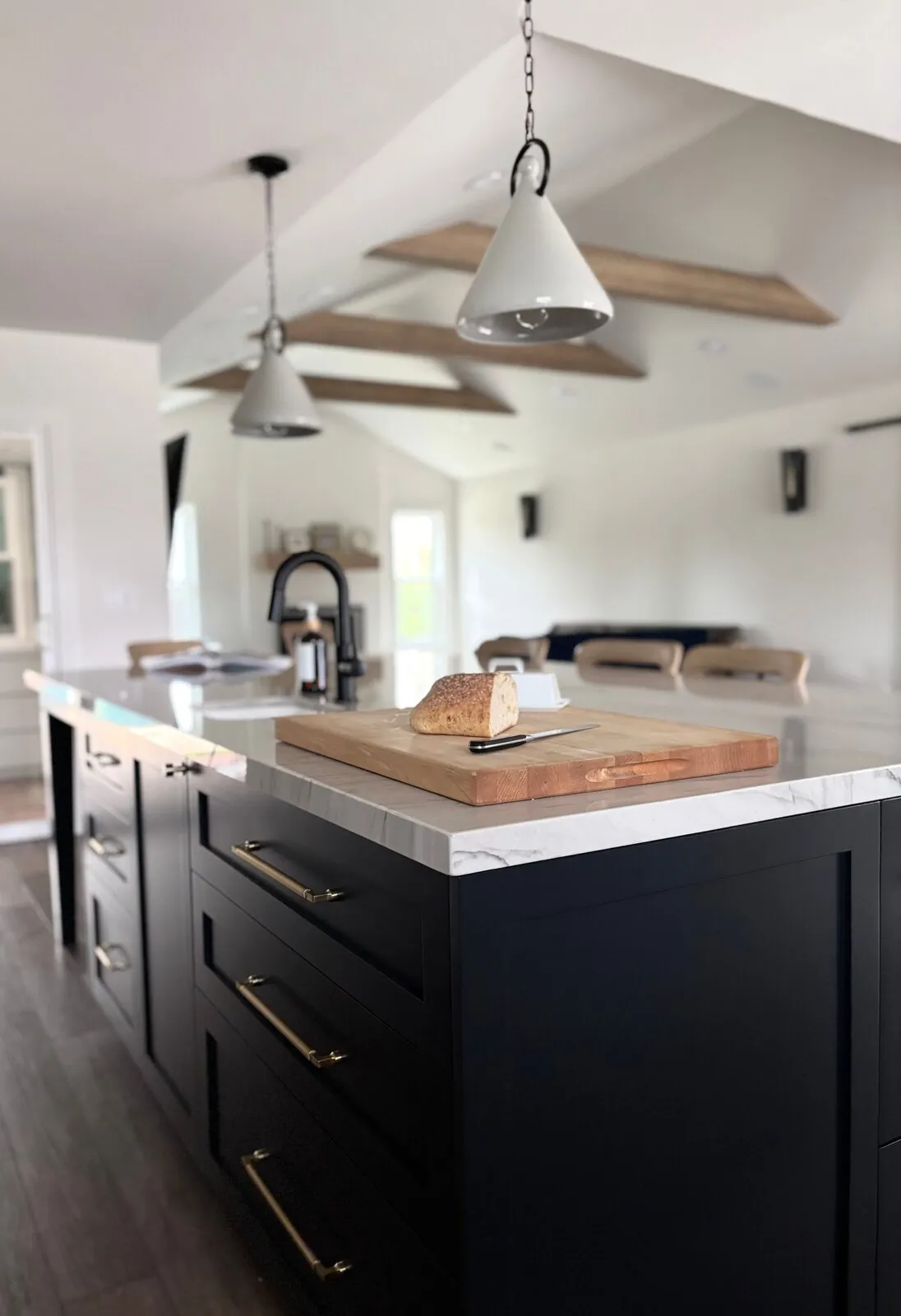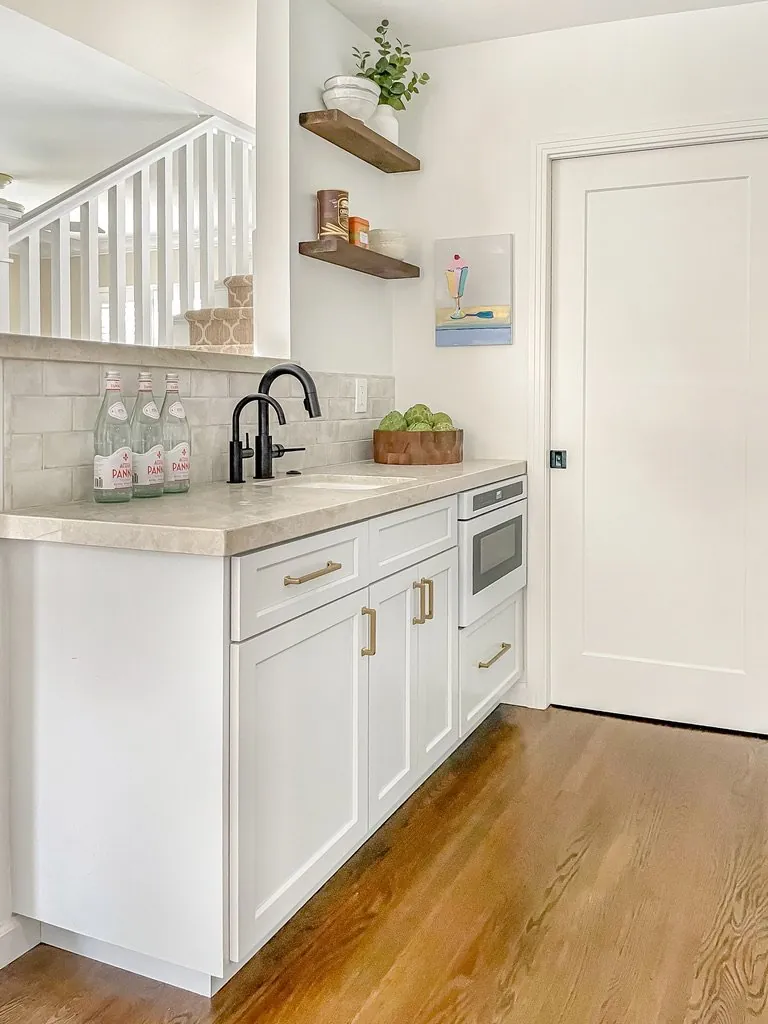

Direct Answers (Warm Minimalist Interior Design Sonoma)
| What are the key elements of warm minimalist interior design in Sonoma? | You'll find warm neutrals and simple lines in here. Reclaimed wood and local stone add warmth without fussiness. |
| How can I incorporate regional influences into a warm minimalist interior in Sonoma? | Reclaimed wood and regional textiles, those are your go-tos. Choose colors like warm taupes and beiges. They echo Sonoma's earthy tones. |
| What color palette is recommended for a warm minimalist interior in Sonoma? | Soft taupes bring out natural light. They just fit right in with the local feel. |
| How do I balance minimalism with coziness in Sonoma's climate? | Linen curtains, woven rugs, layer these. Sheer window treatments let in light and comfort. |
First Major Design Move: Choosing a Warm, Neutral Palette
Start with a color palette inspired by Sonoma's earthy tones. This sets a calming base. Warm neutrals from Farrow & Ball and Benjamin Moore match the feel of local vineyards. Dunnock and Revere Pewter are favorites. Use warm neutrals. They make rooms look peaceful. Also, they highlight natural light. These shades really bring texture alive. Go for warm taupe on walls, pair with light oak floors. Linen on the sofa. It feels soothing yet refined. Skip stark whites and cool grays. They feel clinical. Go for tones that add warmth but keep clean lines.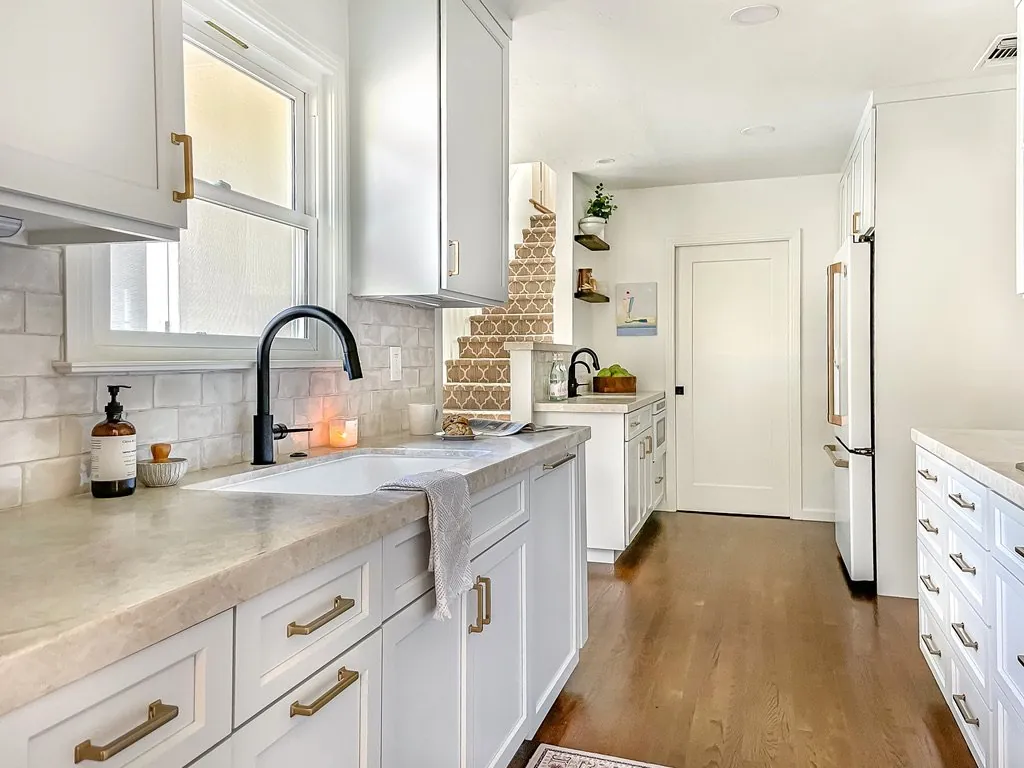

Designer Decision Matrix: Which Warm Minimalist Interior Design Sonoma Approach Fits Your Home
How we actually decide: match your situation to what we would specify, and the reasoning behind it.
| Your Goal | Best Solution | Why We Recommend It |
|---|---|---|
| Create a cozy yet minimal Sonoma retreat | Warm neutral palette with layered natural textures | This approach takes advantage of Sonoma’s landscape, maximizing natural light and regional materials to produce a space that feels both simple and inviting. |
| Maximize durability with sustainable materials | Reclaimed cedar and local stone | These materials age beautifully and reflect regional sourcing, reducing environmental impact and adding authenticity. |
| Achieve a modern look that still feels regional | Matte black hardware with natural wood finishes | The contrast accents modern minimalism while maintaining regional warmth and character. |
| Keep costs manageable for a remodel | Mid-tier wood finishes and locally sourced stone | These options provide regional authenticity without the expense of custom fabrication, aligning with budget-conscious projects. |
Sonoma's Regional Perspective on Warm Minimalist Design
Sonoma's vineyards and oak trees call for warm, neutral tones at home. Use colors that mirror local nature. They'll amplify that bright California sun and ground your design in the real world. Look at homes here and see straight lines paired with earthy textures. Reclaimed wood or local stone can add authenticity. Choose regional materials. It's a nod to the local economy and gives a timeless look. Skip trendy for enduring style. Our interiors blend Sonoma's natural charm with a minimalist flair. For expert advice, visit our Sonoma designer hub.
How to Incorporate Warm Minimalist Principles Without Losing Sonoma's Character
People worry minimalist design could lose the unique warmth of Sonoma homes. How to stay simple but comfy? Cut clutter. Focus on meaning. Texture and durability first. Choose materials that echo Sonoma's scenery like reclaimed wood and local stone. These bring warmth and character. Such elements add personality without mess. Go with neutrals. Reflects the area. Choose matte finishes for wood. Keeps it from feeling cold. Jute rugs work well, and curtains made of cotton voile. Let light pour in. Try sheer curtains. Warm LED lights? Mimic sunset glow. Achieve balance with clean lines and warm tones. It ties back to the feel of Sacramento's mid-century charm. Avoid overstuffed corners. Layering materials matters more and can tell the story of California's diverse climate.Sizing and Spec Guide for Key Fixtures in Sonoma's Climate
When selecting fixtures like range hoods, vanities, and lighting, size matters. Kitchens in Sonoma often stick with a 36-inch range. Open-plan? 48-inch might fit better without overpowering. Got higher ceilings than 8 feet? Try taller cabinets or pendant lights to match.
A 500 CFM hood suits Sonoma kitchens at 36 inches. Primary bathrooms work well with 48-inch vanities. Keeps it tidy. In Sonoma, use weather-resistant outdoor lights. Matte black or bronze finishes age nicely. Choose well-sized fixtures. They should work functionally and visually enhance your space. Keep them minimal yet effective.
From our project debriefs and post-occupancy reviews, 2023-2026. Many homeowners fall into the trap of choosing pure white or cool gray walls in their pursuit of minimalism, which can feel cold and uninviting in Sonoma’s climate. Warmth and texture often clash with these. Select warm neutrals like taupe to soften the space. These hues add depth. Minimalism feels cozier. In trying to keep a minimalist look, some opt for large, heavy furniture pieces that dominate the space and reduce the sense of openness. Feels crowded. Not relaxing. Slim furniture works here. Think light oak or walnut with simple lines. Keeps minimalist vibe living, inviting, and fitting. Focusing solely on form and color without incorporating textures leads to sterile interiors. In Sonoma, use linen and jute. Add touches of reclaimed wood and local stone. Layer textures with care to keep it minimal. Real and honest. That’s our goal here. Adding too many personal objects or decorative accessories can break the clean, streamlined look of warm minimalism. Pick one standout piece. Maybe a local quilt or a hand-thrown pot. Let them shine. Keep it calm and simple. Add a touch of Sonoma’s vibe. Choosing generic or synthetic materials over local, sustainable options weakens regional authenticity. Go for reclaimed wood or local materials. Something like Sonoma stone or cedar. Picking local ties you to the place and it’s easier on the planet.Common Design Mistakes in Sonoma’s Warm Minimalist Spaces
Choosing Stark, Cool Color Palettes
Using Heavy, Bulky Furniture
Skipping Natural Textures
Overloading with Decorative Accessories
Ignoring Local, Sustainable Materials
Local permits & planning
For ZIP-level housing-stock and household-income data behind this analysis, see our Sacramento & Bay Area housing market data.
Sources & Professional References
This guide's positions on permits are grounded in published building-code, standards, and recognized design-authority sources, alongside Designed | Curated Interiors' verified credentials and active project files:
- International Code Council (ICC): Careers In Code Enforcement
- International Code Council (ICC): Chapter 17 Special Inspections And Tests
- Community Development, Sonoma (Sonoma County) building permit portal
- NKBA, Amy Kunst Member Profile (verified credential, NKBA Committee Member)
- Featured in: Good Housekeeping (storage and space-planning expert quotes, July 2026) · Homes & Gardens (design expert quote, May 2026) · Sacramento Love (guest author, 2024)
Frequently Asked
What local materials are suitable for a warm minimalist design in Sonoma?
Are there specific design tips for maintaining warmth without clutter in Sonoma homes?
When choosing fixtures like range hoods or vanities, what should I consider for Sonoma homes?
Related reading
- Sacramento & Bay Area Interior Design Services How we scope, source, and deliver work end to end.
- Interior Designer Hub, Sonoma Where most of our Sonoma work lives, the regional fit explained.
- Warm Minimalist Interior Design in Wilhaggin Explore expert insights on achieving warm minimalist interior design in Wilhaggin. Learn about regional influences, material choices, and pr
- Warm Minimalist Interior Design in East Sacramento Explore the key elements of warm minimalist interior design tailored for East Sacramento homes. Learn how to select materials, colors, and f
- Warm Minimalist Interior Design in Land Park Explore expert insights on achieving warm minimalist interiors in Land Park, including material choices, local sourcing, and design strategi