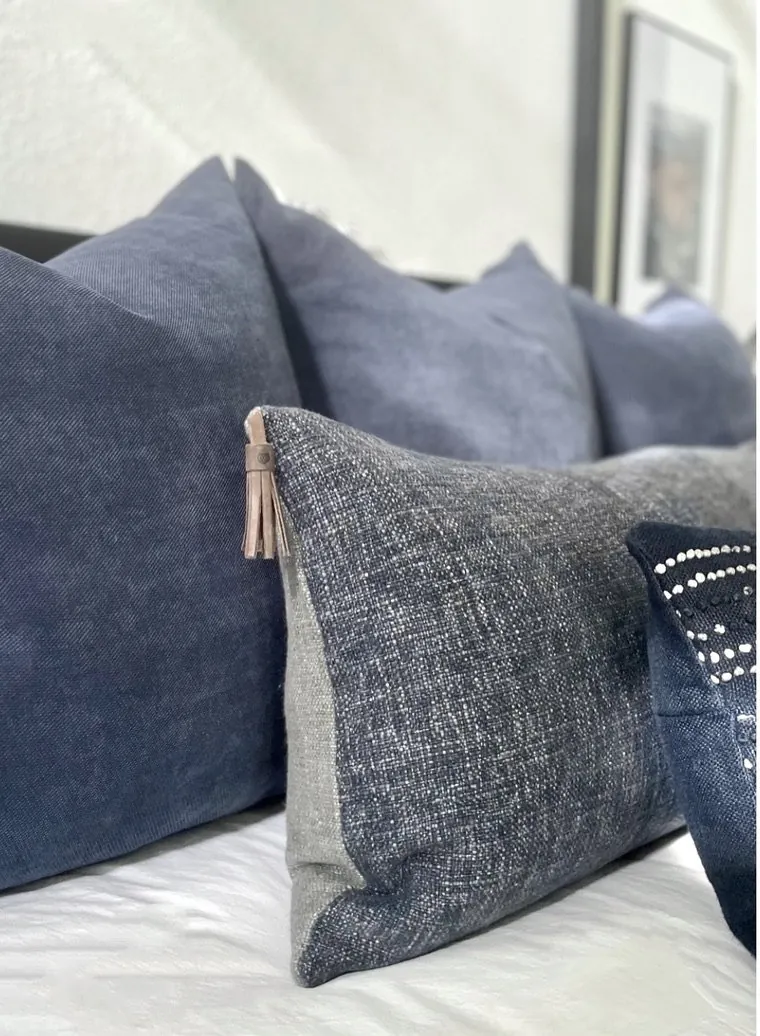
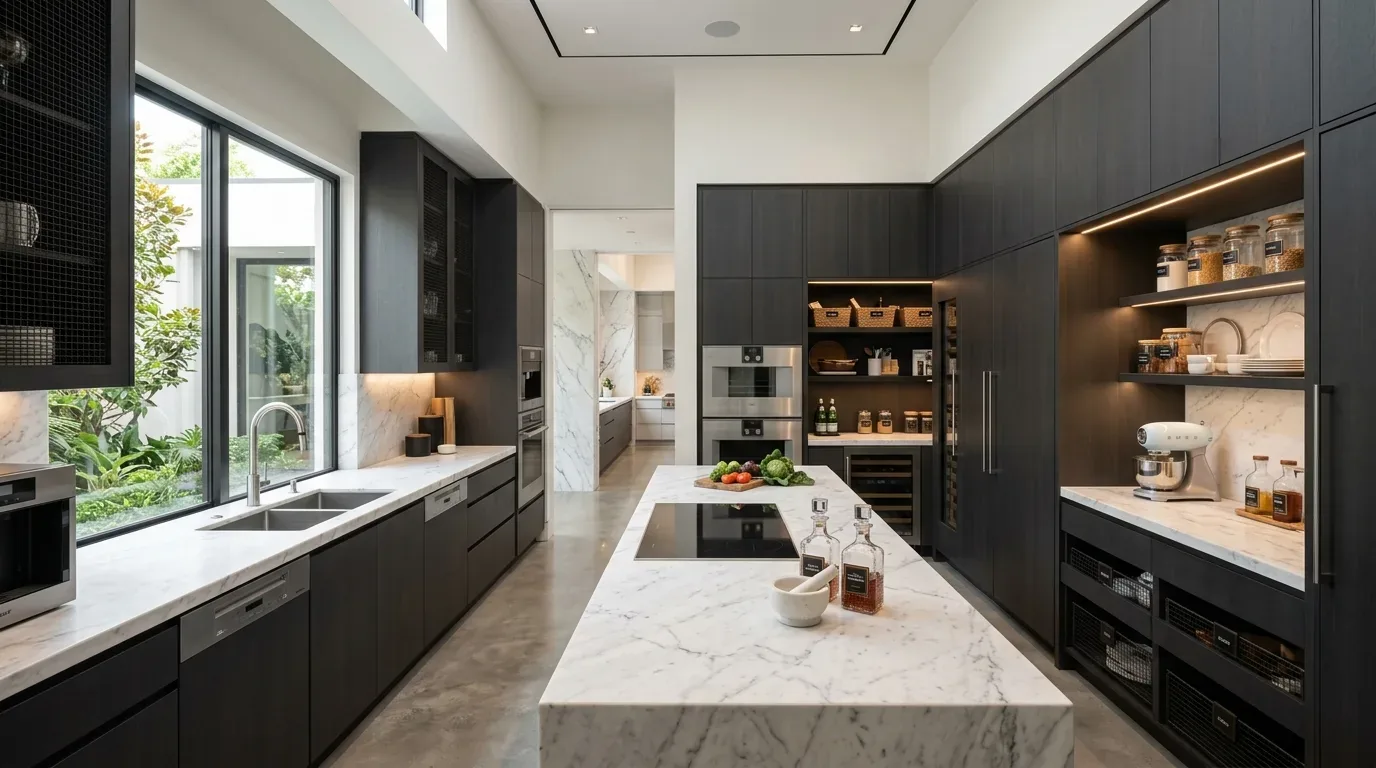
Sculleries are tucked away spots meant for work like washing and prep. Keep them out of sight of main areas. Streamline life with a separate work area in the kitchen. Keeps things organized and out of view.
This article digs into what makes a scullery, how it's different from a pantry or kitchen, and more. As interior designers in Sacramento and Marin, we see the scullery evolving into a key element of sleek, efficient home layouts that balance form and function with a designer’s eye for restraint and warmth.
Common Questions
| What is a scullery? | A scullery is a dedicated utility space designed for hands-on kitchen tasks like washing dishes, food prep, and cleaning—think deep sinks, durable surfaces, and storage for tools and supplies. Unlike a pantry, it’s not for food storage, and unlike a main kitchen, it’s meant to handle the dirty work without cluttering the primary cooking area. In Sacramento’s older homes, you’ll often find them tucked behind a door, in a corner, or even in a separate room to keep them out of sight of dining or living spaces. |
| How does a scullery differ from a kitchen or pantry? | A scullery is a functional workhorse, not a storage unit or a space for cooking. It’s built for durability—epoxy-coated sinks, heavy-duty countertops, and sometimes even a prep table—while a pantry is for dry goods and a kitchen is for meal prep and dining. In historic Sacramento homes, sculleries are often hidden behind a door or in a nook to separate the mess from the main living areas. If your kitchen is open-concept, a scullery can reclaim that space by offloading the scrubbing, chopping, and cleanup. |
| Why are sculleries becoming popular in Sacramento homes? | Sacramento’s mix of Craftsman, Victorian, and mid-century homes often have the layout for a scullery—whether it’s a repurposed closet, a basement nook, or an underused mudroom. They solve real problems: open kitchens get cluttered with prep work, and older homes lack the storage or plumbing for a full kitchen upgrade. A scullery adds efficiency by centralizing the dirty tasks, and in historic neighborhoods, it preserves the original layout while modernizing functionality. You’ll see them in everything from 1920s bungalows to 1950s ranch-style homes where space is tight. |
| When should I consider adding a scullery to my Sacramento home? | If your kitchen feels cramped because you’re using it for both cooking and cleanup, a scullery is worth considering—especially if you entertain often or cook large meals. It’s also a smart move for homes with open layouts where you don’t want dishwashing or food prep visible from the living or dining areas. In Sacramento’s older homes, where plumbing and electrical might be outdated, a scullery can be a lower-cost way to upgrade functionality without gutting the entire kitchen. Just don’t assume it’s a quick fix; retrofitting one often means dealing with existing pipes, ventilation, or structural constraints. |
Prioritizing Functionality with a Purposeful Layout
The first major design move in creating an effective scullery is to prioritize a layout that maximizes efficiency while maintaining a sleek appearance. We often suggest putting sculleries behind pocket doors or in alcoves, away from the main kitchen hub. Keep mess out of living areas. This setup hides dishes and chores.
Durable surfaces are key. Go for engineered quartz and stainless steel. They’re durable. For example, using Blum soft-close undermount drawers and full-height cabinetry allows for easy organization and cleaning. It needs to look like it belongs there. Function and style go hand in hand.
Good sculleries boost efficiency and house value. Integrate them thoughtfully.
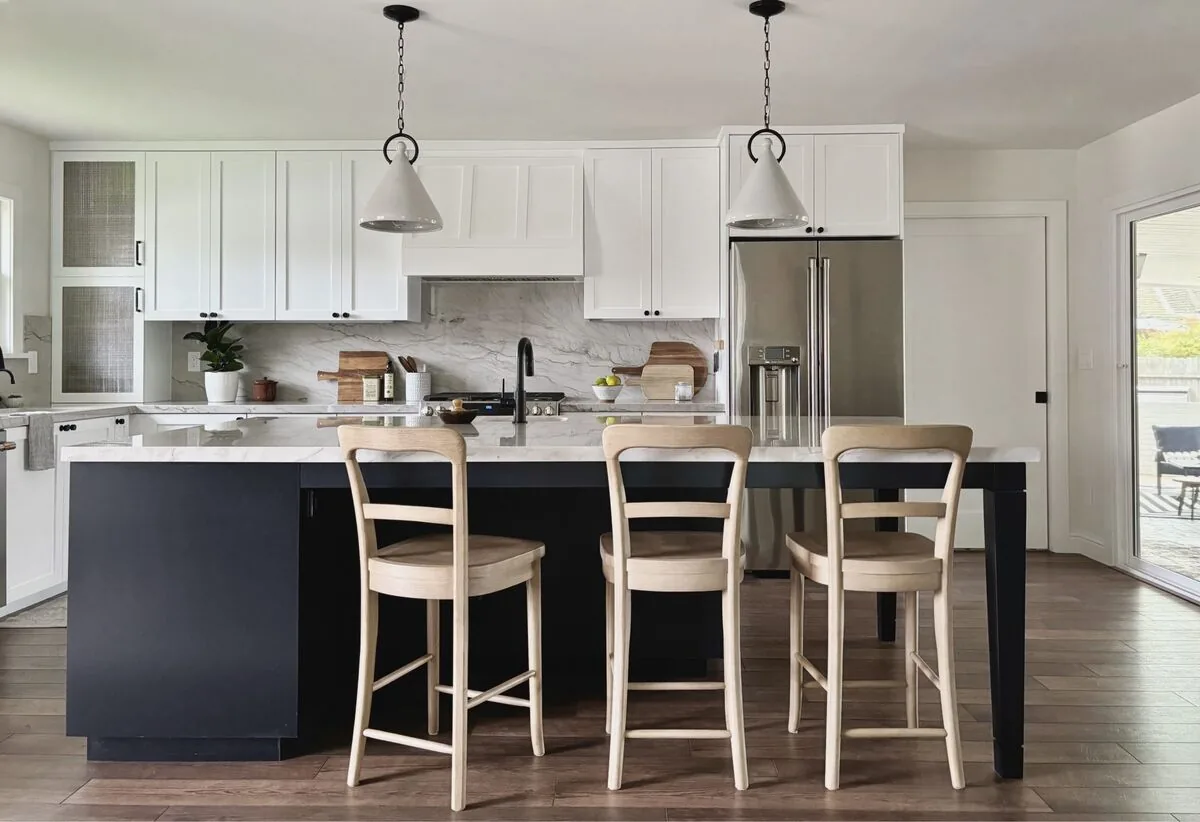
Material Specificity for Durability and Style
Authenticity-grade materials
- White oak (rift-sawn), for floors and slat detail; calmer grain than plain-sawn
- Solid brass hardware, for durability and timeless appeal
- Engineered quartz (90-93% quartz content), for low-maintenance, consistent slabs
- Stainless steel 16-gauge undermount sink, sound-dampened, corrosion-resistant
- Catalyzed lacquer finish, for cabinetry that resists wear and moisture
- Full-extension Blum soft-close undermount glides, for smooth operation
- Full-access frameless cabinetry, maximizes storage and clean lines
- Recessed LED lighting, for energy-efficient, glare-free task illumination
Generic-grade tells we refuse to spec
- Particleboard cabinetry, prone to moisture damage
- Thin laminate countertops, less durable, short lifespan
- Electroplated hardware, prone to pitting and wear
- Standard 18-gauge stainless sinks, less soundproof and durable
- Polymer or thermoplastic finishes, less resistant to scratches and stains
- Open shelving with wire racks, prone to clutter and dust
- Basic incandescent lighting, less energy efficient
- Low-grade plywood, less stable and durable for cabinetry
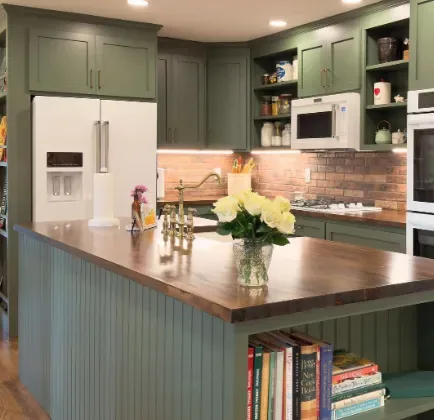
How to Size and Specify Your Scullery Fixtures
One of the key decisions homeowners face is selecting the right fixtures and appliances for their scullery. The first question we ask is what size range fits the space and workflow. For homes with a 36-inch range, a smaller hood (24-30 inches wide) with 300 CFM is sufficient, while a 48-inch range may require a larger vent hood (36-42 inches) with 600 CFM or more, as guided by the NKBA standards. Ceiling height matters. Taller ceilings offer more cabinet space and better lighting. Lower ones mean compact solutions.
Built-ins keep it sleek. Panel-ready dishwashers and hidden microwaves clear clutter. Envision each fixture's function. Think big sink and ample counters. A quality vent fan's essential. Those details make or break a scullery.
Choosing Between Custom and Stock Solutions for Your Scullery
Deciding whether to go custom or select stock cabinets and fixtures is central to project scope and budget. Ask yourself: How personalized do you want this space to be? Local custom millwork offers exact sizes and finishes. Expect higher costs and delays. Stock items from Wayfair or Home Depot? They go in fast and cost less. Fit isn't perfect. The American Society of Interior Designers notes that custom cabinetry can add significant value and longevity, especially in high-end homes, but the ROI depends heavily on regional housing trends and the overall project scope.
In Sacramento, expect $55,000-$90,000 for mid-range work with semi-custom cabinets. For estate renovations over $150,000, structural changes are a big factor. Weigh durability against design impact and stay within budget.
Should You Remodel or Rebuild to Incorporate a Scullery?
Rebuild or remodel? That’s the big question. The first question we ask is what decision are you struggling to make about this space. Older homes in Sacramento come with tight spaces or structural limits. They affect your choice. With $55,000 to $90,000, reface, update finishes, give the space a fresh look. Outdated layout or load-bearing walls? Rebuilding might save you money over time.
Always consult with local permit authorities like the Sacramento Building Division to understand what permits are needed. Updating older homes takes creativity. Keep character while modernizing. Sacramento's market affects plans.
Common Mistakes That Make a Scullery Look Cheap or Date Fast
One frequent mistake is overloading the space with trendy finishes that lack durability. Cheaper laminate and hardware might cut costs now, but won't hold up long. Get serious about ventilation. Got a good hood? Sacramento's damp air can wreck finishes without one. Skipping workflow and storage planning just leads to clutter. It ruins what a scullery should be.
Observed Failure Modes We See in the Field
From our project debriefs and post-occupancy reviews, 2023-2026.
Overbuilding for the Neighborhood
In the Mercedes Project, the homeowners assumed that high-end finishes and extensive layout changes would add the most value. Contractors pitched imported millwork and custom fixtures. That sends the cost into six figures. I checked light and flow with my tape measure and light meter. The space was already optimized. The problem wasn’t the size. The space used in damp control was key. Kept the layout, shifted appliances, upgraded finishes, saved $80k, no permit hassle. In Sacramento, align finishes with neighborhood values. Don’t over-personalize, especially in old areas where upgrades should match the home.
Ignoring Moisture and Ventilation Needs
Many clients overlook Sacramento’s humid seasons and assume standard ventilation is enough. Moisture invades, mold grows. Then sagging cabinets. Get at least 600 CFM on that vent hood. You need that airflow. It's key. The American Society of Interior Designers emphasizes the importance of moisture-resistant finishes and proper placement of exhaust fans. Ignoring these means repairs later. Rooms end up cheap despite the money spent on finishes. Plan for air. If you're moving plumbing or adding appliances, think ventilation. It keeps things lasting and looking good.
Poor Workflow and Storage Planning
Another common mistake is designing a space that looks good but does not support daily chores efficiently. Sacramento's got cramped homes. Without storage plans and clear paths, it turns messy fast. First, watch how folks use the space. Then think about custom cabinets or semi-custom ones. Set zones for prep, laundry, cleaning. Add counter space. Keeps a scullery both useful and looking sharp. Skipping planning leads to a blah space. No amount of fancy finishes will fix a cheap feel.
Inadequate Lighting Design
Lighting is often overlooked in scullery design. Weather shifts happen in Sacramento. Mix task, ambient, and accent lighting. It's needed. The NKBA recommends installing recessed LED fixtures with dimming controls and under-cabinet lighting to enhance functionality and ambiance. Poor lighting diminishes a room, regardless of pricey finishes. Light it right. The room looks better and stays usable, long after you install it.
What's Going Out for 2026
- Overly ornate finishes that do not withstand moisture
- Cheap, thin countertops prone to damage
- Excessive open shelving that collects dust
- Ignoring ventilation requirements
- Cluttered layouts with poor workflow
- Small, cramped spaces with insufficient storage
- Inconsistent hardware or mismatched finishes
- Lighting that is too dim or poorly placed
What This Costs in 2026
| Scope | Typical range |
|---|---|
| Cosmetic refresh (cabinets refaced, counters, fixtures, paint) | $50K-$70K |
| Mid-tier full remodel (new cabinetry, quartz, appliances, no layout change) | $90K-$125K |
| Estate-scale (layout change, structural modifications) | $150K-$200K+ |
Working Notes
What We Have Learned Doing This: What is a scullery: A Designer's Guide
“What survives the punch list is what was drawn clearly.”
You stop fearing bad taste after a while. It's stuff like delays, botched sequencing, or hidden moisture that's scary. Electricians can improvise too much, and frames can lie. Looks matter. It's why people contact designers. But will it get built like the drawing? That's the execution part.
Old houses lie. So do new ones. A house just ten years old deceives you. Assume framing matches plans? Wrong move. Old drawings, past work, and the 'it should be fine' phrase, nope, can't trust any. Set aside 15-20% of your budget for what demolition reveals. Walls hide surprises.
Specify for the next ten years, not the next photo shoot. The work that holds its value is quiet, well made, and a little bit boring on the day it is installed.
These notes come from our own project debriefs. Most were learned the expensive way the first time.
Sources & Professional References
This guide's positions on kitchen are grounded in published building-code, standards, and recognized design-authority sources, alongside Designed | Curated Interiors' verified credentials and active project files:
- American Society of Interior Designers (ASID): interior-design practice standards
- NKBA, Amy Kunst Member Profile (verified credential, NKBA Committee Member)
- Featured in: Homes & Gardens (design expert quote, May 2026) · Sacramento Love (guest author, 2024)
From Principle to a Real Room
A trend piece is the briefing document, not the deliverable. The pages below show how we translate these principles into finished rooms across Sacramento and the rest of Northern California.
- Sacramento & Bay Area Interior Design Services How we scope, source, and deliver work end to end.
- Interior Designer Hub, Sacramento Where most of our Sacramento work lives, the regional fit explained.
- Modern Tudor Homes: Authentic, Revival, and Neo-Tudor (A Designer Reference) Heritage-architecture renovation patterns from our project files.
- Japandi Living Room: A Designer's Guide to the 2026 Look The 2026 warm-neutral playbook applied to the living room.