Sacramento + Marin Interior Designer · Amy Kunst, NKBA 📞 916-756-5977 Get Free Quote

White Kitchen With Farmhouse Sink

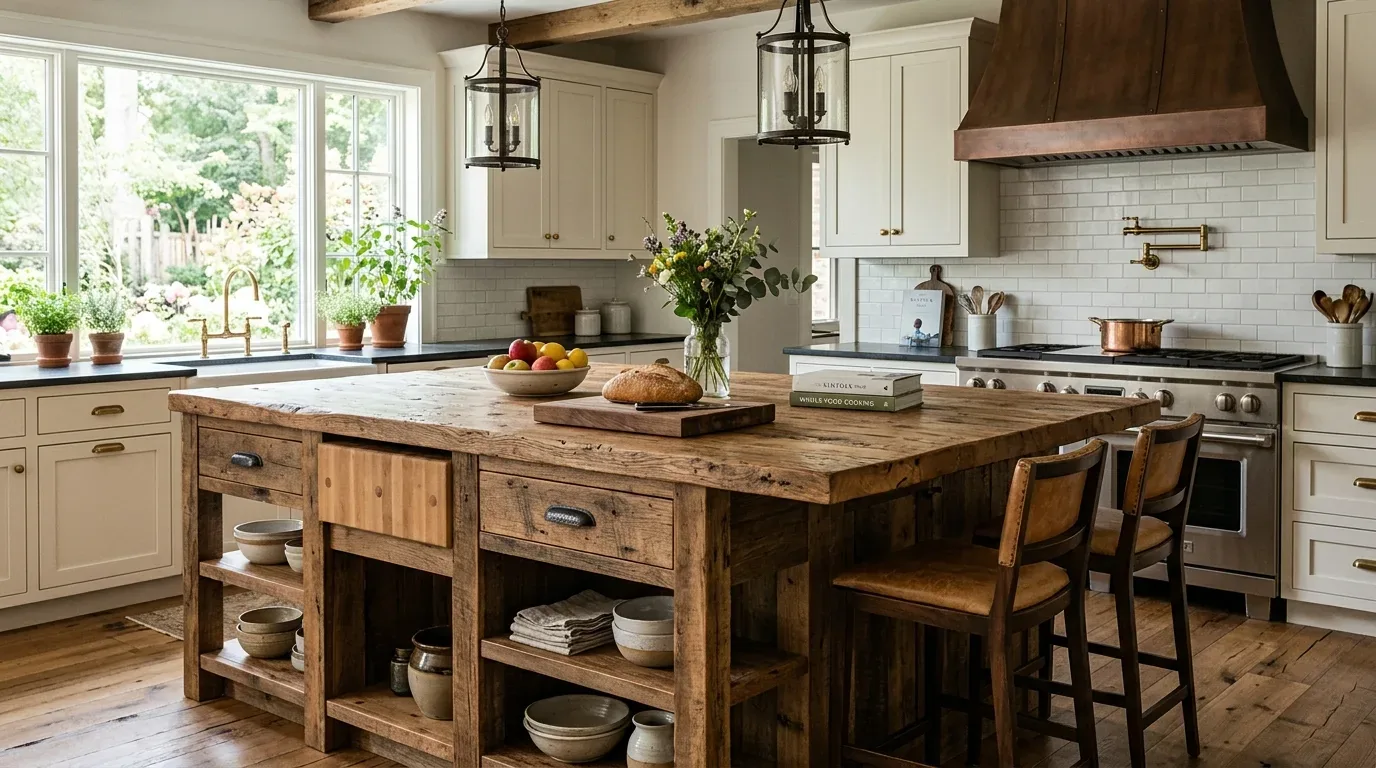
A farmhouse style kitchen with a large rustic wooden island, white cabinetry, brass fixtures, and a copper range hood
A farmhouse style kitchen with a large rustic wooden island, white cabinetry, brass fixtures, and a copper range hood.

Many homeowners searching for a white kitchen with a farmhouse sink want to visualize how this classic look can blend timeless charm with modern functionality. The key is understanding how to balance the white palette with authentic materials and thoughtful design choices. In 2026, a white kitchen with a farmhouse sink is about warm, restrained elegance paired with durable, authentic finishes.

Built from our active project files, this post explores the popular styles, materials, layouts, and lighting choices that define this look. We’ll share real-life insights, including a detailed war story about a Sacramento project that highlights the importance of proportion and plumbing considerations when planning your farmhouse sink upgrade.

Direct Answers (White Kitchen With Farmhouse Sink)

What should I consider when choosing a white kitchen with a farmhouse sink in Sacramento?Consider authentic, durable materials like white quartz countertops and solid wood shaker cabinets, along with a stainless steel farmhouse sink that fits your space and style.
How does regional design influence a white kitchen with a farmhouse sink in Sacramento?Sacramento's warm climate and historic architecture favor light, airy spaces with natural materials like reclaimed wood and natural stone, aligning with the farmhouse aesthetic.
What size and layout are ideal for a farmhouse sink in a Sacramento home?A 36-inch sink fits well in a standard 36-inch base cabinet, with at least 36 inches of clearance in front; larger or double-basin models require careful planning for proportion and flow.
Are there specific permits required for installing a farmhouse sink in Sacramento?Relocating plumbing for the sink requires a plumbing permit; slab foundations make relocation more expensive, and other work may trigger additional permits depending on scope.

Embracing Authenticity with Classic Materials

When designing a white kitchen with a farmhouse sink in 2026, the first major move is choosing authentic, durable materials that lend warmth and character. Across our active project specifications, we favor white quartz countertops with subtle veining, which offer the low maintenance of engineered stone while mimicking natural stone’s timeless appeal. For cabinetry, solid wood shaker doors finished in a soft matte white, like Benjamin Moore’s Simply White, provide a clean yet warm backdrop that pairs beautifully with a farmhouse sink.

In selecting a farmhouse sink, the NKBA’s guidance on durable, high-quality stainless steel undermount models remains relevant. We recommend 16-gauge 304 stainless with sound-dampening and a brushed PVD finish, which resists scratches and maintains a refined look. Finishes like matte brass or oil-rubbed bronze in hardware and fixtures add subtle contrast without overwhelming the restrained palette. The goal is to create a kitchen that feels authentic, warm, and built to last, avoiding trendy finishes that may date quickly.

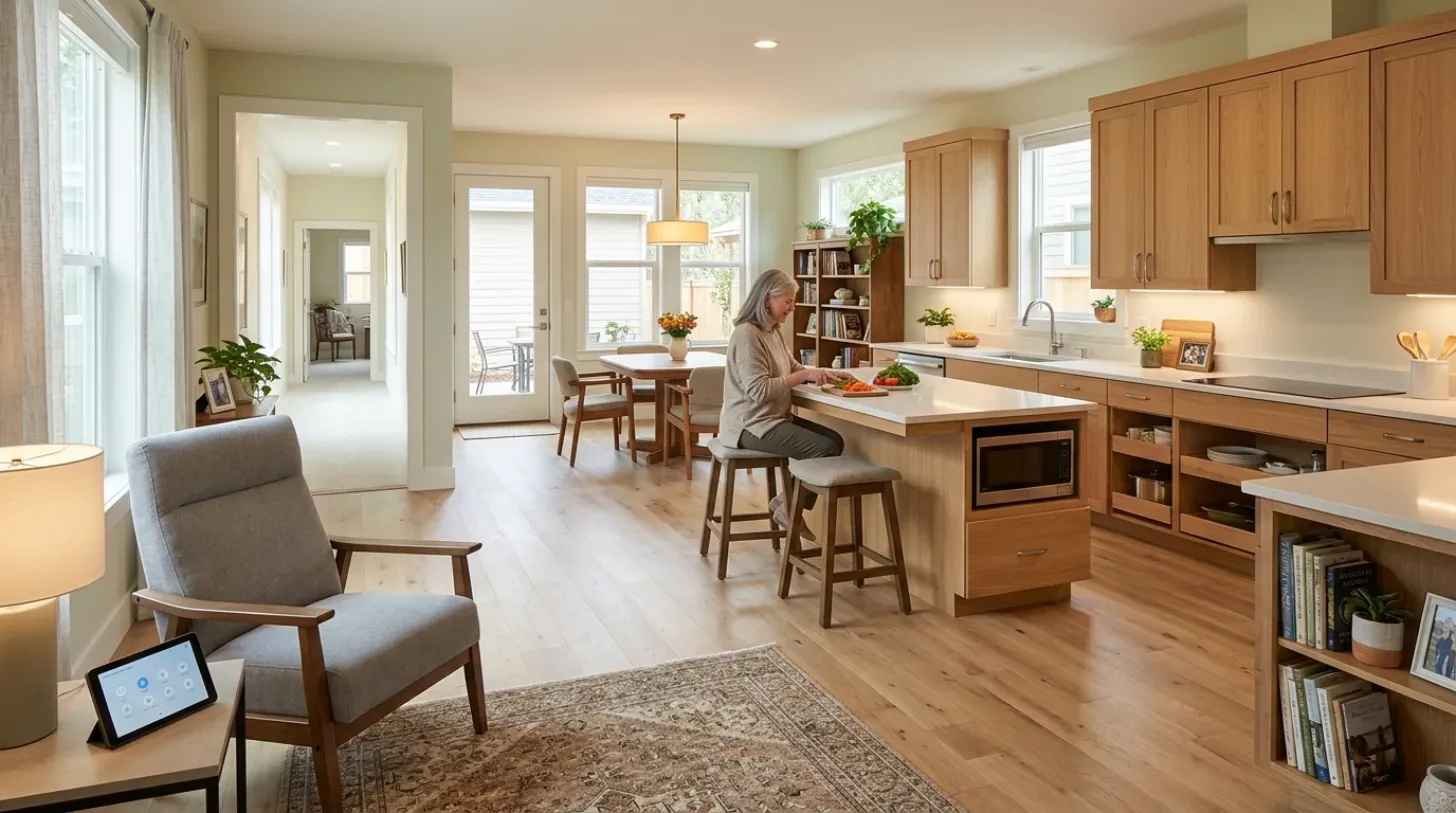
A bright, modern kitchen and dining area with light wood cabinetry, a kitchen island, and a woman preparing food
A bright, modern kitchen and dining area with light wood cabinetry, a kitchen island, and a woman preparing food.

Materials That Stand the Test of Time

Authenticity-grade materials

  • White quartz (engineered, consistent slab), low maintenance and durable, with subtle veining for authenticity
  • Solid wood shaker doors (maple or oak, painted or stained), classic, resilient, and easy to customize
  • 16-gauge 304 stainless steel (undermount), noise-dampened, scratch-resistant, and built to last
  • Brushed PVD brass hardware (faucets and pulls), resistant to tarnish, adds warmth and contrast
  • Natural stone backsplash (marble or quartzite), adds character, with proper sealing for longevity
  • Cement or matte-finish paint (Benjamin Moore or Sherwin-Williams), soft, durable, and easy to refresh
  • Porcelain or ceramic tiles (neutral, matte finish), durable, easy to clean, and subtle in texture
  • Reclaimed wood accents (optional), for warmth and layered texture

Generic-grade tells we refuse to spec

  • Laminates, low-cost, but lack authenticity and durability
  • Veneer finishes, prone to chipping and not suitable for high-use kitchens
  • Thin quartz or stone slabs (1cm), may crack or scratch easily
  • Chrome or polished nickel hardware, less warm, more reflective, less authentic
  • High-gloss paint, can show fingerprints and imperfections
  • Plastic or composite sinks, less durable and authentic than stainless steel
  • Low-grade MDF cabinets, prone to warping and damage over time
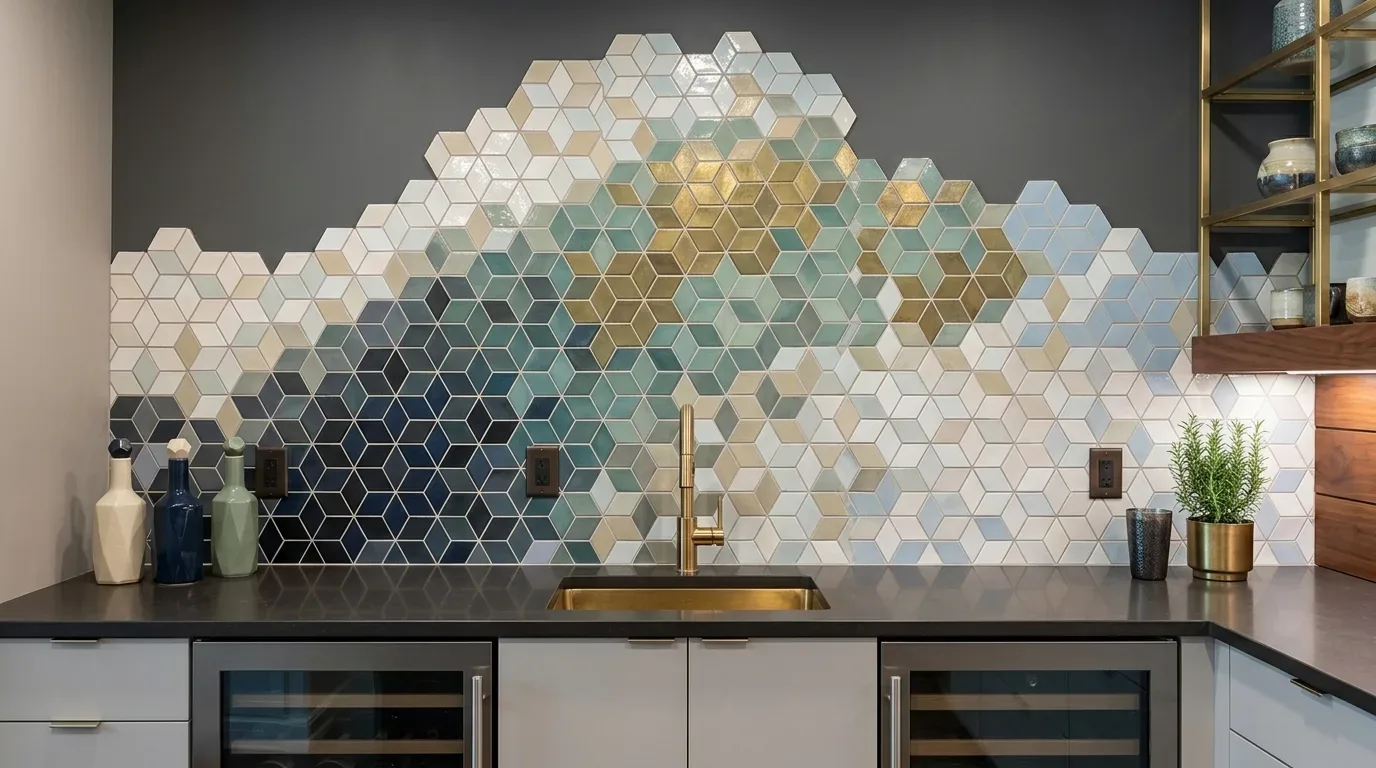
A modern kitchen with a geometric hexagonal tile backsplash in shades of blue, green, gold, and white, featuring a gold faucet and sink, dark countertop, and decorative bottles and plants
A modern kitchen with a geometric hexagonal tile backsplash in shades of blue, green, gold, and white, featuring a gold faucet and sink, dark countertop, and decorative bottles and plants.

What size and layout should I choose for my farmhouse sink?

Choosing the right size and layout for your farmhouse sink is crucial for both function and aesthetic balance. The homeowner’s first question often revolves around how large a sink should be to handle daily tasks without overwhelming the space. Our initial assessment asks about ceiling height, countertop thickness, and available footprint. For example, a 36-inch sink fits well in a standard 36-inch base cabinet, but a larger 48-inch sink might require custom cabinetry or a wider opening.

When planning the layout, consider the proximity to the dishwasher and the flow of movement. An island-mounted farmhouse sink creates a different visual impact than one centered against a wall. We recommend a minimum of 36 inches of clearance in front of the sink, especially if it's a primary workspace. For larger kitchens, a double-basin configuration can increase functionality, but it requires careful proportioning to avoid cluttering the space. Our team often uses a combination of site measurements and digital models to ensure the sink size complements the overall design while maintaining practical usability.

Should I opt for a custom or stock farmhouse sink?

Deciding between a custom and stock farmhouse sink hinges on budget, timeline, and design vision. The first decision we ask homeowners is about their priorities: are they seeking a perfect fit with unique detailing, or do they prefer a quicker, more cost-effective solution? Custom sinks, typically fabricated by local artisans or specialty fabricators, offer tailored dimensions, finishes, and apron styles. They can cost from $2,500 to $6,000 and usually take 6-8 weeks to produce.

Stock models from brands like Elkay or Shaws come in standard sizes and finishes, often ready in 2-4 weeks, at a range of $800 to $2,000. While less customizable, they are durable and provide a high-quality look that can be upgraded with thoughtful finishing touches. Our experience shows that a well-chosen stock sink with authentic hardware and a quality finish can look as timeless as a custom piece, especially when paired with carefully selected materials and attention to proportion.

Is this style going to stay timeless or look dated?

The homeowner’s real concern often centers on whether a white kitchen with a farmhouse sink will retain its appeal over time. Our first question is about the lasting value of the materials and style choices. In 2026, the trend leans toward authentic, natural finishes and simple, clean lines that emphasize craftsmanship. Classic materials like natural stone backsplashes and solid wood cabinetry, paired with timeless hardware, are less likely to look dated.

Designers emphasize restraint and quality over fleeting trends. The American Society of Interior Designers highlights the importance of investing in well-made, authentic finishes that age gracefully. In Sacramento’s older homes, preserving character while updating with modern, durable materials offers a style that feels both fresh and timeless. The key is avoiding overly ornate or high-gloss finishes that may date quickly and instead focusing on layered textures and subtle contrasts that evolve beautifully with age.

What lighting choices will enhance the white farmhouse kitchen?

Lighting is vital for highlighting the warmth and texture of your white kitchen with a farmhouse sink. The first question we ask is whether to focus on layered ambient, task, and accent lighting. In 2026, warm LED recessed lights and under-cabinet LEDs provide soft, functional illumination, while pendant lights over the sink or island add focal points. For a farmhouse aesthetic, fixtures with matte brass or antique finishes complement the authentic style.

Natural light plays a significant role, especially in Sacramento’s bright climate. Large, airy windows enhance the white palette and make the space feel larger and more inviting. When selecting fixtures, consider dimmable options to adjust mood and functionality throughout the day. The American Institute of Architects emphasizes that lighting should serve both aesthetic and practical needs, especially in kitchens where task performance is key. Proper lighting enhances the textures of natural materials and creates a welcoming, timeless atmosphere.

What backsplash options best complement a white farmhouse sink?

The backsplash is a defining element that ties the entire aesthetic together. The homeowner’s first question often relates to which materials and styles create a cohesive look. In 2026, natural stone backsplashes like marble or quartzite add subtle texture and character without competing with the sink. Neutral, matte-finish tiles in subway or herringbone patterns are also popular choices that evoke farmhouse charm while maintaining a clean, modern feel.

We recommend sealing natural stone properly to prevent staining and choosing grout colors that blend seamlessly. For a more relaxed look, reclaimed wood or matte-finish ceramic tiles can introduce warmth and texture, especially in Sacramento’s climate. The NKBA’s insights on backsplash design emphasize balancing durability, ease of cleaning, and aesthetic harmony. When executed thoughtfully, the backsplash enhances the overall timelessness of the white farmhouse kitchen, making it a welcoming and enduring space.

Observed Failure Modes, How White Kitchen With Farmhouse Sink Goes Wrong

From our project debriefs and post-occupancy reviews, 2023-2026.

Choosing trendy finishes over authentic materials

Many homeowners fall into the trap of selecting high-gloss, overly trendy finishes like reflective gloss paint or faux materials that look modern but lack longevity. These choices can date quickly and require costly updates. Our advice is to prioritize authentic, durable materials such as natural stone, solid wood, and matte finishes that age gracefully. A well-constructed, timeless palette ensures the kitchen remains relevant for years to come, especially in Sacramento’s evolving housing market.

Overly small or mismatched proportions

Attempting to fit a large farmhouse sink into a space designed for a standard size often results in a cramped or awkward appearance. This can also hinder functionality. The key is accurate measurement and understanding the scale of the sink relative to surrounding cabinetry and countertops. Using tools like a story pole during planning can prevent costly mistakes and ensure the sink complements the overall proportion of the kitchen.

Neglecting lighting that highlights textures

Poor lighting can flatten the textures and warmth of authentic materials. Avoid harsh, direct lighting that creates glare or shadows. Instead, layer ambient, task, and accent lighting with warm tones to bring out the natural beauty of finishes like reclaimed wood or natural stone. Proper lighting elevates the design, especially in a white kitchen where subtle shadows add depth and interest.

Ignoring regional climate impacts on materials

Sacramento’s dry, warm climate can affect certain materials like natural stone or wood over time. Failing to choose appropriately sealed or treated finishes can lead to staining or warping. Always select materials rated for California’s climate and incorporate proper sealing and maintenance routines to ensure longevity and beauty of the space.

Underestimating plumbing and electrical requirements

Relocating a farmhouse sink or upgrading fixtures often triggers permit requirements, especially in older Sacramento homes. Overlooking the need for electrical or plumbing permits can cause delays and added costs. It is essential to review local codes and consult with licensed professionals early in the design process. The Sacramento Building Division’s guidelines can be found at their official site.

What's Going Out for 2026

  • Using low-grade materials like laminate or thin stone slabs
  • Choosing overly ornate or fussy hardware
  • Opting for high-gloss, reflective finishes
  • Ignoring authentic, natural materials
  • Overly small or disproportionate farmhouse sinks
  • Neglecting proper lighting layers
  • Forcing a layout that doesn’t suit the space
  • Overlooking permit requirements for plumbing or structural work

What White Kitchen With Farmhouse Sink Costs in 2026

ScopeTypical range
Cosmetic refresh (cabinet refacing, counters, fixtures, paint)$40K-$60K
Mid-tier full remodel (new cabinetry, quartz, appliances, no layout change)$65K-$110K
Estate-scale (layout change, structural work, custom cabinetry)$110K-$200K+

Working Notes

What We Have Learned Doing This: White Kitchen With Farmhouse Sink

“If the cabinet drawings are not frozen before slab templating, expect rework.”

Panel-ready appliances drive the cabinet shop calendar, not the other way around. Order them first or accept that the boxes sit waiting for a panel.

Specify for the next ten years, not the next photo shoot. The work that holds its value is quiet, well made, and a little bit boring on the day it is installed.

After enough projects you stop fearing bad taste and start fearing the boring things: delays, sequencing mistakes, moisture behind a wall, an electrician improvising, framing that is not where the drawings swear it is. The aesthetic part still matters, it is why anyone hires anyone, but execution decides whether the room ever gets built the way it was drawn.

Order the long-lead items before anything else and design the sequence so the rest of the job can proceed without them. The appliance, the stone, the custom millwork set the schedule, and pretending otherwise is how a project loses a month it never gets back.

These notes come from our own white kitchen with farmhouse sink project debriefs. Most were learned the expensive way the first time.

Sources & Professional References

This guide's positions on kitchen are grounded in published building-code, standards, and recognized design-authority sources, alongside Designed | Curated Interiors' verified credentials and active project files:

Frequently Asked

What should I consider when choosing a white kitchen with a farmhouse sink in Sacramento?
Consider authentic, durable materials like white quartz countertops and solid wood shaker cabinets, along with a stainless steel farmhouse sink that fits your space and style.
How does regional design influence a white kitchen with a farmhouse sink in Sacramento?
Sacramento's warm climate and historic architecture favor light, airy spaces with natural materials like reclaimed wood and natural stone, aligning with the farmhouse aesthetic.
What size and layout are ideal for a farmhouse sink in a Sacramento home?
A 36-inch sink fits well in a standard 36-inch base cabinet, with at least 36 inches of clearance in front; larger or double-basin models require careful planning for proportion and flow.
Are there specific permits required for installing a farmhouse sink in Sacramento?
Relocating plumbing for the sink requires a plumbing permit; slab foundations make relocation more expensive, and other work may trigger additional permits depending on scope.
What materials are recommended for a farmhouse sink to ensure longevity?
A 16-gauge 304 stainless steel undermount sink with sound-dampening and a brushed PVD finish is recommended for durability and refined appearance.
What design tips can help prevent common mistakes when remodeling a white kitchen with a farmhouse sink?
Use precise measurements and plan for proportion and functionality early, especially with plumbing and cabinetry, to avoid costly mistakes and ensure a balanced, authentic look.

From White Kitchen With Farmhouse Sink to a Real Room

A trend piece is the briefing document, not the deliverable. The pages below show how we translate these principles into finished rooms across Sacramento and the rest of Northern California.

Start a Project Conversation →

Call (916) 756-5977Book a Consultation