
Hunting for a skilled 1920s Craftsman interior designer in Auburn? Focus on those with a track record in period crafting and matching finishes. Craftsman restoration designers stick to authenticity. They weave in modern amenities while keeping the home's roots visible.
Built from our active project files, this guide will explore the top Auburn interior designers known for Craftsman home restorations, common techniques used, how they incorporate authentic materials, and typical costs involved. We’ll also share a real-world war story about a restoration challenge and offer practical advice on preserving original architectural features during the process, all from a designer’s perspective rooted in the Auburn area.
Common Questions
| What should I look for in an interior designer specializing in Auburn 1920s Craftsman restoration? | Look for someone with hands-on experience in Auburn’s Craftsman stock—specifically, designers who’ve worked with the region’s original joinery, built-in cabinetry, and local material sourcing. The best ones will point to projects where they’ve preserved or replicated rift-sawn white oak, original hardware, and period-specific details like hand-rubbed oil stains. Ask for examples of how they’ve handled structural vs. cosmetic interventions in similar homes. |
| How do Auburn interior designers ensure authenticity in Craftsman home restorations? | Authenticity starts with material integrity: quarter-sawn oak floors, solid wood cabinets with traditional dovetail or mortise-and-tenon joinery, and hardware that matches the era. The top designers here also push back on shortcuts—like using engineered wood where rift-sawn white oak is called for—and will source finishes from local suppliers who’ve worked with Craftsman restorations before. Preservation of original built-ins or fireplaces is non-negotiable; they’ll fight for those even if it means a higher budget. |
| When considering a Craftsman restoration in Auburn, should I rebuild or remodel? | Rebuilding is a last resort unless the structure is compromised beyond repair. A well-executed remodel—especially in Auburn’s older homes—can preserve original bones while modernizing layouts for function. For example, opening up a dark hallway to daylight with a new window (permitted under Auburn’s historic overlay zone) often costs half what gutting and rebuilding would. The key is working with a designer who’s done both and can prove which approach saved their clients money *without* sacrificing authenticity. |
| What materials are commonly used for authentic Craftsman interiors in Auburn? | The non-negotiables are rift-sawn white oak for flooring (its grain pattern matches the era’s aesthetic), solid wood cabinets with raised-panel doors, and quarter-sawn oak for built-ins. Finishes like hand-rubbed tung or walnut oil stains—applied by local craftsmen who’ve done this work for decades—are the gold standard here. Avoid laminates or pre-stained materials; the historic societies in Auburn will flag those as red flags during inspections. And if you’re dealing with original trim, a skilled carpenter will match the existing profile, not just slap on new baseboards. |
First Major Design Move: Authenticity in Material Selection
Restoring a 1920s Craftsman interior in Auburn begins with a focus on authenticity, especially in materials. Across our active project specifications, we emphasize using rift-sawn white oak for flooring and built-ins because of its calmer grain and historical accuracy. For millwork, we often specify solid wood Craftsman-style cabinetry with traditional joinery, avoiding modern veneer overlays. Use Sherwin-Williams or Benjamin Moore matte finishes for a protective layer. A hand-rubbed oil stain really finishes the design. These finishes are durable. They also honor the past.
Using period materials respects the era's craftsmanship beyond just looks. Clients in Auburn appreciate the touch of authentic materials. They age well and boost value over time. Balance history and modern standards. Make sure spaces feel true yet livable. Local millworks or specialty vendors help match materials and finishes closely. This keeps the home's charm.
Why Auburn’s Neighborhoods Enhance Craftsman Restorations
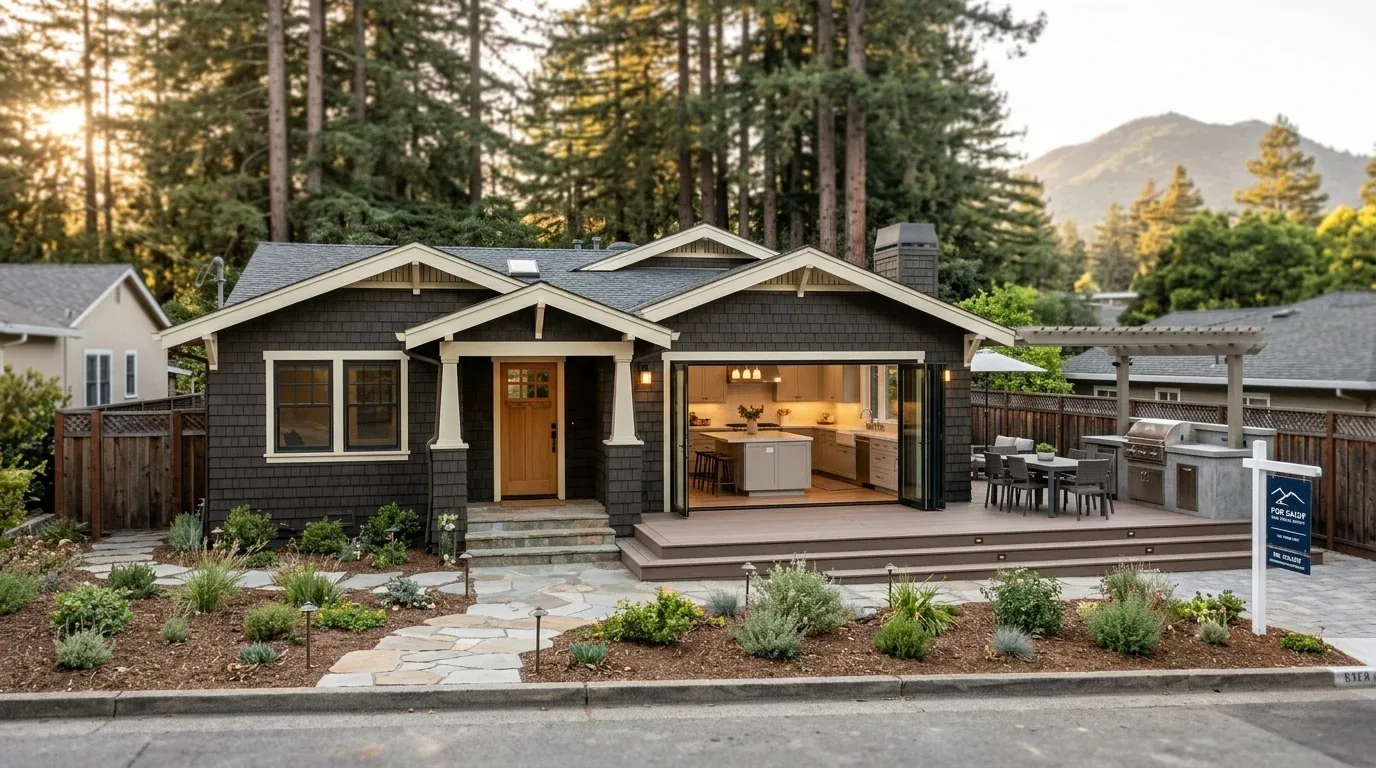
Auburn’s historic neighborhoods near Lincoln Way are rich with early 20th-century homes that embody the Craftsman ethos. Natural light helps restore these homes. Houses in Auburn often have original built-ins and exposed beams worth saving. The local weather suggests using durable finishes and reclaimed woods for their aging qualities.
We respect Auburn's character, combining restoration with modern comfort. The proximity to Sacramento and the broader Bay Area means we often incorporate regional sourcing for materials and consult local permit requirements through the Building Division of Auburn. Craftsman projects near Lincoln Way need regional understanding to meet local history and codes. To see more about our Auburn-specific work, visit /insights/roseville-interior-designer/.
Auburn, with its architectural history, makes Craftsman restorations special. Respect the original workmanship.
Should You Remodel or Rebuild Your Auburn Craftsman Home?
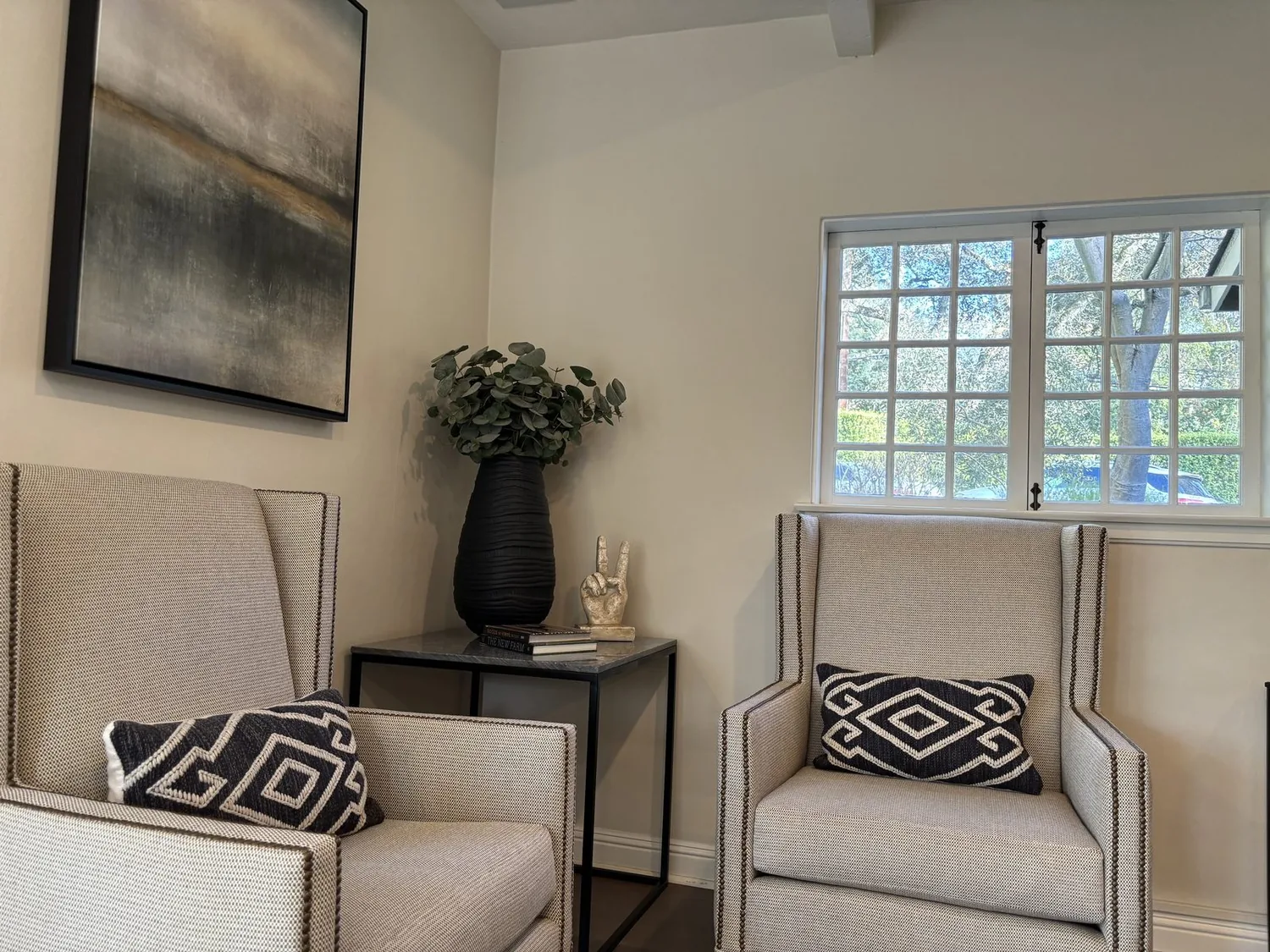
Auburn homeowners often weigh remodeling against rebuilding their Craftsman homes. The choice depends on structural integrity and budget, plus the use of original materials. Significant foundation issues suggest rebuilding but involve higher costs and permits. A remodel that keeps key features can be cheaper and authentic.
In various projects, we've found original quarter-sawn oak floors under wear that can be refinished. The key is understanding the scope: does the home’s structure support preservation, or are there hidden issues like moisture or rot? We recommend a detailed assessment including a permit review with the Auburn Building Division and a look at the actual space with a laser level and material samples to inform this decision. Balancing preservation with modern needs defines the project. Keep character. Meet today's standards.
- Cost vs. value of rebuilding versus remodeling
- Structural condition of original framing
- Historical significance of original features
- Long-term maintenance considerations
- Permitting and zoning restrictions in Auburn
How to Modernize a 1920s Craftsman Home in Auburn Without Losing Its Character
Modernizing a 1920s Craftsman home in Auburn involves integrating contemporary amenities while honoring the home's original craftsmanship. We start by asking which features add value. Don't compromise authenticity. Update wiring and integrate smart tech quietly. Minimal changes help retain original charm. We often specify period-inspired fixtures and finishes, such as bronze hardware and hand-painted wall coverings, which complement the vintage architecture.
Shift a wall here, add a range hood there. Aim for subtle updates to keep the vintage feel. The American Society of Interior Designers emphasizes that successful modernization respects the building’s era, using authentic materials and craftsmanship as a foundation. In Auburn, it's all about adding tech without losing that timeless feel.
| Upgrade Area | Recommended Approach | ROI Impact |
|---|---|---|
| Kitchen appliances | Period-inspired hardware with modern tech | High |
| Lighting | Recessed fixtures with vintage-style shades | Moderate |
| HVAC | Discreet ducting, zone controls | High |
Cost ranges by scope: Auburn Craftsman restorations
2026 planning ranges by scope, Sacramento against Bay Area / Marin. They bracket a budget; they are not a quote for a specific house.
| Scope | Sacramento | Bay Area / Marin |
|---|---|---|
| Basic refresh with period-appropriate finishes | $30K-$60K | $50K-$90K |
| Mid-tier renovation with structural and material upgrades | $60K-$120K | $90K-$180K |
| Full restoration with custom millwork and historical details | $120K-$250K | $180K-$400K |
Local permits & planning
Sources & Professional References
This guide's positions on permits are grounded in published building-code, standards, and recognized design-authority sources, alongside Designed | Curated Interiors' verified credentials and active project files:
- International Code Council (ICC): Chapter 17 Special Inspections And Tests
- International Code Council (ICC): Careers In Code Enforcement
- Building Division, Auburn (Placer County) building permit portal
- NKBA, Amy Kunst Member Profile (verified credential, NKBA Committee Member)
- Featured in: Homes & Gardens (design expert quote, May 2026) · Sacramento Love (guest author, 2024)
Related reading
- Sacramento & Bay Area Interior Design Services How we scope, source, and deliver work end to end.
- Interior Designer Hub, Auburn Where most of our Auburn work lives, the regional fit explained.
- Mill Valley 1920s Craftsman Restoration Interior Designer Related cluster piece referenced from the Mill Valley 1920s Craftsman Restoration Interior Designer build files.
- Sacramento 1920s Craftsman Restoration Interior Designer Related cluster piece referenced from the Sacramento 1920s Craftsman Restoration Interior Designer build files.
- Elk Grove 1920s Craftsman Restoration Interior Designer Related cluster piece referenced from the Elk Grove 1920s Craftsman Restoration Interior Designer build files.