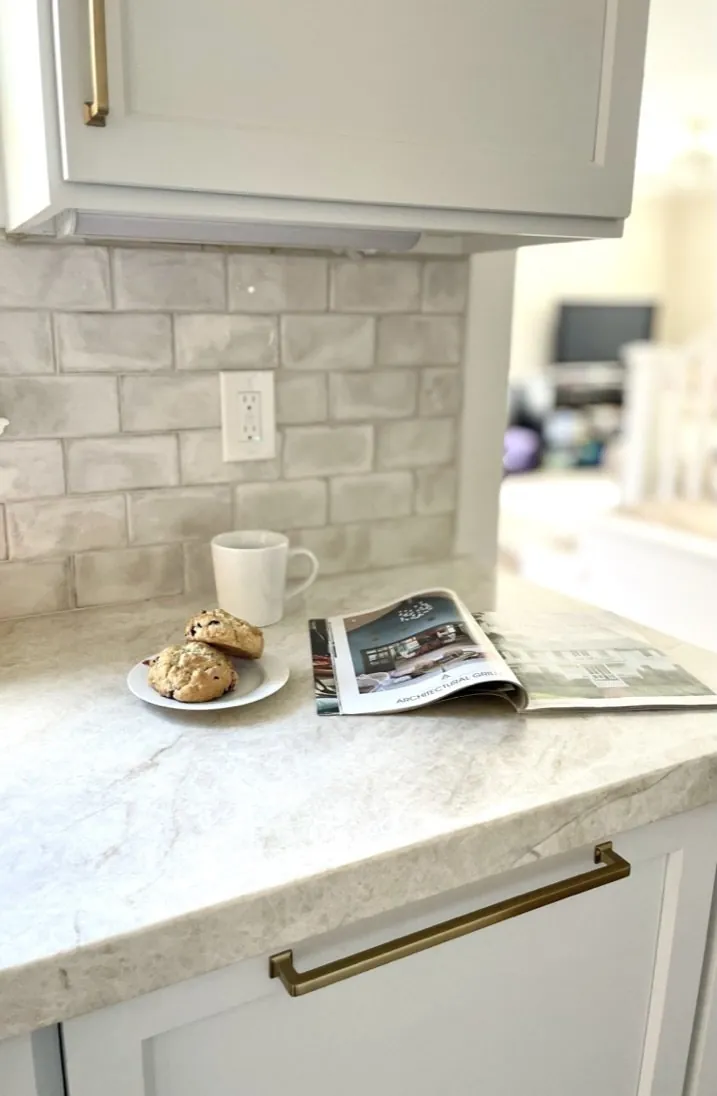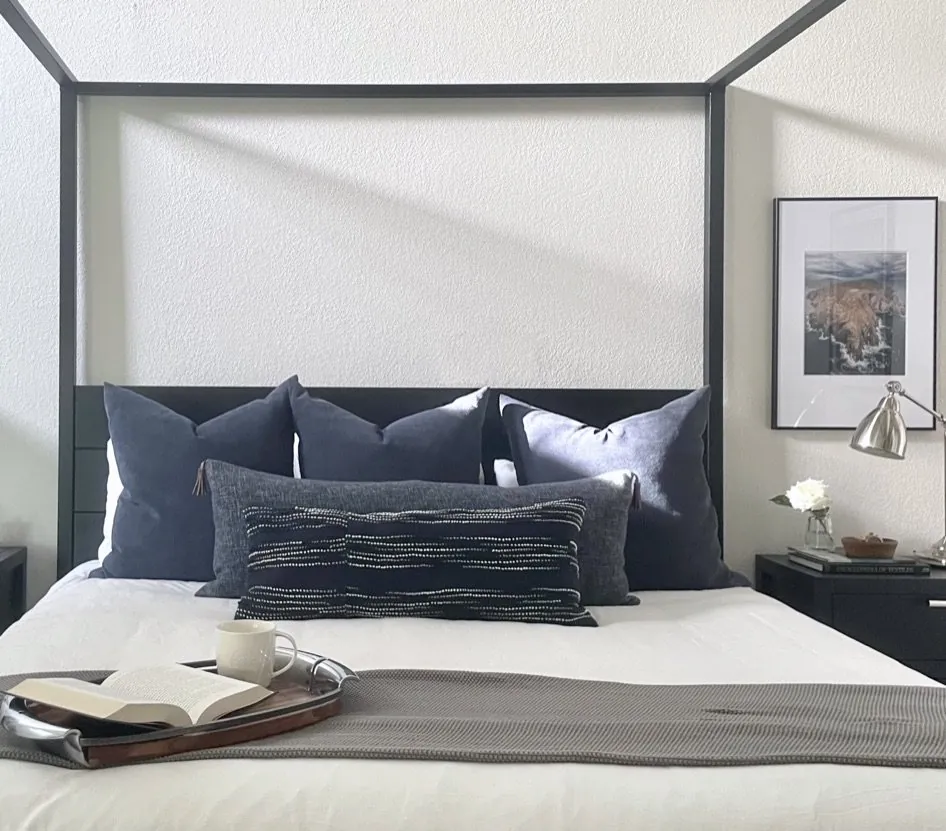
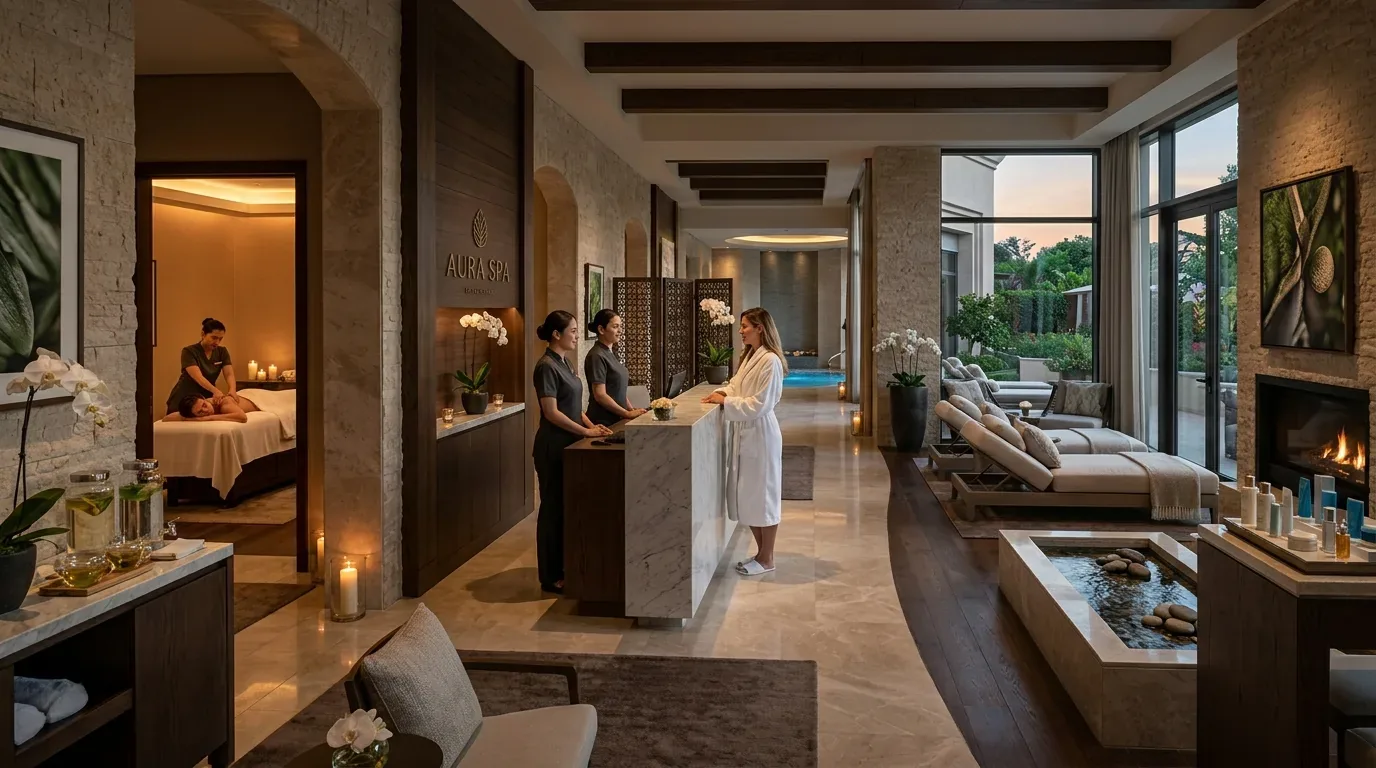
For a real woodland vibe, use oak and limestone, not fake nature scenes. Layer light, hide modern parts. Woodland design should feel natural, not just fancy. In 2026, I favor restrained warmth: fewer rustic gestures, better materials, stronger views, and details that grow in interest over time. This guide looks at the choices that make woodland-inspired boutique hospitality succeed. Combining modern touches with rustic charm is tough in Woodland. You need to avoid making Woodland’s spaces feel too cabin-like.
Direct Answers (Boutique Hotel Interior Design Woodland)
| What materials are recommended for creating a woodland-inspired boutique hotel interior? | Use rift-sawn oak for grain, honed stones for counters. Wool and linen-type textiles work too. |
| How should lighting be handled in a woodland-themed boutique hotel design? | Adjustable lighting sets the mood without overwhelming. |
| What are some key considerations for material durability in a boutique hotel with a woodland design? | Spend more on touchpoints. Where people engage with surfaces, quality counts. |
| Why is it important to avoid thematic over-design in a woodland-inspired boutique hotel? | Too much theme without function can mess up traffic flow. |
Boutique Hotel Interior Design Woodland 2026 at a Glance
| Element | In | Out |
|---|---|---|
| Wood | Quiet rift-sawn oak | Orange-toned rustic wood |
| Color | Mineral earth tones | Forest-green overload |
| Lighting | Layered low-glare light | Bare overhead illumination |
| Stone | Organic stone surfaces | Fake stacked-stone walls |
| Textiles | Textured wool and linen | Overly precious fabrics |
| Furniture | Curved casegoods | Theme-park log furniture |
| Technology | Hidden hotel technology | Visible cords and devices |
| Durability | Commercial-grade natural finishes | Residential-grade wear surfaces |
Make the Woodland Story Material, Not Thematic
Decide which woodland qualities guests should experience: filtered light, bark texture, quiet color shifts, stone underfoot, mossy textures, wool, and linen. Across our active project specifications, rift-sawn white oak is especially useful for wall slats, reception millwork, doors, and furniture because its calmer grain supports a woodland palette without shouting rustic. Behr Marquee 'Cloudy Sky' matte finish is durable for hospitality lighting.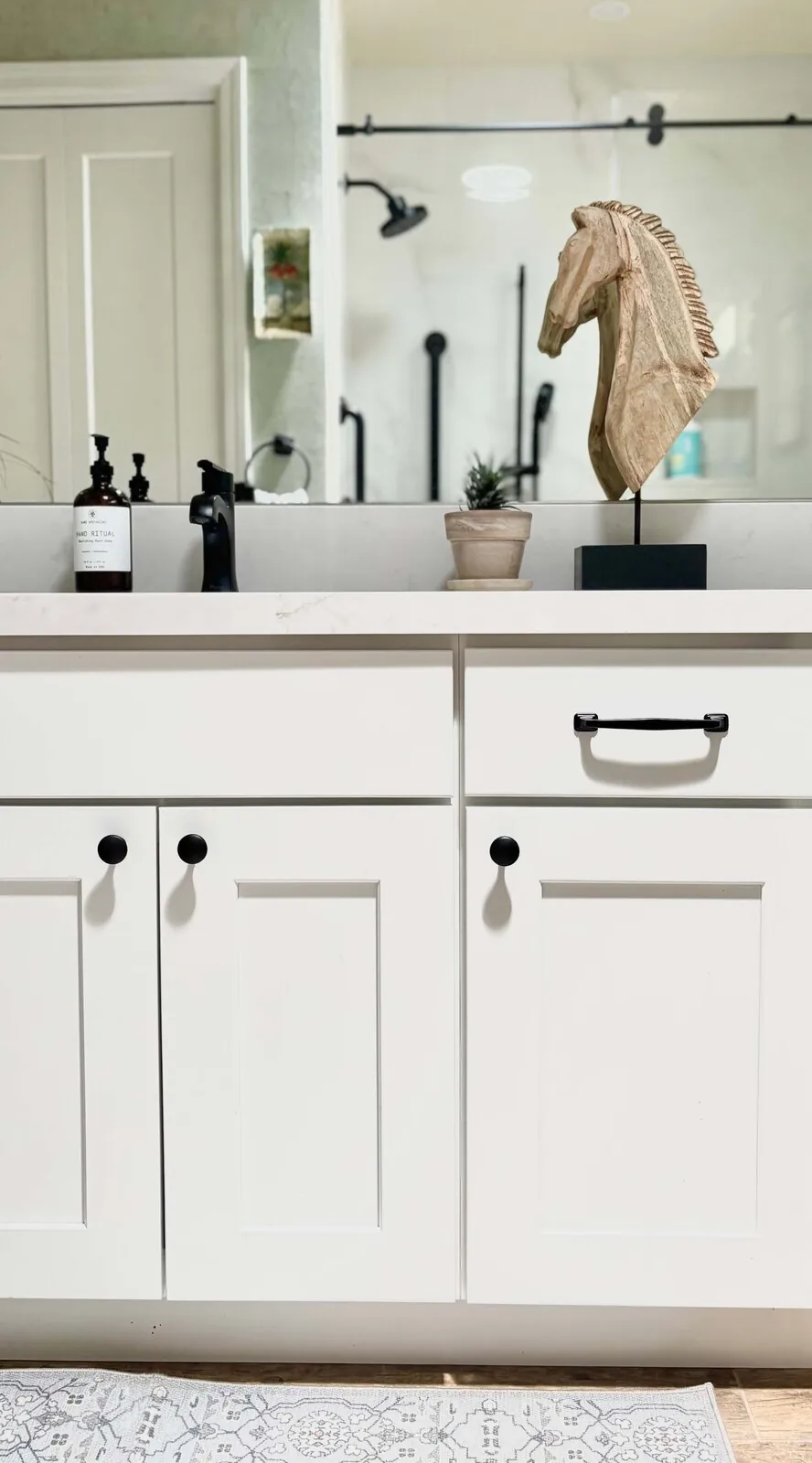
Honed limestone or soapstone over fake stone surfaces with tree prints. Opt for wool or linen-like textures. Aged brass details. Paint in mushroom and clay tones. Brands such as Benjamin Moore and Farrow & Ball offer useful starting points for these muted color families, while Durkan and Camira provide commercial textile options where traffic and cleaning matter.
In Sacramento area, daylight matters. Strong Sacramento Valley sun can flatten a palette that looks beautiful in a mood board, so I prefer a controlled value range with texture doing more of the work than contrast. That gives the hotel a woodland character at noon and still makes sense after dark.
Specify Materials That Could Belong in the Landscape
Authenticity-grade materials
- White oak, rift-sawn, for floors and slat detail; calmer grain than plain-sawn oak and easier to combine with stone.
- Douglas fir, for selected ceiling or millwork applications; its straight grain works when kept pale and matte.
- Honed limestone, for reception counters or feature flooring; softly varied and less visually busy than polished stone.
- Quartzite, for high-touch counters; natural mineral movement gives depth while offering strong durability.
- Soapstone, for intimate bar or hospitality surfaces; its dark, tactile character gives a grounded woodland note.
- Wool upholstery, for lounge seating; texture reads warm while commercial grades can handle serious use.
- Performance linen-look fabric, for drapery and upholstery; gives the softness of linen without relying on fragile residential cloth.
- Hand-finished plaster, for selected walls; subtle variation creates the quiet irregularity associated with natural surfaces.
- Terracotta, in restrained floor or accessory applications; its mineral warmth connects well with clay and bark tones.
- Aged brass, for hardware and small fixtures; the softer metallic finish avoids the showroom quality of bright chrome.
- Natural fiber acoustic panels, for lounges and corridors; texture can support the woodland language while improving sound absorption.
- Commercial-grade wool carpet, for guestrooms and quieter corridors; organic patterning can disguise wear without looking busy.
Generic-grade tells we refuse to spec
- Faux-log wall panels used as the primary architectural gesture.
- Printed tree murals replacing actual material depth.
- Orange-stained pine used across every visible surface.
- Plastic panels mimic stone but keep seams obvious.
- Glossy laminate shows every light reflection.
- Repeated bark patterns everywhere.
- Residential upholstery in guest-facing seating.
- High-contrast black-and-white palettes that erase the softer woodland quality.
Designer Decision Matrix: Which Boutique Hotel Interior Design Woodland Approach Fits Your Home
How we actually decide: match your situation to what we would specify, and the reasoning behind it.
| Your Goal | Best Solution | Why We Recommend It |
|---|---|---|
| Controlled hospitality budget | Use real oak selectively at reception and major guest sightlines, then carry the palette with paint, textiles, and durable flooring. | A few high-contact material moments create perceived quality without multiplying millwork labor and installation time across every wall. |
| Luxury finish | Specify rift-sawn oak, natural quartzite, wool upholstery, aged metal, and layered architectural lighting. | Quiet shifts in color provide an upscale feel. |
| Small boutique property | Use one continuous wood species and one restrained stone throughout public areas. | Material continuity makes compact spaces feel larger because sightlines are not interrupted by a collection of competing finishes. |
| Contemporary woodland identity | Pair pale oak and mineral plaster with curved furniture and concealed technology. | Curves soften up rooms. Neutral palette stays calm. |
| High guest turnover | Use commercial-grade wool or performance upholstery, honed stone, and repairable wood finishes. | Surfaces that can be locally maintained are more practical than delicate finishes. |
| Strong indoor-outdoor connection | Frame landscape views with controlled window treatments and repeat exterior colors inside. | Northern California properties often receive strong daylight, so tying interior values to the landscape makes the woodland concept feel site-specific rather than decorative. |
| Older commercial building | Keep useful original proportions and introduce woodland materials through millwork, lighting, and furniture. | Working with existing structures keeps costs down and makes design feel intentional. |
Why Woodland Works for This Hospitality Language
Woodland has a useful tension for this design direction. No need to mimic a lodge here. Filtered light, mineral textures, pale woods make it feel woodland. Make sure it fits naturally with what's outside, like mature trees. That feels more believable in the Central Valley.
Light matters. Northern California daylight can be harsh in big open spaces with large windows. A dark palette can overwhelm quickly. I prefer warm gray, mushroom, clay, muted green, and natural oak values because they blend with nature without making the space too dark. The American Society of Interior Designers places emphasis on design that supports human experience and function, which is especially relevant when the visual concept also has to survive commercial use. American Society of Interior Designers Davis is a useful reference. Hospitality spaces here often connect with the local farm life, enhancing the outdoor vibe. For a Woodland property, that does not mean adding literal farm or forest props. True materials tell the story, pairing well with a rustic outdoor feel. Our Davis interior design insights are useful for that broader regional perspective.
For commercial work, the practical side matters just as much. Guest circulation, accessibility, occupancy, electrical work, and construction changes cannot be treated as decorative afterthoughts. The National Kitchen and Bath Association's professional guidance reinforces the importance of planning around function, clearances, and durable specification. If a Woodland project changes the building, local requirements should be checked with the Woodland Building Division before finishes are finalized.
Which Woodland Materials Are Worth the Money?
The real business-owner question is not, "What looks like a woodland hotel?" It is, "Which materials will guests notice enough to justify the cost, and which ones will get destroyed by commercial traffic?" We see where guests touch and look.
Put money into the reception counter, door pulls, visible millwork, lounge upholstery, and heavy-foot traffic zones. Use quieter commercial finishes elsewhere. A honed quartzite counter stands up well, while a wood wall behind a queue wears down quickly. Planning makes a difference, says the remodeling industry. Small missteps can be serious in commercial design. A hotel cannot easily close a room or lobby for a residential-style do-over. National Association of the Remodeling Industry
How Do You Balance Rustic Character With Modern Hotel Amenities?
Modern amenities should disappear into the architecture. Install outlets where guests charge devices naturally, integrate reading lights into headboards, hide TVs within millwork, and provide clear controls. The woodland layer should be what guests notice first, not a collection of cords, switches, screens, and hardware.
In guestrooms, I like a restrained oak headboard wall, integrated bedside lighting, acoustic treatment hidden within textile or millwork elements, and a compact charging zone. In public spaces, wireless connectivity and modern lighting controls can be current while the visible materials stay warm. Blending tech isn't about going rustic. It’s about making tech quiet. This is especially true in Northern California, where indoor-outdoor living is expected. Strong sunlight through large windows highlights screens easily. Concealed power and controlled glare keep design clean. Simple window treatments maintain unobstructed views.
What Lighting Makes a Woodland Hotel Feel Expensive?
Woodland lighting should be low glare and warm. Wall sconces and pendants add depth to oak and stone. Combining different lights creates a flexible setup in rooms. Wall grazing reveals texture but can also highlight bad joints and poor installation. In a lobby, light the reception face and artwork rather than simply increasing the general illumination. In dining areas, fixtures should make food and faces look good without creating isolated bright spots. A light meter helps with spaces that feel either too dim or overly lit. Bright isn’t the only goal. Lighting guides guests on where to go, sit, or focus.
How Much Does Boutique Woodland Interior Design Cost Per Square Foot?
For a commercial boutique hotel, the useful budget question is not a single national number. It depends on whether the work is a cosmetic refresh, a tenant improvement with substantial finish replacement, or a full hospitality build-out with millwork, lighting, plumbing, mechanical changes, accessibility work, and custom fabrication.
| Scope | Typical planning range | What drives it |
|---|---|---|
| Refresh | $35 to $75 per sq. ft. | Paint, lighting, selected furniture, textiles, limited millwork |
| Mid-tier boutique build-out | $75 to $175 per sq. ft. | New flooring, substantial millwork, upgraded lighting, commercial stone and furnishings |
| High-detail hospitality build-out | $175+ per sq. ft. | Custom millwork, extensive MEP work, premium materials, accessibility changes and complex fabrication |
These are planning bands, not bids. In Woodland and the Sacramento region, labor and trade availability can behave differently from Bay Area work, while imported materials and custom fabrication can erase that advantage. A good designer protects the budget by deciding where material quality changes guest experience and where it does not.
What Are the Mistakes That Make Woodland Design Look Cheap?
Biggest Waste: Spending heavily on a decorative wood wall while leaving guest circulation too tight. Walls may look good but wear quickly from luggage and cart traffic. Biggest Regret: Using residential upholstery for its perfect color and texture, which doesn't hold up to commercial use. A beautiful fabric that cannot tolerate commercial cleaning becomes an operating expense, not a luxury.
Hidden Cost: Treating lighting as the final decorative layer. Moving utility junctions and opening up ceilings drives costs up. Avoid trying to make every room seem exactly woodland; variation feels designed, not uniform. Hotels need hierarchy. The lobby can carry the strongest material statement, while guestrooms can be quieter. Variety makes the space seem carefully designed, not overly themed.
Will Woodland Hotel Design Still Look Good in Five Years?
Yes, if the woodland reference comes from materials and proportion rather than a theme. Rift-sawn oak, wool, stone, brass, these outlast fads. Big leaf prints or animal silhouettes date quickly because they rely on a particular design language rather than materials.
Avoid too much black hardware and dark forest green for lasting decor. They can work, but using them everywhere creates a recognizable timestamp. A light green with mineral neutrals and timber helps when you swap furniture or art later.
Test your design by removing decorative objects. Use materials with history for a design that lasts. From our project debriefs and post-occupancy reviews, 2023-2026. The symptom is a lobby filled with leaf patterns, tree silhouettes, reclaimed branches, animal prints, and dark green walls. It reads as a theme before a hotel. The cure is to remove half the references and strengthen the materials that remain. Real oak, wool, stone, and warm plaster say it all without extra details. Less decoration means easier maintenance in commercial spaces. A fabric can look perfect in a sample chair and fail after repeated luggage contact, cleaning, and guest turnover. Early pilling or stains mean you can't fix the piece easily. The cure is to specify commercial performance first, then choose the closest visual match. Investing more initially saves on replacements. Dark wood, dark carpet, dark paint, and insufficient task lighting can make a woodland concept feel gloomy rather than intimate. The lobby looks good in night renderings but flat during day. Build contrast through texture and light, not just dark colors. Strong daylight shifts deep colors here. Test them. A dramatic reception wall or sculptural light can become dead weight if guests cannot see it from the entry or if furniture blocks it. The symptom is a costly feature that exists mainly in photographs. The cure is to study guest arrival, queue movement, luggage paths, and seating turns before approving the feature. A simpler material in a stronger sightline often produces more value. Visible charging cables, oversized thermostats, exposed equipment, and mismatched controls quickly weaken a carefully restrained woodland interior. Some parts modern, others look unfinished. The cure is to coordinate outlets, controls, televisions, lighting, and network equipment with millwork and furniture early. Technology should work constantly without demanding visual attention. Custom millwork is powerful, but using it for every surface can consume budget and schedule without improving the guest experience. The symptom is a beautiful specification with too many fabrication dependencies. The cure is selective customization: custom reception and key guest-facing pieces, then well-chosen commercial furniture and repeatable details elsewhere. That approach protects opening dates and makes replacement easier.Observed Failure Modes, How Boutique Hotel Interior Design Woodland Goes Wrong
Too Much Literal Forest
Residential Materials in Commercial Traffic
Darkness Mistaken for Cozy
Expensive Feature, Poor Sightline
Technology Left on Display
Custom Everything
What's Going Out for 2026
What Boutique Hotel Interior Design Woodland Costs in 2026
| Scope | Woodland / Bay Area | Sacramento |
|---|---|---|
| Refresh scope | $50K-$125K | $35K-$90K |
| Mid-tier scope | $125K-$350K | $90K-$250K |
| Estate-scale | $350K-$900K+ | $250K-$600K+ |
Local permits & planning
Working Notes
What We Have Learned Doing This: boutique hotel interior design woodland
“The best money spent on a renovation is spent before it starts.”
Specify for the next ten years, not the next photo shoot. The work that holds its value is quiet, well made, and a little bit boring on the day it is installed.
Old houses lie, and so do new ones. An old house never tells the truth about framing. We stopped trusting old plans and contractors' promises long ago. Demolition reveals hidden costs, usually 15 to 20 percent more.
Bad taste is less scary than delays or moisture issues behind walls. Aesthetic matters, but execution decides if the room gets built as planned.
These notes come from our own boutique hotel interior design woodland project debriefs. Most were learned the expensive way the first time.
For ZIP-level housing-stock and household-income data behind this analysis, see our Sacramento & Bay Area housing market data.
Sources & Professional References
This guide's positions on materials are grounded in published building-code, standards, and recognized design-authority sources, alongside Designed | Curated Interiors' verified credentials and active project files:
- American Society of Interior Designers (ASID): interior-design practice standards
- International Code Council (ICC): Chapter 8 Interior Finish Decorative Materials And Furnishings
- Building Division, Woodland (Yolo County) building permit portal
- NKBA, Amy Kunst Member Profile (verified credential, NKBA Committee Member)
- Featured in: Good Housekeeping (storage and space-planning expert quotes, July 2026) · Homes & Gardens (design expert quote, May 2026) · Sacramento Love (guest author, 2024)
Frequently Asked
What materials are recommended for creating a woodland-inspired boutique hotel interior?
How should lighting be handled in a woodland-themed boutique hotel design?
What are some key considerations for material durability in a boutique hotel with a woodland design?
Why is it important to avoid thematic over-design in a woodland-inspired boutique hotel?
How does the choice of color palette contribute to a woodland-inspired hotel interior?
What is the role of daylight in designing a woodland-themed boutique hotel in Northern California?
From Boutique Hotel Interior Design Woodland to a Real Room
A trend piece is the briefing document, not the deliverable. The pages below show how we translate these principles into finished rooms across Woodland and the rest of Northern California.
- Sacramento & Bay Area Interior Design Services How we scope, source, and deliver work end to end.
- Interior Designer Hub, Woodland Where most of our Woodland work lives, the regional fit explained.
- Modern Tudor Homes Heritage-architecture renovation patterns from our project files.
- Japandi Living Room Design The 2026 warm-neutral playbook applied to the living room.