Direct Answers (Interior Design Cost Petaluma)
| How much does hiring an interior designer in Petaluma generally cost? | Cost ranges from just consultations to full-service design. Expenses include the designer's fee, purchasing responsibility, and construction budget management. |
| What factors influence the complexity of an interior design project in Petaluma? | Older houses can increase complexity due to structural considerations, permitting needs, cabinetry, lighting, and finish allowances. |
| Why is it important to have real product allowances rather than placeholders in a budget? | Real product allowances ensure that the design fee is reasonable and prevents underpricing from unexpectedly increasing construction costs. |
| How does Petaluma's architectural context affect interior design choices? | Older homes in Petaluma have strong proportions. Focus on cabinetry, floors, and lighting instead of decorative clutter. |
Start with the fee structure, not the mood board
The first design decision is how much authority you actually need. A consult helps with layout ideas, finish choices, paint colors, or furniture placement. Full-service design is different. The designer oversees design concepts, drawings, specs, procurement, coordination, and decision-making to keep the project on track. These are different tasks. Comparing them by hourly rate doesn't make sense.
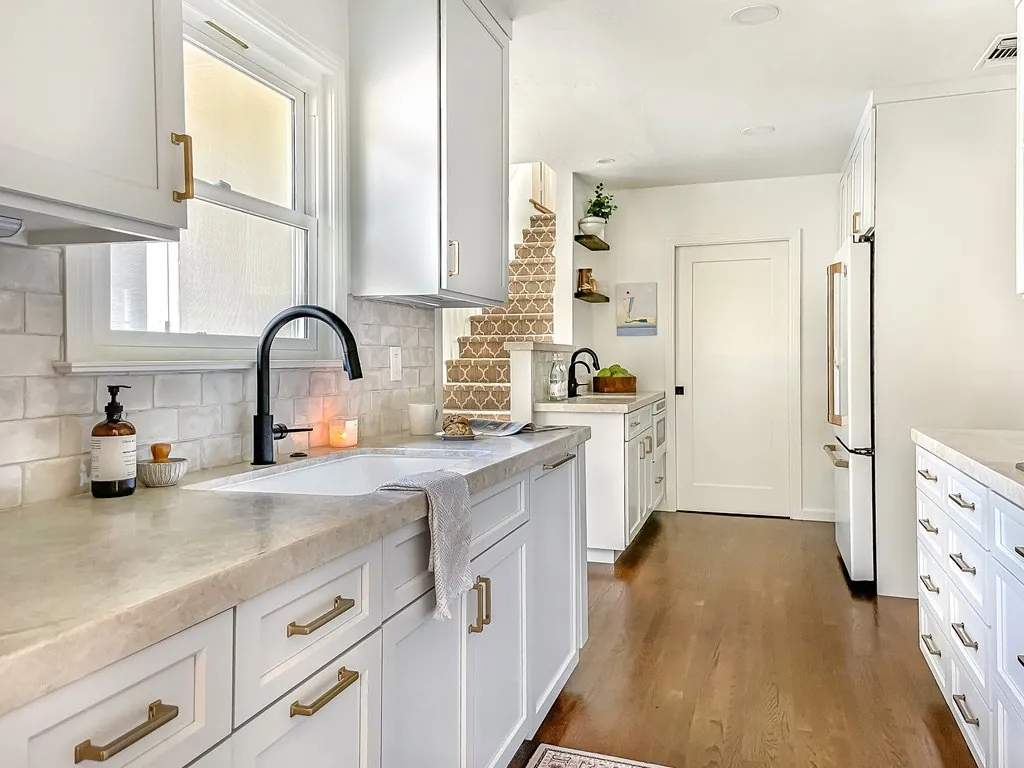
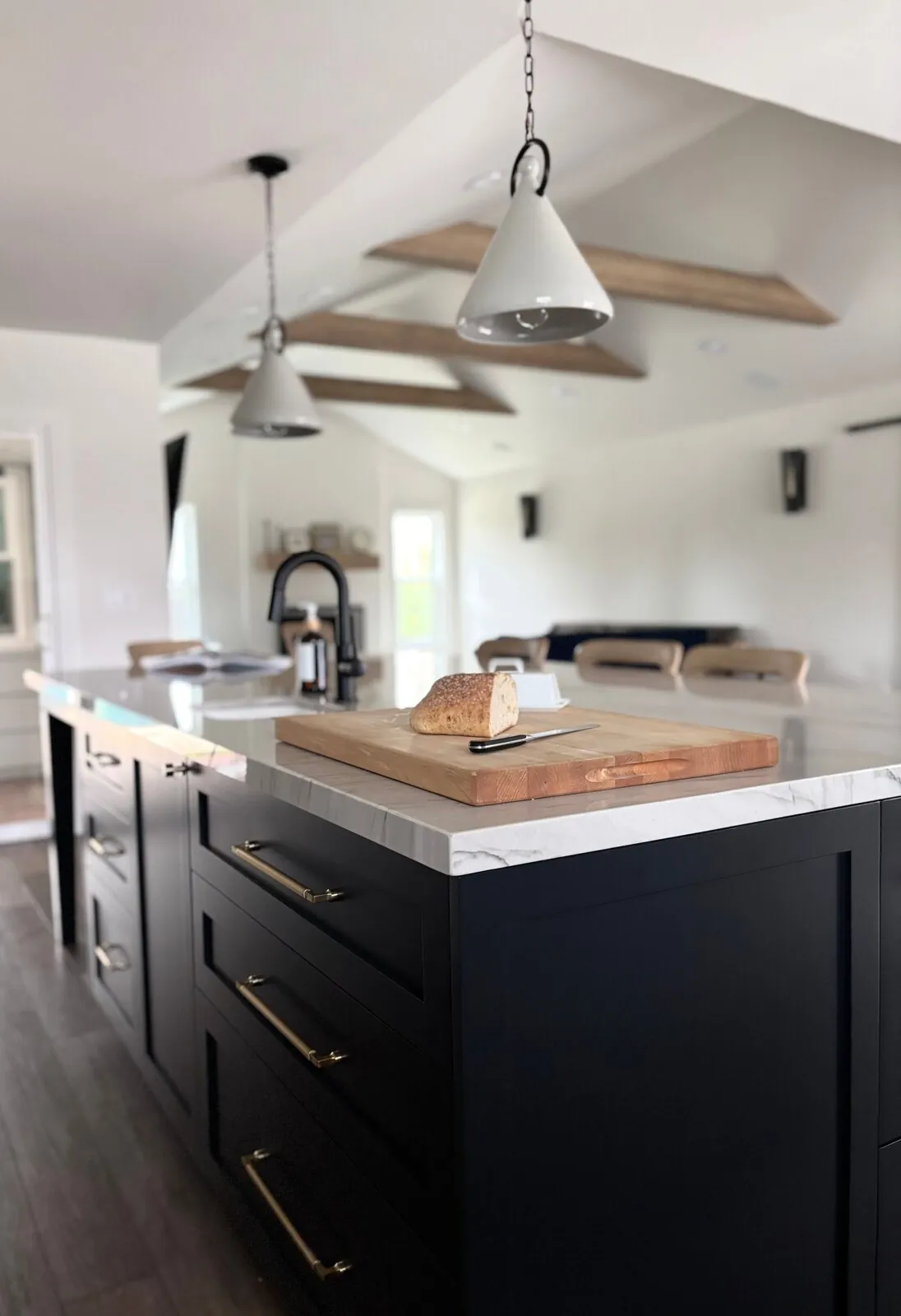
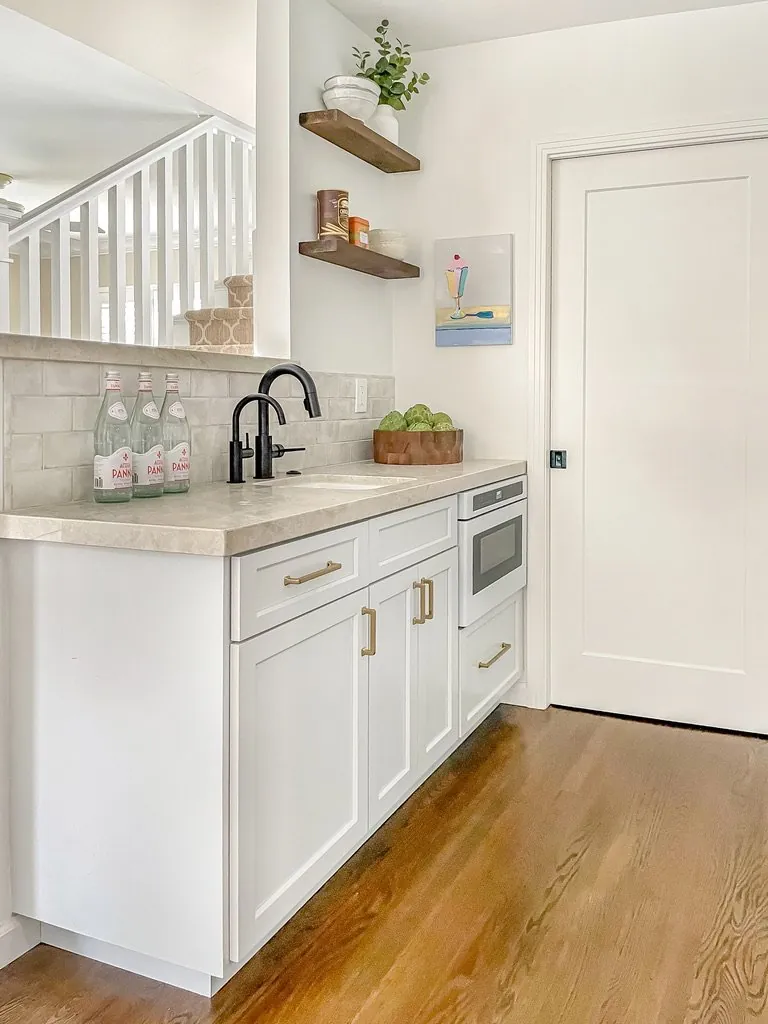
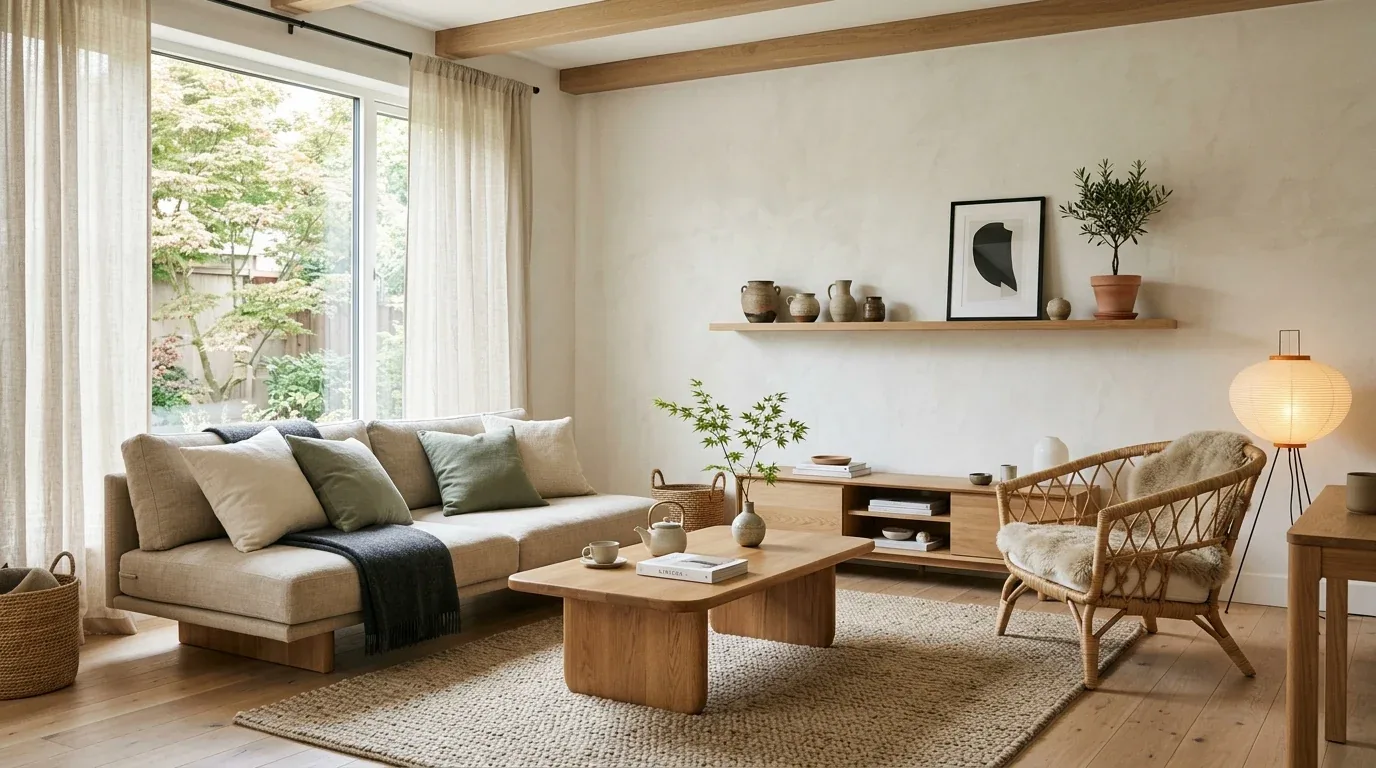
I prefer allowances based on real products rather than placeholders in active projects. Specify materials like rift-sawn oak for cabinets, Calacatta-look quartz, unlacquered brass hardware, and specific construction methods to avoid surprises. Brands like Blum (drawer hardware) and Lutron (lighting controls) can impact the budget in ways a broad allowance might hide. If design fees are manageable, high-end lighting can still raise costs quickly. In Petaluma, upfront costs need clear breakdowns to avoid confusion. Material prices in Northern California are volatile, tile and cabinetry can spike rapidly. Keep track of bids throughout the project timeline. Costs can shift unexpectedly. The budget needs dates beside it, not just numbers.
Designer Decision Matrix: Which Interior Design Cost Petaluma Approach Fits Your Home
How we actually decide: match your situation to what we would specify, and the reasoning behind it.
| Your Goal | Best Solution | Why We Recommend It |
|---|---|---|
| Lowest upfront spend | A tightly defined consultation with a written scope | You pay for a specific decision rather than carrying the coordination and procurement overhead of a full remodel service. |
| Full kitchen remodel | Full-service design with priced allowances | Cabinetry, stone, lighting, hardware, and appliances interact, so one underpriced category can distort the whole construction budget. |
| Older Petaluma home | Phased design with a real contingency | Older housing stock can turn a finish decision into a structural or permit question, and a staged budget leaves room for that uncertainty. |
| High-end finish without visual excess | Spend on cabinetry construction, stone, lighting quality, and one or two tactile materials | Quiet materials show their quality through proportion, touch, and light, while too many luxury finishes compete with one another. |
| Small room | Fewer materials in larger, calmer fields | A tight room has fewer sightlines, so repeated grout lines, hardware styles, and contrasting finishes make the space feel busier and less expensive. |
| Rental or limited-permanence work | Consultation focused on paint, lighting, furnishings, and reversible window treatments | Permanent construction has a poor return when the property cannot support long-term changes. |
| Protect resale | Timeless fixed finishes with trend carried by replaceable pieces | Petaluma buyers can see fixed quality immediately, while lamps, stools, art, and textiles can change without rebuilding the room. |
Why Petaluma changes the interior design cost equation
In Petaluma, less is more, let the architecture speak for itself.
Older homes often have strong proportions and a lot of natural light that changes through the day. A designer who understands that light will often spend less on decorative complexity and more on the things you touch and see repeatedly: cabinetry, floors, hardware, window treatment, and useful lighting.The broader Northern California context matters too. Petaluma offers Bay Area prices but retains the older charm and architectural style of Sonoma County. That makes a generic “luxury remodel” budget less useful than a scope-based one. A 1970s contemporary with a good roofline and generous glazing should not automatically be treated like a blank new-build interior. The character can be worth protecting, while the mechanical and construction decisions still need honest pricing.
For homeowners comparing firms, our Santa Rosa interior designer guide is a useful regional companion because it keeps the conversation grounded in North Bay conditions rather than national averages. Fewer but better decisions usually work better than filling the room with expensive stuff.
Permitting can also affect the fee. Petaluma's Community Development Building division is the local place to verify permit requirements when the work crosses into regulated construction. That matters because a designer's consultation fee does not make permit, engineering, contractor, or inspection costs disappear.
What should you budget for an interior designer in Petaluma?
The real question is usually not “What is the hourly rate?” It is “What will I spend before this remodel is finished, and what am I getting for that money?” We first ask how much of the project the designer takes responsibility for. A one-hour consult, finish package, and full-service design aren't the same service.
Use hourly rate as part of the equation, not the final answer. Ask whether the designer also charges a minimum, fixed design phases, purchasing fees, purchasing markups, or separate drawing and coordination fees. Then ask what is excluded. Furniture, appliances, materials, freight, installation, labor, engineering, permits, and taxes may be outside the design fee.
There is no defensible single Petaluma hourly average in the active project data behind this guide, so I would rather not manufacture one. A transparent designer should give you the rate or fee structure, minimum commitment, estimated hours or phases, and a clear list of pass-through costs before you authorize substantial work.
Should you choose consultation-only or full-service design?
Consultation-only makes sense for precise, specific issues.
If you need help with cabinet choices or layout adjustments and your contractor is set, a focused engagement can keep the fee more reasonable. You’re responsible for ordering, checking deliveries, handling substitutions, and coordinating trades. Full-service design earns its fee when all decisions are interconnected and informed by each other. Cabinet depth affects circulation. Lighting affects finish color. Counter material affects cabinet construction and edge detail. Procurement adds another layer because the designer is helping turn selections into actual orders rather than inspiration images.For a Petaluma remodel needing several trades and big changes, full-service is usually the way to go. A small change can cause permit problems or construction issues later. For small projects, bigger design packages may not be worth it. Ask about payment terms: upfront, by milestone, monthly. Check if financing is offered by the firm.
Should you remodel or rebuild in Petaluma?
First comes the land and house; then comes the design question. Good daylight, structure, and character add value more than a complete rebuild. Structural work and major system upgrades bump up costs significantly. So do layout changes. Get a scope comparison instead of arguing from instinct. Include design, construction, permits in your remodel budget with a buffer. Then compare that with the realistic cost and disruption of replacing the structure. The U.S. Census Bureau's Construction Spending Survey can provide broad construction-market context, but it cannot decide a Petaluma property for you: U.S. Census Bureau Construction Spending Survey.The designer's job is not to push one answer. Find expensive unknowns early to sidestep surprises later on. A house needing repairs is easier than one that needs a complete fix.
What adds the most value in Petaluma?
Value is not just resale price. It is also how much usable improvement you buy for each dollar, how well the work fits the house, and how little maintenance the homeowner inherits. For Petaluma homes, I prioritize improvements that boost daily function and architecture over novelty. Key areas include the kitchen, primary suite, ADU, and home office. An island adds storage and space without overwhelming the kitchen decor.
How to modernize an older Petaluma home without losing its character
Identify what makes the house unique: good ceiling proportions, window rhythm, or woodwork details. Modernize the parts of your home that make it harder to live in. New lighting and cabinetry can refresh a room without totally changing its look. I'm cautious with open-plan spaces here. Removing a wall can change room sizes but lose the unique flow of spaces that made the home special. Structural walls or intricate systems can turn simple openings into complex and costly decisions. When structure or permits are involved, confirm the requirements through Petaluma's Community Development Building division rather than relying on a contractor's verbal assumption: Petaluma Community Development Building.Keep the expensive permanence quiet. Let trends live in smaller items like chairs, textiles, lamps, or paint colors rather than big custom cabinetry. That approach fits Northern California light particularly well because natural materials can carry visual interest without needing high contrast everywhere.
Budget surprises from vague allowances and unrealistic contingencies in Petaluma projects
From our project debriefs and post-occupancy reviews, 2023-2026.
Low hourly rates can mask hidden project complexity
A low hourly rate can feel like a bargain until the homeowner learns that the engagement needs far more hours, separate procurement work, or a minimum fee. The symptom is a proposal that looks cheap on page one and expensive after selections begin. The cure is to ask for the estimated total range, phase by phase, and to identify what triggers additional hours. A designer who can't explain where the time goes isn’t giving you useful info.
Optimistic material allowances lead to budget overruns
A remodel can appear affordable because the proposal carries optimistic numbers for cabinetry, tile, stone, or lighting. Then the selections arrive and the homeowner is choosing between cutting the design or spending more. Across our active specifications, I would rather see a realistic allowance with a clear product direction than a tiny placeholder. The cure is to price the actual level of finish you want before construction starts.
Outdated material pricing causes cost mismatches
Some upgrades are worth paying for because your hand touches them every day or because they solve a real performance problem. Some items disappear into the background while eating up the budget. Spending heavily on hidden features while compromising visible cabinetry proportions, lighting quality, or circulation can make a costly remodel feel strangely ordinary. The cure is to rank decisions by daily use, sightlines, maintenance, and resale before selecting the most expensive version.
Petaluma construction budget benchmarks by project scope
2026 planning ranges by scope, Petaluma / Bay Area against Sacramento. They bracket a budget; they are not a quote for a specific house.
| Scope | Petaluma / Bay Area | Sacramento |
|---|---|---|
| Refresh scope: consultation, finish direction, limited furnishing or room decisions | Use a designer's stated hourly or minimum fee; no reliable range supplied | Use a designer's stated hourly or minimum fee; no reliable range supplied |
| Mid-tier scope: substantial room remodel with cabinetry, finishes, lighting, and coordination | $55K-$90K construction budget benchmark, not a design-fee quote | $35K-$60K construction budget benchmark, not a design-fee quote |
| Estate-scale: whole-home renovation or major high-end/layout work | $90K-$150K+ high-end project benchmark, with larger whole-home work requiring a project-specific quote | $160K-$350K+ construction budget benchmark, not a design-fee quote |
Local permits & planning
For ZIP-level housing-stock and household-income data behind this analysis, see our Sacramento & Bay Area housing market data.
Sources & Professional References
This guide's positions on materials are grounded in published building-code, standards, and recognized design-authority sources, alongside Designed | Curated Interiors' verified credentials and active project files:
- American Society of Interior Designers (ASID): interior-design practice standards
- International Code Council (ICC): Chapter 8 Interior Finish Decorative Materials And Furnishings
- Community Development (Building), Petaluma (Sonoma County) building permit portal
- NKBA, Amy Kunst Member Profile (verified credential, NKBA Committee Member)
- Featured in: Good Housekeeping (storage and space-planning expert quotes, July 2026) · Homes & Gardens (design expert quote, May 2026) · Sacramento Love (guest author, 2024)
Frequently Asked
What should homeowners consider when comparing design firms in Petaluma?
How can a contingency line affect an interior design project budget?
What should be prioritized in a Petaluma home's interior design to enhance its natural character?
Related reading
- Sacramento & Bay Area Interior Design Services How we scope, source, and deliver work end to end.
- Interior Designer Hub, Petaluma Where most of our Petaluma work lives, the regional fit explained.
- Modern Tudor Homes Heritage-architecture renovation patterns from our project files.
- Japandi Living Room Design The 2026 warm-neutral playbook applied to the living room.