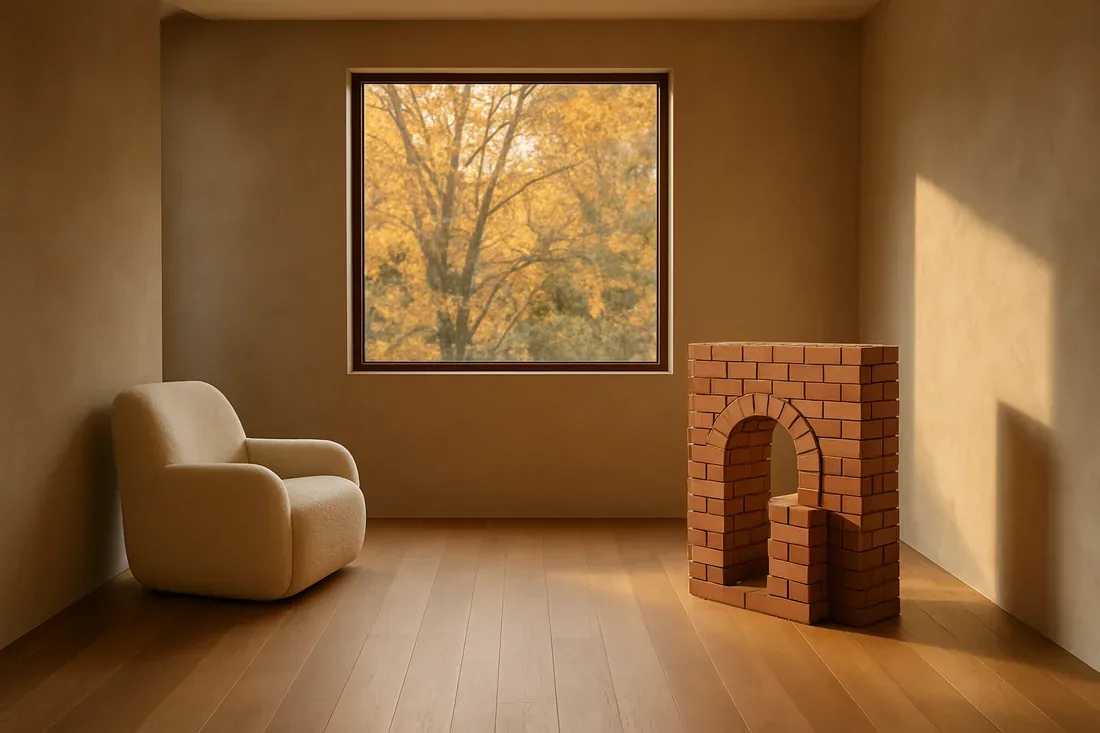
Look to Bologna for the real trends. Actual products, not mood board fantasies. At recent editions of Cersaie, the annual Italian exhibition of ceramic and brick surfaces, producers kept pushing one idea: exposed brick treated as a finish material in its own right, with matte faces, tumbled edges, and clay-true color. In our own 2026 specifications, brick has become the workhorse for adding warmth and texture to Italian-inspired rooms that would otherwise read flat.
This guide covers what we are seeing and specifying for brick in Italian-style interiors going into 2026: the palette shift, pattern choices, finish and texture decisions, and how brick pairs with wood, plaster, and metal. Because we practice in Sacramento, it also covers the part trend coverage skips, which is what happens when these ideas meet a pre-war wall that is an inch out of plumb.
Common Questions
| What are the key Italian interior design details involving bricks for 2026? | By 2026, seek out terracotta and warm beige for Italian brick vibes. Textured surfaces take the spotlight. |
| How are bricks typically used in Italian interiors in Sacramento for 2026? | Bricks are used as statement feature walls, with careful layout from focal sightlines, respecting historic quirks of older Sacramento homes, and blending regional craftsmanship with modern finishes. |
| What regional influences affect brick choices in Sacramento's interior design? | Sacramento's old buildings and their textures guide brick choices. Think local clay colors and craftsmanship that respects the past. |
| When planning to incorporate bricks into an Italian interior in Sacramento, what should I consider? | Watch wall bumps. Check brick size, pattern. Start layout from the center to sidestep expensive mistakes. |
The First Major Design Move: Embracing Warmth and Texture with Brick
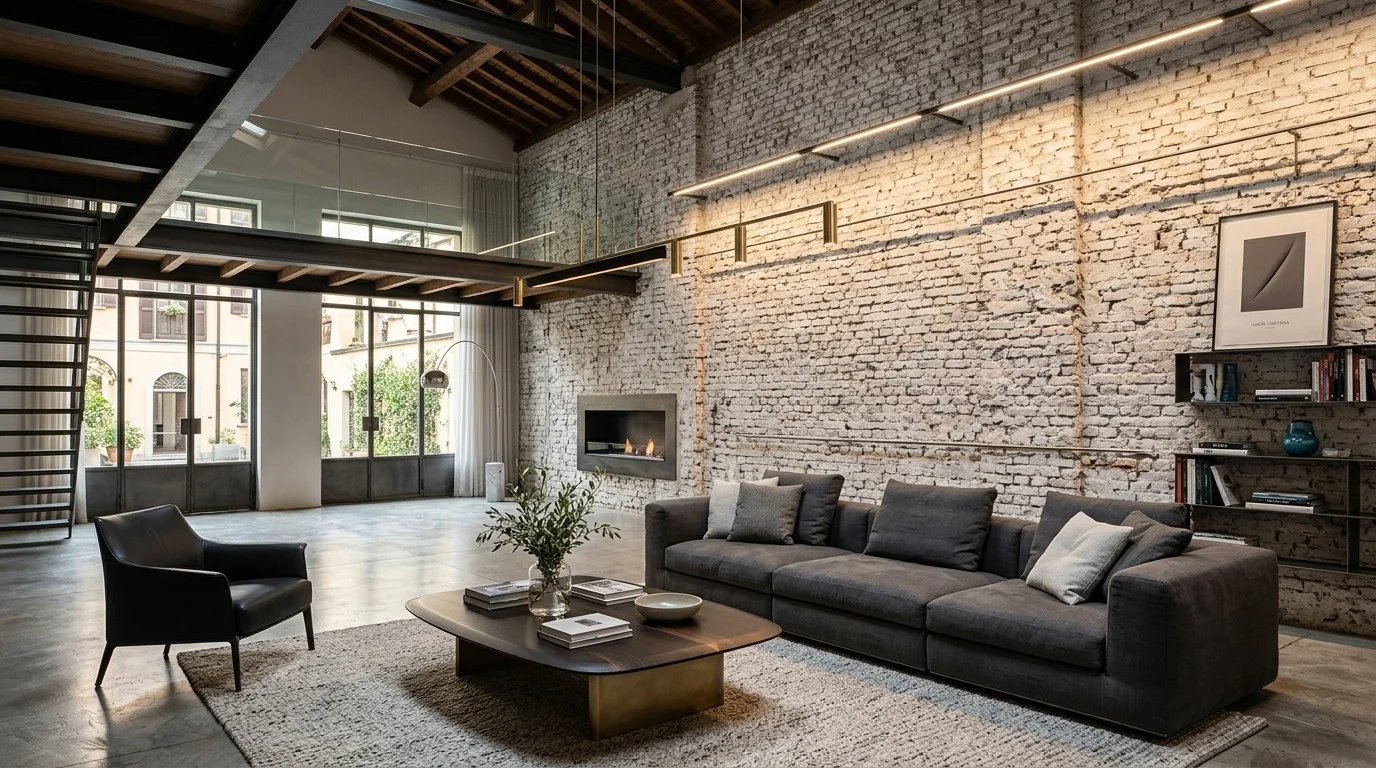
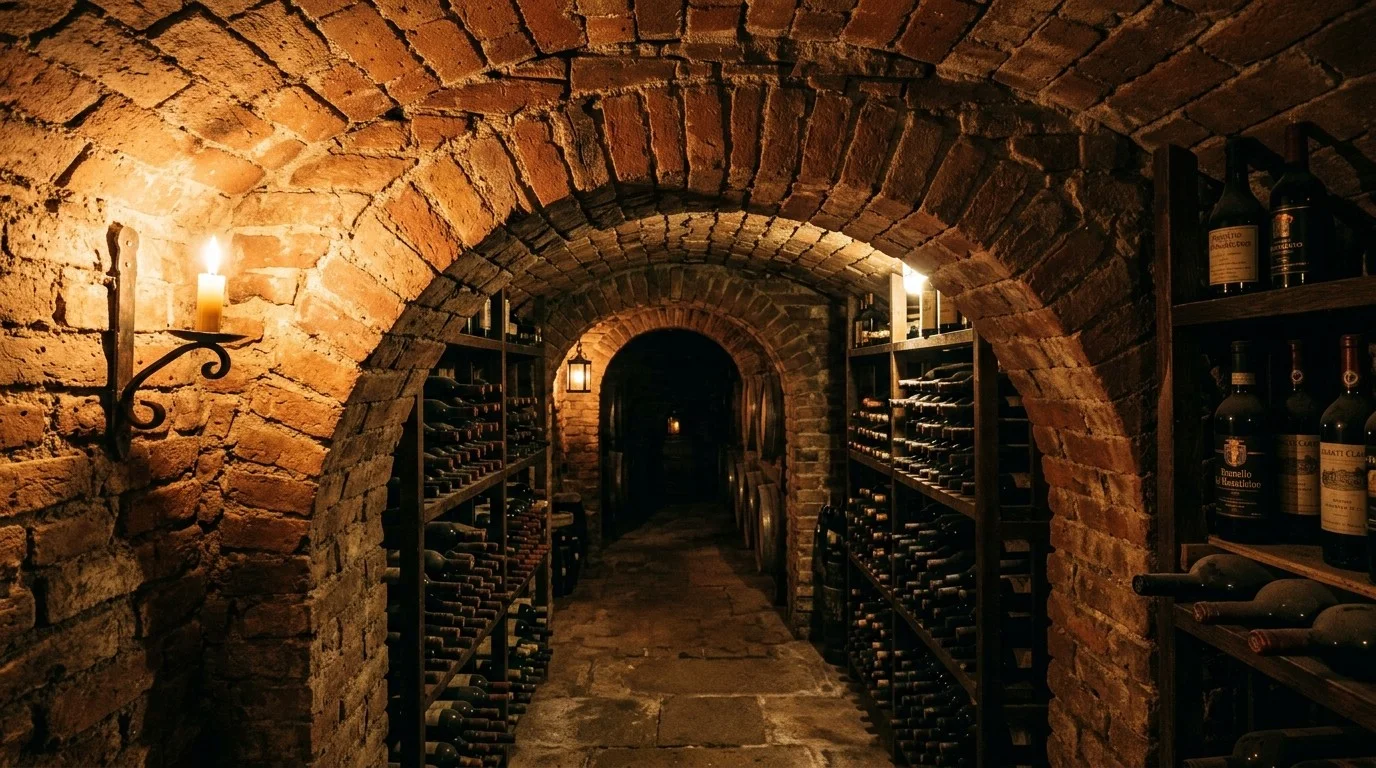
The biggest change we have made in our own Italian-inspired work is treating brick as a primary surface rather than an accent. Terracotta, warm beige, soft brown. These colors mix well with Italy's classic materials, avoiding a place-too-rustic vibe.
On the product side, this is not speculation. Marazzi and the Emilgroup mills have been showing brick-format porcelain with matte, tumbled surfaces at Cersaie for several seasons now. On the clay side, historic Italian producers such as Fornace S.Anselmo in the Veneto and Fornace Brioni in Gonzaga still hand-mold and extrude terracotta with the surface variation that mass-market brick cannot fake, and their collaborations with contemporary designers are a large part of why brick keeps showing up in Italian design press. Use brick with smooth plaster or wood for balance. Metals in soft tones work, too. Texture should whisper, not yell.
Choosing the Right Brick Pattern and Arrangement for 2026
Pattern is where most homeowners start, and it helps to remember these bonds are not inventions of a trend cycle. Herringbone in particular has roughly six centuries of Italian pedigree: Brunelleschi laid the dome of Santa Maria del Fiore in a self-bracing herringbone bond, the spina di pesce, in the 1420s. When a client asks whether herringbone is going to date, that is usually the answer we give.
In practice the choice comes down to running bond, herringbone, stacked bond, or an intentionally irregular lay, and lately our clients have favored the layouts with some irregularity in them. Size and orientation carry as much weight as the bond itself. Large-format brick set vertically or in herringbone reads contemporary; smaller handmade units suit traditional and rustic rooms. Scale it against ceiling height and room size before committing. In a typical Sacramento living room, a quiet running bond with a lightly textured face, warmed by wood accents and low lighting, tends to age better than anything busier.
Specifying Brick Finishes and Textures for 2026
Nearly every brick we have specified this year is matte. Gloss on brick photographs well in showrooms and looks synthetic in a real room, which is why the finish conversation usually starts with a different question: reclaimed brick with genuine age, or new brick with a weathered face? Reclaimed wins on character and loses on consistency and lead time; new production from the Italian fornaci gives you the weathered look with predictable sizing, and most of our clients land there once they price both.
The newer options worth knowing about are integrated lighting channels within brickwork and bodies colored with natural earth pigments, which give a wall subtle course-to-course variation instead of a flat, repeated tone. Both add depth to feature walls and fireplaces without adding ornament. In Sacramento, older homes' uneven bricks are common. A matte finish hides substrate flaws better than neat, flat bricks.
Integrating Bricks with Other Materials and Design Elements
Brick rarely fails on its own; it fails in bad company. Put a textured brick wall by heavy plaster or busy tile, and it just adds to clutter. Successful projects pair brick with smooth lime plaster or rift-sawn oak, and matte black or brushed brass hardware. One loud material per room, and in these rooms the brick is it.
Restraint matters more than the specific combination. We use reclaimed wood and natural stone with brick. They complement each other and weather temperature swings well. Keep textures at two or three. It feels curated. Add more? It'll look like a showroom.
Common Pitfalls in Brick Selection and Installation for Authentic Italian Design
From our project debriefs and post-occupancy reviews, 2023-2026.
Avoiding uniform, mass-produced bricks for lack of character and regional authenticity
Designers sometimes choose uniform, mass-produced bricks in hopes of creating a clean look, but this often results in a space lacking character and regional authenticity. Older Sacramento homes and Italian designs crave surfaces with history. Think about using bricks with texture and a handmade feel. Craftsmanship shines through in small flaws, adding flair.
Ignoring pre-war wall imperfections, leading to costly tapered cuts and awkward patterns
Pre-war Sacramento homes often have uneven walls and out-of-square surfaces. Start brickwork from the wall without considering quirks, and expect costly tapered cuts and awkward patterns. The fix costs almost nothing at layout stage: lay out from the room’s center or focal sightline, laser-measure the walls, and mock up a course or two before setting brick, so the pattern stays balanced and the tapered cuts land where nobody looks.
Choosing glossy or overly smooth finishes, which appear synthetic under household lighting
Glossy or overly smooth brick gets chosen off a showroom board, where directional lighting flatters it, and then reads cold and synthetic under household light. Once had to repaint a glossy brick wall. Never again. Matte textures give the aged, handmade look that's the point of showing brick. Sample in the actual room before ordering.
Working Notes
What We Have Learned Specifying Brick for Italian-Style Interiors
“The layout line is a design decision. Treat it like one.”
The cheapest tool on any brick project is a mockup panel and an afternoon. A few square feet of the actual brick with the actual mortar, cured and lived with for a week in the room’s own light, has caught more five-figure mistakes for us than any drawing. Decisions made under showroom lighting do not survive contact with a real house.
Old walls lie. A pre-war Sacramento wall can be an inch out of plumb and half an inch out of flat, and brick, unlike paint, refuses to hide that. We stopped trusting prior contractor work and the phrase it should be fine a long time ago; the substrate gets lasered before anything is ordered, and the budget carries a line for what the wall turns out to be.
The requests also deserve interrogation. A homeowner asks for a brick accent wall, and half the time what the room actually lacks is warmth or one strong focal point, which sometimes brick solves and sometimes lighting does for a tenth the cost. We make the room tell us the problem before anyone orders pallets.
These notes come from our own project debriefs. Most were learned the expensive way the first time.
Sources & Professional References
This guide's positions on materials are grounded in published building-code, standards, and recognized design-authority sources, alongside Designed | Curated Interiors' verified credentials and active project files:
- Cersaie, Bologna: International Exhibition of Ceramic Tile and Bathroom Furnishings (annual Italian surfaces trade fair; trend observations above reference recent editions)
- Salone del Mobile, Milano (Italian design direction and material palettes)
- Marazzi Group · Fornace S.Anselmo · Fornace Brioni (Italian brick and terracotta producers referenced in the text)
- Brick Industry Association: Technical Notes on Brick Construction (veneer layout, mortar, and installation practice)
- American Society of Interior Designers (ASID): interior-design practice standards
- International Code Council (ICC): Chapter 8 Interior Finish Decorative Materials And Furnishings
- NKBA, Amy Kunst Member Profile (verified credential, NKBA Committee Member)
- Featured in: Homes & Gardens (design expert quote, May 2026) · Sacramento Love (guest author, 2024)
Related reading
- Sacramento & Bay Area Interior Design Services How we scope, source, and deliver work end to end.
- Interior Designer Hub, Sacramento Where most of our Sacramento work lives, the regional fit explained.
- Italian Interior Design Details Bricks Related cluster piece referenced from the Italian Interior Design Details Bricks build files.
- Italian Interior Design Details Related cluster piece referenced from the Italian Interior Design Details build files.