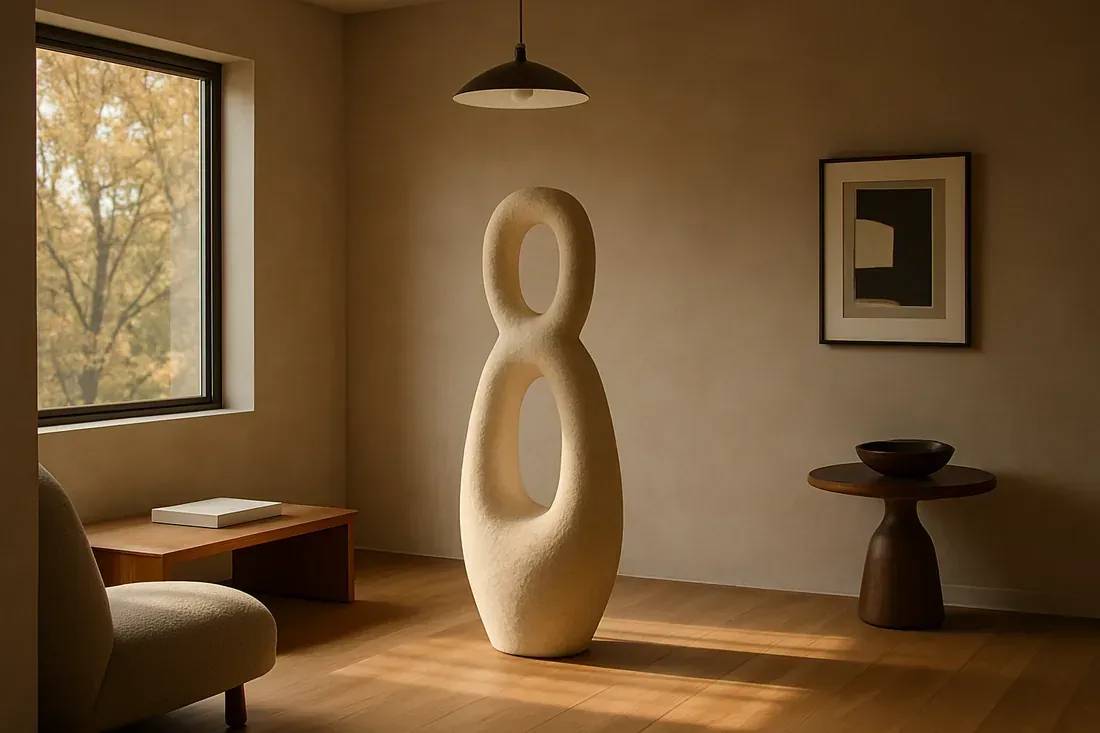
Integrating traditional Italian design elements with brick details can create warm, authentic interiors that evoke timeless craftsmanship. Many homeowners seek to incorporate bricks in ways that honor Italy’s rich architectural heritage while maintaining a modern sensibility. In 2026, the trend is toward subtle, textured brickwork that adds character without overwhelming the space.
Built from our active project files, this guide explores how to choose the right bricks, blend them seamlessly with other materials, and adapt classic Italian styles for contemporary interiors. We’ll cover authentic characteristics, material selections, visual examples, and regional insights to help Sacramento homeowners achieve an elegant, restrained look that balances history and modernity.
Common Questions
| What are the typical characteristics of Italian interior bricks used in Sacramento homes? | Authentic Italian bricks are often handmade or machine-made with irregular surfaces, matte finishes, and warm earthy hues like terracotta and burnt sienna. |
| How can I incorporate brick details into my Italian-inspired interior in Sacramento? | Use textured, low-gloss bricks with variation in size and surface texture, applied as feature walls or fireplace surrounds to evoke a rustic Italian feel. |
| What is the recommended brick size for Italian interior features? | A standard size is 4x8 inches, which balances scale and proportion, but larger bricks can create a bold statement in larger rooms. |
| Are reclaimed or custom bricks better for achieving an authentic Italian look? | Reclaimed or artisan bricks with aged finishes are preferred for authenticity, but the choice depends on budget and desired uniformity. |
First Major Design Move: Embracing Authentic Italian Brick Characteristics
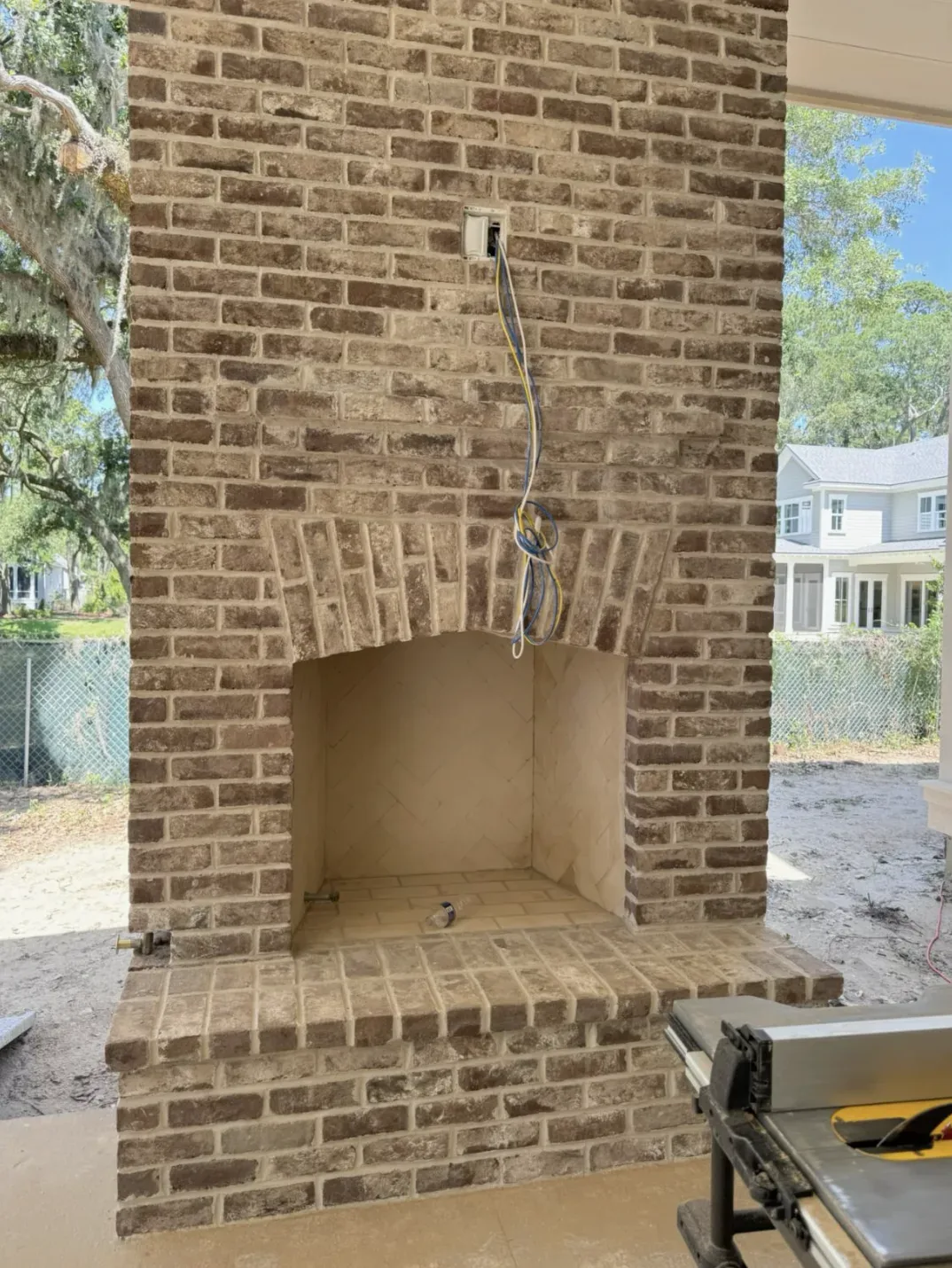
Incorporating bricks into Italian-inspired interiors begins with understanding their typical characteristics. Authentic Italian bricks are often handmade or machine-made with a slightly irregular surface, matte finishes, and warm earthy hues like terracotta, burnt sienna, or warm beige. These bricks tend to have a textured surface that adds depth and visual interest, making them ideal for feature walls or fireplace surrounds.
Across our active project specifications, we see a preference for using bricks with a low-gloss, natural finish that enhances their tactile quality. When selecting bricks, look for those that showcase variation in size and surface texture, which add to the handcrafted, rustic feel characteristic of Italian design. Brands like Acme Brick or local artisans often provide options that marry authenticity with durability. Balancing these with softer finishes such as matte plaster or aged wood creates a layered, sophisticated look that feels both historic and current.
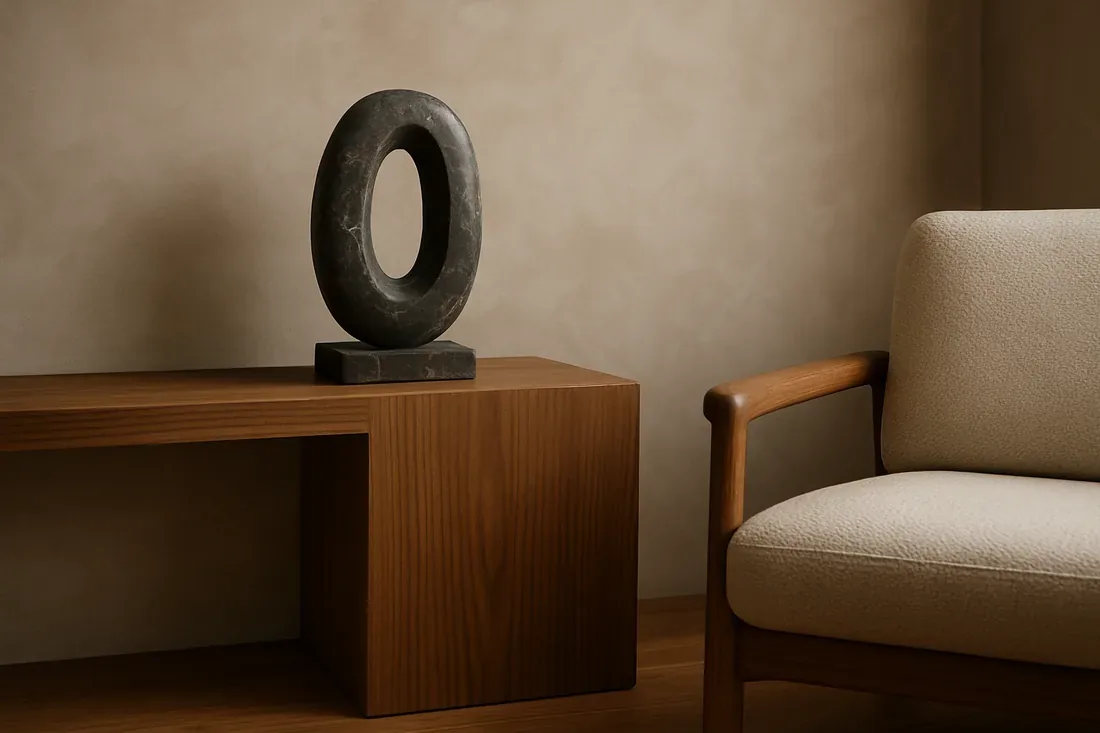
How to Select and Size Italian Brick Features for Your Space
Choosing the right brick size and application is a key decision when incorporating Italian details. The homeowner’s first question often revolves around scale: should a brick feature wall be 8 feet or extend to the ceiling? The answer depends on the room’s proportions and the overall aesthetic. Larger bricks can create a bold statement but may feel overwhelming in smaller spaces, while smaller, textured bricks add subtlety and warmth.
Across our projects, we advise considering ceiling height, furniture scale, and natural light. For example, in a typical Sacramento living room with 9-foot ceilings, a 4-inch by 8-inch brick provides a balanced look. For backsplashes or fireplace surrounds, using a thinner veneer with irregular edges emphasizes authenticity without sacrificing scale.
- Size considerations: 4x8 inches standard; larger sizes for feature walls
- Finish options: matte, aged, or reclaimed
- Application tips: mortar joint size influences texture and historic feel
Custom vs. Stock Brick Options for Authentic Italian Style
Deciding between custom and stock brick options involves weighing budget, timeline, and authenticity. The first question we ask homeowners is whether they want a truly handcrafted look or a more uniform, cost-effective solution. Custom millwork or artisan brick suppliers can offer irregular, aged bricks that deliver a high-end, authentic Italian feel but come with longer lead times and higher costs.
Stock brick veneer panels from local suppliers or national brands like Fireclay Tile are readily available and install quickly, making them suitable for projects with tight schedules. They typically range from $10 to $25 per square foot, whereas custom reclaimed bricks can start at $30 and go much higher depending on sourcing and finishing. In Sacramento, blending these options with soft plaster or aged wood creates a layered, refined aesthetic that balances authenticity with practicality.
Will Brick Details Make My Interior Look Timeless or Outdated?
The homeowner’s underlying concern is whether brick details will age gracefully or appear dated over time. The first question we ask is about the overall style intent: is the goal a classic Italian villa or a modern interpretation? In 2026, the trend favors restrained, textured brick accents that develop patina and character with age, ensuring they remain timeless.
Choosing authentic materials with natural variation and applying them with traditional mortar joints supports longevity and a sense of history. In Sacramento, where historic homes often feature brickwork, maintaining this element can boost property value and curb appeal. The key is moderation: a single textured brick wall or fireplace surround, paired with contemporary furnishings and finishes, creates a balanced aesthetic that endures seasonal or design fads.
Common Pitfalls in Brick Application for Authentic Italian Interiors
From our project debriefs and post-occupancy reviews, 2023-2026.
Avoiding Machine-Made Uniformity in Brickwork
Applying bricks with a uniform, machine-made appearance in a traditional Italian interior can quickly make the space feel cold and sterile. Homeowners often mistake sleekness for authenticity, but the charm of Italian design lies in its textured, irregular surfaces. This mistake leads to a look that feels more industrial than historic. The cure is to select bricks with natural variation, and to emphasize uneven mortar joints that highlight their artisanal quality. In Sacramento, balancing these textures ensures the space feels warm, inviting, and rooted in tradition.
Ignoring Local Light and Color Conditions
Many homeowners overlook how Sacramento’s warm, bright light affects interior color choices. Using bricks that read as cool or washed out under Valley sunlight can diminish their impact. The symptom is a space that feels flat or disconnected from the regional landscape. The solution is selecting bricks with warm hues and matte finishes, which absorb and soften Sacramento’s sunlight. Paying attention to local lighting conditions preserves the authentic Italian feel and prevents the space from looking washed out or overly modern.
Cost Ranges for Brick Features in Italian-Inspired Interiors
2026 planning ranges by scope. They bracket a budget; they are not a quote for a specific house.
| Scope | Typical range |
|---|---|
| Refresh scope with small accent wall | $5K - $12K |
| Full feature wall or fireplace surround | $12K - $25K |
| Complete interior brick installation in a large space | $30K - $80K |
Sources & Professional References
This guide's positions on materials are grounded in published building-code, standards, and recognized design-authority sources, alongside Designed | Curated Interiors' verified credentials and active project files:
- American Society of Interior Designers (ASID): interior-design practice standards
- International Code Council (ICC): Chapter 8 Interior Finish Decorative Materials And Furnishings
- NKBA, Amy Kunst Member Profile (verified credential, NKBA Committee Member)
- Featured in: Homes & Gardens (design expert quote, May 2026) · Sacramento Love (guest author, 2024)
Related reading
- Sacramento & Bay Area Interior Design Services How we scope, source, and deliver work end to end.
- Interior Designer Hub, Sacramento Where most of our Sacramento work lives, the regional fit explained.
- Italian Interior Design Details Bricks: A Designer's Guide to the 2026 Look Discover how Italian interior design details with bricks are shaping Sacramento's interiors in 2026, blending warmth and contemporary elegan
- Italian Interior Design Details Related cluster piece referenced from the Italian Interior Design Details build files.