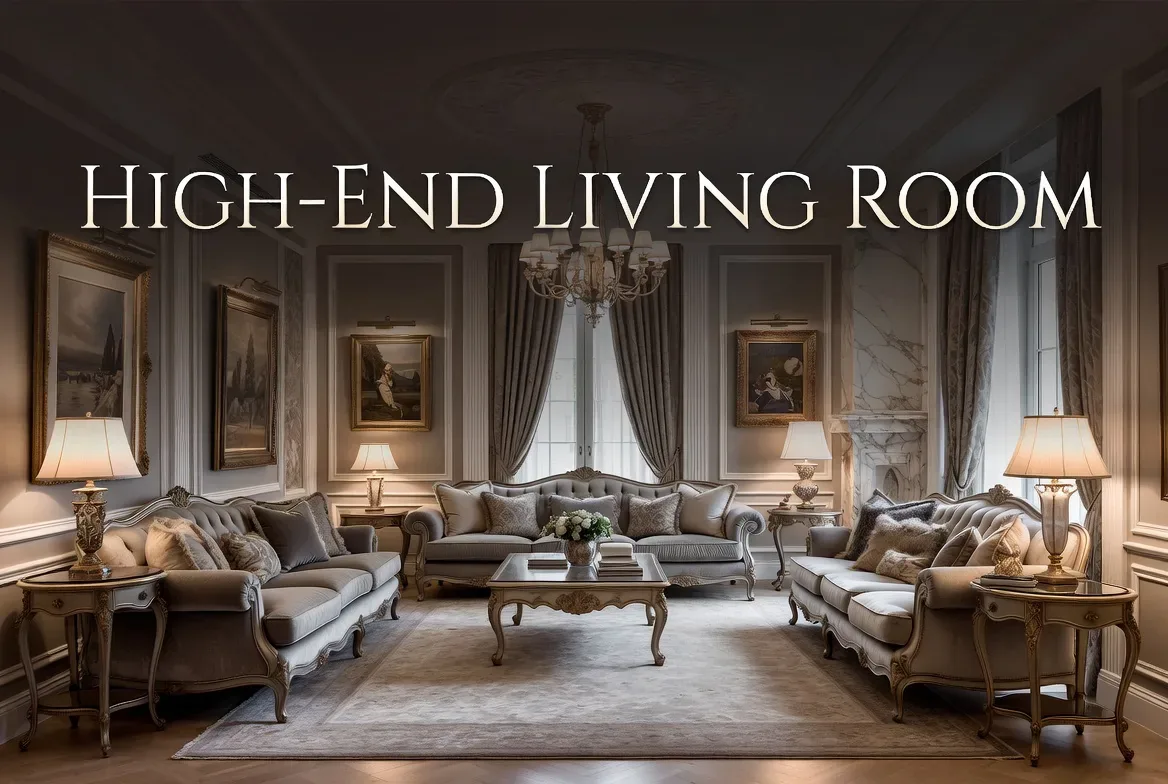
Italian design in Sacramento homes? Think simple luxury, maybe a marble accent, paired with classic touches. Arches shape the space. Use warm-toned wood and natural light. We focus on making spaces inviting, not just attractive. Basics are covered. Here's how to bring Italian charm home with practical advice specific to our area. Avoiding common mistakes matters. Nail the right materials, and consider the local vibe for 2026.
Direct Answers (Italian Interior Design Details)
| What are the key architectural details of Italian interior design? | Coffered ceilings and arches do wonders. Travertine warms up a room. Pair it with plastered surfaces. |
| How can I incorporate Italian design elements into my Sacramento home? | Take advantage of those existing high ceilings. Try wood doors or iron details to capture that Italian feel. |
| What materials are commonly used in Italian interior design? | Travertine and marble last forever and look good. Plaster's a solid choice for warmth. |
| How do regional considerations influence Italian interior design in Sacramento? | Old Sacramento homes' high ceilings and light suit Italian styles. Go textured with furnishings. |
Key Architectural Features of Authentic Italian Interiors
Authentic Italian interior design often showcases architectural elements that emphasize craftsmanship and a sense of history. Use coffered ceilings for added style. Archways do too. You'll find warm ochre plaster great for showcasing furniture and textures. Travertine in floors or marble accents? Elegant and solid. Getting symmetry right sets the room's pace. It adds lasting appeal.
Older Sacramento homes with tall rooms fit these touches perfectly. Use wood doors or iron for that Italian touch mixed with local flavor. Quality finish work keeps charm intact over time.
How to Choose the Right Architectural Features and Details
The first question homeowners often ask is which architectural elements truly define Italian interior design without making the space feel outdated or overdone. Pick features that last. Use arched doors or plaster moldings for a refined look. Blend detailed elements with high-quality finishes. Don't overdo it.
Mind proportion and scale. Big details don’t fit small homes; subtlety gets lost. Use a tape measure and photos to check scale. Work with the home for an Italian vibe without losing comfort.
Plan materials carefully for cohesion. Mix wood beams with plaster walls or add iron accents for depth. Details add character and might increase home value.
Sizing and Specification Guide for Italian-Inspired Fixtures
Choosing the right size and specifications for fixtures is essential to maintain authenticity and functionality. Range hoods should be 30-36 inches wide, and at least 20 inches deep. Your kitchen's size needs matching CFM ratings. In Sacramento, 600-900 CFM might be right. Cooking style counts. Bold chandeliers work well with 9 or 10-foot ceilings. That's Italian style.
Custom millwork means unique details but expect a higher bill and longer wait. Stock is quick and less costly. Restoration Hardware has some pieces worth checking; also, see what local artists have. Get some custom wood or metal work. Lots of skilled folks in Sacramento offer that.
Right-sized fixtures matter. Style meets function here. A Sacramento home needs both.
What Common Mistakes Make Italian Interior Details Look Cheap or Outdated
One common mistake is overdoing ornate details without balancing them with modern simplicity, which can make the space feel busy or dated. Avoid fake materials. Genuine finishes and furniture show off Italian craftsmanship. Don't go too big in small rooms. It ruins the vibe and looks cheap. Use quality materials and respect space and local style to sidestep mistakes.
Cost Ranges for Italian-Inspired Renovation Scopes: Authentic Finishes to Estate-Scale Transformations
2026 planning ranges by scope. They bracket a budget; they are not a quote for a specific house.
| Scope | Typical range |
|---|---|
| Basic updates with authentic finishes | $20K-$40K |
| Mid-tier renovation with custom details | $50K-$100K |
| Full-scale, estate-level transformation | $120K-$250K |
Sources & Professional References
This guide's positions on materials are grounded in published building-code, standards, and recognized design-authority sources, alongside Designed | Curated Interiors' verified credentials and active project files:
- American Society of Interior Designers (ASID): interior-design practice standards
- International Code Council (ICC): Chapter 8 Interior Finish Decorative Materials And Furnishings
- NKBA, Amy Kunst Member Profile (verified credential, NKBA Committee Member)
- Featured in: Homes & Gardens (design expert quote, May 2026) · Sacramento Love (guest author, 2024)
Frequently Asked
What are some tips for choosing proportionate architectural features?
Are there common pitfalls to avoid when designing Italian interiors?
Related reading
- Sacramento & Bay Area Interior Design Services How we scope, source, and deliver work end to end.
- Interior Designer Hub, Sacramento Where most of our Sacramento work lives, the regional fit explained.
- Italian Interior Design Details Bricks Related cluster piece referenced from the Italian Interior Design Details Bricks build files.
- Italian Interior Design Details Bricks: A Designer's Guide to the 2026 Look Discover how Italian interior design details with bricks are shaping Sacramento's interiors in 2026, blending warmth and contemporary elegan